
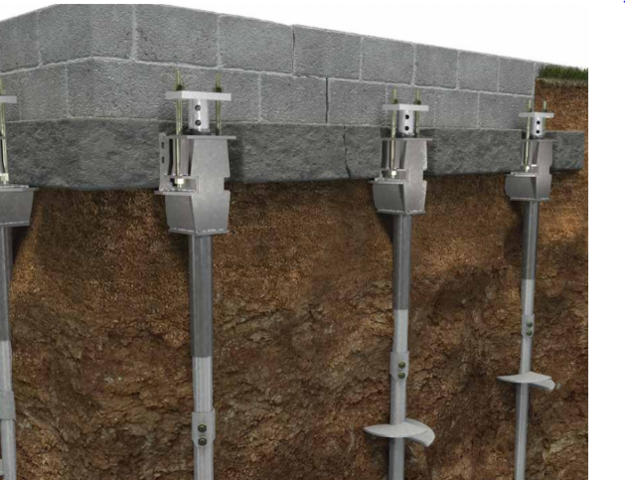
When your foundation is failing, it’s because the soil beneath it can no longer support its weight. Helical piers solve this problem with simple, powerful engineering. Think of them as giant steel screws that are twisted deep into the ground, bypassing the unstable surface soil completely. Your home’s weight is then transferred onto these piers, which rest on solid, stable ground far below. This technology is especially effective for the shifting clay soils found throughout Oklahoma. To help you understand this permanent fix, we’ll explain the science behind the solution and detail what a professional helical pier installation involves, from start to finish.
Key Takeaways
- Helical piers offer a permanent fix for foundation issues: They transfer your home’s weight from unstable soil to solid ground far below the surface, addressing the root cause of settlement.
- The installation process is quick and minimally disruptive: Professionals can install helical piers with specialized equipment that requires very little digging, protecting your yard and landscaping from major damage.
- Choosing the right contractor is essential for a lasting repair: Always verify a company’s experience, licensing, and warranties to ensure your foundation is in the hands of a qualified expert.
What Are Helical Piers and How Do They Work?
If you’ve noticed signs of foundation trouble, like cracks in your walls or doors that no longer close properly, you’ve probably started looking for solutions. One of the most reliable and modern methods for foundation repair is using helical piers. Think of them as giant steel screws that are installed deep into the ground to support and stabilize your home. They are an especially effective solution for Oklahoma’s expansive clay soils, which can shrink and swell dramatically with moisture changes, putting immense stress on foundations.
Helical piers, also known as screw piles or helical anchors, are designed to bypass the unstable soil near the surface. Instead of resting on this shifting ground, your foundation’s weight is transferred through the piers to solid, stable soil or bedrock far below. This process not only stops your foundation from sinking further but can also be used to lift it back toward its original position, correcting issues like sloped floors and wall fractures. It’s a permanent fix that addresses the root cause of the problem, giving you lasting peace of mind by creating a new, deep foundation for your home.
The Anatomy of a Helical Pier
At first glance, a helical pier looks pretty simple: it’s a long, galvanized steel shaft with one or more screw-like plates, called helices, welded to it. But every part of its design is intentional. The central shaft provides the strength and length needed to reach stable soil, while the helices are engineered to screw into the ground with minimal disturbance to your property. The size and number of these plates are carefully chosen based on your home’s weight and the specific soil conditions on your property. This customized approach ensures the pier can support the required load and provide a solid base for your foundation for years to come.
How Piers Stabilize Your Foundation
The magic of helical piers lies in how they anchor your home to the earth. During installation, hydraulic machinery twists the piers deep into the ground until they reach a layer of soil that is dense enough to support your home’s weight. Once the piers are securely in place, heavy-duty steel brackets are attached to them and positioned under your foundation’s footing. The weight of your home is then carefully transferred from the unstable soil onto the piers. This immediately stabilizes the structure, and if lifting is needed, hydraulic jacks are used to gently raise the foundation. If you’re seeing the warning signs of a settling foundation, a free inspection can determine if helical piers are the right solution for your home.
A Look at the Helical Pier Installation Process
If you’ve decided that helical piers are the right solution for your home, you might be wondering what the installation day actually looks like. It’s a common concern, but the process is much less disruptive than most people imagine. A professional team can typically complete the work efficiently, getting your home back on solid ground without turning your property into a massive construction zone.
The entire process is designed to be a permanent fix for the underlying issues causing your foundation problems. From the initial site prep to the final cleanup, each step is carefully planned to restore your home’s stability for good. Let’s walk through the key stages so you know exactly what to expect when the Vesta team arrives.
Preparing Your Property for Installation
Before any work begins, a professional will confirm the signs of foundation trouble, like wall cracks or sticky doors, and map out the best placement for the piers. On installation day, the first step is to prepare the area around your foundation. Our crew will carefully excavate small sections of soil, usually about three feet by three feet, at planned intervals around your home. This gives us clear access to your foundation’s footing, which is the concrete base that your home rests on. We take great care to minimize disruption to your landscaping during this step, ensuring the site is treated with respect.
Driving and Securing the Piers
With the footing exposed, we can begin the core of the foundation repair. We use hydraulic machinery to drive the helical piers deep into the ground. Unlike other methods that simply push piers down, helical piers are screwed into the earth like a corkscrew. The spiral plates on the pier help pull it down until it reaches solid, load-bearing soil far below the unstable surface layers. Our technicians monitor the pressure and torque during this process to know precisely when the pier is anchored in stable ground. Once the pier is at the right depth, a heavy-duty steel bracket is attached, connecting the pier directly to your foundation’s footing to secure it.
Testing for Long-Term Stability
The final step is all about ensuring a lasting solution. After the piers are secured, the weight of your home is carefully transferred from the unstable soil to the piers. In some cases, this allows us to lift the foundation back toward its original position. For larger projects, we may perform load tests to confirm the piers can handle the structural weight as designed. Helical piers are engineered to last for the life of your home, often over 100 years. This process provides a permanent fix, giving you peace of mind that your foundation is secure. If you’re ready to get started, you can always request a free inspection to assess your property.
Why Choose Helical Piers for Your Foundation?
When you discover a problem with your foundation, you want a solution that’s effective, long-lasting, and as stress-free as possible. Helical piers check all those boxes, making them one of the most reliable and popular choices for modern foundation repair. They offer a unique combination of strength, speed, and subtlety that older methods just can’t match. If you’re weighing your options, here are a few key reasons why helical piers stand out as a superior choice for protecting your home.
Get a Fast, Minimally Invasive Repair
One of the biggest worries with any major home repair is the disruption to your life and property. The thought of a huge excavation project in your yard is enough to cause stress. This is where helical piers really shine. The installation process requires minimal digging and uses smaller equipment. A professional team can typically install them quickly, often in just a day or two. This means less mess, less noise, and less time with a construction crew at your home. You get a powerful fix for your foundation without turning your landscaping into a disaster zone.
Count on Versatile, High-Strength Support
Don’t let their straightforward installation fool you; helical piers are incredibly strong. Made from high-grade, rust-resistant steel, a single pier can support immense weight, sometimes up to 74,000 pounds. They are driven deep into the ground, often 25 to 30 feet, until they reach solid, load-bearing soil or bedrock. This provides a stable base that isn’t affected by the shifting, moisture-sensitive soils near the surface, which are common here in Oklahoma. This versatility makes them an ideal solution for a wide range of foundation issues, from settling homes to commercial buildings.
Enjoy a Permanent, Weather-Proof Solution
When you invest in foundation repair, you want it to be a permanent fix. Helical piers are designed for exactly that. Because they are made from galvanized steel, they are built to resist corrosion and rust, ensuring they last for the long haul. In fact, helical piers have an estimated lifespan of over 120 years, giving you confidence that your foundation is secure for generations. Many installers even offer lifetime warranties. This isn’t a temporary patch; it’s a lasting solution that provides permanent stability and gives you true peace of mind about the safety and value of your home.
Understanding the Cost of Helical Pier Installation
When you’re facing foundation problems, one of the first questions on your mind is probably, “How much will this cost?” It’s a completely valid question. While there’s no single price tag for a helical pier installation, understanding the factors that influence the final cost can help you feel more prepared. The total investment depends entirely on your home’s specific needs, from the extent of the damage to the conditions of your property. Think of it less like buying a product off the shelf and more like commissioning a custom solution designed to permanently stabilize your home.
The main components that shape the cost are the number of piers required, the unique characteristics of your property, and the labor and equipment needed to get the job done right. A professional assessment is the only way to get a precise quote, but let’s break down what goes into that number so you know exactly what to expect.
How Many Piers You Need and How Deep They Go
The biggest factor in your project’s cost is the number of piers your foundation needs for support. For a typical home, this can range from eight to twelve piers, but your situation might require more or fewer. The spacing and placement are determined by the weight of your home and the specific areas where the foundation has settled. A structural expert will map this out during an inspection.
The depth of the piers also plays a role. Helical piers need to be driven deep into the ground until they reach solid, load-bearing soil or bedrock. In Oklahoma, soil conditions can vary, so the required depth can change from one property to the next. Deeper installation means more steel and more time, which will be reflected in the overall cost.
Your Property’s Soil and Accessibility
Every property is unique, and a few key characteristics can affect the installation process. The good news is that helical piers are incredibly versatile and can be installed in almost any soil type. However, things like landscaping, decks, and tight spaces can make it more challenging to bring in the necessary equipment. If your home is on a steep slope or has limited access to the foundation, the crew may need to adapt their approach, which can add to the labor time.
This is why a thorough, on-site evaluation is so important. During a free inspection, a specialist can assess these factors firsthand and plan the most efficient and effective way to complete the job.
Labor, Equipment, and Local Permits
Beyond the materials, the cost of a helical pier installation covers the skilled team and specialized hydraulic equipment required for the job. Proper installation is a multi-step process that involves excavating, driving the piers to the correct depth, attaching heavy-duty brackets, and carefully lifting the foundation back toward its original position. This isn’t a DIY project; it requires trained professionals to ensure it’s done safely and correctly.
Finally, most structural foundation repair work requires a permit from your local municipality. A reputable contractor will handle the entire permitting process for you, making sure your project is fully compliant with local building codes. This fee is typically included in the final project quote.
Potential Challenges of Helical Pier Installation
While helical piers are an incredible solution for foundation problems, the installation process has its complexities. It’s a job that requires precision, power, and a deep understanding of both engineering and local ground conditions. This is why it’s so important to work with a professional team that has seen it all. An experienced crew can anticipate potential hurdles and create a solid plan to ensure your foundation repair is successful and long-lasting.
Several factors can make an installation tricky, from the layout of your property to the type of soil hidden beneath your lawn. A professional assessment is the first step in identifying these issues. Before any work begins, a team will evaluate your property to map out the best approach. They’ll consider everything from underground utilities to the specific weight distribution of your home. This careful planning prevents surprises and ensures the project runs smoothly from start to finish. Understanding these potential obstacles can help you feel more confident in the process and know what questions to ask your contractor. Let’s walk through some of the most common challenges and how a skilled team handles them.
Working with Limited Site Access
Helical pier installation requires heavy-duty hydraulic equipment to drive the piers deep into the ground. Naturally, this machinery needs a certain amount of space to operate safely and effectively. If your home is situated on a tight lot, or if features like decks, fences, mature trees, or close neighboring properties limit access, it can present a challenge. An expert team plans for this from the start. During your initial inspection, they will measure access points and determine the best way to bring in equipment without disturbing your property. In some cases, smaller or more specialized machinery can be used to work in confined spaces, ensuring the job gets done right no matter the layout.
Addressing Difficult Soil Conditions
Oklahoma is known for its expansive clay soil, which can be a major headache for foundations. This soil, along with other tricky conditions like rock layers, a high water table, or loose, muddy earth, can complicate the installation process. For a helical pier to work, it must be driven through these unstable upper layers until it reaches solid, load-bearing soil or bedrock. Difficult soil can affect the pressure and technique needed to install the piers correctly. Experienced contractors use soil data and on-site testing to adapt their methods, ensuring each pier is anchored securely. They have strategies to manage these conditions and achieve the stability your home needs.
Ensuring Precise Pier Placement
Proper placement is everything when it comes to helical piers. Each pier must be installed at a specific location and angle to properly support the foundation and lift it back toward its original position. There’s no room for guesswork. This process requires trained personnel who know how to operate the equipment with absolute precision, applying just the right amount of downward pressure to guide the pier correctly. If a pier is misaligned, it won’t provide the necessary support and could even make the problem worse. That’s why a professional team always starts with a detailed plan, mapping out exactly where each pier will go to ensure your home gets the permanent support it needs.
How to Choose the Right Helical Pier Contractor
Choosing a contractor for your foundation repair is a big decision. The success of the project depends just as much on the team doing the work as it does on the helical piers themselves. A great contractor will not only have the right skills but will also communicate clearly and make you feel confident about the process from start to finish.
When you’re meeting with potential companies, it helps to have a list of questions ready. Think of it as an interview where you’re hiring the best expert to protect your home. Asking about their equipment, process, and credentials will help you separate the true professionals from the rest. A trustworthy contractor will welcome these questions and provide straightforward answers. At Vesta, we believe an informed homeowner is an empowered one, which is why we encourage you to get a free inspection and ask us anything that’s on your mind.
Ask About Their Tools and Equipment
The quality of a contractor’s tools often reflects the quality of their work. A professional team should arrive with modern, specialized equipment designed specifically for helical pier installation. Ask if they use hydraulic drive heads and a torque monitoring system. This is important because a torque monitor provides real-time data, allowing the crew to measure soil resistance and ensure each pier is driven to the precise depth and capacity required to support your home.
This level of precision is what separates a professional repair from a temporary fix. Proper helical pier installation equipment ensures the job is done efficiently and accurately, with minimal disruption to your property. It’s a clear sign that the contractor invests in doing the job right.
Verify Their Installation Process
A well-defined process is a hallmark of a reliable contractor. Before any work begins, the team should conduct a thorough site assessment. This means inspecting your property’s unique soil conditions, locating underground utilities, and identifying any potential challenges. This initial step is crucial for planning a smooth and effective installation. A contractor who skips this assessment is taking a major risk with your property.
Their process should also include calculating the exact load capacity your foundation needs. Ask them how they determine this and how they ensure a safe helical pile installation. A professional crew will follow strict safety protocols and engineering standards to guarantee the piers provide lasting support, giving you peace of mind that the job is built on a foundation of expertise.
Look for Experience, Licensing, and Warranties
When it comes to your home’s foundation, experience is not just a bonus, it’s a necessity. An experienced contractor understands the complexities of Oklahoma’s clay soil and how factors like groundwater can affect a pier’s stability. They will know to install piers with a safety factor of at least two, ensuring your foundation can handle far more pressure than it will ever face. This deep knowledge is key to a permanent solution.
Always verify that the contractor is fully licensed and insured in your area. This protects you from liability and ensures they are accountable for their work. Finally, ask about their warranties. A reputable company will offer a comprehensive, transferable warranty on their foundation repair services. This shows they stand confidently behind their work for years to come.
Related Articles
- Helical Piers Explained: Why They’re the Smart Choice for Stabilizing Foundations
- Helical Piers Vs Push Piers
- Helical Piers
- The Helical Pier System–a Permanent Solution
- Foundation Piers
Frequently Asked Questions
How long does a typical helical pier installation take? While every home is different, most residential projects are completed in just a few days. The exact timeline depends on the number of piers we need to install and the accessibility of your property. Our goal is always to work efficiently to get your home stabilized quickly and let you get back to your life with minimal disruption.
Will helical piers fix the cosmetic issues in my home, like wall cracks? Yes, they often do. By stabilizing and, in many cases, lifting your foundation back toward its original level, helical piers can close up cracks in your drywall and fix doors and windows that have been sticking. While the primary goal is to secure the structure, these cosmetic improvements are a very common and welcome result of the repair.
How much damage will the installation do to my yard? We understand that your landscaping is an important part of your home, and we take great care to protect it. The installation process is designed to be minimally invasive. We only need to excavate small areas directly next to your foundation to install the piers. Once the job is done, we backfill these spots, leaving your property as neat as we found it.
Are helical piers always the best solution for foundation problems? Helical piers are an excellent and versatile solution for settling foundations, which is a very common issue in Oklahoma. However, every foundation problem is unique. Sometimes, a different approach might be better suited for your specific situation. The best way to know for sure is to have a professional evaluate the problem and recommend the right repair for your home.
What happens after the piers are installed? Is there any upkeep? Once the helical piers are installed, you can relax. They are designed to be a permanent, maintenance-free solution. Because they are made from galvanized steel and anchored deep in stable soil, they provide lasting support without needing any future adjustments or upkeep from you.
