
That musty smell after a big storm isn’t just an annoyance; it’s a warning sign coming from beneath your floors. When heavy rains arrive, your home’s lower levels often take the first hit. This excess moisture can impact your home’s structural integrity and the very air you breathe. Protecting your crawl spaces and basements is about more than just preventing puddles—it’s about safeguarding your foundation and your family’s health. Understanding how rainfall affects these critical areas is the first step toward keeping your living environment safe and comfortable for years to come.
In this guide, we’ll cover the key challenges heavy rain poses to your home and the best strategies to protect your property from water damage caused by rainfall. For additional details, see our guide to crawlspace waterproofing.
Basement vs. Crawl Space: Understanding Your Home’s Foundation
Before you can effectively protect your home from water damage, you need to know what you’re working with. Most homes have one of three foundation types: a basement, a crawl space, or a concrete slab. Each has its own structure and unique vulnerabilities, especially when it comes to moisture. Identifying your foundation type is the first step in understanding how to keep it dry, stable, and secure for years to come. Let’s look at the key features of basements and crawl spaces to help you figure out what’s under your home.
What is a Basement?
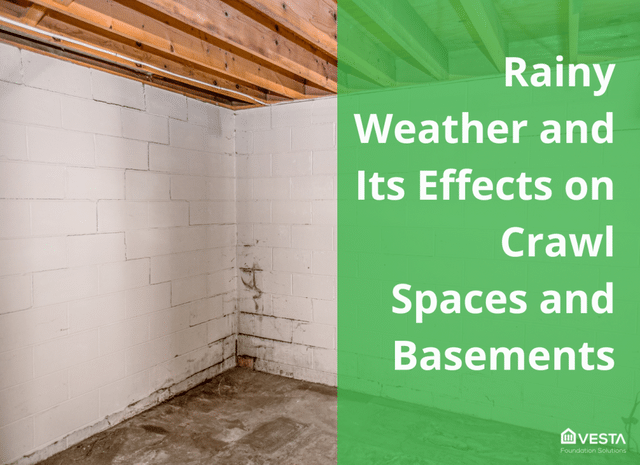
A basement is a full-height story of a home that is built either partially or entirely below ground. Because of their depth and construction, basements are often considered “conditioned” spaces, meaning they are typically heated and cooled along with the rest of the house. This integration makes them suitable for more than just storage; many homeowners finish their basements to create extra living areas like bedrooms, home gyms, or entertainment rooms. However, their below-ground location also makes them a primary target for water intrusion from rain and soil saturation.
Key Characteristics
You’ll know you have a basement if you can walk down a full flight of stairs into a space with a ceiling height of around eight feet or more. The walls are typically made of poured concrete or concrete blocks, forming a solid foundation that supports the entire house. While this sturdy construction is a major benefit, it’s also susceptible to hydrostatic pressure from water in the surrounding soil. This pressure can lead to cracks and leaks, making professional basement waterproofing a critical defense against moisture problems.
Conditioned vs. Unconditioned Space
Because basements are connected to your home’s heating and cooling systems, they are considered conditioned spaces. This helps regulate temperature and humidity, making the area more comfortable and usable year-round. However, this doesn’t make them immune to moisture issues. High humidity, condensation, and leaks can still occur, creating an environment where mold and mildew can thrive. Maintaining a dry basement is essential not only for the space itself but for the overall air quality and health of your entire home.
What is a Crawl Space?
A crawl space is a short, unfinished area located between the ground and the first floor of your home. Unlike a basement, you can’t stand up in a crawl space—its height is typically between one and three feet, just enough room to crawl through (hence the name). This “unconditioned” space is not connected to your home’s HVAC system. Its primary functions are to elevate the home off the ground to protect it from moisture and to provide easy access to the home’s plumbing, electrical, and HVAC systems for maintenance and repairs.
Key Characteristics
The most defining feature of a crawl space is its low height. The floor is often exposed earth or covered with a thin vapor barrier. Because crawl spaces are often vented to the outside air, they are highly susceptible to humidity, moisture, and temperature fluctuations. These conditions can lead to a host of problems, including wood rot, pest infestations, and mold growth, which can compromise your home’s structural integrity and air quality. Proper crawl space repair and encapsulation are key to controlling this environment.
Utility Access
One of the main benefits of a crawl space is the convenient access it provides to your home’s essential systems. Plumbers, electricians, and HVAC technicians can easily get to pipes, wiring, and ductwork without having to cut through walls or floors. While this is a practical advantage, it also means that any issues in the crawl space—like leaks or high humidity—can directly affect these vital systems. A damp crawl space can cause ductwork to rust, leading to poor indoor air quality and inefficient heating and cooling.
What About Slab Foundations?
Not every home has a basement or a crawl space. Many homes, particularly in Oklahoma, are built on a slab foundation. This is essentially a single, thick layer of concrete that is poured directly onto the ground. The home is then built right on top of this slab. It’s a simpler and often more straightforward foundation type. However, slab foundations are not without their own set of potential issues. Shifting soils can cause the slab to crack or settle, and plumbing leaks beneath the slab can lead to significant water damage and structural problems over time.
Key Differences and Considerations
Choosing between a home with a basement versus one with a crawl space often comes down to regional building practices, but understanding their differences is important for any homeowner. Each foundation type offers distinct advantages and requires a unique approach to maintenance and care. Factors like usable space, accessibility, and susceptibility to weather-related issues all play a role in the long-term health of your home. Knowing what to look for can help you stay ahead of potential problems and protect your investment.
Usable Space and Home Value
The most obvious difference between a basement and a crawl space is the amount of usable space they provide. A basement can potentially double the square footage of a home, offering ample room for storage or additional living areas. This extra space can significantly contribute to a home’s overall value and functionality. A crawl space, on the other hand, is purely utilitarian. It serves its purpose of elevating the home and housing utilities but offers no potential for conversion into a living area, limiting its direct impact on day-to-day life.
Accessibility and Safety
Basements are easily accessible via a staircase, making it simple to use the space for storage or recreation. Crawl spaces, however, are often difficult to enter and move around in, which can make inspections and repairs challenging. From a safety perspective, both foundation types are vulnerable to water. Basements can be prone to significant flooding during heavy rains, while crawl spaces are notorious for chronic dampness, humidity, and mold growth. Both require proactive measures to manage moisture and ensure the space remains safe and structurally sound.
Climate and Regional Factors
Local climate and soil conditions heavily influence foundation performance. Here in Oklahoma, we experience everything from heavy rainfall to periods of drought, which causes our expansive clay soil to swell and shrink dramatically. This constant soil movement puts immense pressure on all foundation types. Whether you have a basement, crawl space, or slab, this shifting can lead to cracks, settlement, and water intrusion. Understanding how our regional climate affects your specific foundation is key to implementing the right protective measures and maintaining your home’s stability.
Upkeep and Common Issues
Both basements and crawl spaces require regular attention to stay in good condition. For basements, this means checking for wall cracks, signs of leaks, and ensuring sump pumps are working correctly. For crawl spaces, it involves monitoring for moisture, checking for pests, and ensuring vapor barriers are intact. Ignoring these spaces can lead to serious issues like foundation damage, wood rot, and poor indoor air quality. If you notice musty smells, visible mold, or water stains, it’s a sign that it’s time for a professional look. A thorough inspection can identify the root cause of the problem.
The Challenges of Heavy Rain on Crawl Spaces and Basements
Heavy rainfall increases the risk of water intrusion, humidity issues, and structural damage in crawl spaces and basements. Below, we’ll explore these challenges in more detail.
1. Water Intrusion and Flooding
Crawl Spaces:
During heavy rainstorms, water can infiltrate crawl spaces through foundation vents, cracks, and poorly sealed gaps. Excess moisture often seeps up from the soil, leading to standing water beneath your home. Without proper drainage or encapsulation, this water can accumulate and cause long-term damage.
Basements:
Basements are particularly prone to water intrusion during heavy rain due to hydrostatic pressure, which builds up when the ground becomes saturated. This pressure forces water through cracks in basement walls and floors, causing dampness, puddles, or even severe flooding. Older homes with aging foundations are especially at risk.
2. Mold and Mildew Development
Crawl Spaces:
Heavy rainfall can elevate humidity levels in crawl spaces, creating the perfect breeding ground for mold and mildew. Mold can grow on wooden beams, insulation, and other materials, compromising the structural integrity of your home.
Basements:
A damp basement is also a haven for mold. If moisture levels remain unchecked, mold growth can quickly spread across walls, floors, and even personal belongings. This not only causes musty odors but also poses health risks, particularly for those with asthma or allergies.
3. Structural Compromise
Crawl Spaces:
Excess moisture can weaken wooden supports, causing them to rot. Over time, this leads to sagging floors and compromised structural integrity. Additionally, moisture attracts pests like termites, which further degrade wood and cause additional damage.
Basements:
Persistent exposure to rainwater can weaken basement walls and floors. Cracks may widen, leading to more significant water leaks. Over time, these issues can compromise your foundation, leading to costly repairs.
4. Pest Infestations
Crawl Spaces:
The damp, dark environment of a crawl space attracts pests like termites, rodents, and insects. Termites are particularly drawn to moist wood, which can result in extensive damage if left unchecked.
Basements:
Basements also attract pests when high humidity levels persist. Cockroaches, silverfish, and rodents are common basement pests that thrive in damp conditions. Keeping your basement dry is key to preventing these unwanted guests from invading your home.
5. Increased Energy Costs
Crawl Spaces:
When crawl spaces are exposed to moisture from heavy rain, insulation becomes less effective. As a result, your heating and cooling systems must work harder to regulate indoor temperatures, increasing your energy bills.
Basements:
A humid basement can similarly disrupt energy efficiency. Moisture-laden air requires more energy to heat or cool, driving up energy costs. Addressing moisture issues in your basement can improve overall energy efficiency and reduce utility bills.
How to Protect Your Crawl Space and Basement from Rainwater Damage
Taking proactive measures to safeguard your crawl space or basement is essential, especially in regions prone to heavy rainfall. Here are some solutions to protect these areas from water damage:
For Crawl Spaces:
Install a Vapor Barrier: A vapor barrier helps prevent moisture from seeping into your crawl space from the soil beneath.
Encapsulate the Crawl Space: Sealing off crawl spaces from outside air reduces humidity levels and minimizes water intrusion.
Use a Dehumidifier: Keeping humidity levels below 60% can prevent mold growth.
Address Standing Water Immediately: If you notice puddles or damp spots in your crawl space after a rainstorm, take action to remove the water and identify the source.
For Basements:
Install a Sump Pump: A sump pump helps manage water levels in your basement by automatically removing excess water during heavy rain.
Seal Cracks and Apply Waterproof Coatings: Sealing cracks in basement walls and applying waterproof coatings can help prevent water from seeping inside.
Improve Drainage Around Your Home: Ensure that your gutters and downspouts are clean and directing water away from your foundation.
Use a Dehumidifier: Like crawl spaces, basements should maintain humidity levels below 60% to discourage mold and mildew growth.
Why Crawl Space and Basement Maintenance is Crucial After Heavy Rain
When left unchecked, rainwater damage in crawl spaces and basements can result in:
- Foundation cracks and structural weakening
- Mold and mildew growth
- Pest infestations
- Increased energy bills
- Costly repairs
Regular inspections, moisture control solutions, and rainproofing strategies can help you avoid these issues.
The Role of Drainage Systems in Preventing Water Damage
One of the most effective ways to protect your home from rainfall-related damage is by improving your property’s drainage systems.
- Gutters and Downspouts: Ensure that rainwater is directed away from your foundation.
- French Drains: These drainage systems help redirect water away from your home’s foundation, reducing the risk of basement flooding.
- Grading: Make sure your yard slopes away from your home to prevent water from pooling near your foundation.
Final Thoughts: Stay Ahead of Water Damage with Proactive Maintenance
Heavy rain can pose significant risks to crawl spaces and basements, but with the right preventative measures, you can protect your home from water damage. Addressing potential vulnerabilities before the next downpour will help you avoid costly repairs, improve energy efficiency, and ensure a safe, healthy living environment.
By investing in waterproofing solutions, drainage improvements, and regular inspections, homeowners can effectively safeguard their property from the harmful effects of rainfall.
Frequently Asked Questions
What are the earliest warning signs of a water problem in my basement or crawl space? Beyond finding an actual puddle, some of the first clues are often subtle. You might notice a persistent damp or musty smell, especially after it rains. Other signs include dark stains or a chalky white substance on basement walls, peeling paint, or wooden support beams in a crawl space that feel damp to the touch. Warped or bouncy floors on your home’s main level can also indicate moisture issues below.
Is a musty smell coming from my crawl space or basement really a serious issue? Yes, that smell is a red flag. It’s typically caused by mold and mildew, which thrive in damp, dark environments. While the odor itself is unpleasant, the bigger concern is what’s causing it. Unchecked moisture can lead to wood rot and structural damage. Plus, mold releases spores that can circulate throughout your home, impacting your indoor air quality.
My house is built on a concrete slab. Do I still need to worry about heavy rain? You do. While you don’t have a space below ground that can flood, heavy rain still poses a risk. When the soil around your home becomes saturated, it can swell and shift, putting pressure on your slab foundation and potentially causing it to crack or settle. Poor drainage can also cause water to pool around the edges of your home, where it can seep in and damage your flooring and walls.
I have a dehumidifier running. Isn’t that enough to solve moisture problems? A dehumidifier is an excellent tool for controlling the humidity level in the air, but it doesn’t address the root cause of the problem. It can help make a damp space feel drier, but it can’t stop water from seeping through your foundation walls or rising from the ground. To truly protect your home, you need to prevent the water from getting inside in the first place.
How exactly does Oklahoma’s soil contribute to these water issues? Our region is known for its expansive clay soil, which acts a lot like a sponge. When we get heavy rain, the clay absorbs a massive amount of water and swells, pushing against your foundation with incredible force. During dry periods, it shrinks and pulls away. This constant cycle of expanding and contracting can create cracks and gaps in your foundation, giving water an easy path into your home.
Key Takeaways
- Know Your Foundation Type: Whether you have a basement or a crawl space determines how your home handles heavy rain, so identifying what’s beneath your floors is the first step toward proper protection.
- Moisture Causes More Than Just Puddles: Rainwater intrusion doesn’t stop at wet floors; it can lead to serious issues like mold, pests, wood rot, and poor air quality that affect your entire home.
- Be Proactive with Water Management: You can protect your property by managing water both inside and out. This includes ensuring your yard slopes away from the house, sealing foundation cracks, and using tools like sump pumps and dehumidifiers to control moisture.
Related Articles
- Rainy Weather and Its Effects on Crawl Spaces and Basements: How to Protect Your Home from Water Damage
- Protecting Your Crawl Space with the Vesta Encapsulation Liner®
- Managing Water at the Source: Crawl Space Drainage Solutions
- Hidden Dangers Of Flooded Crawl Spaces
- Managing Crawl Space Water with Sump Pump Systems
- Crawl Space Encapsulation in Oklahoma: What Every Homeowner Needs to Know