
Finding a crack in your foundation is alarming, but are foundation cracks normal? Sometimes. A crack is a clue, but it’s rarely the whole story. To understand what’s really going on, you have to look for other evidence—like doors that suddenly stick, floors that feel uneven, or new gaps near your window frames. Learning to read these signs is the key to knowing when to worry about foundation cracks. We’ll show you exactly what to look for, helping you identify the foundation cracks to be concerned about and decide when it’s time to call in a professional. If you’re already planning repairs, our foundation repair timeline guide explains how long each type of repair takes.
Key Takeaways
- Learn to read the cracks: The shape and size of a foundation crack reveal its severity. Horizontal and stair-step cracks signal serious pressure, while thin vertical cracks are less urgent, but anything wider than a quarter-inch requires a professional opinion.
- Connect the dots with other warning signs: A foundation crack is often accompanied by other clues around your home. Pay attention to issues like sticking doors, uneven floors, and leaning chimneys, as these symptoms together point to a larger structural problem.
- Control water to protect your foundation: Most foundation problems start with water, especially in Oklahoma’s clay soil. You can prevent many issues by improving yard drainage, keeping gutters clean, and ensuring downspouts direct water far from your home.
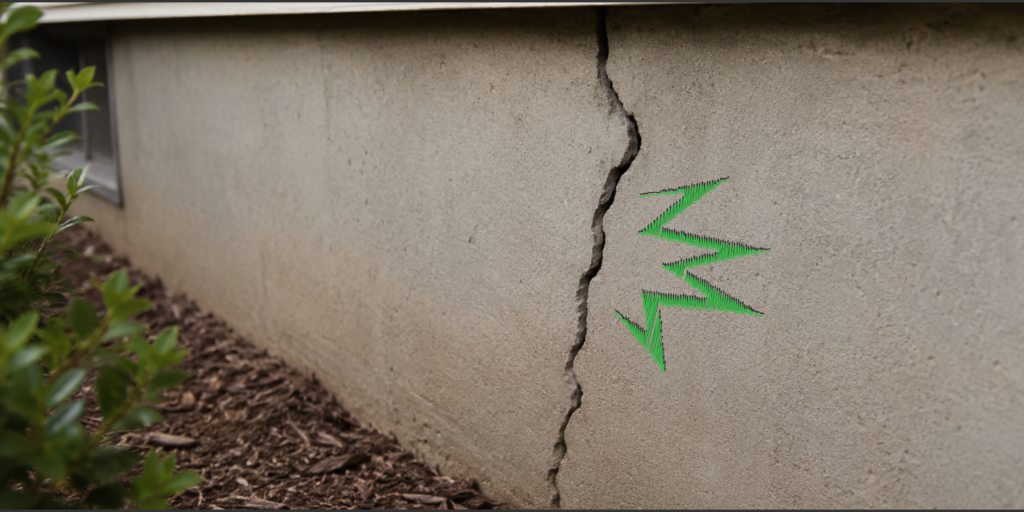
Are Foundation Cracks Normal? A Guide to What They Mean
Finding a crack in your foundation can feel alarming, but not all cracks signal a disaster. Think of them as messages from your home, telling you what’s happening beneath the surface. The key is learning to interpret what they mean. The direction, size, and location of a crack can tell you a lot about its cause and severity. Let’s walk through the four most common types of foundation cracks you might find and what each one is trying to tell you about your home’s health.
What Vertical Cracks Mean for Your Foundation
Vertical cracks run straight up and down, or close to it. These are often the least worrisome type of crack you can find. They typically appear as your home goes through its natural settling process over time. While they might look a bit unsightly, a thin vertical crack is usually not a structural threat. The main thing to watch for is moisture. If you notice water seeping through or the crack is getting wider, it’s a sign that it needs a closer look. A professional can seal the crack to prevent water intrusion and confirm there isn’t a deeper foundation repair issue at play.
Why Horizontal Cracks Are a Major Red Flag
If you spot a horizontal crack running along your foundation wall, take it seriously. This is one message you don’t want to ignore. Horizontal cracks are almost always a sign of a structural problem. They are caused by intense pressure from the soil and water outside pushing against your foundation. This pressure can cause your walls to bow inward and can eventually lead to foundation failure. Because these cracks point to a significant structural threat, they require immediate attention from an expert. Don’t wait for it to get worse; it’s best to schedule a free inspection right away to assess the damage.
What Diagonal Cracks Reveal About Your Foundation
Diagonal cracks run at an angle, typically somewhere between 30 and 75 degrees. These cracks are a sign that your foundation is settling unevenly. This means one part of your home is sinking lower than another, which puts stress on the foundation and causes it to crack. A diagonal crack can be minor or severe, depending on its width and whether it’s still growing. A wider crack that continues to expand over time is a clear indicator of an ongoing settlement problem. If you notice a diagonal crack, it’s a good idea to have a professional determine the cause of the uneven settling and recommend a solution for your home’s foundation repair.
Spotting Stair-Step Cracks in Your Brickwork
Stair-step cracks look just like their name suggests: they follow the mortar joints between concrete blocks or bricks in a jagged, upward line. These are a specific type of diagonal crack and are a serious warning sign of structural issues. Like diagonal cracks, they indicate uneven foundation settlement, often caused by soil that is shrinking, expanding, or washing away. Given Oklahoma’s expansive clay soil, these are unfortunately common. Because stair-step cracks represent a significant threat to your foundation’s stability, they should always be evaluated by a professional. An expert can identify the root cause and prevent further damage, so we recommend scheduling a free inspection as soon as you spot one.
Minor Crack or Major Problem? How to Tell the Difference
Finding a crack in your foundation can feel like a five-alarm fire, but don’t panic just yet. While some cracks are definitely a sign of trouble, others are perfectly normal results of your house settling over time. The trick is knowing how to spot the difference between a minor cosmetic issue and a major structural problem that needs attention. Here in Oklahoma, our expansive clay soil can cause a lot of movement, making some small cracks inevitable. So, how do you know when to worry? It comes down to playing detective with your home. By looking at a few key details, you can get a much better idea of what you’re dealing with and whether it’s a simple fix or something more serious. Pay close attention to the crack’s size, its location and pattern, and whether it’s changing over time. These three clues will help you decide if it’s time to request a free inspection and get a professional opinion from someone who’s seen it all. Learning to read these signs is the first step toward protecting your home’s value and your peace of mind, so you can stop worrying and start finding a solution.
Start by Measuring the Crack’s Width
Size is one of the first and most important clues. As a general rule, tiny hairline cracks are usually nothing to worry about. But when they start to get wider, it’s time to pay attention. Grab a tape measure and check the width. Any crack wider than a quarter of an inch is a clear signal that you should seek a professional opinion, as it could point to a serious structural issue. Even cracks wider than an eighth of an inch deserve a closer look. If a crack is large enough to slide a dime into, it’s time to stop watching and start acting on a foundation repair plan.
Understanding Crack Widths (Hairline vs. Structural)
Let’s break down what those widths really mean. Hairline cracks are just what they sound like—super thin lines that often appear as concrete cures and your home settles. Think of them like a small scratch on a car’s paint; it’s a surface-level imperfection, not a sign that the door is about to fall off. These tiny cracks are cosmetic and don’t typically point to a structural problem. The real concern begins when these cracks start to widen. A great rule of thumb is the quarter test: if a crack is wide enough to fit a quarter into it (about 1/4 inch), it’s a clear signal that you’re likely dealing with more than just normal settling. This width suggests there could be significant pressure or movement affecting your home, which is why it’s so important to get a professional opinion. An expert can determine the cause and give you a clear path forward.
Examine the Crack’s Location and Pattern
Not all cracks are created equal, and their direction can tell you a lot about the forces acting on your foundation. Horizontal cracks are the most concerning. These usually mean that outside pressure from soil or water is pushing your foundation walls inward, which can lead to serious failure if not addressed. Diagonal cracks, often appearing near corners, typically suggest that one part of your foundation is settling faster than another. While vertical cracks can also be a sign of settling, they are generally less severe than their horizontal or diagonal counterparts. Understanding these patterns helps you interpret what your home is trying to tell you.
Cracks on Walls vs. Floors
The location of a crack offers major clues about what’s happening with your foundation. When you see cracks on your walls, especially horizontal ones, it’s a serious warning. These cracks are typically caused by immense pressure from the soil and water outside pushing against your foundation, causing the walls to bow inward. This isn’t just a cosmetic issue; it’s a direct threat to your home’s structural integrity. On the other hand, cracks appearing on your floors often tell a different story. Diagonal cracks on a concrete slab floor are a classic sign of uneven foundation settlement, meaning one part of your home is sinking faster than another. While different in cause, both types of cracks indicate that your foundation is under stress and needs a closer look to determine the right foundation repair solution.
Is the Crack Getting Bigger Over Time?
A crack that stays the same is one thing; a crack that’s actively growing is another. An evolving crack is a sign of an ongoing problem that needs to be addressed. If you’ve spotted a new crack, it’s a good idea to monitor it. You can take a picture of it with a ruler next to it for scale or mark the ends with a pencil and write down the date. Check back every month or so to see if it has gotten longer or wider. If you notice any changes, or if the crack starts letting in water or musty smells, it’s a clear sign that you need to schedule an inspection sooner rather than later.
Identifying Active Cracks
The best way to determine if a crack is a symptom of an ongoing issue is to see if it’s “active,” meaning it’s changing over time. To do this, you can set up a simple monitoring system. Use a pencil to draw small marks at the very ends of the crack and write the date next to them. Another great method is to take a clear photo with a ruler placed next to the crack for scale. Check back on it every month or so. If you see the crack has extended past your pencil marks or has become wider, you’re looking at an active problem. Any change, big or small, is a sign that the forces causing the crack are still at work, and it’s time to schedule an inspection to find out why.
More Than Just Cracks: Other Warning Signs to Look For
Foundation cracks are often the most obvious sign of trouble, but they rarely show up alone. Your home usually sends out other signals that its foundation is under stress. Think of it like a detective story: the crack is a major clue, but the other signs you find around your property help you solve the mystery of what’s really going on. Paying attention to changes both inside and outside your house will give you a much clearer picture of your foundation’s health. When you spot a crack, take a walk around and look for these other common red flags.
Warning Signs to Look for Inside Your Home
Have you noticed that certain doors or windows in your house suddenly stick or refuse to close properly? This is a classic sign of foundation movement. As the foundation shifts, it can warp the frames, making them misaligned. You might also see gaps appearing between your walls and the ceiling or floor. Take a walk through your home and pay attention to the floors. Do they feel bouncy, sloped, or uneven under your feet? These subtle changes indicate that the structure supporting your home is no longer level. A comprehensive foundation repair plan addresses these related issues, not just the visible cracks.
Warning Signs to Look for Outside Your Home
The clues don’t stop at your front door. Take a look at your home’s exterior. Is your chimney leaning or pulling away from the house? Check the alignment of your brickwork or siding; you might notice new, uneven gaps around window frames or your garage door. Another telltale sign is when the soil seems to be pulling away from the foundation walls, creating a space where water can pool. Look closely at the foundation walls themselves. If you see any bulging or bowing, it’s a serious indicator of pressure from the surrounding soil. When you see these signs, it’s time to get a professional opinion by scheduling a free inspection.
Don’t Ignore Signs of Water Damage
Water and foundations are not a good mix. If you notice a persistent musty smell in your basement or crawl space, don’t ignore it. This often points to moisture getting in through the foundation. Look for damp spots on the walls, peeling paint, or chalky white residue, which are all signs of water seepage. In more advanced cases, you might see visible mold growth or even puddles on the floor after it rains. Water can widen existing cracks and weaken your home’s structure over time. Effective basement waterproofing is essential to protect your foundation and keep your home dry and healthy.
Beyond Structural Damage: Other Risks to Consider
A crack in your foundation is more than just a structural concern; it’s an open door for a host of other problems that can affect your home’s health and your family’s well-being. While you might be focused on the stability of your walls, these openings can allow moisture, pests, and even invisible gases to make their way inside. These secondary issues can sometimes be just as serious as the structural damage itself. Addressing foundation cracks isn’t just about protecting your property’s integrity—it’s also about maintaining a safe and healthy living environment from the ground up.
Pest and Rodent Intrusion
Even a small crack in your foundation can look like a welcome mat to insects and rodents. Pests are always searching for a way to get inside for shelter and food, and a compromised foundation gives them the perfect entry point. Once inside, critters like termites, ants, and mice can cause further damage to your home’s wooden structures and insulation. A properly sealed foundation and an effective crawl space repair strategy are your best lines of defense, creating a barrier that keeps unwanted guests out and protects your home from the inside out.
Radon Gas Seepage
One of the most serious unseen risks is radon, a naturally occurring radioactive gas that can seep into your home from the soil. Because it’s odorless and invisible, you won’t know it’s there without testing. Foundation cracks provide a direct pathway for radon to enter and accumulate in your home, particularly in basements and lower levels. Long-term exposure to high levels of radon is a significant health concern. Sealing cracks through professional foundation repair and waterproofing is a critical step in reducing radon entry points and ensuring the air you breathe is safe.
When Should You Call a Foundation Repair Professional?
Knowing whether a crack in your foundation is a simple cosmetic flaw or a sign of a serious structural problem can be stressful. While small, hairline cracks are often a normal part of a house settling over time, some signs are too important to ignore. Your home has ways of telling you when something is wrong, and learning to spot these clues can save you from much bigger headaches down the road. If you’re on the fence, remember that it’s always better to be safe than sorry. A professional evaluation can give you a clear picture of what’s happening beneath your home and provide the peace of mind you need. The following are clear indicators that it’s time to stop wondering and request a free inspection from a specialist.
If the Crack Is Wider Than a Quarter Inch
Size is one of the most straightforward ways to gauge the severity of a foundation crack. As a general rule, any crack wider than a quarter of an inch deserves immediate attention from a professional. If you can slide a quarter into the gap, it’s a sign that the issue is likely more than just cosmetic settling. These larger cracks often indicate significant pressure on your foundation, which could be caused by soil movement or structural strain. Ignoring them can allow water to seep in, leading to moisture problems, and can compromise the stability of your home. Think of it as a clear signal that your foundation needs a professional assessment to determine the underlying cause.
If You Notice Other Issues (Like Sticking Doors)
Sometimes, the most telling sign isn’t a single crack but a collection of different issues happening around your home. If you’ve noticed a foundation crack along with other problems, it’s time to connect the dots. Pay attention to warning signs like doors and windows that suddenly stick or won’t close properly, floors that feel uneven or bouncy, or visible gaps appearing between your walls and ceilings. You might also see a chimney that has started to lean. One of these issues on its own might not be alarming, but when they appear together, they often point to a larger, systemic problem with your home’s foundation support. These are your home’s symptoms, and they call for a professional diagnosis.
If the Crack Is Actively Growing
A static crack that has been the same for years is less concerning than one that is actively changing. If you spot a new crack, it’s a good idea to monitor it. You can mark the ends with a pencil and date it, then take photos periodically to track its progress. Any crack that gets longer, wider, or begins to let in moisture or musty smells is a major red flag. According to experts, you should watch any cracks closely and act if they show any signs of change. A growing crack signals an ongoing and active problem with your foundation, meaning the pressure or movement causing it is still happening. This isn’t a “wait and see” situation; it’s a clear sign to call for help right away.
Who to Call: Structural Engineer vs. Foundation Repair Company
When you suspect a foundation issue, figuring out who to call can be confusing. Think of it this way: a structural engineer is like a doctor who diagnoses the problem, providing an unbiased assessment of your home’s structural integrity. A foundation repair company, on the other hand, is the specialist who performs the solution. While an engineer can be valuable for complex situations, a reputable company like Vesta Foundation Solutions is often the best place to start. We specialize in identifying the root cause of foundation problems and have the tools and expertise to fix them. Our team can assess the situation during a free inspection and determine the right course of action, giving you a clear path forward without the guesswork.
How Much Foundation Movement Is Normal?
It might surprise you to learn that a little bit of foundation movement is completely normal. All houses settle over time, especially with Oklahoma’s shifting clay soils. A small amount of movement is expected; for example, a 10-foot-tall wall is generally allowed to move about a quarter of an inch without it being a cause for concern. The problem arises when that movement becomes excessive. The key is knowing how to spot the difference between normal settling and a real structural issue. If you see large cracks appearing, or if you notice other warning signs like sticking doors and uneven floors, the movement has likely crossed the line from normal to problematic. This is when it’s time to get a professional opinion on a foundation repair plan.
What Causes Foundation Cracks in Oklahoma Homes?
If you’ve spotted a crack in your foundation, your first question is probably, “How did this happen?” Understanding the root cause is the key to finding the right solution. In Oklahoma, our homes face a unique set of challenges that can put a strain on their foundations. From the very soil your house is built on to the way water flows around your property, several factors can contribute to foundation stress. Knowing what you’re up against can help you make more informed decisions about protecting your home.
The Problem with Oklahoma’s Expansive Clay Soil
Much of Oklahoma is built on expansive clay soil, which acts like a sponge. During our rainy seasons, this soil absorbs water and swells, pushing up against your foundation. Then, during hot, dry spells, the clay shrinks and pulls away, leaving gaps. This constant cycle of swelling and shrinking creates powerful movement that your foundation has to endure year after year. Over time, this immense pressure can cause the concrete to crack and shift. If your home is struggling with this soil movement, professional foundation repair is often necessary to stabilize it and prevent further damage.
How Poor Drainage Can Damage Your Foundation
Water is one of the biggest threats to a healthy foundation, especially when combined with our clay soil. If your property has poor drainage, water can pool around your home’s base. Clogged gutters, downspouts that release water too close to the house, or a yard that slopes toward your foundation all contribute to the problem. This excess moisture super-saturates the soil, dramatically increasing the pressure against your foundation walls. This hydrostatic pressure can easily lead to cracks, bowing walls, and water intrusion. Proper basement waterproofing and drainage solutions are critical for directing water away from your home.
Is It Normal Settling or a Bigger Problem?
Every house settles a bit over time as it sinks into the ground. This is a normal process that can cause small, thin vertical cracks, which are usually not a major concern. A serious structural shift, however, is different. This happens when the soil beneath your foundation moves unevenly, causing one part of your home to drop lower than another. This differential movement is often caused by the soil and water issues we’ve discussed. It creates much more dangerous cracks, like wide diagonal or horizontal ones, and requires immediate attention. If you’re not sure what you’re seeing, it’s always best to get a free inspection.
Cracks from Concrete Curing and Shrinkage
When your home was built, the concrete in your foundation went through a drying process called curing. As concrete cures, it naturally shrinks, and this process can sometimes create small, hairline cracks. These are often referred to as shrinkage cracks and are a completely normal part of a home’s life cycle. While they might catch your eye, they typically don’t indicate a structural problem. This is because concrete naturally shrinks as it hardens, making these tiny cracks a common sight. However, it’s still wise to keep an eye on them. Any crack can be a potential entry point for moisture, so if you notice one getting wider or showing signs of water seepage, it’s a good idea to have it looked at to ensure a minor issue doesn’t become a bigger one.
The Impact of Temperature Changes
Oklahoma’s weather is anything but predictable, and the constant temperature swings can take a toll on your foundation. Concrete, like many materials, expands when it gets hot and contracts when it gets cold. This constant movement can create new stress cracks or worsen existing ones, especially when combined with our state’s unique soil conditions. During our cold winters, any moisture that has seeped into these tiny cracks can freeze. When water freezes, it expands with incredible force, acting like a wedge that pushes the crack wider. This freeze-thaw cycle can turn a minor crack into a significant problem over time, compounding the issues caused by our expansive clay soil and making professional solutions essential for long-term stability.
Common Myths About Foundation Cracks, Debunked
It’s easy to fall for common myths about foundation cracks. Some people believe every single crack is a sign of a catastrophe, while others dismiss them all as “normal settling.” The truth is somewhere in the middle. If you spot cracks that concern you, learn whether your homeowners insurance covers foundation repair before you call a contractor. Not all cracks are emergencies, but no crack should be completely ignored. A hairline crack in your garage floor is very different from a horizontal crack in your basement wall. The key is to understand what the crack is telling you based on its size, shape, and location. Ignoring a warning sign can lead to more extensive and expensive repairs down the road, so it’s better to be safe than sorry.
A Simple Way to Monitor Foundation Cracks
Once you spot a crack, it’s easy to feel a little panicked. But before you assume the worst, your first step is to become a detective. Monitoring a crack over time gives you valuable information about whether it’s a harmless cosmetic issue or a sign of a bigger problem. Keeping a simple log will help you track any changes and provide essential details if you need to call a professional. This process doesn’t have to be complicated, but it does need to be consistent. By documenting the crack’s progress, you’re taking a proactive step toward protecting your home’s integrity and your peace of mind. Think of it as gathering clues; the more you have, the clearer the picture becomes, which is invaluable when considering foundation repair.
The Right Way to Measure a Crack
To track a crack accurately, you need a consistent method. Start by grabbing a pencil and a ruler or tape measure. Mark the exact ends of the crack with small pencil lines and write the date next to them. This creates a clear starting point. Next, measure the crack’s width at its widest point and jot that down in a notebook or a note on your phone, along with the date. Repeat this process every month or so. This simple habit will quickly show you if the crack is growing in length or width. If you notice any significant changes from one month to the next, you’ll have concrete data to share with a foundation specialist.
Take Clear Photos and Keep Good Notes
A picture is truly worth a thousand words when it comes to foundation issues. Each time you measure the crack, take a few clear, well-lit photos. For context, place a coin or a ruler next to the crack in your pictures. Try to take the photos from the same angle and distance each time to make comparisons easier. Save these images in a dedicated folder on your computer or phone, and be sure to name the files with the date (e.g., “BasementCrack_07-15-2024”). This visual diary is incredibly helpful because it provides an objective record of any changes. When you schedule a free inspection, you can show these photos to the expert, giving them a complete history of the issue.
Knowing When to Stop Watching and Start Calling
Monitoring is a great first step, but it’s important to know when to hand things over to a professional. If a crack widens to more than a quarter of an inch, it’s time to make a call. You should also seek expert help if you notice the crack is growing rapidly or if new cracks are appearing nearby. Pay attention to other warning signs, too. If the crack is accompanied by sticking doors, uneven floors, or any signs of water seepage, don’t wait. Water intrusion, in particular, can lead to bigger problems like mold and further structural damage, often requiring basement waterproofing. When in doubt, it’s always best to get a professional opinion.
How to Prevent Foundation Cracks Before They Start
The best way to deal with foundation problems is to stop them from happening in the first place. While you can’t control Oklahoma’s clay soil or the weather, you can take several proactive steps to protect your home’s foundation. Think of it as preventative care for your biggest investment. Most foundation issues stem from one thing: water. By managing the water and soil around your home, you can significantly reduce the stress on your foundation. These simple, effective strategies can help you keep your foundation stable and strong for years to come.
Improve Your Yard’s Drainage and Slope
Proper drainage is your foundation’s best friend. The goal is to keep water from pooling around your house. When water saturates the soil, it causes the clay to expand and press against your foundation walls, a process that can easily lead to cracks. The ground around your home should slope away from the foundation, dropping at least six inches over the first ten feet. Take a walk around your property after the next rain to see where water goes. If you see puddles near the house, you may have a grading issue. Also, make a habit of cleaning your gutters and ensuring your downspouts direct water far from the foundation. Sometimes, a simple downspout extender is all you need to prevent serious water intrusion issues.
Manage Landscaping and Troublesome Tree Roots
The beautiful trees and shrubs that add curb appeal to your home can also pose a threat to your foundation. Large tree roots are incredibly powerful and can grow into and underneath your foundation, causing it to shift and crack. During dry spells, these same roots can draw massive amounts of moisture from the soil, causing it to shrink and pull away from the foundation, leading to settling. As a general rule, keep large trees and shrubs planted a safe distance from your home, ideally at least 20 feet. If you have mature trees close to your house, you can install a root barrier to redirect their growth. Thoughtful landscaping not only protects your home but also prevents future headaches and the need for extensive foundation repair.
Easy Maintenance Habits for a Healthy Foundation
Developing a routine for checking on your foundation can help you spot trouble early. Once or twice a year, take a slow walk around your home’s exterior and through your basement or crawl space, looking for any new cracks or changes in existing ones. If you find a small crack, you can mark the ends with a pencil and date it. This makes it easy to see if it’s growing over time. Catching a problem in its early stages is key. If you notice a crack is getting wider or longer, it’s a clear sign that you need a professional opinion. Don’t hesitate to schedule a free inspection to understand what’s happening. An expert can assess the situation and give you peace of mind or a clear plan for action.
Buying a Home? What to Know About Foundation Cracks
Finding your dream home is an exciting journey, but discovering a crack in the foundation can bring that excitement to a screeching halt. It’s easy to imagine the worst-case scenario, but it’s important to remember that not all cracks are a deal-breaker. The key is to approach the situation with a clear head and the right information. Think of yourself as an investigator gathering clues about the home’s history and structural health. Understanding what to look for, from the type of crack to signs of previous work, empowers you to make a smart decision instead of an emotional one. This is especially true when buying a home, as you’re not just evaluating the crack itself, but also how the previous owners handled it. Before you let a crack scare you away from a potentially great home, let’s cover the essential steps you should take to assess the situation like a pro.
Why You Should Never Skip a Home Inspection
A home inspection is your single most important tool when buying a house, especially if you have any concerns about the foundation. While some cracks are just cosmetic, others can be a red flag for serious structural problems. A professional home inspector knows how to tell the difference. They can identify whether a thin vertical crack is from normal settling or if a horizontal or stair-step crack signals significant pressure on the foundation walls. According to foundation experts, these more severe cracks can indicate potential failure. Skipping the inspection is like buying a car without looking under the hood—you’re taking a huge risk. An inspector’s report gives you the leverage to negotiate or the confidence to walk away if the problem is too big.
How to Spot Signs of Previous Repairs
When you’re touring a potential home, keep an eye out for evidence of past foundation work. Seeing signs of a previous repair isn’t always a bad thing; it can mean the former owners were responsible and addressed an issue correctly. Look for clues like steel support beams along basement walls, bolts with wall plates, or cracks that have been sealed with epoxy. These are often indicators of a professional foundation repair job. If you spot these signs, ask the seller for any documentation they have, such as warranties or receipts from the contractor who did the work. This information can give you peace of mind that the problem was handled properly and helps you understand the home’s full history.
Understanding Insurance Coverage and Home Warranties
It’s a common misconception that homeowners insurance will cover any foundation issue that pops up. Unfortunately, that’s rarely the case. Most standard policies only cover damage that is “sudden and accidental,” like a burst pipe flooding the basement. They typically do not cover gradual problems caused by soil settlement or expansion, which are the root of many foundation issues here in Oklahoma. Likewise, many home warranties exclude pre-existing conditions or cracks that result from normal settling. Before you finalize a purchase, it’s crucial to understand what your potential insurance policy covers regarding the foundation. Knowing this upfront protects you from unexpected and significant repair bills down the line.
How We Fix Foundation Problems in Oklahoma
When you find a crack in your foundation, your first thought might be about the cost and complexity of the repair. It’s completely understandable to feel a little overwhelmed. The good news is that a professional approach can demystify the process and ensure the solution is built to last. At Vesta, we don’t believe in guesswork. Every successful foundation repair starts with understanding the unique conditions of your Oklahoma property, from the expansive clay soil beneath your home to the drainage patterns around it. We focus on identifying the root cause of the problem, not just patching up the symptoms. This ensures the solution we provide is the right one for your home’s long-term stability and your peace of mind.
Why You Should Start with a Professional Inspection
Before any work begins, the first and most important step is a thorough, professional inspection. While it might be tempting to watch a video and assess a crack yourself, an expert eye can spot subtle signs that point to a larger issue. A trained specialist can tell if a crack is a simple result of concrete curing or a red flag for a serious structural problem. If you see cracks wider than a quarter-inch, especially if they are horizontal or run in a stair-step pattern, it’s time to call for a professional opinion. We offer a free inspection to give you a clear, honest assessment of your foundation’s health, so you can make an informed decision without any pressure.
Our Foundation Repair Solutions Explained
Once we’ve identified the cause of the foundation issue, we can recommend a specific, targeted solution. Fixing foundation problems early can save you a lot of money and stress in the long run. Depending on your home’s needs, our foundation repair services could involve several proven methods. For settling foundations, we often use steel piers to lift and stabilize the structure, transferring its weight to solid, load-bearing soil. For bowing basement walls, carbon fiber straps or wall anchors can provide the necessary reinforcement to prevent further movement. The goal is always to provide a permanent solution that addresses the underlying problem, giving you a stable and secure home for years to come.
Stabilizing Foundations with Helical and Push Piers
When your home’s foundation is settling unevenly due to Oklahoma’s shifting soil, the solution is to anchor it to stable ground. For settling foundations, we often use steel piers to lift and stabilize the structure, transferring its weight to solid, load-bearing soil deep beneath the surface. Think of them as stilts for your house, bypassing the unstable soil near the surface and resting on a firm layer that won’t move. This process permanently secures your home, preventing further settlement and addressing the root cause of those diagonal and stair-step cracks. It’s a lasting foundation repair method that restores your home’s structural integrity and gives you peace of mind.
Strengthening Bowing Walls with Wall Braces
Horizontal cracks and bowing walls are clear signs that your foundation is under immense pressure from the outside. To counteract this force, we use targeted reinforcement systems. For bowing basement walls, carbon fiber straps or wall anchors can provide the necessary reinforcement to prevent further movement. Carbon fiber straps are incredibly strong and are bonded directly to the wall, distributing the pressure and holding the wall in place. Wall anchors work by connecting a plate on the inside of your basement wall to an anchor placed in stable soil outside, effectively securing the wall. Both solutions are designed to permanently stabilize your walls and stop the bowing from getting worse.
Sealing Cracks with Polyurethane Injections
Once the foundation is stable, it’s important to address the cracks themselves to prevent water from getting in. We use a high-strength polyurethane injection to fill and seal cracks from the inside out. This flexible material expands to fill the entire gap, creating a durable, waterproof barrier that moves with your foundation’s natural adjustments. This not only stops active leaks but also prevents future moisture intrusion, which can lead to mold, musty smells, and further damage. Sealing cracks is a critical final step in any basement waterproofing and foundation repair plan, ensuring your home stays dry and secure for the long haul.
The Dangers of DIY Foundation Repair
When it comes to your home’s foundation, a DIY approach can be a risky gamble. Trying to fix serious cracks with store-bought products like caulk or epoxy fillers is usually just a temporary fix. These methods might cover up the crack, but they don’t solve the real problem causing it, like soil pressure or water issues. This can allow the underlying issue to worsen over time, leading to more extensive and expensive damage. If you see cracks along with other problems like sagging floors or doors that stick, it’s a clear sign that a surface-level patch won’t be enough. Investing in a professional repair protects your home’s value and, most importantly, its structural safety.
Related Articles
- Crack Repair | Foundation Repair & Basement Waterproofing
- Technical Papers | Foundation Repair & Basement Waterproofing
- Understanding the Financial Cost of Home Damage – Foundation Repair & Basement Waterproofing
- Foundation Crack Repair – Foundation Repair & Basement Waterproofing
- Floor Cracks | Foundation Repair & Basement Waterproofing
Frequently Asked Questions
Are all foundation cracks a serious problem?
No. Small hairline or vertical cracks can develop as a home settles. However, horizontal, stair-step, widening, or larger cracks may indicate foundation movement and should be professionally evaluated.
What should I do if I find a new foundation crack?
Document the crack by taking clear photos and measuring its width. Mark the ends with a pencil and add the date so you can monitor whether it grows or changes over time.
Why does Oklahoma’s clay soil cause foundation problems?
Oklahoma’s expansive clay soil swells when it absorbs moisture and shrinks during dry conditions. This repeated movement can create pressure beneath and around your foundation, contributing to settlement, shifting, and cracking.
Can I repair a foundation crack with store-bought sealant?
Sealant may cover a crack, but it won’t correct an underlying foundation problem. If soil movement, drainage, or settlement caused the crack, the source of the problem should be addressed to help prevent additional damage.
Are foundation cracks and sticking doors related?
They can be. Foundation movement can cause parts of your home to shift, potentially affecting door and window frames. If you notice cracks along with sticking doors, uneven floors, or other changes, consider scheduling a professional foundation inspection.