
Many homeowners believe their insurance will automatically cover major home damage. Unfortunately, when it comes to your foundation, that assumption can be a costly one. The problem is that most policies cover sudden and accidental events, but foundation issues often develop slowly from things like soil settlement. This guide clears up the confusion for Oklahoma homeowners. We’ll explain precisely when your insurance covers foundation damage, how to file a claim, and what to do if it’s denied, so you know exactly where you stand.
Foundation cracks, uneven floors, and sticking doors can signal serious structural problems beneath your home. For Oklahoma homeowners dealing with these signs, one of the first questions is often: does homeowners insurance cover foundation repair?
The short answer is that it depends on what caused the damage. Standard homeowners insurance policies cover sudden, accidental events, but they exclude gradual deterioration, settling, and maintenance-related issues. Since Oklahoma’s expansive clay soils and severe weather create unique challenges for foundations, understanding exactly when your policy applies is critical.
This guide breaks down what’s typically covered, what isn’t, how to file a foundation damage claim, and what to do when insurance falls short.
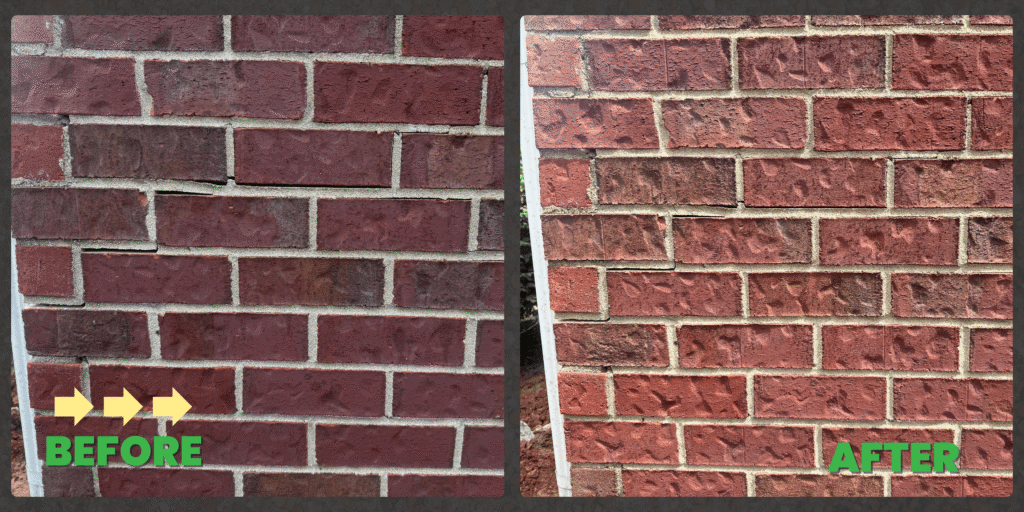
Recognizing the Signs of Foundation Damage
Before you can even think about insurance, the first step is learning to read the signs your home is giving you. Foundation problems rarely appear overnight; they usually start with small, easy-to-miss clues that something is shifting beneath your feet. For homeowners in Oklahoma, this is especially true. Our active, expansive clay soil is constantly swelling and shrinking with the seasons, putting immense pressure on your home’s structural base. Being vigilant and knowing what to look for can make all the difference in catching an issue early, before it evolves into a much larger headache. Think of it as a regular health check-up for your house—proactive awareness is your best tool.
The signs of foundation damage can show up all over your property, not just in the basement or on the exterior walls. You might notice cracks spreading across your interior drywall, particularly over doorways and windows. Or maybe you’ve seen gaps forming between your walls and the ceiling or floor. Even a leaning chimney can be a red flag that the foundation supporting it has moved. These symptoms, from visible cracks to musty odors, are your home’s way of communicating distress. Learning to recognize them is the most critical step you can take to protect your investment and ensure your home remains a safe, stable place for years to come. Let’s look at a couple of the most common indicators.
Stair-Step Cracks in Brick or Concrete
One of the most definitive signs of foundation movement is the appearance of stair-step cracks in your exterior brickwork or concrete block walls. These cracks zigzag diagonally, following the mortar lines, and are a clear indication that a portion of your foundation has likely settled unevenly. You might also notice related issues inside, such as doors that jam or no longer latch properly, windows that are difficult to open and close, or sloping floors. These are all symptoms of the same underlying problem: a shifting foundation that is straining your home’s frame. When you see these types of cracks, it’s a signal that you may need professional foundation repair to stabilize your home and prevent further damage.
A Persistent Mold or Mildew Smell
If you notice a constant musty or earthy smell in your basement or crawl space that doesn’t go away, don’t just dismiss it as dampness. This odor is often caused by mold and mildew, which thrive in moist environments. A persistent smell can indicate that water is seeping into your home through cracks in the foundation. This moisture intrusion not only compromises your home’s air quality but also weakens the structural integrity of your foundation over time. Addressing the source of the water is key, which is why services like basement waterproofing and crawl space repair are so important. If you detect this smell, it’s wise to have an expert inspect your property to identify the source of the moisture and assess the condition of your foundation.
When Does Insurance Cover Foundation Damage?
Your homeowners insurance policy includes dwelling coverage, which protects the physical structure of your home, and that includes the foundation. Under a standard HO-3 policy (the most common type in Oklahoma), your foundation is protected against damage from specific “covered perils.”
Does home insurance cover foundation repair when these perils are involved? Yes, in most cases. Covered scenarios include:
- Fire or smoke damage that weakens your foundation’s structural integrity
- Tornadoes and windstorms — particularly relevant in Oklahoma, where severe storms can shift soil rapidly and damage structures
- Sudden water damage from burst pipes or ruptured plumbing lines beneath the slab
- Falling objects such as trees brought down by storms
- Vehicle impact — a car or truck crashing into your home’s foundation
- Vandalism or intentional damage from criminal activity
- Weight of ice, snow, or sleet — relevant during Oklahoma’s winter ice storms
- Explosions that compromise structural integrity
The key requirement is that the damage must be sudden and accidental. If a tornado rips through your Oklahoma City neighborhood and shifts your foundation, that’s a covered event. If a pipe beneath your slab bursts overnight and washes out the supporting soil, that qualifies too.
Homeowners Insurance vs. Home Warranties
It’s easy to get homeowners insurance and home warranties mixed up. They both offer protection for your home, but they function in completely different ways. Think of homeowners insurance as your shield against unexpected disasters—the big, sudden events like fires, tornadoes, or a burst pipe that floods your basement. It’s designed to help you recover from catastrophic damage to the actual structure of your home. A home warranty, on the other hand, is a service contract. It’s meant to cover the repair or replacement of specific appliances and home systems, like your dishwasher, HVAC unit, or water heater, when they break down from normal use.
This difference is critical when you’re facing potential foundation issues. Homeowners insurance is focused on protecting the structural integrity of your home from specific, named perils. As we covered, if a tornado shifts your house or a sudden plumbing leak erodes the soil beneath it, your insurance policy is what you’ll turn to. However, a home warranty is not designed for this purpose. Its scope is limited to the items listed in the contract, and the core structure of your home is almost never on that list. Understanding this distinction from the start can help you set realistic expectations and know where to turn when you spot trouble.
Why Home Warranties Typically Exclude Foundations
A home warranty is built to handle predictable problems with your home’s systems and appliances due to everyday wear and tear. Your foundation, however, is part of the fundamental structure of your house, and its problems are rarely simple breakdowns. Issues like settling cracks or bowing walls are complex and tied to external factors like soil conditions and water drainage, which fall far outside a warranty’s scope. In fact, as insurance provider Progressive confirms, foundation problems are almost always excluded from home warranty coverage. Relying on a warranty for a structural issue often leads to a denied claim, leaving you right back where you started. Instead of a service contract, these situations require professional foundation repair to properly diagnose and address the root cause, ensuring your home remains safe and stable.
Foundation Problems Your Insurance Won’t Cover
Understanding exclusions is just as important as knowing your covered perils. Will insurance cover foundation repair for these situations? Unfortunately, no. The following causes are almost universally excluded from standard homeowners policies:
Natural Settling and Shifting Soil
The most common cause of foundation problems in Oklahoma is soil-related movement. Oklahoma sits on expansive clay soils that swell when wet and shrink during drought. This constant cycle puts enormous pressure on foundations, but insurance companies consider it a natural, gradual process and exclude it from coverage.
Specifically excluded:
- Foundation settling or shifting over time
- Soil expansion and contraction
- Sinkholes and subsidence
- Landslides and mudflows
Gradual Damage Over Time
As your home ages, your foundation naturally develops minor cracks and shows signs of wear. Insurance treats this as expected deterioration rather than covered damage.
Builder Mistakes and Design Flaws
If your foundation was improperly designed or built with substandard materials, your homeowners policy won’t cover the resulting damage. Your recourse in this case is typically against the original builder or contractor.
Problems Caused by Poor Upkeep
Insurance companies expect homeowners to maintain their property. If you ignored warning signs like small cracks, poor drainage, or pooling water near your foundation, your insurer may deny a claim on the grounds of neglect.
Damage from Termites and Burrowing Animals
Pests and wildlife can cause more than just a nuisance; they can undermine your home’s foundation. Damage that occurs slowly, such as from termites eating away at wooden supports or burrowing animals like moles and groundhogs destabilizing the soil, is typically not covered by homeowners insurance. Insurers view these situations as preventable maintenance issues rather than sudden, accidental events. For example, a termite infestation that compromises the structural elements within your crawl space is considered a gradual problem that could have been addressed with routine pest control. Similarly, if a groundhog digs a burrow that causes a portion of your foundation to sink, the insurer will likely point to it as a long-term issue that falls outside of your policy’s protection.
Issues Caused by Homeowner Negligence
Your insurance policy assumes you will perform regular upkeep to protect your property. If foundation damage results from a lack of maintenance, your claim will almost certainly be denied. This concept, often termed “homeowner negligence,” covers a wide range of scenarios. For instance, if you fail to clean your gutters, causing rainwater to overflow and saturate the soil around your foundation, any resulting cracks or settling won’t be covered. The same applies to ignoring a slow plumbing leak or allowing large tree roots to grow unchecked against your foundation walls. Insurers expect you to manage drainage and address potential threats proactively. Identifying these risks early is key, which is why a professional foundation inspection can help you spot and correct maintenance-related problems before they escalate.
Flooding and Earthquake Damage
Standard homeowners policies in Oklahoma do not cover flood or earthquake damage. These require separate, specialized policies:
- Flood insurance is available through the National Flood Insurance Program (NFIP) or private insurers
- Earthquake insurance is available as a separate policy or endorsement, though earthquake activity has increased in parts of Oklahoma in recent years
When Tree Roots Are the Culprit
If tree roots grow beneath your foundation and cause cracking or shifting, most policies exclude this as a preventable maintenance issue.
Foundation Issues Unique to Oklahoma
Oklahoma’s unique geology and climate create foundation challenges that homeowners in other states may not face. Understanding these factors helps you assess your coverage needs.
The Problem with Oklahoma’s Clay Soil
Much of central and eastern Oklahoma is built on clay-heavy soil that swells significantly when it absorbs water and contracts during dry periods. This seasonal cycle is the leading cause of foundation repair needs in the state. Because this is a gradual, natural process, it’s excluded from standard insurance coverage.
Impact of Tornadoes and Severe Storms
Oklahoma is part of Tornado Alley, and severe weather events can cause sudden, dramatic foundation damage. If a tornado, straight-line winds, or a severe thunderstorm causes foundation damage, this typically falls under covered perils. Document the storm event and connect it directly to the damage when filing your claim.
Damage from Winter Ice Storms
Oklahoma’s winter ice storms can cause trees and heavy ice loads to impact your home and foundation. This damage is generally covered under your standard policy’s “falling objects” and “weight of ice” perils.
From Drought to Downpour: Moisture Changes
Oklahoma experiences dramatic shifts between wet springs and dry summers. While the gradual soil movement caused by these cycles isn’t covered, sudden plumbing failures caused by soil pressure on pipes may qualify for coverage.

Preventative Steps to Protect Your Foundation
Since many common foundation problems aren’t covered by insurance, proactive maintenance is your best defense. Taking a few key steps can help you manage the risks associated with Oklahoma’s challenging soil and weather, protecting your home’s structural integrity for years to come. By staying ahead of potential issues, you can address small concerns before they evolve into significant structural problems. Think of it as a regular health check-up for your home—a little prevention goes a long way in maintaining a stable and secure foundation.
Get an Inspection Before You Buy
If you’re in the market for a new home, never skip the full home inspection. This is your first and best opportunity to identify pre-existing foundation issues that the seller may not have disclosed. A general home inspector can spot red flags like significant cracks, uneven floors, or doors that don’t close properly. If they note any signs of foundation distress, it’s wise to bring in a specialist. A dedicated foundation expert can provide a more detailed assessment, giving you a clear picture of the home’s structural health before you commit to the purchase.
Schedule Regular Foundation Inspections
Even after you’ve moved in, it’s a good practice to have your foundation checked periodically. An annual or biannual inspection by a professional can help you catch problems early. Small cracks or minor shifts can be early indicators of soil movement or water issues that need attention. While you can keep an eye out for warning signs yourself, an expert can identify subtle changes you might miss. Many companies offer a free inspection, providing a no-pressure way to get a professional opinion on your foundation’s condition and ensure everything is stable.
Manage Soil Moisture Around Your Home
Controlling water around your property is one of the most effective ways to protect your foundation. In Oklahoma, the constant cycle of soil swelling with rain and shrinking during drought puts immense stress on concrete slabs and pier and beam systems. Start by ensuring your gutters are clean and that downspouts extend at least five feet away from your house. The ground should also be graded to slope away from your foundation, preventing water from pooling. For persistent moisture problems, especially in basements or crawl spaces, professional waterproofing solutions can offer a more robust defense against water intrusion.
Your Step-by-Step Guide to Filing a Claim
If you believe your foundation damage was caused by a covered peril, taking the right steps immediately improves your chances of a successful claim.
Step 1: Document the Damage
As soon as you notice foundation damage, photograph and video the affected areas from multiple angles. Include close-ups of cracks, gaps, uneven surfaces, and any visible water damage. Date-stamp your documentation.
Step 2: Protect Your Home from More Damage
Take reasonable steps to stop the damage from getting worse. If water is actively flooding, shut off the main water supply. Insurance policies require you to mitigate ongoing damage, and failure to do so can result in a denial.
Step 3: Contact Your Insurance Company
Contact your insurance company within 24 to 48 hours of discovering the damage. Delaying your claim can give your insurer grounds to question the urgency or validity of the damage.
Step 4: Schedule a Professional Inspection
Before your insurance adjuster arrives, consider getting an independent assessment from a licensed foundation repair professional. A structural engineer’s report provides objective documentation that can support your claim. At Vesta Foundation Solutions, we offer free inspections throughout Oklahoma City, Tulsa, Edmond, and surrounding areas that provide detailed assessments of your foundation’s condition.
Step 5: Meet with the Insurance Adjuster
Walk the property with your insurance adjuster. Point out all damage and share your documentation and any professional inspection reports. Ask questions about what they’re evaluating and request a written summary of their findings.
Step 6: Collect Several Repair Quotes
Obtain detailed estimates from licensed foundation repair contractors. Compare these against the adjuster’s assessment. If there’s a significant difference, use the independent estimates to support your claim.
A Note on Insurance-Approved Contractors
Your insurance company might provide a list of “preferred” or “approved” contractors they recommend for repairs. Working with one of these companies can sometimes simplify the claims process, as the insurer is already familiar with their work and pricing structure. However, it’s important to know that you are not obligated to use their contractor. You have the right to choose a licensed professional you trust to handle your foundation repairs. Getting detailed estimates from other reputable companies gives you a clear comparison and helps ensure your claim accurately covers the full scope of necessary work. No matter who you choose, keep detailed records of all communications and agreements to protect yourself throughout the process.
Step 7: Carefully Review Your Settlement Offer
If your claim is approved, review the settlement offer against your actual repair estimates. Make sure the payout covers the full scope of work needed to restore your foundation to its pre-damage condition.
What to Do If Your Insurance Claim Is Denied
Foundation damage claims face denial rates exceeding 40%, often due to documentation gaps or policy exclusions. If your claim is denied, you still have options.
Ask for the Denial in Writing
Your insurance company is required to provide a written explanation for the denial. Review it carefully to understand exactly why the claim was rejected. Common reasons include:
- The damage was classified as gradual rather than sudden
- The cause falls under a specific exclusion (earth movement, settling)
- Insufficient documentation linking the damage to a covered peril
- Maintenance neglect was cited
File an Official Appeal
Most insurance companies have a formal appeals process. Strengthen your appeal with:
- An independent structural engineer’s report that identifies the cause of damage
- Additional photos, videos, and timestamps showing the sudden nature of the damage
- Contractor assessments that connect the damage to a covered event (storm, plumbing failure)
- Weather reports or utility records that support your timeline
Hire a Public Adjuster
A public adjuster works on your behalf (not the insurance company’s) to reassess the damage and negotiate a fair settlement. They charge a percentage of the claim payout but can be valuable when dealing with large or complex claims.
Talk to an Attorney
If you believe your claim was denied in bad faith or the denial doesn’t align with your policy terms, consulting an insurance attorney can help you understand your legal options. Oklahoma has consumer protection laws that regulate how insurance companies handle claims.
Explore Repair Options Anyway
Whether or not your insurance covers the damage, delaying foundation repair only makes the problem worse. Foundation issues never resolve on their own, and waiting can lead to more extensive structural damage throughout your home.
Is It Time for Professional Foundation Repair?
Insurance or not, foundation problems demand attention. Signs that you need a professional assessment include:
- Cracks in interior walls, especially near doors and windows
- Doors and windows that stick or won’t close properly
- Uneven or sloping floors
- Gaps between walls and ceilings or walls and floors
- Cracks in your exterior brick or concrete
- Water intrusion in your basement or crawl space
- A chimney that is leaning or separating from the house
Vesta Foundation Solutions provides free inspections for homeowners across Oklahoma. During your inspection, our team evaluates the scope of the damage, identifies the root cause, and recommends a repair solution backed by a warranty. Our foundation repair services include helical piers, push piers, and foundation wall repair systems designed to stabilize and restore your home’s foundation.
Whether your insurance covers the damage or you’re looking for answers after a denied claim, having a professional assessment gives you the information you need to make an informed decision about protecting your home.
Frequently Asked Questions
Are cracks from settling covered by insurance?
No. Foundation cracks caused by settling are excluded from standard homeowners insurance policies. Settling is considered a natural, gradual process rather than a sudden and accidental event. This includes cracks from soil expansion and contraction, which is especially common in Oklahoma’s clay-rich soil.
What about foundation damage from a burst pipe?
Yes, in most cases. If a pipe bursts suddenly and the resulting water damage affects your foundation, this typically qualifies as a covered peril under your homeowners policy. The key distinction is that the failure must be sudden and accidental, not a slow leak that went undetected over time.
Do I need flood insurance for my foundation?
Standard homeowners insurance does not cover flood damage. However, if you have a separate flood insurance policy through the NFIP or a private insurer, it may cover foundation damage caused directly by flooding. Oklahoma homeowners in flood-prone areas should consider this additional coverage.
Will my policy cover tornado damage to the foundation?
Yes. Tornado damage is a covered peril under standard homeowners insurance policies in Oklahoma. If a tornado or severe windstorm causes sudden foundation damage, your dwelling coverage should apply. Document the storm event and file your claim promptly.
My foundation claim was denied. Now what?
Request a written explanation of the denial, gather additional documentation (structural engineer reports, contractor assessments, weather records), and file a formal appeal. You may also consider hiring a public adjuster to reassess the claim or consulting an insurance attorney if you believe the denial was unjustified.
How can I prevent foundation problems in Oklahoma?
Maintain consistent moisture levels around your foundation by using soaker hoses during dry periods and ensuring proper drainage during wet seasons. Keep gutters clean and direct downspouts at least four feet away from your foundation. Trim tree roots that grow near your home, and address small cracks or drainage issues before they become major problems. Schedule a free inspection with Vesta Foundation Solutions to catch potential issues early.
Key Takeaways
- Know What Your Insurance Actually Covers: Standard homeowners policies cover sudden, accidental damage like a tornado or a burst pipe. They specifically exclude gradual issues caused by soil settlement, poor upkeep, or general wear, which are the most common sources of foundation trouble in Oklahoma.
- Proactive Maintenance is Your Best Strategy: Since insurance won’t cover most foundation problems, prevention is critical. You can protect your home by managing water drainage, watching for early warning signs like cracks or sticking doors, and scheduling regular professional inspections.
- Document Everything if You File a Claim: If you believe a covered event damaged your foundation, act fast. Take detailed photos, notify your insurance company, and consider an independent report from a foundation specialist to strengthen your case.