
That musty smell you can’t quite place. Those surprisingly high energy bills. That constant feeling of dampness in the air. These aren’t just random annoyances; they’re signs of a bigger problem lurking right below your feet. Your crawl space, though out of sight, has a huge impact on your home’s health and comfort. When moisture from damp Oklahoma soil seeps in, it creates a breeding ground for mold, pests, and wood rot. The best solution is a process called crawl space encapsulation. This guide explains what it is, why it’s so effective, and how it completely transforms your home’s environment. Learn more in our crawl space encapsulation services.
Key Takeaways
- Encapsulation protects your entire home: By completely sealing your crawl space with a vapor barrier and dehumidifier, you can improve your home’s air quality, reduce energy bills, and prevent serious issues like mold, pests, and moisture damage.
- This is not a DIY project: Proper encapsulation is a multi-step process that often includes water management, sealing air leaks, and installing specialized equipment. Hiring an experienced professional ensures the system is installed correctly and will protect your home.
- Start with a professional inspection: Before committing to any work, get an expert assessment to understand the full scope of your crawl space issues. This is the best way to get an accurate quote and confirm that encapsulation is the right solution for your home.
Understanding Your Crawl Space
Most of us don’t spend much time thinking about what’s happening beneath our floors. The crawl space is one of those out-of-sight, out-of-mind areas of the house, but it plays a massive role in your home’s overall health. It’s the buffer zone between your living space and the damp Oklahoma ground, and its condition directly affects everything from your indoor air quality to your home’s structural integrity. When problems start in the crawl space, they rarely stay there. Understanding why your home has one and what it’s supposed to look like is the first step toward recognizing when something is wrong and knowing how to fix it. A healthy crawl space leads to a healthier home, plain and simple.
Think of your crawl space as the unseen foundation of your home’s environment. It houses critical systems like plumbing and electrical wiring, and its design was intended to protect the house from ground moisture. However, traditional dirt crawl spaces with open vents often fail at this job, inadvertently inviting in the very moisture, pests, and allergens they were meant to keep out. This can lead to a host of issues that creep up into your living areas. By getting familiar with this often-neglected space, you can take control of your home’s environment and prevent small issues from turning into major structural repairs down the line.
Why Do Homes Have Crawl Spaces?
Builders often choose to construct homes on crawl spaces for a few practical reasons. First, they elevate the house off the ground, which is especially useful in regions with heavy rainfall, as it helps protect the structure from water damage. This design was particularly common in homes built between 1950 and 1970 when speed and efficiency were top priorities for builders. A crawl space foundation was a straightforward and effective way to get a house built. Another major advantage is the easy access it provides to your home’s essential systems, like plumbing, ductwork, and electrical wiring, making maintenance and repairs much more convenient than with a concrete slab foundation.
What Does a Typical Crawl Space Look Like?
If you were to peek into a typical, unconditioned crawl space, you’d find a short, unfinished area, usually between one and three feet high. It’s the space between the ground and the underside of your first floor. Most have dirt floors and are often dark and damp due to moisture seeping in from the surrounding soil. While this design elevates the home, it also creates an environment that can become problematic if it isn’t properly managed. This dampness can lead to musty odors, mold growth, and pest infestations, all of which can impact your home’s air quality and structural stability. A professional can assess the unique conditions of your space during a free inspection.
What Is Crawl Space Encapsulation?
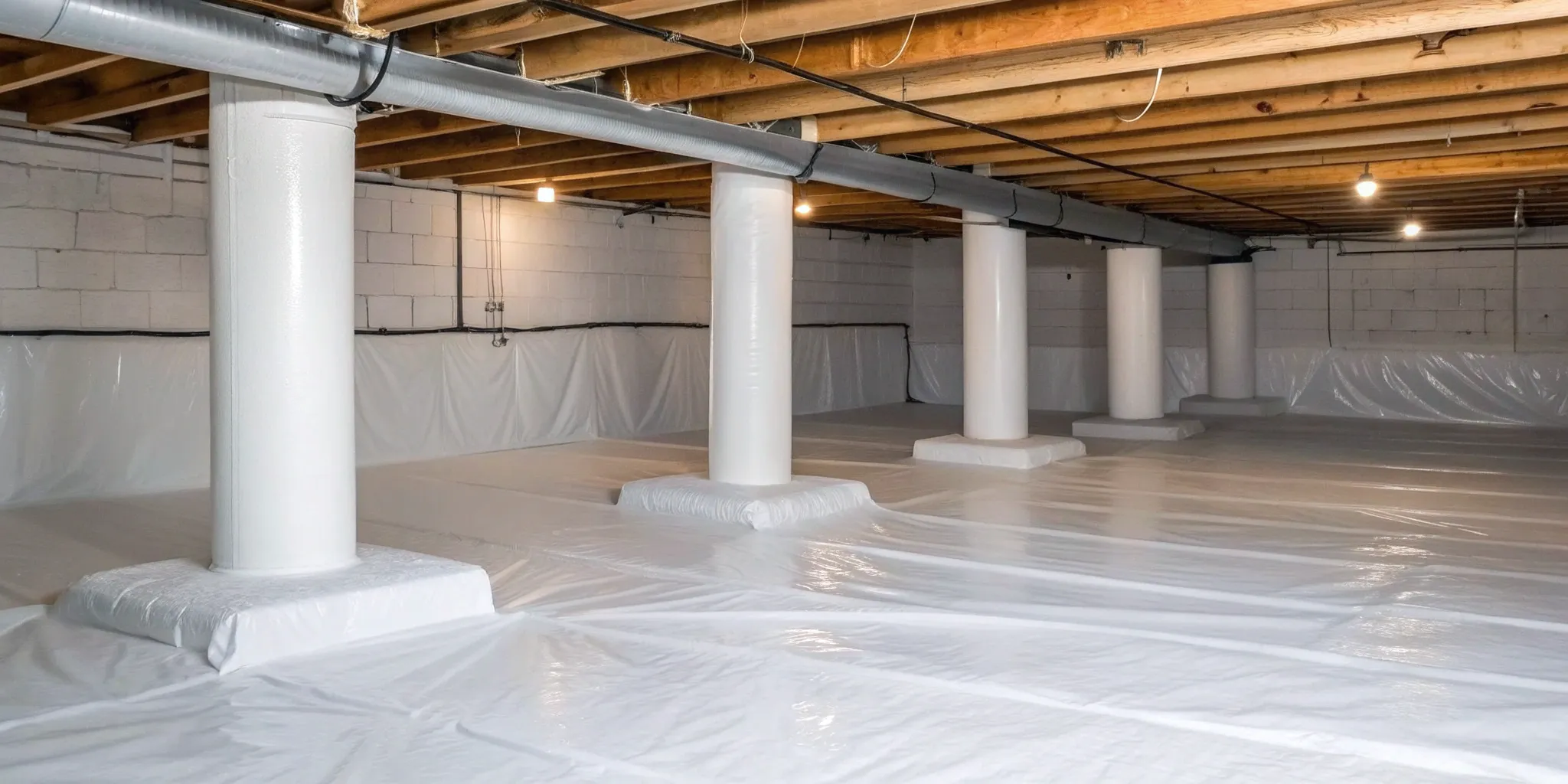
Think of crawl space encapsulation as creating a protective bubble around the underside of your home. It’s the process of completely sealing off your crawl space from the damp earth below and the humid air outside. To do this, professionals line the entire area, including the floor and walls, with a thick, durable sheet of plastic called a vapor barrier. It’s a lot like a heavy-duty pool liner. This barrier is designed to stop moisture and soil gases from seeping into the space beneath your floors.
This isn’t just about laying down some plastic from the hardware store. A full encapsulation is a comprehensive system. It involves sealing off all outside vents and air leaks to create a completely controlled environment. The goal is to isolate your home from the ground, which in turn helps protect your foundation from moisture damage, improve your indoor air quality by preventing musty odors and allergens from rising up, and even make your home more energy-efficient. A properly sealed crawl space becomes a clean, dry, and usable area instead of a damp, musty problem zone. This complete approach is a key part of professional crawl space repair and a smart investment in your home’s long-term health and value.
How Does the Encapsulation Process Work?
The encapsulation process is a systematic project that turns a problematic crawl space into a clean and healthy part of your home. It all starts with a thorough inspection to assess the current conditions, check for water intrusion, and identify any existing damage. From there, the space is completely cleaned out, which includes removing any debris, old insulation, and anything else that could harbor mold or pests. If there are any standing water issues, a drainage system and a sump pump are installed first to manage the water. Then, the heavy vapor barrier is fitted to the floor and walls, and all the seams are sealed with special tape. Finally, a dehumidifier is installed to control the moisture in the air, keeping humidity levels consistently low.
The Anatomy of a Sealed Crawl Space
A successful encapsulation relies on several key components working together as a system. The most important piece is the vapor barrier, a tough, 20-mil-thick plastic liner that completely covers the dirt floor and foundation walls to block moisture from the ground. Next, all vents and outside air leaks are sealed to prevent humid, unconditioned air from entering the space. For homes with active water problems, an interior drainage system and a sump pump are crucial for collecting and removing water. The final piece of the puzzle is a high-efficiency dehumidifier, which maintains a healthy humidity level (ideally below 55%) to prevent any chance of mold growth. When professionally installed, these components create a robust system that protects your home for years to come.
Why Should You Encapsulate Your Crawl Space?
If you’ve ever thought, “out of sight, out of mind” about your crawl space, you’re not alone. But what happens down there directly impacts the rest of your home. Encapsulating your crawl space isn’t just about tidying up an unfinished area; it’s a proactive step toward a healthier, more stable, and more efficient home. By sealing this space from the earth and outside air, you gain control over moisture, air quality, and temperature. This simple upgrade can solve a surprising number of household problems, from musty odors and high energy bills to pest invasions and structural damage. Let’s walk through the biggest benefits of transforming your crawl space. For an in-depth look at the advantages, read our guide on whether crawl space encapsulation is worth it.
Breathe Easier with Better Indoor Air
A significant portion of the air you breathe inside your home actually comes from your crawl space. This is due to a phenomenon called the “stack effect,” where air naturally flows upward. If your crawl space is damp, dirty, or filled with mold, those allergens and musty smells get pulled directly into your living areas. Encapsulation turns that unhealthy space into a clean, dry, and conditioned part of your home. By sealing it off, you prevent moisture, mold spores, and other contaminants from compromising your indoor air. This creates a healthier environment for your family, especially for anyone with allergies or asthma. A professional crawl space repair is one of the most effective ways to improve your home’s overall air quality.
The Stack Effect: How Crawl Space Air Enters Your Home
Imagine your house acting like a giant chimney. Cool, dense air is pulled in from the lowest point—your crawl space—and as it warms up from your home’s heating system, it naturally rises. This upward flow, known as the stack effect, carries the air from your crawl space up through your floors and into your living areas before it eventually exits through the attic or upper windows. This means that whatever is in your crawl space air is also in your home’s air. If the crawl space is damp and musty, that humid, allergen-filled air is constantly being circulated throughout your house. This is why a problem that starts below your feet can lead to poor air quality and musty smells on every level of your home.
Start Saving on Your Energy Bills
An unsealed, vented crawl space can be a major drain on your home’s energy efficiency. In the summer, hot, humid air enters and makes your air conditioner work overtime. In the winter, cold air cools your floors and forces your furnace to run constantly. Encapsulation, often paired with insulation, helps stabilize the temperature in the crawl space. This means the air under your home is closer to the temperature of your living space, reducing the workload on your HVAC system. By controlling the humidity and temperature, you can see a noticeable reduction in your monthly energy bills while making your home feel much more comfortable year-round.
How Insulation Improves Your Home’s Energy Efficiency
While the vapor barrier stops moisture, thermal insulation tackles temperature. Think of it as a cozy blanket for your home’s foundation. We install rigid foam insulation panels along the crawl space walls, which act as a thermal break between the cool earth and the air under your floors. This simple addition helps keep the crawl space temperature much more stable and closer to the temperature inside your house. As a result, your floors won’t feel as cold in the winter, and your air conditioner won’t have to fight as hard against the heat radiating from the ground in the summer. It’s a key part of a complete crawl space repair that makes your entire home more comfortable.
Stop Mold and Moisture in Their Tracks
Moisture is the number one enemy of your home’s foundation. A damp crawl space is the perfect breeding ground for mold and mildew, which can cause wood rot, decay floor joists, and lead to sagging floors. Over time, this moisture can compromise the structural integrity of your entire home. Encapsulation involves installing a heavy-duty vapor barrier that completely separates your home from the damp earth below. This process stops moisture in its tracks, creating a dry environment where mold can’t grow. Protecting your home from water damage is key to avoiding costly foundation repairs down the road and preserving your property value.
Protect Your Foundation from Pests and Damage
Spiders, insects, rodents, and even snakes love dark, damp, and cluttered crawl spaces. They can easily find their way in through open vents and small cracks in the foundation. Once inside, they can cause damage, create unsanitary conditions, and eventually make their way into your home. Crawl space encapsulation seals off all those entry points. By closing vents and sealing every gap, you create a physical barrier that pests can’t get through. This not only keeps critters out but also protects your foundation from the damage they and the moisture they thrive in can cause. If you suspect issues, a free inspection can help identify vulnerabilities before they become bigger problems.
How Much Does Crawl Space Encapsulation Cost?
Let’s talk about the bottom line. Investing in your home’s health is important, but you need to know what to expect financially. The cost of crawl space encapsulation can vary quite a bit. For most homes, this translates to a total project cost of several thousand dollars. It’s a significant investment, but it’s one that protects your home’s structure, improves your indoor air quality, and can even lower your energy bills over time.
Think of it less as a simple expense and more as a permanent upgrade to your home. You’re not just cleaning up a messy space; you’re actively preventing future problems like mold, pest infestations, and wood rot that can lead to much more expensive repairs down the road. The final price tag depends on several key factors, including the size and current condition of your crawl space. The best way to get an accurate number for your specific home is to have a professional take a look and provide a detailed estimate. Many specialists, including our team at Vesta, offer a free inspection to give you a clear picture of the scope and cost.
What Factors Into the Final Price?
The price range for encapsulation is broad because no two crawl spaces are exactly alike. The biggest factor is the size of the area; a larger crawl space requires more material and labor, which increases the cost. Another major variable is the current condition of your crawl space. If there’s standing water, active mold growth, or debris that needs to be cleared out, that initial cleanup work will add to the total. Similarly, if any structural wood has been damaged by moisture, those repairs need to happen first. The type and thickness of the vapor barrier and any additional systems, like a dehumidifier or sump pump, will also affect the final price.
How Encapsulation Pays for Itself Over Time
While the upfront cost is a key consideration, it’s also important to look at the long-term value. Crawl space encapsulation is an investment that pays you back in several ways. By sealing out humid Oklahoma air, your HVAC system doesn’t have to work as hard to cool and heat your home, which can lead to lower monthly energy bills. You’re also protecting your home from moisture that can cause mold, mildew, and wood rot, saving you from future costly foundation repair. A sealed and conditioned crawl space creates a healthier living environment by improving your home’s overall air quality, which is a priceless benefit for your family.
What to Expect During the Encapsulation Process
Crawl space encapsulation is more than just laying down a plastic sheet. It’s a systematic approach to completely isolate your crawl space from the ground and outside air, turning a damp, problematic area into a clean, dry part of your home. Think of it as creating a mini-basement under your house. When done correctly by professionals, the process follows a few key steps to ensure no moisture gets in and any existing issues are resolved for good. Let’s walk through what you can expect.
Step 1: Inspect and Manage Water Intrusion
The first step is always a thorough assessment. Before any materials go in, a professional needs to understand exactly what’s happening in your crawl space. If there’s standing water or evidence of groundwater seepage, that has to be handled first. Simply covering up a water problem will only trap moisture and lead to bigger issues. To manage water, a drainage system and a sump pump may be installed to collect and pump any water away from your foundation. The goal is to create a dry canvas before the encapsulation begins.
Preparing the Space for Treatment
Once any water issues are under control, the real prep work begins. The space needs to be completely cleaned out, which means removing all debris, old and ineffective insulation, and anything else that could attract pests or encourage mold growth. It’s a critical step because you can’t just cover up existing problems; you have to create a clean, stable environment first. This is also the time to address any necessary structural repairs, like replacing damaged wood, to ensure the foundation is sound. This comprehensive approach to crawl space repair ensures that once the area is sealed, it stays healthy for the long haul.
Step 2: Install the Vapor Barrier and Seal Leaks
Once the space is dry, the actual sealing begins. This involves lining the entire crawl space (floor, foundation walls, and pillars) with a thick, durable vapor barrier. This isn’t a flimsy sheet from a hardware store; it’s a heavy-duty, puncture-resistant liner that permanently blocks moisture from the soil. After the liner is in place, the next step is to seal off all outside air sources. This means closing foundation vents and sealing gaps around pipes and wiring. This comprehensive crawl space repair creates a completely isolated and airtight environment.
Why Sealing Foundation Walls is Crucial
Covering the dirt floor is just one part of the equation. Your foundation walls, even if they’re made of concrete or block, are porous and can absorb moisture directly from the surrounding soil. If the vapor barrier only covers the floor, moisture can still seep through the walls and into your crawl space. That’s why a true encapsulation system involves extending the heavy-duty liner all the way up the foundation walls, sealing it securely. This creates a continuous, unbroken barrier that completely separates your home from the damp earth. By blocking every potential path for moisture entry, you ensure the space remains dry, preventing mold growth and protecting the wooden structures of your home from rot and decay.
Considering Radon Mitigation
While you’re sealing your crawl space to keep moisture out, it’s a good time to think about something else that can come from the ground: radon. Radon is a naturally occurring, invisible, and odorless gas that can seep into homes and pose a health risk over time. Since encapsulation creates an airtight seal, it’s the perfect opportunity to also install a radon mitigation system if needed. This typically involves placing a special pipe beneath the vapor barrier that safely vents any soil gases to the outside. Addressing radon during the encapsulation process is much simpler and more effective than trying to add it later, giving you peace of mind that your home’s air is not only dry but also safe to breathe.
Step 3: Condition the Air with a Dehumidifier
The final piece of the puzzle is to control the air inside your newly sealed crawl space. A specially designed, energy-efficient crawl space dehumidifier is installed to regulate the humidity. Its job is to pull any remaining moisture from the air and the wooden structures of your home, keeping the relative humidity below 55%. This is the ideal level to prevent mold growth and stop wood rot in its tracks. By conditioning the air, you ensure the encapsulation system performs at its best, protecting your home’s structural integrity and improving the air quality you breathe in every room above.
Crawl Space Myths We Need to Bust
When it comes to crawl spaces, there’s a lot of information floating around, and not all of it is accurate. These misconceptions can lead homeowners down the wrong path, resulting in wasted money and unresolved problems. You might hear a neighbor suggest a quick fix or read conflicting advice online, leaving you unsure of the best way to protect your home. Sorting through the noise is key to making a smart investment in your property’s health and stability. It’s easy to fall for a seemingly simple solution that promises big results for little effort, but these often fail to address the root cause of the problem.
Let’s clear the air and tackle some of the most common myths about crawl space care. Understanding the truth behind these issues can help you identify the real source of your home’s problems, from sagging floors to musty odors. We’ll look at why that bouncy floor might not be what you think it is, why a cheap plastic liner won’t cut it, and when it’s time to put down the tools and call in a professional. Getting the facts straight is the first step toward a healthier, more stable home that you can feel comfortable in for years to come.
Myth: Sagging Floors Are Just a Moisture Problem
If your floors are starting to feel spongy or look uneven, it’s easy to blame moisture from the crawl space. While high humidity can weaken wooden joists over time, it’s rarely the only cause. More often than not, sagging floors point to underlying structural problems. The original support columns may be spaced too far apart, or the footings beneath them could be settling into weak soil. Over the years, the weight of your home can cause these supports to sink, creating the dips and sags you feel upstairs. A professional inspection can determine if the issue is moisture, structural, or a combination of both.
Addressing the Root Cause of Structural Issues
So, if moisture isn’t the only culprit, what is the fix? The answer lies in addressing the structural support system itself. When the original columns are failing or the soil beneath them can no longer bear the load, the solution is to install a robust support system. This typically involves placing heavy-duty, adjustable steel posts on solid new footings. These posts are designed to stabilize and potentially lift the sagging floor joists back to their original position, providing permanent support where it’s needed most. This type of structural repair goes hand-in-hand with moisture management. First, you secure the foundation, then you protect it with encapsulation. This comprehensive approach ensures your home is both stable and dry for the long haul.
Myth: Any Plastic Sheeting Will Do the Trick
Covering your crawl space floor with a thin plastic liner from a big-box store might seem like a budget-friendly solution, but it’s a classic case of getting what you pay for. These flimsy sheets tear easily, and they don’t provide the complete seal needed to block moisture vapor from the ground. A professional crawl space encapsulation uses a thick, durable vapor barrier that is puncture-resistant. This material is laid across the entire floor, wrapped around support piers, and sealed at every seam. It’s also secured to the foundation walls to create a continuous barrier that truly isolates your home from ground moisture.
Full Encapsulation vs. a Basic Vapor Barrier
A basic vapor barrier is just one piece of the puzzle. It typically involves laying a thin plastic sheet over the dirt floor, which might stop some moisture but leaves the walls and air vents open. This allows humid Oklahoma air to flow in freely, creating condensation and defeating the purpose. A full encapsulation, on the other hand, is a complete system. It uses a heavy-duty, 20-mil liner that covers the floor, walls, and support piers, with every seam sealed tight. All outside vents and air leaks are also sealed off to create a controlled environment. This comprehensive approach is what makes professional crawl space repair so effective at protecting your home from moisture, mold, and pests for the long haul.
Myth: Crawl Space Encapsulation Is a DIY Job
Tackling a home improvement project yourself can be incredibly rewarding, but crawl space encapsulation is a demanding job that requires specific expertise. Working in a dark, cramped, and often dirty environment is physically challenging. A proper installation involves more than just laying down a liner; it requires correctly sealing vents, insulating walls, and integrating a dehumidifier to control the air. If any step is done incorrectly, the entire system can fail, trapping moisture instead of blocking it. Getting a professional assessment first can save you a lot of time, effort, and potential headaches down the road.
Potential Drawbacks and Considerations
While crawl space encapsulation offers a powerful solution for protecting your home, it’s important to go into the project with a full understanding of what it entails. This isn’t a simple, one-and-done fix; it’s a comprehensive system that changes the environment under your home. Like any major home improvement, there are a few key considerations to keep in mind to ensure you get the best possible results. Thinking through these aspects beforehand helps you set realistic expectations and confirms that you’re making the right long-term investment for your property’s specific needs, especially if you live in an older home with its own unique history and quirks.
Ongoing Dehumidifier Operation
A crucial component of a sealed crawl space is the dehumidifier, and it’s not just an optional extra. This machine is the workhorse of the system, actively pulling moisture from the air to maintain a healthy humidity level. To be effective, the dehumidifier needs to run continuously to keep the relative humidity below 55%, the point at which mold can no longer grow. This means it will be a constant, low-level presence in your home’s energy usage. While modern, professional-grade units are designed for high efficiency, it’s still a factor to be aware of. The dehumidifier is essential for protecting the wooden structures of your home and ensuring the encapsulation system performs as intended for years to come.
Special Considerations for Older Homes
If you own an older home, encapsulation requires a bit more thought. These houses have often settled and shifted over decades, and their wooden structures have adjusted to a certain level of ambient moisture. While sealing the crawl space is vital for preventing further decay, it’s important to remember that it won’t reverse existing structural issues like sagging floors. In fact, rapidly drying out old wood that has been damp for a long time can sometimes cause it to shrink or crack, potentially creating new issues. This doesn’t mean you shouldn’t encapsulate; it just means the approach needs to be careful and well-planned.
Because of these complexities, a thorough structural assessment is a critical first step for older properties. Before sealing the space, an expert needs to evaluate the condition of your floor joists, support beams, and foundation. In many cases, structural repairs or additional supports may be needed in conjunction with the encapsulation to ensure your home remains stable as the environment changes. This is why a professional evaluation is so important—it identifies the complete picture of your home’s needs. Getting a free inspection can help you understand the full scope of work required to protect and stabilize your older home for the long haul.
Finding a Pro and Keeping Your System Healthy
Once your crawl space is encapsulated, the work isn’t quite over. To get the most out of your investment, you’ll want to partner with the right team from the start and know how to keep the system in top shape for years to come. Here’s how you can find a great contractor and what you need to know about long-term maintenance.
What to Look for in a Crawl Space Contractor
Finding a trustworthy professional for your crawl space is the most important step. Since this is a major home improvement project, you’ll want to get a few different quotes to compare your options. A great contractor won’t just give you a price; they will explain exactly what your home needs and why. Be wary of anyone who pressures you into a quick decision or isn’t transparent about their process. The best way to start is by having a professional assess the space. This gives you a clear baseline of what work needs to be done, so you can feel confident in the team you choose to hire.
Simple Maintenance for Your Encapsulated Space
Your new encapsulated crawl space is a low-maintenance system, but it does need a little attention to keep it working effectively. A few times a year, it’s a good idea to peek inside and do a quick check. Look over the vapor barrier for any rips, tears, or separating seams. You’ll also want to check on your dehumidifier. Make sure it’s running properly and clean the filter according to the manufacturer’s instructions to keep it efficient. Regular maintenance like this is key to ensuring the long-term effectiveness of your crawl space encapsulation system and protecting your home from moisture for good.
Know When to Call for a Professional Inspection
While your own check-ins are helpful, an annual professional inspection is the best way to catch potential issues early. You should also call a pro right away if you notice any red flags. If you see standing water or signs of new water intrusion, that’s a top priority. Any significant damage to the vapor barrier or a dehumidifier that just won’t work properly also warrants a call. And if that musty smell comes back, don’t ignore it. These are signs that your system needs a professional tune-up. Addressing water problems promptly is crucial, as effective foundation waterproofing is the key to a healthy home from the ground up.
Is Crawl Space Encapsulation the Right Move for You?
Deciding to encapsulate your crawl space is a significant home improvement project. While the benefits are clear, it’s smart to weigh your options and make sure it’s the right solution for your specific situation. Let’s walk through the signs that point to encapsulation, explore potential alternatives, and outline how you can make the best choice for your home and budget. This will help you determine if it’s the correct investment for protecting your property.
Signs Your Home Needs Crawl Space Encapsulation
If your home has a dirt or vented crawl space, you’re likely a prime candidate for encapsulation. These designs are naturally prone to moisture, which is the root cause of many problems. You might notice a persistent musty smell in your home, feel high humidity, or see condensation on your ductwork. Other telltale signs include visible mold or mildew growth, pest infestations, and surprisingly high energy bills. These issues often signal that the uncontrolled environment below your floors is impacting your entire home. A complete crawl space repair system, including encapsulation, is the most effective way to solve these problems for good.
Are There Any Alternatives to Encapsulation?
Encapsulation is the most comprehensive solution, but it’s not the only option for managing crawl space moisture. For minor issues, simply replacing an old, torn vapor barrier might offer some improvement. In homes with significant groundwater problems, the main priority is water removal. In these cases, installing an interior drainage system and a sump pump is essential. This approach is a key part of basement waterproofing and can also be applied to crawl spaces. While these methods can help, they don’t fully isolate the crawl space from outside air and ground moisture like a full encapsulation system does.
When a Full System Might Not Be Necessary
While a full encapsulation system is the gold standard for crawl space health, it isn’t always necessary. If your crawl space is already mostly dry, with no signs of standing water, mold, or pest activity, a less intensive approach might be all you need. In some cases, a professionally installed, high-quality vapor barrier that covers the ground may be enough to control ground moisture and keep the space in good condition. The key is to accurately diagnose the situation. An honest assessment will tell you whether you need a comprehensive system or if a simpler solution will suffice. This is why starting with a professional inspection is so important—it ensures you get the right fix for your home without over-investing in features you don’t need.
Simpler Solutions for Minor Moisture Issues
For homes with only minor moisture concerns, there are a few steps you can take short of a full encapsulation. If you already have a thin or damaged plastic liner, simply replacing it with a new, properly installed vapor barrier can make a noticeable difference. However, if you have any signs of water seepage or standing water, that issue must be addressed first. Installing an interior drainage system to manage water is the top priority, as simply covering a water problem will only trap moisture and create bigger headaches. These targeted crawl space repairs can be effective on their own, but they work best when they address the specific source of the problem.
How to Make the Right Choice for Your Home
The best first step is always a thorough, professional assessment. Some problems, like sagging floors, may seem moisture-related but could actually point to underlying structural issues that need a different fix. It’s also wise to get opinions and quotes from a few reputable companies to compare solutions and costs. A trustworthy contractor will explain exactly what your home needs and why, without high-pressure sales tactics. Understanding the full picture allows you to invest confidently in your home’s health and safety. To get a clear, expert opinion on your crawl space, you can schedule a free inspection with our team.
Related Articles
- Protecting Your Crawl Space with the Vesta Encapsulation Liner®
- What is the Purpose of Crawl Space Encapsulation?
- What is a Sealed Crawl Space?
- How Do I Keep My Crawl Space Warm?
- Maintaining a Healthy Crawl Space
Frequently Asked Questions
How is professional encapsulation different from just laying down a plastic liner from a hardware store? Think of it as the difference between a custom-fit raincoat and a flimsy poncho. A simple plastic sheet from a big-box store is thin, tears easily, and isn’t sealed at the seams or walls, which allows moisture and soil gases to seep in around the edges. Professional encapsulation uses a thick, puncture-resistant vapor barrier that is completely sealed at every seam and secured to the foundation walls, creating a truly isolated and airtight environment that effectively protects your home.
My crawl space doesn’t have standing water. Do I still need to consider encapsulation? Yes, absolutely. Standing water is an obvious problem, but the most common issue is invisible water vapor rising from the damp soil. This moisture creates high humidity in your crawl space, which can lead to mold growth, wood rot, pest infestations, and poor indoor air quality. Encapsulation is designed to stop this moisture vapor at the source, protecting your home even when you don’t see puddles.
How long does a typical crawl space encapsulation project take to complete? The timeline depends on the size and condition of your crawl space. For an average-sized home with no major issues, the process can often be completed in just one to two days. If your space requires significant cleaning, mold remediation, or the installation of a drainage system and sump pump, the project may take a bit longer to ensure every step is done correctly.
What kind of maintenance is required after the encapsulation is finished? An encapsulated crawl space is very low-maintenance. The main task is to check on your dehumidifier periodically and clean its filter as recommended by the manufacturer to keep it running efficiently. It’s also a good idea to schedule an annual professional inspection to ensure the vapor barrier remains intact and the entire system is performing as it should.
Besides stopping moisture, what are the biggest benefits I’ll notice in my home? You’ll likely notice two major improvements inside your home. First, the air quality will be much better, as musty odors and allergens from the crawl space will no longer be pulled into your living areas. Second, you may see a reduction in your monthly energy bills because your HVAC system won’t have to work as hard to combat the humid or cold air coming from beneath your floors.