
That musty smell you can’t seem to scrub away? Or floors that stay cold no matter the season? If you’re nodding along, the source of these issues in your Oklahoma home is likely right under your feet. Your crawl space has a surprisingly big impact on your home’s health and comfort, which is why so many homeowners are talking about crawl space encapsulation. But the big question remains: is it actually worth the investment? Answering that starts with understanding exactly what this solution does for your home and if it’s the right choice for you.
Related: Learn how crawl space encapsulation can support home value and inspection confidence for Oklahoma homeowners.
Schedule a free crawl space inspection to find out what is happening beneath your home.
The short answer is yes, for most homes in Oklahoma. Encapsulation addresses the root cause of moisture, air quality, and structural problems that start below your living space. This guide explains what crawl space encapsulation is, why it matters for Oklahoma homes, and how to decide if it is the right move for your property.
Quick Answer: Crawl space encapsulation is worth it for most Oklahoma homes. It seals the space beneath your house from moisture, humid air, and ground vapor, creating a dry, controlled environment that protects your home’s structure and indoor air quality.
>
Key benefits of encapsulation:
- Reduces crawl space humidity from 80-90% to below 55%, eliminating mold and wood rot risk
- Improves indoor air quality by blocking mold spores and allergens from entering living areas
- Stabilizes temperatures for better energy efficiency
- Protects structural wood (floor joists, subflooring) from moisture damage
- Adds value to your home during inspections and resale
What Is Crawl Space Encapsulation?
Crawl space encapsulation is the process of sealing your crawl space from outside moisture, humid air, and ground vapor. Unlike a simple vapor barrier installation laid over bare dirt, full encapsulation creates a controlled environment beneath your home.
A complete encapsulation system typically includes:
- Heavy-duty vapor barrier covering the floor and walls to block ground moisture
- Sealed vents and openings to prevent humid outdoor air from entering
- Crawl space dehumidifier to actively manage humidity levels
- Crawl space insulation for temperature regulation
- Drainage matting when water management is needed
Think of it this way: encapsulation turns your crawl space from an uncontrolled outdoor environment into a clean, dry extension of your home.
Why Do Homes Have Crawl Spaces Anyway?
It might seem like an odd design choice, but crawl spaces were once a standard feature in home construction for a few practical reasons. Primarily, they elevate the house off the ground, creating a buffer against ground moisture and providing easy access to important utilities like plumbing, wiring, and HVAC systems for maintenance. Historically, builders included vents, believing they would promote airflow and keep the area dry. However, in humid climates like ours here in Oklahoma, this design often backfires, pulling moist air into the crawl space and creating the perfect environment for mold and wood rot. This traditional building practice is why many homeowners now face issues that require modern solutions, like encapsulation, to protect their home’s structural integrity and air quality.
Why Your Oklahoma Home Needs Extra Crawl Space Protection
Oklahoma’s climate creates a perfect storm for crawl space problems. The combination of humid subtropical weather, expansive clay soils, and seasonal temperature swings puts constant stress on the space beneath your home.
Here is what happens in an unprotected crawl space in Oklahoma:
- Summer humidity pushes warm, moist air into the cooler crawl space, where it condenses on floor joists, ductwork, and pipes
- Expansive clay soils absorb and release moisture with every rain cycle, creating constant ground vapor pressure
- Seasonal temperature shifts cause condensation that feeds mold growth and wood decay
- The stack effect pulls crawl space air upward into your living areas. Research shows that 40 to 50 percent of the air you breathe on the first floor originated in the crawl space
This means the musty smell, the allergy flare-ups, and the drafty floors are not random. They are directly connected to what is happening below your home.
For decades, building codes required crawl spaces to be vented based on the theory that cross-ventilation would manage moisture. Modern building science has proven that approach wrong. The International Residential Code (IRC) now recognizes that sealed, conditioned crawl spaces outperform vented ones in the vast majority of climate zones, including Oklahoma’s.
Warning Signs: When to Consider Crawl Space Encapsulation

Not every crawl space needs encapsulation right away, but certain warning signs should prompt immediate attention. If you notice any of the following, your crawl space is likely contributing to problems inside your home:
- Musty or damp odors that persist no matter how much you clean
- High indoor humidity even when the HVAC system is running
- Cold or uneven floors during winter months
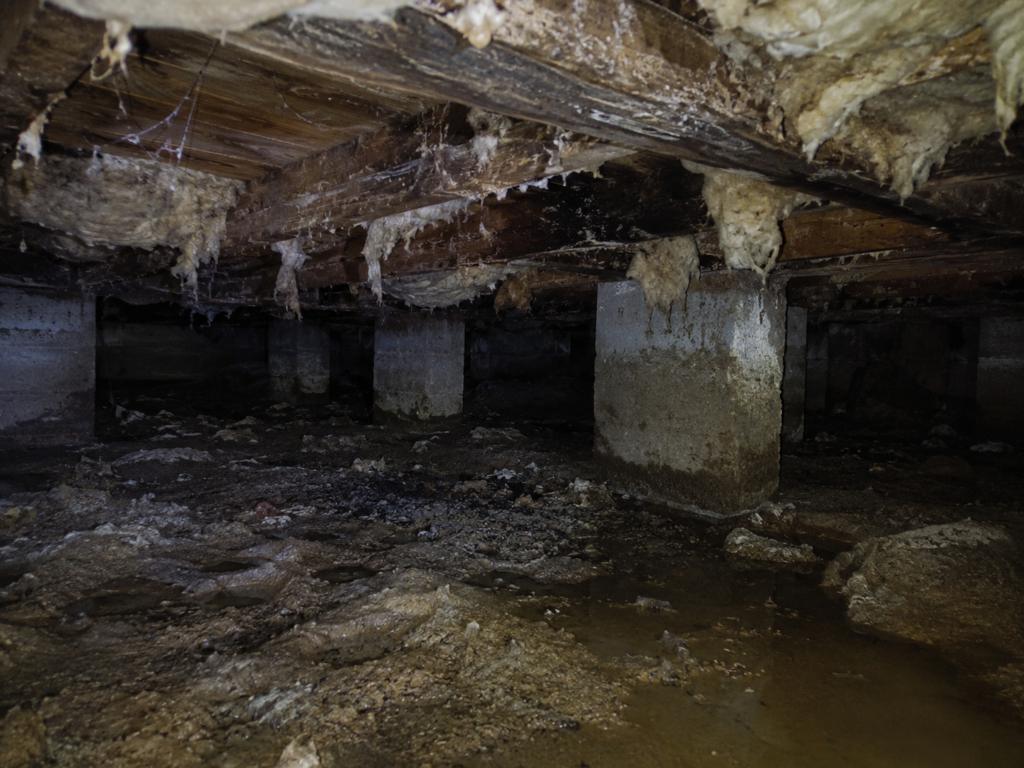
- Visible mold or mildew on floor joists, insulation, or walls in the crawl space
- Condensation on ductwork or pipes beneath the house
- Sagging floors or soft spots that indicate moisture damage to structural wood
- Increased pest activity, since rodents, termites, and insects thrive in damp, open crawl spaces
- Allergy symptoms that worsen when you are at home
If multiple signs are present, the crawl space is almost certainly the source. A professional inspection can confirm the extent of the problem and whether encapsulation is the right solution.
The Real Perks of an Encapsulated Crawl Space
So, should you encapsulate your crawl space? Here is what encapsulation delivers when done correctly.
Stop Moisture and Mold in Their Tracks
The primary benefit of an encapsulated crawl space is eliminating excess moisture. By sealing the space from ground vapor and humid outdoor air, you remove the conditions that allow mold, mildew, and wood rot to develop. In Oklahoma, where humidity regularly exceeds 70 percent in summer, this protection is critical.
Encapsulation can reduce crawl space humidity from 80 to 90 percent down to 55 percent or lower, which is well below the threshold for mold growth.
Breathe Easier with Better Indoor Air
Because of the stack effect, whatever is in your crawl space eventually ends up in your living areas. Mold spores, dust mites, allergens, and damp air all migrate upward through gaps in the flooring, plumbing penetrations, and HVAC ductwork.
Sealing the crawl space means cleaner air throughout your home. Homeowners frequently report reduced allergy symptoms and the elimination of persistent musty odors after encapsulation.
Lower Your Energy Bills
An unsealed crawl space forces your HVAC system to work harder. In summer, hot humid air seeps in from below. In winter, cold air drafts make floors uncomfortable and increase heating demand.
Encapsulation can add significant value to your home. An encapsulated crawl space stabilizes temperatures beneath the home, allowing your heating and cooling system to operate more efficiently. Studies from Advanced Energy show that homes with sealed crawl spaces use approximately 20 percent less energy compared to homes with vented crawl spaces.
Protect Your Home’s Foundation
Moisture is the number one enemy of the wood framing beneath your home. Over time, excess humidity causes floor joists and subflooring to absorb water, leading to wood rot, warping, and eventual structural failure.
Encapsulation keeps these structural components dry year-round. For Oklahoma homes built on expansive clay soils, this is particularly important because soil movement combined with moisture damage can accelerate foundation and structural repair needs.
By maintaining consistent, low-humidity conditions, encapsulation also reduces the expansion and contraction cycles that cause wood to warp, crack, and lose its load-bearing strength over time.
A Cleaner, More Accessible Space
Beyond the structural and air quality benefits, encapsulation delivers a very practical perk: it transforms a dark, damp space you’d rather ignore into a clean, bright, and usable area. Sealing the floor and walls creates a dry environment that is far less attractive to the pests that love Oklahoma’s humid crawl spaces. This change makes the area under your home much more approachable. Instead of a dirt floor and musty air, you have a clean surface that you can access without hesitation. This newfound accessibility is a huge advantage, making it simple to check on plumbing, wiring, or your foundation. A complete crawl space repair solution turns what was once a source of dread into a manageable part of your home.
Does Crawl Space Encapsulation Add Value to Your Home?
Yes. An encapsulated crawl space is increasingly viewed as a premium feature by home buyers and inspectors. A clean, dry, sealed crawl space signals a well-maintained property and eliminates one of the most common red flags during home inspections.
Real estate professionals consistently report that homes with encapsulated crawl spaces are easier to sell and command stronger offers. For homeowners planning to stay long-term, the ongoing protection of your home’s structure and indoor environment compounds in value every year.
Crawl Space Encapsulation: Necessary or Optional?
Encapsulation is strongly recommended when:
- Your crawl space has visible moisture, standing water, or condensation
- Mold or mildew is present on structural wood or insulation
- You experience recurring musty odors or high indoor humidity
- Floors feel cold, uneven, or bouncy
- Your home is built on expansive clay soil (common throughout Oklahoma)
- You plan to stay in the home long-term
Encapsulation may be less urgent if your crawl space is naturally dry, well-ventilated in an arid climate, and shows no signs of moisture damage. However, in Oklahoma’s humid environment, even crawl spaces that appear dry can harbor hidden moisture problems.
Important note: If your crawl space has active structural damage, drainage issues, or significant water intrusion, those problems should be addressed before or during encapsulation. Sealing over existing issues without crawl space repair can trap moisture and make problems worse.
What to Assess Before Deciding
Deciding to encapsulate your crawl space is a significant step in protecting your home. Before you move forward, it’s wise to gather as much information as possible. A few preliminary checks can help you understand the current state of your crawl space and confirm whether encapsulation is the right path for your property. These assessments give you a clearer picture of what’s happening beneath your floors, empowering you to make a well-informed decision about your home’s health and structural integrity.
Is Your Crawl Space Already Dry?
Before calling in a professional, it’s a good idea to take a look yourself. Grab a good flashlight and check for obvious signs of moisture. Do you see standing water, damp spots on the walls, or condensation on pipes? Take note of any musty or earthy smells, as these often indicate hidden mold or mildew. If the area appears completely dry and has no noticeable odors, you might feel that no action is needed. However, looks can be deceiving, especially in Oklahoma’s humid climate. High humidity levels are often invisible, yet they can still be high enough to cause slow, long-term damage to your home’s wooden structure. For a definitive answer, a professional can provide accurate moisture readings and identify issues you can’t see.
The Role of a Termite Inspection
Moisture and pests are often linked. Termites, carpenter ants, and other wood-destroying insects are attracted to damp, softened wood. Because of this, scheduling a termite inspection can be a smart move. During their assessment, termite inspectors often measure the moisture content of your floor joists and other wooden components to identify areas at risk of infestation. This report can serve as a valuable second opinion on the moisture conditions under your home. If a termite inspector flags high moisture levels, it’s a strong indicator that the environment is also ripe for mold growth and wood rot, reinforcing the need for moisture control solutions like crawl space repair and encapsulation.
Considering Other Home Sealing Projects
It’s helpful to view your home as a complete system where air moves between different levels. Some homeowners wonder if they should prioritize sealing air leaks in the attic or around windows and doors before addressing the crawl space. While insulating and sealing your main living areas is certainly beneficial, it doesn’t solve the unique problems that originate in the crawl space. Due to the stack effect, the air from your crawl space—along with any moisture, mold spores, and allergens it contains—is constantly being pulled up into your home. Encapsulation is the only solution that directly targets this source, protecting your indoor air quality and the structural wood that supports your entire house. Addressing the foundation first makes all other efficiency efforts more effective. If you’re unsure where to start, you can always request a free inspection to get an expert opinion.
The Vesta Approach to Crawl Space Encapsulation

At Vesta Foundation Solutions, crawl space encapsulation is not a one-size-fits-all service. Every project starts with a thorough assessment because the right solution depends on your home’s specific conditions.
Here is how the process works:
- Free inspection and assessment – A trained specialist evaluates your crawl space for moisture levels, structural damage, mold, pest activity, and drainage concerns. Schedule a free inspection to get started.
- Address underlying issues first – If structural repairs, water removal, or drainage solutions are needed, those are completed before encapsulation begins. This ensures the sealed environment stays dry and protected.
- Seal vents, doors, and openings – All access points are sealed with airtight covers to stop humid outdoor air from entering.
- Install heavy-duty vapor barrier – A durable vapor barrier is applied across the crawl space floor and walls, blocking ground moisture from rising into the space.
- Add insulation and drainage matting – Thermal insulation helps regulate temperature, while drainage matting manages any residual water.
- Install a dehumidifier – A commercial-grade crawl space dehumidifier maintains humidity at safe levels year-round.
This step-by-step approach ensures nothing is overlooked and that the encapsulation system is tailored to your home’s unique conditions rather than a generic, off-the-shelf solution.
Vesta serves homeowners across Oklahoma City, Tulsa, Edmond, and surrounding areas in Oklahoma, with encapsulation solutions backed by warranties for long-term peace of mind.
Frequently Asked Questions
Is crawl space encapsulation really worth it in Oklahoma?
Yes. Oklahoma’s humid climate, expansive clay soils, and significant temperature swings make crawl spaces highly vulnerable to moisture problems. Encapsulation directly addresses these conditions by creating a sealed, controlled environment that protects your home’s structure, air quality, and comfort.
Vapor Barrier vs. Full Encapsulation: What’s the Difference?
A vapor barrier is a sheet of plastic laid over the crawl space floor to reduce ground moisture. Full encapsulation goes further by sealing the entire space, including walls, vents, and openings, and adding a dehumidifier and insulation. Encapsulation provides significantly more protection than a vapor barrier alone.
Does an encapsulated crawl space need a dehumidifier?
Yes. Even in a sealed crawl space, some moisture can still enter through concrete walls or during seasonal humidity spikes. A dehumidifier ensures humidity stays below 55 to 60 percent, which prevents mold growth and keeps structural wood dry.
How long does crawl space encapsulation last?
A properly installed encapsulation system typically lasts 15 to 25 years with routine maintenance. The dehumidifier should be serviced annually, and the vapor barrier should be inspected periodically for damage.
Should I encapsulate my crawl space before selling my home?
Encapsulation can make your home more attractive to buyers by eliminating moisture issues and demonstrating proactive maintenance. Home inspectors often flag unsealed crawl spaces with moisture problems, which can complicate or delay a sale.
Can I encapsulate my crawl space myself?
While DIY is technically possible, professional installation ensures proper sealing, appropriate materials, and correct dehumidifier sizing. Mistakes in encapsulation, like sealing over existing moisture problems, can cause more harm than good.
Our Encapsulation Components and Process
A successful crawl space encapsulation is a systematic process, not just a single action. It involves several key components working together to create a dry, clean, and controlled environment beneath your home. At Vesta, we tailor this process to the unique conditions of your property, ensuring every vulnerability is addressed. From the initial assessment to the final air quality control measures, each step builds upon the last to deliver a comprehensive and lasting solution for your Oklahoma home.
1. Thorough Inspection and Preparation
Everything starts with a detailed look at what’s happening in your crawl space. Before any work begins, a trained specialist needs to perform a complete evaluation. This isn’t just a quick peek with a flashlight; it’s a deep dive into the health of the space. The specialist will assess moisture levels, check for signs of mold or pest activity, inspect the structural integrity of your floor joists and support beams, and identify any existing drainage problems. This initial step is crucial because it creates a roadmap for the entire project. You can schedule a free inspection to get a clear picture of your crawl space’s condition and understand exactly what needs to be done.
2. Water Management and Drainage
If the initial inspection uncovers standing water, poor drainage, or structural issues, these problems must be solved before any sealing takes place. Simply covering up an active water problem will only trap moisture and lead to bigger issues down the road. A proper encapsulation plan always addresses the root cause of water intrusion first. This might involve installing an interior drainage system to manage water, or it could require structural repairs to your foundation walls or support system. By ensuring the crawl space is stable and can effectively manage water, we create a solid foundation for a successful and durable encapsulation.
3. Sealing and Installing the Vapor Barrier
Once the crawl space is prepared and any water issues are managed, the sealing process begins. This is where we isolate the space from the two main sources of moisture: the ground below and the humid air outside. A thick, durable vapor barrier, much stronger than a simple plastic sheet, is laid across the entire crawl space floor and up the walls. All seams are overlapped and sealed to create a continuous liner that blocks ground moisture from evaporating into the space. At the same time, all vents, gaps, and other openings to the outside are sealed to prevent humid Oklahoma air from getting in.
4. Air Quality Control with a Dehumidifier
Sealing the crawl space is essential, but controlling the air inside is what truly maintains the environment. Even a perfectly sealed space can retain some humidity. That’s why a professional-grade crawl space dehumidifier is a non-negotiable part of a complete encapsulation system. These powerful units are designed to operate efficiently in the cool environment of a crawl space, automatically monitoring and maintaining humidity levels below 55%. This keeps the air dry, prevents any possibility of mold growth, and protects your home’s wooden structures from moisture damage year-round, giving you total peace of mind.
5. Optional: Radon System Integration
Your family’s health is the top priority, and sometimes that means looking beyond just moisture. Radon is a naturally occurring, invisible, and odorless gas that can seep into homes from the soil. If your home is in an area with higher radon levels, or if certain conditions are found during the inspection, integrating a radon mitigation system may be recommended. This can often be done at the same time as the encapsulation process. The system works by creating a suction point beneath the vapor barrier to safely vent any radon gas to the outside, ensuring the air in your crawl space and your home remains healthy.
Potential Risks and How to Mitigate Them
While crawl space encapsulation offers incredible benefits, it’s important to see it as a system, not just a single action. A successful project involves creating a new, balanced environment beneath your home. When done correctly, the process mitigates risks from the start. The main concerns revolve around managing the new atmosphere inside the crawl space and allowing the home’s structure to adapt to its new, dry conditions. A professional approach anticipates these changes and incorporates solutions from day one, ensuring the transition is smooth and beneficial for your home’s long-term health.
Managing Air Quality and Humidity Levels
Sealing a crawl space without controlling the air inside can trap moisture, which is why a high-quality encapsulation system is more than just a plastic liner. The key is active humidity management. A professional-grade crawl space dehumidifier is essential to the system, working automatically to keep relative humidity levels consistently below the 55 to 60 percent threshold. This is crucial because it completely halts the potential for mold growth and prevents the damp, musty air that can seep into your living space. By actively managing the air, the system ensures your crawl space becomes a clean, dry, and stable environment that positively contributes to your home’s overall air quality.
Structural Adjustments as Wood Dries
For years, the wooden structures under your home—like floor joists and support beams—may have been absorbing excess moisture from the humid Oklahoma air. This can cause them to swell, soften, and weaken. When you encapsulate the crawl space, these materials will finally begin to dry out and return to their intended moisture content. This is a good thing! By maintaining consistent, low-humidity conditions, encapsulation stops the damaging expansion and contraction cycles that cause wood to warp and crack. A thorough initial inspection will identify any pre-existing damage that needs structural repair, ensuring the foundation is sound before it’s sealed.
Factors That Define an Encapsulation Project
No two crawl spaces are exactly alike, so no two encapsulation projects should be either. The scope of the work depends entirely on the unique characteristics of your home. Factors like the size of the space, its current condition, and any underlying water or foundation issues all play a role in designing the right solution. A proper assessment looks at the complete picture to create a tailored plan. This ensures that you aren’t just covering up problems but are implementing a comprehensive system that will protect your home for years to come. The goal is to address your home’s specific needs with the right tools and materials.
Crawl Space Size and Condition
The physical dimensions and current state of your crawl space are the starting point for any project. A larger footprint will naturally require more materials, from the vapor barrier to insulation. The complexity of the layout also matters; a space with numerous support piers, low-hanging pipes, or difficult access points requires more detailed and time-consuming work to ensure every seam and penetration is perfectly sealed. Furthermore, the initial condition is a major factor. A crawl space that is filled with debris, fallen insulation, or has standing water will require significant prep work before any encapsulation materials can be installed.
Addressing Underlying Foundation or Water Issues
Encapsulation is designed to keep moisture out, but it can’t fix existing water intrusion or structural problems. In fact, sealing a crawl space without first addressing these core issues can trap water and hide serious damage. That’s why a crucial first step is a professional inspection to identify any underlying concerns. If your home needs foundation repair to stabilize sagging floors or a drainage system to manage groundwater, these solutions must be implemented before the encapsulation begins. This ensures that the newly sealed environment will remain dry and protected, providing a stable foundation for your home.
Quality of Materials and Components
The long-term success of your encapsulated crawl space depends heavily on the quality of the materials used. A thin plastic sheet from a big-box store is no match for the durable, puncture-resistant vapor barriers used by professionals. These heavy-duty liners are designed to withstand foot traffic and resist tearing, ensuring the seal remains intact. Likewise, the dehumidifier, sump pump, and sealing tapes must be commercial-grade and built for the specific demands of a crawl space environment. Using high-quality components ensures the system functions effectively and provides lasting protection, giving you confidence in your investment.
Maintaining Your Encapsulated System
Once your crawl space is encapsulated, it’s a largely self-sufficient system. However, like any important component of your home, it benefits from periodic check-ups to ensure everything is running as it should. Routine maintenance is simple but essential for maximizing the lifespan and effectiveness of the system. A few quick checks each year can catch small issues before they become bigger problems, guaranteeing that your crawl space continues to protect your home’s structure and air quality. This proactive approach ensures you get the full value and peace of mind that encapsulation provides for decades.
The Importance of Regular Maintenance Checks
A professionally installed encapsulation system can last 15 to 25 years, but its longevity relies on routine maintenance. We recommend an annual service check to keep the system in peak condition. This typically involves inspecting the dehumidifier’s filter and performance, testing the sump pump if one is installed, and visually inspecting the vapor barrier for any tears or separated seams that might need repair. These simple checks ensure the environment remains controlled and dry. If you’re unsure what to look for, you can always request a professional inspection to get an expert assessment of your system’s health.
Ready for a Healthier Crawl Space?
If you are wondering whether crawl space encapsulation is worth it for your home, the best way to find out is with a professional assessment. Vesta Foundation Solutions offers free crawl space inspections across Oklahoma City, Tulsa, Edmond, and surrounding Oklahoma communities.
Our specialists will evaluate your crawl space, explain what they find, and recommend the right solution for your home. No guesswork, no pressure, just honest answers from a team that has been protecting Oklahoma homes for years.
Schedule your free inspection today and find out exactly what your crawl space needs.
Key Takeaways
- Address Oklahoma’s unique climate: Encapsulation is a practical solution for local homes because it seals the crawl space from the humid air and expansive clay soils that cause mold, structural damage, and poor air quality.
- Improve your home from the ground up: A sealed crawl space does more than keep the area dry; it protects your home’s structural integrity, improves indoor air quality by stopping allergens, and contributes to more stable temperatures.
- View encapsulation as a complete system: A successful project is more than just laying down a plastic liner, as it requires sealing vents, installing a professional-grade vapor barrier, and using a dehumidifier to actively control humidity for lasting results.