
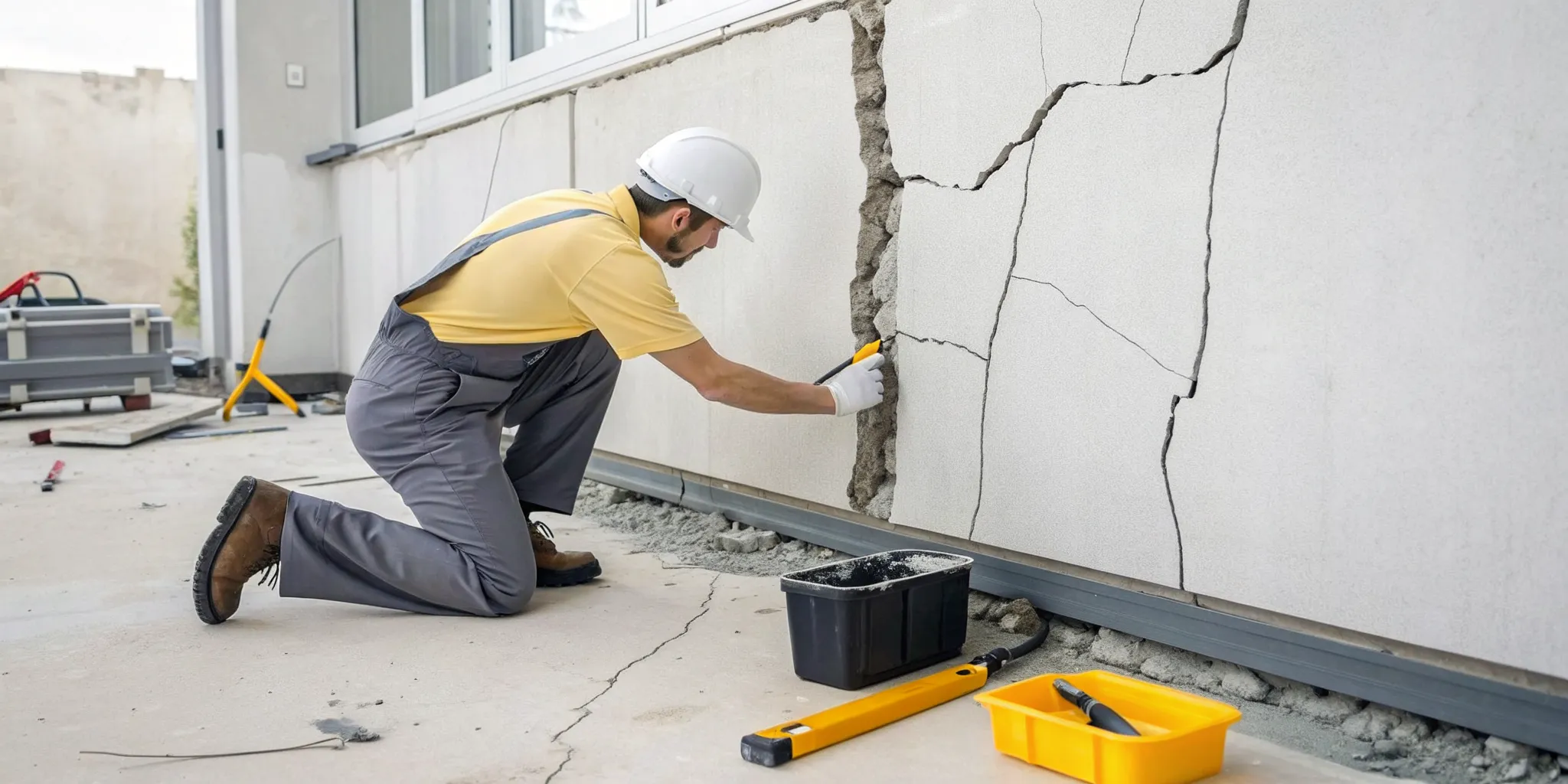
No one wants to spend money on foundation repair. But ignoring that crack is the fastest way to turn a small problem into an expensive disaster. Understanding the potential cost to repair foundation cracks is the first step toward protecting your biggest investment. This isn’t just about a price list; it’s about knowing what you’re paying for. We’ll explore everything from what a minor fix entails to the signs of a more serious structural issue. You’ll also learn how to get an accurate estimate, what insurance might cover, and how to choose a trustworthy contractor who will solve the problem correctly. Learn more in our professional crack repair services.
Key Takeaways
- Understand the Root Cause to Manage Costs: Foundation problems are almost always caused by shifting soil and water pressure. The repair cost depends on the severity of this underlying issue, making an early professional inspection the most effective way to control expenses.
- Choose Your Contractor Wisely: The success of your repair depends heavily on the expert you hire. Protect your investment by getting multiple written estimates, asking about licensing and warranties, and selecting a contractor who provides clear, comprehensive answers.
- Proactive Water Management is Your Best Defense: You can prevent most future foundation issues by controlling water around your home. Simple habits like keeping gutters clean, ensuring proper yard drainage, and maintaining stable soil moisture are key to protecting your home’s structural integrity.
What Causes Foundation Cracks?
Finding a crack in your foundation can be unsettling, but it’s rarely a mystery. These issues almost always stem from powerful forces acting on your home from the outside. Understanding what causes these cracks is the first step toward finding the right solution. Most foundation problems can be traced back to water, soil, and even the plants in your yard. When you know the source of the problem, you can address it directly and prevent it from getting worse.
When Soil and Moisture Become a Problem
Here in Oklahoma, we’re no strangers to expansive clay soil. This type of soil acts like a sponge; it swells up when it absorbs water and shrinks dramatically when it dries out. This constant cycle of expansion and contraction puts immense stress on your foundation. As the soil pushes and pulls, it can cause the concrete to shift and eventually crack. Over time, these small movements can lead to significant structural issues. If you suspect soil movement is affecting your home, a professional foundation repair assessment can determine the extent of the problem and the best way to stabilize your home for good.
How Poor Drainage Leads to Cracks
Your home’s drainage system is its first line of defense against water damage. When gutters are clogged or the ground doesn’t slope away from your house properly, water has nowhere to go but down. It pools against your foundation, creating intense hydrostatic pressure. This pressure can force water through tiny pores in the concrete, widening them into cracks and allowing moisture into your basement or crawl space. Effective basement waterproofing and proper yard drainage are essential to direct water away from your foundation and prevent this kind of damage before it starts.
When Tree Roots Get Too Close
Large, beautiful trees can add a lot of value to your property, but their root systems can be a hidden danger to your foundation. As trees grow, their roots spread out in search of water and nutrients. If a tree is planted too close to your home, its roots can press up against the foundation walls with incredible force. This constant pressure can easily cause cracks to form. Even smaller roots can work their way into existing hairline fractures, expanding them as they grow and creating a pathway for moisture to enter your home.
How Weather Extremes Impact Your Home
Oklahoma’s weather can be unpredictable, with scorching summers followed by cold winters. These temperature swings cause the soil around your home to expand and contract. During a hard freeze, any moisture in the ground can turn to ice, expanding and pushing against your foundation. Then, during a thaw or a drought, the soil shrinks away, leaving parts of the foundation unsupported. This cycle of movement can weaken the concrete over time, leading to cracks. If you’ve noticed new cracks appearing after a season of extreme weather, it’s a good idea to schedule a free inspection to understand the impact on your home.
What’s the Real Cost to Repair Foundation Cracks?
Figuring out the budget for a foundation issue is often the first and most stressful step for a homeowner. The truth is, there’s no single price tag for foundation repair. The final cost depends entirely on what’s causing the crack, how big it is, and the specific method needed to fix it for good. To give you a clearer picture, we can break down the costs into a few common categories, from minor fixes to major structural work. These numbers can help you understand what to expect as you start looking for solutions.
Budgeting for Minor Cracks: $200–$800
If you’ve spotted a few small, hairline cracks, you might be in luck. Catching these issues early is key. For simple fixes, like injecting epoxy to seal a non-structural crack, you can expect to pay between $200 and $800. However, it’s important not to ignore them. According to a cost analysis by This Old House, letting minor problems go can cause the damage to spread, potentially turning a small repair into a project that costs upwards of $10,000. Acting quickly saves you significant money and stress down the road.
The Cost of Average Repairs: $2,200–$8,100
For more significant foundation problems that go beyond a simple crack fill, the costs typically land somewhere between $2,200 and $8,100. The national average for these types of repairs is about $5,100. This price range often covers issues like larger cracks that require reinforcement, addressing water intrusion, or fixing sections of a bowing basement wall. The final price depends on the materials used and the amount of labor required to stabilize the area and prevent further damage. This is where a professional diagnosis becomes essential to ensure you’re getting the right fix.
Pricing Major Foundation Work: $10,000+
In cases of severe structural damage, repair costs can easily exceed $10,000. These are complex jobs that address the root cause of major foundation failure, such as a house that is sinking or settling unevenly. Solutions might involve lifting the entire foundation or installing steel piers deep into the ground to provide permanent support. For these extensive projects, costs can climb to $20,000 or more, as they require heavy machinery, specialized expertise, and a significant amount of time to complete correctly. These are not quick fixes but long-term solutions for serious problems.
Does Your Location Affect Repair Costs?
Where you live plays a big role in what you’ll pay for foundation repair. Factors like your home’s size, the type of soil under your house (Oklahoma is known for its expansive clay), and even how easy it is for workers to access the damaged area all influence the final quote. The local climate and the overall severity of the damage also contribute to the cost. Because so many variables are at play, the only way to get an accurate price is to have a professional assess the situation. A thorough, free inspection can identify the exact cause and outline the most effective solution for your home.
What Really Drives Up Repair Costs?
When it comes to foundation repair, there’s no simple price tag. The final cost depends on a unique combination of factors specific to your home and the issues it’s facing. Think of it less like buying a product off the shelf and more like commissioning a custom solution to protect your property’s structural integrity. Understanding what drives the price will help you see where your money is going and why a thorough, professional assessment is so important. From the size of a crack to the type of soil your house sits on, several key elements come into play. Let’s break down the main factors that will influence your repair estimate.
How Crack Size Impacts Your Bill
It makes sense that the extent of the damage is the biggest driver of cost. Catching a problem early can save you a significant amount of money. Small, hairline cracks might only require a simple injection, which could cost between $200 and $800. However, if those cracks are left unaddressed, they can widen and lead to more serious structural problems. A bowing basement wall or a sinking foundation requires a much more intensive solution. In these severe cases, repairs can easily climb into the $10,000 to $15,000 range or higher. This is why we always recommend a free inspection at the first sign of trouble.
Where the Damage Is (And Why It Matters)
Where the damage is located in your home also plays a major role in the final price. A crack that’s easy to get to in an open basement is going to be less expensive to fix than one hidden in a cramped, hard-to-reach crawl space. Accessibility affects labor time and the type of equipment that can be used. If technicians have to remove landscaping, tear out drywall, or work in a confined area, the labor costs will naturally increase. Our teams are equipped to handle these challenges, but it’s an important factor to consider when you receive an estimate for your foundation repair.
Choosing the Right Repair Method
Foundation problems are not a one-size-fits-all issue, and neither are the solutions. The specific repair method required for your home will have a huge impact on the cost. A technique like mud-jacking, which involves pumping a grout mixture under a concrete slab to lift it, might start around $550. On the other hand, a foundation that has significant settlement may require underpinning with helical or push piers, which is a more complex and costly process. A qualified professional will assess the root cause of the problem to recommend the most effective and lasting repair strategy for your home’s specific needs.
Breaking Down Labor and Material Costs
Like any major home improvement project, the cost of labor and materials is a significant part of the overall price. Professional foundation repair is a specialized skill, and labor costs typically reflect that expertise, often running around $200 per hour. The materials themselves, whether it’s high-grade epoxy for crack injections or steel piers for underpinning, also contribute to the final bill. Additionally, many foundation repair jobs require permits from your local municipality, which can add another $75 to $150 to the total. A reputable contractor will include all of these costs in your written estimate so there are no surprises.
Preparing for Unexpected Repair Issues
Even with the most thorough inspection, sometimes unexpected issues can pop up once the work begins. For example, while repairing a foundation crack, we might discover hidden water damage or a pocket of extremely unstable soil that needs to be addressed. To be safe, it’s always a good idea to build a small cushion into your budget, perhaps an extra $1,000 to $2,500, for these “just in case” scenarios. A transparent contractor will communicate with you immediately if any unforeseen complications arise and discuss the best course of action before proceeding with additional work, such as basement waterproofing.
Foundation Repair Methods and Their Costs
Once a professional assesses your foundation, they’ll recommend a specific repair plan. The method they choose will depend entirely on the type and severity of the damage. Some solutions are quick and address surface-level issues, while others are complex structural repairs designed to secure your home for the long haul. Understanding these common methods can help you feel more prepared when you review an estimate.
Sealing Cracks with Injections: $300–$1,500
If you have small, non-structural cracks in your basement walls or foundation, epoxy and polyurethane injections are often the go-to solution. This method involves sealing the cracks with a strong, waterproof resin that prevents moisture from seeping in. It’s a fantastic way to stop minor issues before they become major headaches, especially when it comes to keeping your basement dry. Think of it as a permanent, heavy-duty seal that protects your foundation from water intrusion, which is a key part of effective basement waterproofing. This fix is relatively quick, minimally invasive, and can save you a lot of money down the road.
Leveling Your Foundation Slab: Starts Around $550
Have you noticed your driveway, sidewalk, or patio sinking or becoming uneven? Mudjacking, also known as slabjacking, can be the perfect fix. This technique involves pumping a grout-like mixture under the sunken concrete slab to lift it back to its original position. It’s a much more affordable and less disruptive alternative to tearing out and replacing the entire concrete slab. By addressing uneven surfaces, you not only improve your property’s appearance but also eliminate tripping hazards. Vesta offers concrete leveling services that can restore your surfaces quickly and effectively, often in just a few hours.
Adding Support with Piers: $1,000–$3,000 per pier
When your foundation is settling or sinking due to unstable Oklahoma soil, a more robust solution is needed. Underpinning involves installing steel piers deep into the ground to support and stabilize your foundation. These piers are driven down until they reach solid, load-bearing soil or bedrock, effectively transferring the weight of your home onto a stable base. The total cost depends on how many piers are needed to secure your home. This is a permanent foundation repair solution for serious structural problems and is essential for protecting your home’s long-term value and safety.
When to Consider a Full Replacement: $20,000+
In very rare and extreme cases, the damage to a foundation is so severe that repairs aren’t enough. A full foundation replacement is the most extensive and expensive option, reserved for when the structural integrity is completely compromised. This process involves lifting the entire house, demolishing the old foundation, and pouring a new one. It’s a massive undertaking and is truly a last resort. Before ever considering this route, it’s critical to get a thorough and honest assessment from a trusted expert. A free inspection can determine if your foundation can be saved with more targeted repairs, which is almost always the case.
Issues from the Initial Construction
Sometimes, the source of a foundation problem isn’t years of soil movement or water pressure, but something that happened when the house was first built. The most common reason for cracks in concrete is an improper mix—either too much water was used, or it was allowed to dry too fast. This can create weak spots from the very beginning. While it’s true that all homes go through a natural settling process that can cause small, hairline cracks, these initial vulnerabilities can be made much worse by Oklahoma’s powerful soil and moisture. A small flaw from the construction phase can become a major entry point for water or a starting point for a much larger structural issue. It can be difficult for a homeowner to distinguish between normal settling and a sign of a deeper problem, which is why a professional foundation repair assessment is the best way to understand the true cause. Learn more about when foundation cracks need professional repair.
Identifying and Understanding Foundation Cracks
Spotting a crack in your foundation can feel like a punch to the gut. Your mind immediately jumps to the worst-case scenario. But before you panic, take a deep breath. Not all cracks signal a catastrophe. Many are simply signs that your home is settling naturally over time. The key is learning to distinguish between a minor blemish and a genuine red flag that points to a deeper structural issue. Understanding the different types of cracks, what they look like, and what causes them will empower you to take the right next steps to protect your home.
Types of Foundation Cracks: Cosmetic, Serviceable, and Structural
Foundation cracks generally fall into three categories, and knowing which one you’re dealing with is crucial. Cosmetic cracks are typically very thin, hairline fractures that appear as a house settles. They don’t compromise your home’s structural integrity and are often just a normal part of a home’s life. Serviceable cracks are a bit more serious because they are wide enough to let water seep into your basement or crawl space. While they may not be a structural threat yet, they need to be sealed to prevent moisture damage, mold growth, and other water-related problems. This is where effective basement waterproofing becomes essential.
Finally, there are structural cracks. These are the ones that demand immediate attention. They indicate that your foundation is moving or has been compromised by external forces like soil pressure or water. A structural crack means the stability of your home is at risk, and it’s a clear sign that you need a professional foundation repair expert to assess the situation. Ignoring a structural crack can lead to much bigger, more complex problems down the line, so it’s always best to address it as soon as you spot it.
Measuring Crack Severity
Once you’ve found a crack, its size and shape can tell you a lot about its severity. A good rule of thumb is to pay close attention to any crack wider than 1/8 of an inch. While smaller hairline cracks are often just from concrete curing, wider gaps can indicate more significant pressure or movement. The location of the crack also matters. A crack in the middle of a wall might be from simple shrinkage, but one that’s closer to a corner could be a sign of a more serious issue with how the foundation is bearing weight. Let’s look at the most common patterns you might see.
Vertical and Diagonal Cracks
If you see a crack running straight up and down or at a slight angle, it’s often a vertical or diagonal crack. These are frequently caused by the concrete shrinking as it cures, which is a very common occurrence, especially in newer homes. They can also be a result of minor foundation settling. While they are typically less alarming than other types of cracks, you shouldn’t ignore them completely. You’ll want to monitor them to make sure they aren’t getting wider and check if they are allowing any moisture to pass through into your basement or crawl space.
Horizontal and Stair-Step Cracks
Horizontal and stair-step cracks are the ones you really need to watch out for. A horizontal crack running across your basement wall is almost always caused by intense pressure from the soil and water outside. Here in Oklahoma, our expansive clay soil swells when it’s wet, pushing against your foundation with incredible force. Stair-step cracks, which look like a set of stairs running through a concrete block or brick wall, are a classic sign of uneven foundation settling. If you see either of these patterns, it’s a strong indicator of a serious structural problem that needs to be evaluated by a professional right away. Don’t wait—schedule a free inspection to understand the cause.
Static vs. Moving Cracks: What’s the Difference?
Another important distinction to make is whether a crack is static or moving. A static crack is one that formed and then stopped growing. The initial cause of the crack, like early settlement, may have resolved itself. While a static crack might still need to be sealed to prevent water intrusion, it doesn’t represent an active threat. A moving crack, on the other hand, is one that is actively getting longer, wider, or both. This is a clear signal that there is an ongoing problem with the soil or pressure around your foundation that is continuing to cause damage.
You can try to monitor a crack by marking its ends with a pencil and writing the date, then checking back in a few months to see if it has grown. However, if you suspect a crack is moving, it’s not something to watch for long. An active crack means the forces acting on your foundation are winning, and the problem will only get worse. This is the point where you need an expert to diagnose the underlying issue and recommend a permanent solution to stabilize your home and prevent further movement.
Foundation Repair Methods
Once a professional assesses your foundation, they’ll recommend a specific repair plan. The method they choose will depend entirely on the type and severity of the damage. Some solutions are quick and address surface-level issues, while others are complex structural repairs designed to secure your home for the long haul. Understanding these common methods can help you feel more prepared when you review an estimate from a contractor. From simple injections to deep-earth piers, each technique is designed to solve a specific problem and restore your peace of mind.
Sealing Cracks with Injections
If you have small, non-structural cracks in your basement walls or foundation, epoxy and polyurethane injections are often the go-to solution. This method involves sealing the cracks with a strong, waterproof resin that prevents moisture from seeping in. It’s a fantastic way to stop minor issues before they become major headaches, especially when it comes to keeping your basement dry. Think of it as a permanent, heavy-duty seal that protects your foundation from water intrusion, which is a key part of effective basement waterproofing. This fix is relatively quick, minimally invasive, and can prevent more extensive damage down the road.
Epoxy Injections for Structural Repairs
When a crack is more than just a cosmetic issue and actually affects the structural integrity of your foundation, epoxy injections are the answer. This method essentially “glues” the cracked concrete back together. The high-strength epoxy is injected deep into the crack, where it bonds with the concrete to form a rigid, solid repair. The result is a seal that is often stronger than the original concrete itself. This technique is ideal for restoring the strength and stability of a foundation wall that has been compromised by a structural crack, ensuring it can once again bear the weight of your home properly.
Polyurethane Foam for Leaking Cracks
If you have a crack that is actively leaking water, polyurethane foam is the best solution. Unlike rigid epoxy, polyurethane is a flexible material that reacts with water and expands to fill the entire crack from front to back. This expansion creates a watertight, flexible seal that can accommodate the natural, subtle movements of your foundation without breaking. It’s an incredibly effective way to stop leaks in their tracks and is a cornerstone of many basement waterproofing strategies. By stopping water at the source, you can prevent moisture damage, mold growth, and further deterioration of your foundation.
Carbon Fiber Reinforcement
For basement walls that are bowing or cracking due to outside soil pressure, carbon fiber reinforcement is a modern and highly effective solution. This method uses incredibly strong, yet lightweight, carbon fiber straps that are bonded to the interior of the foundation wall with a powerful structural epoxy. These straps act like a brace, distributing the external pressure across the entire wall and preventing any further inward movement. It’s a minimally invasive repair that doesn’t require any excavation, and once installed and painted over, the straps are barely noticeable. This technique provides a permanent stabilization for your foundation walls.
Leveling Your Foundation Slab
Have you noticed your driveway, sidewalk, or patio sinking or becoming uneven? This is a common issue caused by soil settling or washing out from under the concrete. A great fix for this is concrete leveling. This technique involves pumping a specialized material under the sunken concrete slab to fill the voids and gently lift it back to its original position. It’s a much less disruptive alternative to tearing out and replacing the entire slab. By addressing uneven surfaces, you not only improve your property’s appearance but also eliminate tripping hazards. Vesta offers concrete leveling services that can restore your surfaces quickly and effectively.
Adding Support with Piers
When your foundation is settling or sinking due to unstable Oklahoma soil, a more robust solution is needed. Underpinning involves installing steel piers deep into the ground to support and stabilize your foundation. These piers are driven down until they reach solid, load-bearing soil or bedrock, effectively transferring the weight of your home onto a stable base. This is a permanent foundation repair solution for serious structural problems and is essential for protecting your home’s long-term value and safety. There are two primary types of piers used for this process: helical piers and push piers.
Helical Piers
Helical piers are essentially giant steel screws. They are ideal for stabilizing lighter structures like porches and additions, but are also used for home foundations. Using hydraulic equipment, these piers are twisted deep into the earth until they reach a stable soil layer with the required load-bearing capacity. Brackets are then attached to the piers and your foundation, transferring the weight of the structure to the piers. In some cases, this system can even be used to lift a settled foundation back toward its original level, helping to close cracks and realign doors and windows.
Push Piers
Push piers are another powerful underpinning method used to stabilize heavy structures. This system uses long sections of rugged steel pipe that are hydraulically driven through brackets attached to your foundation. The piers are pushed deep into the ground, one section at a time, using the weight of your home as resistance until they hit solid bedrock or a dense, load-bearing soil layer. Once the piers are secure, the weight of your home is transferred to them, providing permanent support and preventing any further settlement. This is a trusted and reliable method for securing a failing foundation.
When to Consider a Full Replacement
In very rare and extreme cases, the damage to a foundation is so severe that repairs aren’t enough. A full foundation replacement is the most extensive option, reserved for when the structural integrity is completely compromised by crumbling concrete or widespread, severe damage. This process involves lifting the entire house, demolishing the old foundation, and pouring a new one. It’s a massive undertaking and is truly a last resort. Before ever worrying about this route, it’s critical to get a thorough and honest assessment from a trusted expert. A free inspection can determine if your foundation can be saved with more targeted repairs, which is almost always the case.
When Should You Call a Professional?
It can be tricky to tell the difference between a minor crack and a sign of serious trouble. When it comes to your home’s foundation, though, it’s always better to be safe than sorry. While some small cracks are just a normal part of a house settling over the years, others are red flags pointing to deeper issues that need an expert eye. The challenge is knowing which is which. A small crack might seem harmless, but it could be the first sign of significant soil settlement or water pressure building up against your foundation walls.
Ignoring a potential problem won’t make it go away; in fact, it usually leads to more extensive and expensive damage over time. What starts as a sticking door can become a major structural failure, and a small leak can lead to widespread water damage and mold growth. Understanding the key warning signs will help you know exactly when to pick up the phone and schedule an inspection. Acting quickly not only protects your home’s structural integrity but also its value. A solid foundation is critical, and addressing issues early is the smartest way to manage repairs and maintain your peace of mind. This guide will walk you through the signs that demand attention, the limits of DIY repairs, and how to tell if a crack is a real threat.
Red Flags: When to Call for Help ASAP
Your home often gives you clues when its foundation is in distress. If you notice any of the following issues, it’s time to call for a professional assessment right away. Look for large, jagged cracks in your walls, especially those that run horizontally or in a stair-step pattern on brick or concrete block walls. Another major red flag is water leaking into your basement or crawl space, which can signal a breach in the foundation. Pay attention to doors and windows that suddenly start to stick or won’t close properly, as this can be caused by the frame shifting. Also, take note of any uneven or sloping floors. A prompt foundation repair can prevent these problems from escalating into major structural failures.
Additional Warning Signs of Foundation Problems
Beyond the major red flags, your home might be giving you more subtle hints that something is amiss. Keep an eye out for gaps forming around window frames or exterior doors. You might also notice wallpaper pulling away from the wall, nails popping out of the drywall, or cracks appearing in your exterior brickwork. If you do find a crack, here’s a helpful tip: mark its ends with a pencil and write down the date. This simple trick helps you track whether it’s growing, which is a clear sign of active movement. These smaller issues, especially when they appear together, often point to underlying stress on your home’s structure. If you’re noticing any of these changes, scheduling a free inspection can give you a clear understanding of what’s happening beneath your home.
Can You Repair Foundation Cracks Yourself?
The urge to tackle home repairs yourself is understandable, but foundation work is rarely a DIY project. While you might be able to fix a very small, vertical hairline crack (less than 1/8 inch wide) with an epoxy injection kit from a hardware store, that’s where DIY solutions end. Most foundation problems are complex and stem from underlying issues with the soil or water drainage around your home. Professionals have the training and specialized equipment to diagnose the root cause and apply the correct, long-term solution. Attempting a fix without the right expertise can often make the problem worse, leading to an even costlier repair. The best first step is always to get a free inspection from a qualified expert.
The DIY Injection Process: A Step-by-Step Guide
If you’re dealing with a tiny, non-structural hairline crack, an injection kit from the hardware store might seem like the perfect weekend project. The process is pretty methodical: you start by cleaning the crack thoroughly with a wire brush to get rid of any loose debris. Then, you place injection ports along the crack and cover the entire area with an epoxy paste to create a surface seal. After the paste hardens, you inject a resin into the lowest port, working your way up as the material fills the crack from the inside out. Once everything is cured, you just snap off the ports. It’s a process that can work for very minor surface issues, but it’s important to know that this fix only addresses the visible crack, not what’s causing it.
Common DIY Mistakes and Material Limitations
While the DIY approach might seem appealing, it’s filled with potential pitfalls. The most common mistake is misdiagnosing the problem; sealing a crack without addressing the soil movement or water pressure that caused it is like putting a bandage on a broken arm. Another frequent error is using the wrong materials. Many homeowners reach for hydraulic cement or caulk, but these surface patches are rigid and will simply crack again as the foundation continues to shift. According to home repair experts, these improper fixes can also trap moisture, making the problem worse. A professional assessment is the only way to know you’re getting a permanent solution that addresses the root cause, whether it’s a simple seal or a more comprehensive foundation repair.
Is It Structural or Just Cosmetic?
Distinguishing between a cosmetic flaw and a structural problem is key. Cosmetic cracks are typically thin, vertical lines that appear as concrete cures and settles over time. They don’t tend to grow or change. Structural cracks, on the other hand, are a serious concern. These are often wider than a quarter of an inch, run horizontally, or appear in a stair-step pattern. They indicate that your foundation is moving, settling, or bowing due to external pressure. If you see cracks that are wider at one end than the other or notice water intrusion, you’re likely dealing with a structural issue. These problems require professional intervention, which may also include services like basement waterproofing to manage moisture.
How to Choose the Right Foundation Repair Contractor
Finding the right person for the job is just as important as the repair method itself. This is a significant investment in your home’s safety and value, so you want to partner with a contractor you can trust. Taking the time to vet your options will give you peace of mind that the work is done correctly and will last for years to come. Think of it as hiring a long-term partner for your home’s health. A reliable contractor will not only fix the current issue but also help you understand how to prevent future problems. They should be transparent, knowledgeable, and ready to answer all your questions without making you feel pressured. A poor choice can lead to shoddy work that fails in a few years, costing you more money and stress down the road. On the other hand, the right expert brings experience, uses quality materials, and stands behind their work, giving you a stable and secure home. Let’s walk through the key steps to finding a qualified professional who will treat your home with the care it deserves.
Why You Should Always Get Multiple Quotes
Before you commit to a company, it’s a smart move to get at least two or three written estimates. This isn’t just about finding the lowest price; it’s about understanding the different approaches and solutions available. When you compare quotes, make sure each one details the same scope of work so you can make an accurate comparison. A reputable company will offer a thorough, no-obligation free inspection to assess the damage before providing a detailed estimate. This process helps you get a feel for each company’s professionalism and expertise, allowing you to choose the one that feels like the best fit for you and your home.
What to Ask Before You Hire a Contractor
When you meet with potential contractors, having a list of questions ready can help you make a confident decision. Don’t hesitate to ask about their experience with your specific type of foundation issue.
Here are a few key questions to get you started:
- Are you licensed and insured in Oklahoma?
- Can you provide local references?
- What repair method are you recommending and why?
- What does your warranty cover and for how long?
- What is the estimated timeline for the project?
- Who will be my main point of contact during the repair?
A trustworthy contractor will be happy to provide clear, direct answers to all your questions.
The Value of an Independent Structural Engineer
For particularly complex foundation issues, you might consider bringing in an independent structural engineer before you hire a contractor. Think of them as a doctor for your house; their only job is to provide an accurate diagnosis. Because they don’t sell or install repair products, their assessment is completely unbiased. They can identify the root cause of the problem and provide a detailed report outlining the necessary repairs. This report gives you a clear, professional roadmap. You can then share this with foundation repair companies to ensure the quotes you receive are for the exact solution your home needs. This step can provide incredible peace of mind, confirming the severity of the issue and giving you confidence that you’re choosing the right long-term fix for your home’s structural health.
Warning Signs of a Bad Contractor
Just as important as knowing what to look for is knowing what to avoid. Be cautious of any contractor who uses high-pressure sales tactics or pushes you to sign a contract on the spot. Another major red flag is a demand for a large upfront payment or the full amount before the work begins. A professional company will have a clear payment schedule. You should also be wary of vague estimates or anyone who is unwilling to put the full scope of work and costs in writing. Finally, trust your gut. If a contractor seems evasive or unprofessional, it’s best to keep looking for someone else.
Making Sense of the Repair Warranty
A warranty is a promise that the company stands behind its work. For a major project like foundation repair, a solid, long-term warranty is non-negotiable. Before signing any contract, make sure you receive a copy of the warranty and read it carefully. Understand exactly what it covers, the duration of the coverage, and if it’s transferable to a new owner should you decide to sell your home. A company that is confident in its materials and workmanship will offer a clear and comprehensive warranty. This document is your protection and peace of mind, ensuring your investment is secure for the long haul.
What to Expect During the Repair Process
Knowing what happens next can make the foundation repair process feel much more manageable. Once you’ve chosen a contractor, the work can begin. While every project is unique, most follow a similar path from the initial assessment to the final handshake. Understanding these steps helps you prepare your home and your budget for the work ahead.
A professional team will walk you through their specific plan, but here is a general overview of what you can expect when you hire a foundation repair company. This process ensures the problem is correctly identified and fixed with a lasting solution, giving you peace of mind that your home is on solid ground again.
Step 1: The Professional Inspection
The first step is always a thorough inspection. A qualified expert needs to examine the cracks, measure elevations, and identify the root cause of the problem. This assessment is critical because the right repair method depends entirely on an accurate diagnosis. While many contractors offer this service, it’s important to find a team you can trust to give you an honest evaluation. At Vesta, we believe you should have all the information you need without any pressure, which is why we offer a completely free inspection to Oklahoma homeowners. Our specialists will explain what’s happening with your foundation and recommend a clear, straightforward plan to fix it.
Professional Repair Techniques
The repair methods used will depend on the specific issue your home is facing. For problems like water intrusion through wall cracks or uneven concrete surfaces, the solutions are targeted and efficient. To stop leaks, our team will inject a high-strength epoxy or polyurethane resin directly into the cracks, creating a permanent waterproof seal. If you have a sinking patio or driveway, we use a specialized technique for concrete leveling that lifts the slab back to its original position by injecting an expanding structural foam beneath it. Both of these methods are designed to be minimally disruptive, solving the problem quickly so you can get back to enjoying your home.
For more serious structural issues caused by Oklahoma’s shifting soils, a more robust solution is required. When a foundation is settling, our primary method of foundation repair is to install steel piers. These piers are driven deep into the ground until they reach stable, load-bearing soil, at which point they are used to support and stabilize your home, preventing any further movement. In the most extreme and rare cases where a foundation is beyond saving, a full replacement may be necessary. However, our goal is always to preserve your home with the most effective and least invasive method possible, which is determined during your initial free inspection.
How Long Will the Repair Take?
One of the most common questions we hear is, “How long will this take?” Most foundation repair jobs are completed within one to five days. Smaller projects, like injecting epoxy into a few minor cracks, might only take a day. More extensive work, such as installing multiple piers to stabilize a sinking foundation, could take up to a week. The good news is that you typically won’t have to move out of your home during the repairs. A professional crew will work to minimize disruption to your daily life, keeping the work area contained and cleaning up after the project is finished.
Understanding Payments and Financing Options
Foundation repair costs can vary widely, with the national average falling between $2,200 and $8,100. Your final cost will depend on the extent of the damage and the repair method used. Before work begins, your contractor should provide a detailed, written estimate outlining all costs, including materials and labor. Most companies require a deposit to schedule the work, with the final payment due upon completion. If the upfront cost is a concern, don’t hesitate to ask about payment schedules or financing options. Many reputable contractors offer plans to help homeowners manage the expense without delay, ensuring you can protect your home when it needs it most.
When Is the Best Time for Foundation Repair?
While you might think there’s a perfect season for foundation work, the single best time to schedule a repair is as soon as you spot a problem. Delaying allows underlying issues, like soil pressure or water intrusion, to cause more extensive damage. That said, certain conditions can make the process smoother. Drier seasons are often ideal because the soil around your home is more stable. When the ground isn’t saturated and shifting, it’s easier for an expert to get an accurate assessment of the damage and recommend a permanent solution. This stability helps ensure the foundation repair addresses the long-term problem, not just a temporary, weather-related shift. Still, a professional can work in any season, so don’t wait for ‘perfect’ weather if you see a red flag.
Will Your Insurance Cover Foundation Repairs?
Figuring out if your homeowners insurance will foot the bill for foundation repairs can feel like a puzzle. The short answer is, “it depends.” Insurance policies are very specific, and coverage usually hinges on what caused the damage in the first place. It’s less about the crack itself and more about the story behind it. Understanding the fine print in your policy is the first step to knowing where you stand.
Common Exclusions in Homeowners Insurance
Most standard homeowners insurance policies are written to cover sudden and accidental damage, not problems that develop over time. This means that foundation issues caused by gradual soil settlement, general wear and tear, or poor maintenance are typically excluded from coverage. Here in Oklahoma, where expansive clay soil is common, slow-moving foundation shifts are a frequent culprit behind cracks. Unfortunately, because this is a gradual process, insurance providers often deny these claims. It’s also important to check your policy for specific exclusions like earthquakes or floods, which usually require separate coverage.
Situations Where Insurance Might Cover Repairs
While gradual damage is a tough sell, your policy might cover foundation repairs if the problem was caused by a specific, covered event. Think of things like a sudden plumbing leak that erodes the soil under your home or damage from a fire or tornado. If you can directly link the foundation issue to a “covered peril” listed in your policy, you have a much stronger case for a claim. The key is to carefully review your insurance documents to understand exactly what events are covered. If a burst pipe is the clear cause, the resulting foundation repair may be approved.
A Quick Guide to Documenting Your Claim
If you believe your foundation damage is covered, solid documentation is your best friend. Start by taking clear photos and videos of the cracks and any related issues, like sticking doors or uneven floors. Before filing, it’s wise to get a professional opinion to pinpoint the cause of the damage. A detailed report from a structural engineer or a foundation specialist can be invaluable. This report will not only outline the necessary repairs but also provide an expert analysis of the cause, which can be crucial evidence for your claim. We can help you get started with a thorough assessment of your property and provide the documentation you need. You can request a free inspection to get a clear picture of what’s going on.
Common Myths About Foundation Repair Costs
When you’re dealing with foundation problems, the last thing you need is confusing information about the cost. There are a lot of misconceptions floating around that can make a stressful situation even more overwhelming. From who pays the bill to whether you can fix it yourself, these myths can lead you down the wrong path and potentially cost you more in the long run. It’s easy to get caught up in advice from well-meaning neighbors or online forums, but when it comes to the structural integrity of your home, getting the facts straight is essential.
The financial side of foundation repair is often the biggest source of anxiety for homeowners. You might worry that the cost will be astronomical or that you’ll be taken advantage of. This uncertainty can cause people to delay necessary repairs, which unfortunately only allows the problem to get worse and more expensive to fix. That’s why it’s so important to separate fact from fiction. By addressing these common myths head-on, we can remove some of that fear and uncertainty. Our goal is to give you clear, practical information so you can approach the repair process with a solid understanding of what to expect. Let’s clear the air and tackle some of the most common myths about
Myth #1: Insurance Covers Everything
It’s a common hope that homeowners insurance will foot the bill for foundation repairs, but that’s rarely the case. Most policies view foundation issues as the result of gradual wear and tear or poor maintenance, which are typically excluded from coverage. However, there are exceptions. If the damage was caused by a specific, sudden event covered by your policy, like a burst pipe leading to water damage, you might have a valid claim. The best first step is to review your policy documents carefully and speak directly with your insurance agent to understand exactly what is and isn’t covered.
Myth #2: DIY Repairs Always Save You Money
Heading to the hardware store for a DIY kit can seem like a smart way to save money, but it’s a risky move for foundation issues. While you can patch a tiny, hairline crack with an epoxy injection kit, this approach only addresses the symptom, not the cause. Anything wider than an eighth of an inch, or any crack that is horizontal or growing, points to a deeper problem that a surface-level fix won’t solve. Attempting a DIY repair on a structural issue can make the damage worse, leading to much more expensive professional foundation repair down the road. It’s always safer to get an expert opinion first.
Myth #3: Your First Quote Is the Final Cost
Never take the first estimate you receive as the final word on your repair costs. Foundation work is complex, and different contractors may propose different solutions. To get a true sense of the project’s scope and cost, you should always get at least two or three detailed quotes from reputable companies. When comparing them, make sure each one clearly outlines the proposed repair method, the materials to be used, and the project timeline. This isn’t about finding the cheapest option, but about finding the best, most comprehensive solution for your home. A thorough free inspection is the first step toward getting an accurate and reliable estimate.
How to Prevent Future Foundation Cracks
After you’ve invested in repairing your foundation, the last thing you want is to face the same problem again in a few years. Taking proactive steps to protect your home is the smartest way to avoid future headaches and expenses. The same forces that caused the initial damage, like shifting soil and water pressure, are still at play. By addressing the root causes, you can significantly extend the life of your foundation and maintain your home’s structural integrity.
Preventing future cracks often comes down to managing water. Too much water saturates the soil, causing it to expand and push against your foundation walls. Too little water causes the soil to shrink, leaving your foundation without support. The goal is to keep the moisture levels around your home as consistent as possible. This involves a combination of smart landscaping, proper water diversion, and regular check-ins. Think of it as ongoing home wellness. A little attention now can save you from major foundation repair bills down the road. Taking control of these factors puts you in the driver’s seat of your home’s long-term health.
Manage Water Around Your Foundation
One of the most effective ways to protect your foundation is to control how water flows around your property. When water pools near your house, it puts immense pressure on your foundation. Start with the basics: keep your gutters clean and free of debris so they can do their job. Make sure your downspouts extend at least five feet away from your home, directing water away from the foundation.
You should also check the grading, or slope, of your yard. The ground should slope away from your house on all sides to encourage water to drain naturally. If you notice water collecting in certain spots after it rains, you may need to address the grading or consider installing a drainage system, like a French drain, to help manage excess water.
Keep Your Soil Moisture in Check
Oklahoma’s expansive clay soil is a major contributor to foundation problems. This type of soil acts like a sponge, swelling dramatically when it gets wet and shrinking just as much when it dries out. This constant cycle of expansion and contraction puts a huge strain on your foundation, leading to cracks and shifts. The key is to maintain consistent moisture levels in the soil surrounding your home.
During dry spells, a sprinkler or soaker hose system can help prevent the soil from shrinking away from the foundation. During wet seasons, effective drainage is critical. Professional basement waterproofing and crawl space encapsulation are excellent long-term solutions for controlling moisture and protecting your home from the ground up.
Why You Should Seal Even Minor Cracks
It’s easy to look at a tiny, hairline crack in your foundation and dismiss it as no big deal. But even the smallest cracks can be an open door for bigger problems. They create a pathway for moisture to seep into your home, which can lead to dampness, musty odors, and even mold growth in your basement or crawl space. Over time, water intrusion can weaken the concrete, and in colder months, that moisture can freeze and expand, forcing the crack to become wider. Sealing these small entry points is a crucial, proactive step. It not only stops water in its tracks but also helps maintain the overall health of your foundation, preventing a minor issue from turning into a major headache that requires more extensive crawl space repair or foundation work down the line.
The Importance of Regular Foundation Check-ups
Catching potential issues early is crucial for preventing major foundation damage. Make it a habit to walk around your property a few times a year and inspect your foundation for any new cracks, no matter how small. Inside, look for signs like sticking doors or windows, sloping floors, or cracks in your drywall. These can all be early indicators of a developing problem.
While your own inspections are helpful, nothing beats a professional assessment. Having an expert evaluate your foundation every few years can give you peace of mind and identify subtle issues you might have missed. If you have any concerns, don’t hesitate to schedule a free inspection to get a clear picture of your foundation’s health.
Related Articles
- What Happens If You Don’t Fix a Foundation Crack?
- Reasons Why Your Concrete May Crack
- Why Should You Repair Your Concrete Cracks
- Foundation Crack Repair
- Wall Cracks
Frequently Asked Questions
How do I know if a crack is serious or just cosmetic? A good rule of thumb is to look at the crack’s direction and size. Thin, vertical cracks are often related to the concrete curing and may just be cosmetic. However, cracks that are horizontal, run in a stair-step pattern on a brick wall, or are wider than a quarter of an inch signal a more serious issue. These types of cracks suggest that your foundation is under stress from soil or water pressure. The only way to know for sure is to have a professional take a look.
Will a small crack eventually get bigger? It’s very possible. A small crack is a sign that your foundation has moved or is under pressure. Since the forces that created the crack, like shifting soil or water, are likely still present, the crack can certainly widen over time. Ignoring it often allows the underlying problem to worsen, potentially turning a minor fix into a much more significant and costly repair down the road.
How long will a professional foundation repair last? The lifespan of a repair depends entirely on the method used. Sealing a crack with an epoxy injection is a durable way to stop water leaks, but it doesn’t address the structural cause. On the other hand, solutions like installing steel piers to stabilize a settling foundation are designed to be permanent. A reputable contractor will recommend a solution that addresses the root cause of the problem, ensuring the fix is a long-term investment in your home’s stability.
Will fixing the foundation also fix my sticking doors and windows? In many cases, yes. When a foundation is lifted and stabilized, it can often return the frame of your house to its proper position, allowing doors and windows to function smoothly again. However, it’s not always a perfect fix. Sometimes, minor adjustments to the door or window frames are still needed after the structural work is complete. A good contractor can help set realistic expectations for what the repair will and won’t correct.
Can I just fill the cracks myself to save money? While it might seem like a simple fix, filling a foundation crack yourself only addresses the cosmetic issue. It’s like putting a bandage on a broken arm. You’ve covered up the problem, but you haven’t done anything to fix the underlying cause. A professional needs to diagnose why the crack appeared in the first place to ensure the right solution is applied, preventing further damage and protecting your home’s structure.