
Have you noticed a crack spreading across your drywall? Or maybe a door that suddenly refuses to shut properly? It’s tempting to ignore these little quirks, but here in Oklahoma, they often signal a bigger issue. Our expansive clay soil is constantly swelling and shrinking, leading to soil movement and foundation damage. This guide will help you decode those warning signs. Whether you suspect you need foundation repair in Edmond, OK, or are just trying to understand what’s happening, you’ll learn what your home is telling you and what steps to take next.
Foundation problems rarely show up all at once. They develop slowly, often starting with small changes that are easy to dismiss as normal wear and tear. A door that sticks during the summer. A hairline crack above a window frame. Floors that feel slightly uneven in the hallway.
Schedule your free foundation inspection today.
For homeowners in Oklahoma, these subtle shifts deserve extra attention. The state’s expansive clay soil expands when wet and contracts during dry spells, placing constant pressure on residential foundations. Over time, that movement can lead to structural damage that affects your entire home.
Knowing how to tell if you have foundation issues early gives you time to act before minor concerns become major structural problems. This guide covers the interior and exterior warning signs, explains why Oklahoma homes are especially vulnerable, and outlines what to do if you notice them.
Why Is Oklahoma So Tough on Home Foundations?
Oklahoma sits on some of the most reactive soil in the United States. Much of the state’s residential construction is built on expansive clay, a soil type that absorbs water and swells during wet seasons, then shrinks and pulls away from foundations during drought.
This constant cycle of expansion and contraction creates uneven pressure beneath your home’s foundation. When one section of soil swells more than another, it pushes the foundation upward in that area. When soil dries and contracts, the foundation loses support and settles downward.
The result is differential settlement, where different parts of your foundation move at different rates. This uneven movement is what causes most visible signs of foundation damage in Oklahoma homes.
Several factors make the problem worse:
- Seasonal extremes. Oklahoma experiences intense heat and drought in summer followed by heavy rainfall in spring and fall. These rapid moisture swings accelerate soil movement.
- Poor drainage around the home. Water pooling near the foundation saturates the clay soil, increasing expansion pressure.
- Trees planted close to the foundation. Large root systems draw moisture from the soil, causing localized shrinkage and settlement.
- Plumbing leaks beneath slab foundations. Underground water leaks can erode or soften the soil supporting your foundation.
Understanding these factors helps explain why common foundation problems are so prevalent across the state and why early detection matters. Recognizing warning signs early can help you address foundation problems before they escalate. Learn more about living in your home during foundation repair.
Understanding Oklahoma’s Expansive Clay Soil
If you own a home in Oklahoma, you’re almost certainly living on top of expansive clay soil. This soil type is incredibly reactive to moisture and is found across most of the state. Think of it like a giant sponge buried in your yard. During our wet seasons, this clay absorbs a tremendous amount of water, causing it to swell and increase in volume. This powerful swelling exerts significant upward pressure on your home’s foundation. Understanding this fundamental characteristic of our local geology is the first step in recognizing why so many Oklahoma homes are at risk for foundation damage and what you can do to protect your property.
The Impact of Shrinking and Swelling
The real trouble starts with Oklahoma’s dramatic weather cycle. After the clay soil swells during rainy periods, the intense summer heat arrives, causing the soil to dry out and shrink. As it contracts, it pulls away from your foundation, creating gaps and leaving entire sections of your home without adequate support. This constant back-and-forth between swelling and shrinking creates a cycle of intense, uneven pressure. One part of your foundation might be pushed upward by saturated soil while another part sinks into a void left by dry, contracted soil. This uneven movement is the primary driver of foundation settlement and the structural issues that follow.
How Different Soil Types Affect Foundations
Not all soil is created equal, and the type of ground your home rests on is one of the most critical factors for its long-term stability. Clay soils are the most likely to cause problems because of their tendency to expand and contract so dramatically. This constant movement can cause foundations to shift, settle, and crack over time. In fact, the upward force of expanding clay, known as heave, can be just as destructive as the settlement that occurs when it shrinks. This is why homes built on the expansive clay common throughout Oklahoma face a much higher level of risk compared to those in areas with more stable soil.
The Stability of Sandy vs. Silty Soils
On the opposite end of the spectrum, you have sandy and gravelly soils. These types of soil consist of larger particles with more space between them, which means they don’t hold onto water. Rain drains through them quickly rather than being absorbed. Because of this excellent drainage, sandy soils remain much more stable throughout wet and dry seasons. They don’t expand or shrink in any significant way, providing a consistent and reliable base for a foundation. Their inherent stability is why they are considered an ideal material for construction, as they don’t place the same kind of stress on a structure that clay soils do.
The Problem with Poorly Compacted Fill Soil
Sometimes, the soil directly under your home isn’t native to the area. During the construction process, builders often bring in “fill soil” to level a sloped lot or raise the elevation of the building site. While this is a standard practice, it can lead to serious issues if the fill soil isn’t compacted correctly. Loose, poorly packed soil will inevitably compress under the immense weight of a house. This slow compression causes the foundation to settle and sink, often unevenly, which can lead to cracks in your walls and other structural problems. If your home is on a graded lot, it’s worth considering if uncompacted fill soil could be contributing to any issues you’re seeing.
What is the “Active Zone” of Soil?
When we talk about soil affecting your foundation, we aren’t referring to dirt hundreds of feet underground. The focus is on the “active zone,” which is the layer of soil directly under and around your home’s foundation. This is the zone most influenced by seasonal changes in moisture and temperature. Factors like heavy rain, drought, poor grading, and even large tree roots can alter the moisture content within this active zone. Understanding this concept helps clarify why managing water around your home through proper drainage and waterproofing measures is so crucial for maintaining a stable foundation. The health of this specific layer of soil has a direct impact on the stability of your entire house.
A Simple Hand-Test for Clay Content
If you’re curious about the soil in your own yard, there’s a simple test you can perform. Grab a handful of damp soil—add a little water if it’s dry—and knead it in your hand. If you can easily form the soil into a ball and then flatten and press it into a long, thin “ribbon” between your thumb and forefinger without it crumbling, you likely have soil with high clay content. While this isn’t a formal scientific analysis, it’s a great clue about what your foundation is dealing with daily. If your test reveals clay and you’re already noticing warning signs like cracks or sticky doors, the best next step is to get a professional opinion. You can request a free inspection to get a clear and accurate assessment of your home’s foundation.
Warning Signs to Look for Inside Your Home
Interior warning signs are often the first things homeowners notice. Pay attention to these changes inside your home:
Cracks in Your Drywall or Ceilings
Wall cracks are one of the most common foundation problems signs. Not every crack signals a structural problem, but certain patterns deserve immediate attention:
- Diagonal cracks extending from the corners of windows or doors suggest differential settlement. The foundation is shifting unevenly, pulling the framing and drywall with it.
- Horizontal cracks in basement or below-grade walls indicate lateral soil pressure pushing against the wall. This is a serious structural concern.
- Stair-step cracks in interior brick or block walls follow mortar joints and typically signal that one section of the wall is dropping relative to another.
- Cracks that grow over time. A crack that was a hairline six months ago and is now wider than 1/8 inch is actively moving and needs a professional foundation inspection.
Hairline cracks in drywall are common as homes age and are not always cause for concern. The key difference is pattern and progression. Multiple cracks appearing in the same area, or cracks that widen over weeks and months, point to ongoing foundation movement.

Are Your Doors or Windows Hard to Open?
When a foundation shifts, it distorts the structural frame of your home. Door and window openings are among the first areas affected because they are weak points in the wall structure.
Signs to watch for:
- Doors that suddenly stick or won’t latch properly
- Windows that become difficult to open or close
- Gaps appearing between door frames and the wall
- Interior doors that swing open on their own
Seasonal sticking can happen due to humidity changes, but sticking windows and doors that persist across seasons or get progressively worse are a reliable indicator of foundation movement.
Do Your Floors Seem Uneven or Sloped?
Uneven floors are a direct sign that the foundation beneath them has shifted. Outdoor concrete surfaces like driveways and patios can show similar signs that your concrete needs leveling. You might notice:
- A marble or ball rolling to one side of a room
- Visible gaps between the floor and baseboards
- Soft spots or bouncing in certain areas
- Tile cracking in grid patterns without impact damage
Floor slopes of more than one inch across a room length warrant a professional structural assessment. Even subtle unevenness can indicate that the foundation is settling in specific areas.
New Gaps Between Walls and Ceilings
As a foundation moves, the structure above it adjusts in ways that create visible separation:
- Gaps between the wall and ceiling, particularly in corners
- Gaps between the wall and floor, especially where baseboards pull away
- Separation at the joints where walls meet each other
These gaps indicate that the home’s framing is being pulled in different directions by uneven foundation movement. They tend to appear gradually, and homeowners often don’t notice them until the gaps are significant.
Spotting Foundation Issues from the Outside
Exterior signs can be even more telling than interior ones because they show the foundation’s direct response to soil movement.
Cracks in Your Brick or Stone Siding
Brick and masonry are rigid materials that do not flex. When the foundation shifts beneath them, they crack in predictable patterns:
- Stair-step cracks following mortar joints are the classic sign of differential settlement in brick veneer homes.
- Vertical cracks in brick may indicate upward heave from expanding soil.
- Horizontal cracks along a mortar line suggest lateral pressure from soil or water against the foundation wall.
Exterior cracks are especially important to monitor because they reveal movement at the foundation level before the effects propagate fully into the home’s interior.

Bowing Walls or Cracks in the Foundation Itself
If you can see your foundation walls (in a basement, crawl space, or where they are exposed above grade), inspect them for:
- Cracks wider than 1/4 inch
- Horizontal cracking along the midpoint of the wall
- Inward bowing or leaning
- Crumbling or deteriorating concrete or block
Bowing foundation walls are a sign of significant lateral soil pressure. A wall that has deflected inward by two inches or more is considered a structural emergency in engineering practice. If you notice bowing in your crawl space or basement walls, professional crawl space repair or foundation repair should be evaluated promptly.
Is Your Chimney Leaning or Separating?
A chimney that leans away from the main structure or has a visible gap where it meets the house is a concentrated indicator of corner settlement. Chimneys often have separate footings that settle at different rates than the home’s main foundation, making them an early and visible warning sign.
Gaps Around Your Doors and Window Frames
From the outside, look for:
- Gaps where window or door frames meet the exterior wall
- Separation between the siding and the foundation
- Trim pulling away from the house
- Visible light through gaps that should be sealed
These separations indicate that the home’s structure has shifted relative to the foundation, and they often accompany other exterior cracking patterns.
Does Water Pool Around Your Foundation?
While not a sign of existing damage by itself, water consistently pooling against the foundation is a warning that damage is likely on the way. Standing water saturates expansive clay soil and increases the pressure exerted on foundation walls. Over time, this can lead to bowing walls, cracking, and water intrusion into basements or crawl spaces.
How to Know if Your Foundation Problem Is Serious
Not every crack or sticking door means you have a structural emergency. Homes settle naturally over time, and some cosmetic issues are expected. Here is how to gauge severity:
Likely cosmetic (monitor closely):
- Single hairline cracks in drywall that don’t grow
- Seasonal door sticking that resolves on its own
- Small nail pops in drywall
- Hairline cracks in a concrete leveling services slab
Warrants professional evaluation:
- Multiple cracks appearing in the same area
- Cracks wider than 1/8 inch that are growing
- Doors and windows that stick year-round and worsen
- Noticeable floor slope
- Gaps between walls and ceilings
- Stair-step cracks in exterior brick
Requires immediate attention:
- Horizontal cracks in basement or foundation walls
- Foundation walls bowing inward
- Chimney separating from the house
- Multiple exterior and interior signs appearing together
- Water intrusion through foundation cracks
When multiple signs of foundation issues appear at the same time, it typically indicates active foundation movement that needs professional attention.
Preventative Measures to Protect Your Foundation
While you can’t change Oklahoma’s clay soil, you can take proactive steps to manage its impact on your home. Preventing foundation problems is all about controlling one thing: moisture. The goal is to keep the soil moisture content around your foundation as consistent as possible throughout the year, minimizing the dramatic shrinking and swelling that causes damage. By managing water effectively, you can reduce the stress on your foundation and protect your home’s structural integrity. These preventative measures are your first line of defense against significant structural issues down the road, helping you maintain a stable and secure home for years to come.
Manage Soil Moisture Around Your Home
The key to preventing foundation settlement in Oklahoma is to maintain consistent moisture in the soil surrounding your home, especially during our hot, dry summers. When expansive clay soil dries out, it shrinks and pulls away from your foundation, creating gaps that leave the structure unsupported. This loss of support can cause sections of your foundation to settle or sink. By implementing a simple watering plan during dry periods, you can help keep the soil slightly damp and in constant contact with the foundation, providing the stable support your home needs to avoid differential settlement.
Using Soaker Hoses Effectively
One of the best ways to maintain even soil moisture is by using soaker hoses. These porous hoses allow water to seep out slowly, ensuring deep and even saturation without causing runoff or oversaturation. For best results, place the soaker hoses about 12 to 18 inches away from your foundation. Run them for a few hours, two to three times a week, during extended dry spells. The aim isn’t to flood the area but to keep the soil consistently moist to the touch. This simple routine helps prevent the soil from shrinking away from your foundation during a drought.
Ensure Proper Water Drainage
Just as too little water is a problem, so is too much. Water that pools against your foundation will oversaturate the clay soil, causing it to swell and exert immense pressure on your foundation walls. This can lead to bowing, cracking, and water intrusion. The most fundamental step for proper drainage is ensuring your yard has a positive grade, meaning it slopes away from your house. This simple contour uses gravity to direct rainwater away from your home’s perimeter, preventing it from collecting where it can do the most harm and cause the most damage to your home’s structure.
Extending Gutter Downspouts
Your home’s gutter system is a critical component of foundation protection. Gutters collect rainwater from your roof and channel it away, but only if they are clean and functioning correctly. Clogged gutters can overflow, dumping gallons of water directly against your foundation. Make sure your gutters are free of leaves and debris. More importantly, check your downspouts. They should extend at least six feet away from your house to discharge water far from the vulnerable soil around your foundation. This small adjustment can make a huge difference in keeping the area around your home from becoming waterlogged.
Be Mindful of Trees and Landscaping
Large, mature trees add beauty and shade to your property, but their root systems can pose a threat to your foundation. A large tree can absorb hundreds of gallons of water from the soil each day. If a tree is planted too close to your home, its roots can draw moisture from underneath one section of your foundation, causing that area of soil to shrink and the foundation to settle unevenly. When planning your landscaping, consider the mature size of trees and plant them a safe distance away from your home—a good rule of thumb is to plant them at least as far away as their mature height.
Considering Underground Root Barriers
If you have a beloved, mature tree already growing close to your house, you don’t necessarily have to remove it. An effective solution is to install an underground root barrier. These are typically made of a durable material and are installed vertically into the ground between the tree and your foundation. The barrier physically blocks roots from growing under your home and drawing moisture from the supporting soil. It’s a way to protect your foundation while preserving your beautiful landscaping, creating a peaceful coexistence between your home and nature and ensuring long-term stability.
What Do Professional Foundation Solutions Involve?
If you’ve noticed significant warning signs, it’s time to call in a professional. While the idea of foundation work can feel overwhelming, modern solutions are designed to be effective and provide long-term stability for your home. A professional assessment is the first step to understanding the specific cause of the problem and the best way to fix it. At Vesta Foundation Solutions, we begin every project with a thorough evaluation to create a tailored plan. A free inspection can give you a clear picture of your home’s health and the precise solutions needed to secure it for the future.
Supporting the Foundation with Piers
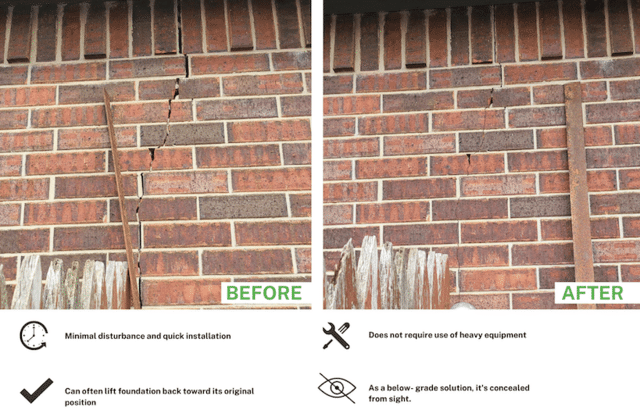
When a foundation settles due to unstable soil, the most reliable solution is to support it from below. This is typically done by installing steel piers. Think of them as underground stilts for your house. These piers are driven deep into the ground, past the reactive clay soil, until they reach a solid, load-bearing layer of soil or bedrock. The weight of your home is then carefully transferred onto these piers. This process not only stabilizes the foundation and prevents further sinking but can also lift the settled portion of the home back toward its original position, addressing issues like sticking doors and wall cracks.
Repairing Foundation Walls
Bowing or cracking foundation walls are a sign of intense lateral pressure from the surrounding soil. Professional foundation repair for these issues focuses on reinforcing the wall to withstand that pressure. Depending on the severity, solutions can include applying carbon fiber straps, which are incredibly strong and bond directly to the wall to prevent further movement. For more significant bowing, wall anchors or other reinforcement systems may be used to pull the wall back and secure it. These methods restore the structural integrity of your foundation walls and protect your basement or crawl space from further damage.
Lifting and Leveling Concrete Slabs
Sunken or uneven concrete slabs on your driveway, patio, or walkway aren’t just an eyesore; they can also be a tripping hazard and a sign of underlying soil issues. Rather than going through the disruptive process of demolition, professionals can often lift the existing concrete. This is achieved by injecting a high-density polyurethane foam beneath the slab. The foam expands, filling any voids in the soil and gently raising the concrete back to its correct level. This process is quick, clean, and addresses the root cause of the problem—unstable soil—without the mess of a major construction project.
Waterproofing Your Basement or Crawl Space
Foundation problems and water intrusion often go hand-in-hand. Cracks can let water in, and excess moisture can worsen soil-related issues. A complete solution often includes basement waterproofing or crawl space repair. This can involve sealing cracks, installing an interior drainage system to capture any water that enters, and directing it to a sump pump that safely removes it from your home. In crawl spaces, encapsulation with a durable vapor barrier isolates the space from ground moisture, creating a clean, dry area that supports the health of your entire home and prevents future moisture-related problems.
What to Do When You Spot a Warning Sign
If you’ve spotted any of the warning signs described above, here is the recommended approach:
- Document what you see. Take photos of cracks, gaps, and other damage. Note the date so you can track whether conditions worsen.
- Monitor over time. Mark the ends of cracks with tape or pencil and check them monthly. Growing cracks confirm active movement.
- Check your drainage. Make sure gutters direct water away from the foundation and that the ground slopes away from the house on all sides.
- Schedule a professional inspection. A qualified foundation specialist can assess whether the signs indicate structural movement and recommend the right solution for your home’s specific conditions.
Vesta Foundation Solutions offers a free inspection for homeowners across Oklahoma City, Tulsa, Edmond, Stillwater, and surrounding areas. A trained specialist will evaluate your foundation, explain what they find, and provide options tailored to your situation, with no obligation.
Get a Professional Inspection
Seeing signs of foundation trouble can be unsettling, but getting a clear, expert opinion is the most important next step. A qualified foundation specialist can determine if the issues you’re seeing are cosmetic or signs of active structural movement. During an inspection, a professional will examine your home’s interior and exterior, assess the surrounding landscape and drainage, and use their expertise to pinpoint the root cause of the problem. This comprehensive evaluation is crucial for recommending a solution that addresses your home’s specific conditions. At Vesta, our specialists provide a thorough assessment to give you a complete understanding of your home’s health, helping you make an informed decision without any pressure.
What to Look for in a Foundation Repair Contractor
Once you have a diagnosis, choosing the right partner for the repair is critical. You’ll want a contractor with a proven track record of working with Oklahoma’s unique soil conditions. Look for a company with a strong local reputation, positive customer reviews, and the ability to offer a range of solutions. A reputable contractor won’t offer a one-size-fits-all fix; instead, they will explain why a specific approach, like using helical piers or other support systems, is the best fit for your home. Transparency is key, so make sure they provide a detailed, easy-to-understand proposal that outlines the scope of work and the reasoning behind it.
Does Homeowners Insurance Cover Foundation Repair?
This is one of the most common questions homeowners have, and the answer depends entirely on the cause of the damage. As a general rule, homeowners insurance may cover foundation repair if the damage is the result of a specific, covered peril listed in your policy. These often include sudden and accidental events like a burst pipe flooding the soil under your home, a fire, or damage from a tornado. If a covered event leads to foundation problems, your policy might help with the repair process.
However, most standard insurance policies explicitly exclude damage caused by gradual soil movement, which is the primary source of foundation issues in Oklahoma. Problems arising from expansive clay soil, long-term settlement, drought, or poor drainage are typically considered maintenance-related and are not covered. According to Experian, coverage for events like earthquakes or widespread flooding usually requires separate, specialized insurance policies. Because the most common causes of foundation trouble in our area are gradual, it’s rare for a standard policy to apply.
The best course of action is to review your policy documents carefully and speak directly with your insurance agent to understand your specific coverage. They can clarify what is and isn’t included in your plan. Regardless of insurance coverage, addressing structural issues is essential for protecting the safety and value of your home. A stable foundation is the bedrock of your property, and ensuring its integrity is a vital part of homeownership, whether you’re dealing with a shifting foundation or need to explore basement waterproofing to prevent future issues.
Frequently Asked Questions
Are cracked tiles a sign of foundation problems?
They can be. Cracked tiles, especially when they appear in a grid pattern without any impact, may indicate that the foundation beneath them has shifted. If you notice cracked tiles along with other signs like sticking doors or wall cracks, it is worth having your foundation evaluated.
What is the difference between normal settling and foundation problems?
All homes settle slightly over time. Normal settling produces minor hairline cracks that remain stable. Foundation problems produce cracks that grow, doors and windows that progressively stick, floors that slope, and visible gaps between building components. Multiple worsening signs are the distinguishing factor.
How quickly should I act if I see signs of a bad foundation?
Early action is always better. Foundation problems tend to worsen over time as the underlying soil conditions continue to change. Addressing signs early, before cracks widen or walls begin to bow, generally results in simpler and less disruptive solutions.
Does Oklahoma’s clay soil really affect my foundation?
Yes. Oklahoma’s expansive clay soil is one of the primary drivers of foundation movement in the state. The soil expands significantly when wet and contracts during drought, creating the uneven pressure that causes differential settlement. Homes built on this soil type require regular monitoring for signs of foundation damage.
Can foundation problems affect my crawl space?
Absolutely. Foundation movement can cause crawl space walls to bow or crack, create moisture intrusion pathways, and compromise structural supports. If your home has a crawl space, include it in your inspection routine. Vesta Foundation Solutions provides comprehensive crawl space repair services to address these issues.
Vesta Foundation Solutions serves homeowners across Oklahoma City, Tulsa, Edmond, and surrounding communities in Oklahoma. If you have noticed any of the warning signs described in this article, schedule your free inspection today.
Key Takeaways
- Oklahoma’s Soil is Uniquely Challenging: The local expansive clay soil is highly reactive; it swells when wet and shrinks when dry. This constant movement creates uneven support for your home and is the root cause of most foundation problems in the area.
- Distinguish Between Settling and Structural Issues: While minor cracks can be normal, active foundation problems show up as patterns. Look for cracks that are growing, doors that stick consistently, noticeable floor slopes, or new gaps appearing between walls and ceilings.
- Control Water to Protect Your Foundation: Managing moisture around your home is the most effective preventative step, which includes ensuring proper drainage and maintaining consistent soil moisture during dry spells. If you already see warning signs, the next step is to schedule a professional inspection for an accurate diagnosis.