
Schedule your free foundation inspection today and find out exactly what your home needs, with zero obligation.
Hearing your home needs foundation repair is stressful enough. Then the big question hits: Do I have to move out? Let me put your mind at ease. For most Oklahoma homeowners, the answer is a resounding no. You can absolutely stay in your house while the work gets done. At Vesta Foundation Solutions, we’ve perfected our process to keep disruptions minimal. We want to show you exactly what to expect during foundation repair, so you can feel confident and comfortable from start to finish while we secure your home.
This guide covers everything you need to know about living in your home during foundation repair, including what the process looks like, how long it takes, what disruptions to expect, and practical tips for staying comfortable throughout the project.
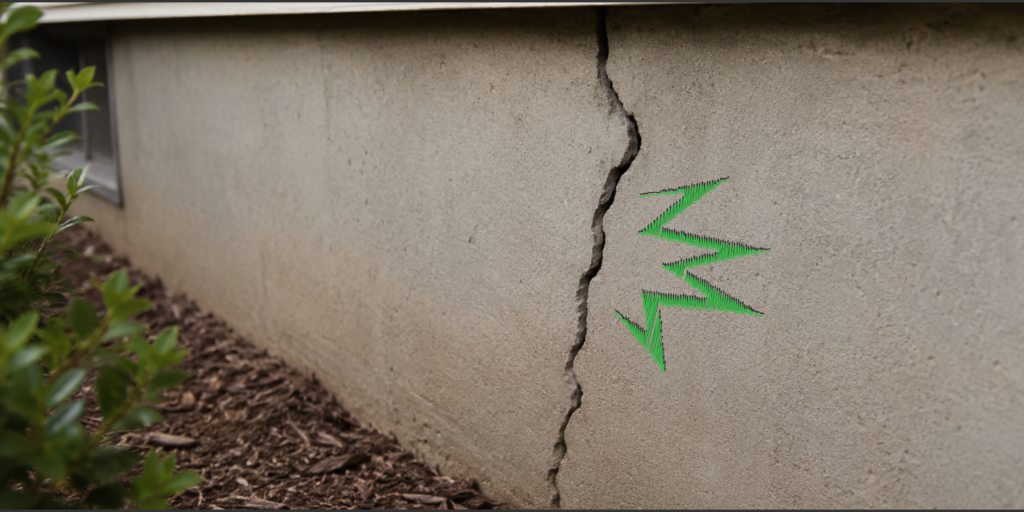
Can I Stay Home During Foundation Repair?
For the vast majority of foundation repair projects, there is no need to relocate. Designers create modern repair methods like helical piers, push piers, and concrete leveling to be efficient and minimally invasive. Most of the work happens around the exterior perimeter of your home or beneath it, which means your kitchen, bedrooms, and living areas remain accessible.
At Vesta Foundation Solutions, our crews train to work around your schedule and minimize disruption. We complete most residential projects within one to three days, and homeowners stay on-site throughout the process. Your daily life continues: you can cook meals, take showers, sleep in your own bed, and go about your normal routine.
The only exception is when a project involves extensive structural lifting or requires the disconnection of utilities. We will always communicate clearly if temporary relocation is recommended, as these situations are rare for typical residential repairs in Oklahoma.
Common Causes of Foundation Problems
Understanding what’s causing a foundation problem is the first step toward finding a lasting solution. In Oklahoma, our homes face a unique set of challenges from the ground up. From the soil beneath our feet to the weather patterns we experience, several factors can put stress on your home’s foundation. Let’s walk through the most common culprits so you can get a clearer picture of what might be happening with your property.
Expansive Clay Soil in Oklahoma
One of the biggest challenges for foundations in our state is the soil itself. Much of Oklahoma is built on expansive clay soil, which acts like a sponge. When it rains, this clay soil absorbs water and swells, and during dry spells, it shrinks and hardens. This constant cycle of swelling and shrinking exerts immense pressure on your foundation, causing it to shift, settle, and crack over time. You might notice doors that stick or cracks appearing in your drywall—these are often early signs that the soil is moving your foundation. A professional foundation repair plan is designed to stabilize your home against this powerful, ongoing soil movement.
Poor Soil Preparation and Erosion
The stability of your home begins with the ground on which it was built. If the builders did not properly compact the soil before pouring the foundation, it can settle unevenly over the years, causing parts of your foundation to sink. Another issue is erosion. Water from heavy rain or poor drainage can gradually wash away the soil that supports your foundation’s edges. This creates voids and leaves sections of the foundation unsupported, leading to settling and structural stress. This is particularly concerning for homes with crawl spaces, where soil erosion can also lead to moisture and pest problems that require professional crawl space repair.
Water and Hydrostatic Pressure
Water is a foundation’s number one enemy. Heavy rain or poor drainage saturates the soil around your home, creating what’s known as hydrostatic pressure. This is simply the weight of water pushing against your foundation walls. Over time, this relentless pressure can cause basement walls to bow inward and crack, allowing water to seep into your home. If you’ve noticed dampness, water stains, or active leaks in your basement, hydrostatic pressure is a likely cause. Effective basement waterproofing systems relieve this pressure and redirect water away from your foundation, keeping your lower level dry and secure.
Tree Roots, Age, and Seismic Activity
Sometimes, the cause of foundation trouble is growing right in your yard. The roots of large, mature trees can extend underneath your home, and as they grow, they can push up against the foundation, causing it to lift and crack. These same roots also draw huge amounts of moisture from the soil, which can cause the ground to shrink and your foundation to settle. Beyond nature, the simple passage of time and minor seismic activity common in Oklahoma can also contribute to wear and tear on a foundation. If you’re unsure what’s causing the issues in your home, the best course of action is to have an expert take a look. We can help you identify the root cause with a free, no-obligation inspection.
What to Expect: The Foundation Repair Process
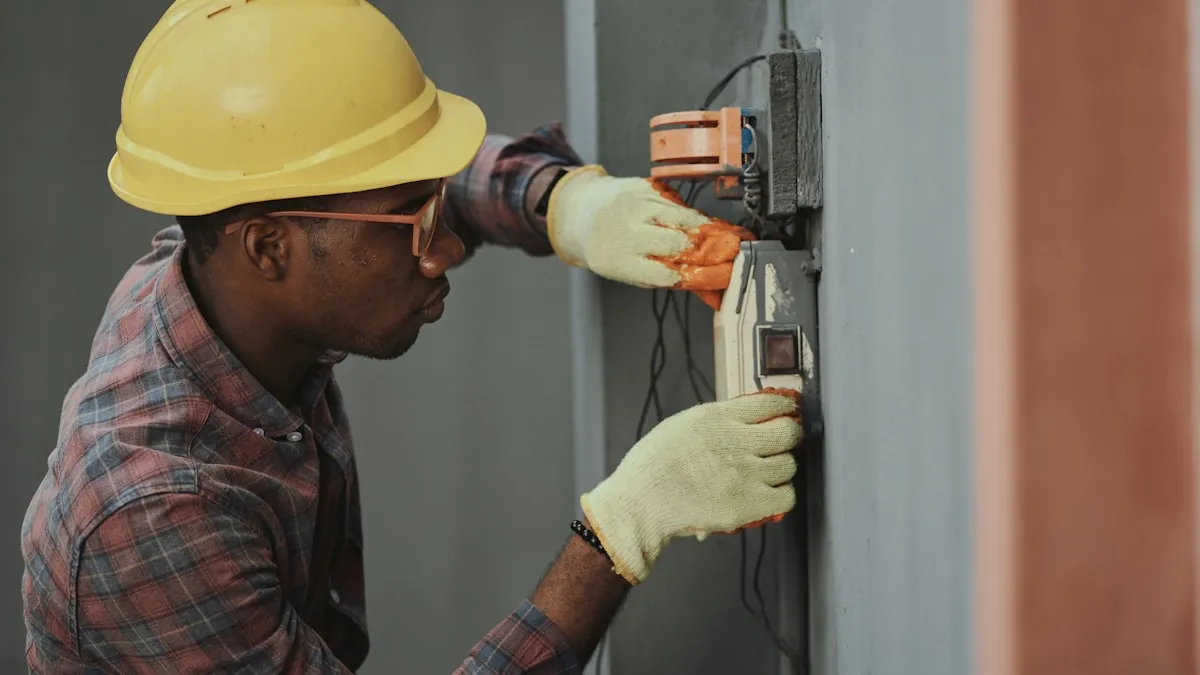
Knowing what happens during a foundation repair helps you prepare and sets realistic expectations for your experience at home. Here is a step-by-step look at how Vesta Foundation Solutions handles a typical project.
Step 1: The Initial Inspection
Every project starts with a thorough inspection of your foundation. Our experts evaluate the severity of settlement, cracking, or structural shifting and identify the root cause. You receive a detailed repair plan with transparent recommendations.
The 60-90 Minute Assessment
During your scheduled appointment, one of our foundation specialists will conduct a thorough assessment of your property that typically takes between 60 and 90 minutes. This isn’t just a quick look around; it’s a comprehensive evaluation. The specialist will inspect your home both inside and out, looking for tell-tale signs of foundation issues like cracks in your drywall or brick, uneven floors, or bowing walls. To get a precise understanding of the situation, they will create a digital map of your home’s layout and take measurements to determine how level your floors are. This detailed process ensures we have all the necessary information to pinpoint the exact cause of the problem before recommending a solution. Think of it as a complete health check-up for your home’s foundation.
Your Detailed Repair Proposal
Transparency is key, which is why you won’t be left waiting for answers. Within 24 hours of the inspection, we will send you a detailed proposal outlining our findings and recommendations. This isn’t a generic quote; it’s a customized plan tailored specifically to your home. The proposal includes a drawing of your property that illustrates where the issues are and a clear, step-by-step repair plan explaining the proposed foundation repair solution. We aim to provide you with a complete picture of what you need to do to stabilize your home, empowering you to make an informed decision with confidence. You’ll understand exactly what we recommend and why.
Step 2: Getting Your Property Ready
On the day of repair, our crew arrives during normal business hours and prepares the work area. This typically involves clearing a path around the exterior of your home, setting up equipment, and protecting landscaping and walkways. If any interior access is needed (such as in a crawl space or basement), we coordinate that with you in advance.
Handling Permits and Utilities
Before any work begins, our team at Vesta handles the necessary city permits for your project. This ensures everything is done correctly and meets local regulations, so you don’t have to worry about the paperwork. We also take careful steps to prepare your home’s utilities. If the repair plan involves lifting the foundation, we may need to expose certain utility lines, such as plumbing and electrical connections, to ensure they can move freely without sustaining damage. This is a standard precaution our crews take to safeguard your home’s essential systems and is a critical part of a professional foundation repair process.
Site Preparation and Access
To give our crew clear and safe access to the foundation, we’ll ask you to clear the immediate work area. This usually means moving items like patio furniture, grills, potted plants, or vehicles parked near the house. Creating this space allows our team to work efficiently and helps protect your belongings. Our crew will also take precautions on-site, such as laying down protective coverings on walkways or landscaping where necessary. We understand your property is important, and we take great care to minimize our footprint while we work to restore your home’s structural integrity.
Interior Protection Measures
Even when most of the work is outside, we take steps to keep the inside of your home clean and comfortable. If any dust is expected, our crew will cover nearby furniture with plastic sheeting and lay down tarps to protect your floors. We may also recommend temporarily turning off your heating or cooling system to prevent dust from circulating through the vents. If our team needs to access a crawl space or basement, we will protect the path from the entry point to the work area, ensuring your home is treated with respect from start to finish.
Step 3: Performing the Repair
For most foundation repairs in Oklahoma, we install either helical piers or push piers to stabilize and lift your foundation back to its proper position. This work happens at the foundation perimeter. Helical piers are screwed into stable soil below your home, while push piers are hydraulically driven to load-bearing bedrock. Both methods require digging small access holes around the foundation, but the work stays outside your main living areas.
If your home needs foundation wall repair, the process may include reinforcing bowing or cracked walls using carbon fiber strips, wall anchors, or steel braces. Some of this work happens from inside the basement, but it typically does not require you to vacate the home.
Creating Access Tunnels
In some cases, to reach the strongest parts of your home’s foundation, our crew may need to create small access tunnels. Don’t worry, this sounds more dramatic than it is! Workers carefully dig these tunnels under your house, which allows them to get to the thicker parts of your foundation—often called grade beams—without disrupting your home’s interior. This approach is strategic, ensuring that when we install support piers, they are placed in the most effective locations to provide maximum stability for your home. It’s a precise and controlled process that keeps the heavy work contained outside and underneath the structure.
Foundation Repair Methods
Once we have access, we use proven methods to address the specific issues your foundation is facing. Common repair solutions include installing piers, like push and helical piers, to lift a sinking foundation, or using helical tie-backs to stabilize leaning walls. You can use polyurethane injections to stabilize the soil your home sits on for issues related to the ground. You choose each method based on your home’s unique needs, which you determine during your initial, no-obligation inspection. Our goal is always to provide a permanent solution that addresses the root cause of the problem, not just the symptoms you see.
Stabilizing with Helical and Push Piers
For homes experiencing settlement, the most common solution is to install piers that act like stilts, transferring the weight of your home to stable soil or bedrock deep underground. The actual lifting is a slow and steady process involving hydraulic jacks. We carefully place these jacks in the access tunnels beneath the foundation beams and use them to gently raise the house. Once we lift the foundation to the maximum practical level, we secure the piers, providing permanent support and preventing future sinking. This method is highly effective for correcting settlement issues common in Oklahoma soil.
Correcting Bowing Walls
If your foundation issues include bowing or leaning basement walls, the repair looks a little different. Instead of lifting from below, the focus is on reinforcing the walls to prevent further movement and potential collapse. Our team may reinforce bowing or cracked walls by applying ultra-strong carbon fiber strips directly to the wall, depending on the situation. In other cases, we might use wall anchors or steel braces to pull the wall back and secure it. You often do this work from inside your basement or crawl space, but you design it to be as minimally disruptive as possible.
Soil Stabilization with Polyurethane
Sometimes, the problem isn’t just the foundation but the soil beneath it. Loose or weak soil can lead to voids and settlement over time. To solve this, we use polyurethane injections to stabilize the soil. This process involves injecting a specialized, two-part polymer foam into the ground beneath your foundation. The foam expands, filling any gaps and compacting the surrounding soil, which increases its load-bearing capacity. It’s a clean, fast, and effective way to create a solid base for your home, addressing the underlying cause of settlement without major excavation.
Step 4: Tidying Up and Backfilling
Once the crew installs the piers and stabilizes the foundation, they backfill the excavated areas, restore the landscaping to its original condition, and clean up the work site. Most homeowners are surprised by how quickly their yard looks normal again.
Step 5: Your Final Walkthrough
We walk you through everything we completed, explain how the repair protects your home going forward, and answer any questions you have. Your warranty documentation is provided at this time.
What to Expect After the Repair
Once our crew packs up and your yard is back to normal, the real peace of mind begins. Your home is now on solid ground, but it will go through a short adjustment period. Knowing what to expect in the weeks and months following the repair will help you feel confident as your house settles into its newly stabilized position. Here’s a look at what comes next.
Understanding Maximum Practical Recovery
After the repair, your foundation will be lifted to what we call its “maximum practical recovery.” This means we raise the foundation as much as possible to stabilize it without causing new problems, like damaging your plumbing, roof, or interior walls. The primary goal of a foundation repair is to create a permanent, stable solution—not necessarily to make your floors perfectly level. This careful approach protects the structural integrity of your entire home for the long haul. These repairs are designed to last, giving you a secure foundation for many years to come.
Cosmetic Cracks and Settling
As your home adjusts to its new position, you might notice a few small, cosmetic cracks appearing in your drywall. Don’t be alarmed; this is a completely normal part of the process. As the frame of the house settles onto the stabilized foundation, minor shifts can occur. These hairline cracks can typically be fixed with a bit of caulk and paint. If you have brick walls, you may need some simple mortar repair. We recommend waiting about two to three months before tackling any major cosmetic updates or renovations, like painting or installing new flooring, to give your home ample time to fully settle.
Potential Plumbing Adjustments
When a foundation is lifted, especially after years of settlement, it can sometimes affect the rigid plumbing lines that run beneath your home. While it doesn’t happen on every project, it is a possibility to be aware of. The movement can cause stress on pipes, potentially leading to leaks. We always recommend having a plumber perform a quick inspection after the foundation work is complete, just to be safe. Catching a small plumbing issue early is much easier than dealing with a larger water problem down the road, ensuring your home remains both stable and dry.
How Long Does Foundation Repair Take?
The timeline for foundation repair depends on the scope and type of work involved. Here is what you can generally expect:
| Repair Type | Typical Duration | Stay Home? |
|---|---|---|
| Helical pier installation (5-10 piers) | 1-2 days | Yes |
| Push pier installation (5-10 piers) | 1-3 days | Yes |
| Foundation wall repair | 1-2 days | Yes |
| Concrete leveling | Half day to 1 day | Yes |
| Crawl space encapsulation | 2-3 days | Yes |
| Extensive structural repair (15+ piers) | 3-5 days | Yes, in most cases |
For most residential projects in Oklahoma, the work wraps up within one to three days. If your home needs more extensive work, such as a large number of piers or combined foundation and waterproofing repairs, the project may stretch to a week. Even in those cases, you can typically remain at home.
For a detailed breakdown of timelines for each repair method, read our Foundation Repair Timeline Guide.
Your Home Life During Foundation Repair
Understanding what disruptions to anticipate helps you plan ahead and stay comfortable. Here are the most common things homeowners experience while living through a foundation repair project.
What About the Noise?
Foundation repair involves equipment like hydraulic presses, drilling rigs, and small excavators. Expect noise levels similar to nearby construction work or a neighbor repaving their driveway. The noise is limited to normal business hours, typically between 7:30 AM and 5:00 PM. By evening, the crew is gone and your home is quiet again.
If you work from home, plan to use noise-canceling headphones during peak work hours or schedule calls for early morning or late afternoon when the crew may be doing quieter tasks.
Will There Be Vibrations?
Some homeowners notice mild vibrations during pier installation, particularly when hydraulic equipment is actively pressing piers into the ground. These vibrations are brief and localized, similar to what you might feel from heavy traffic passing your home. They are not harmful to your home’s structure.
Dealing with Dust and Debris
Exterior excavation can generate dust, especially during dry Oklahoma weather. Our crews take measures to control dust and protect surrounding areas. If any interior work is needed, we use plastic sheeting and drop cloths to contain dust. Any debris is removed at the end of each workday.
Areas You Might Need to Avoid
Depending on where the repair work focuses, you may temporarily lose access to certain entry points or exterior areas. For example, if the crew works along the back of the house, they may block your back door for a few hours. We always maintain at least one clear entry and exit from your home.
Will My Power or Water Be Shut Off?
For the vast majority of residential foundation repairs, your water, electricity, and gas remain fully operational. If a rare situation requires a brief utility interruption (such as temporarily shutting off water to work near a plumbing line), you will be notified well in advance.
When You Might Consider Staying Elsewhere
While most homeowners stay home comfortably, there are a few situations where you might prefer to make other arrangements:
- Sensitivity to noise or construction: If you have infants, elderly family members, or pets that are easily stressed by loud sounds, you may want to plan a day outing or short stay elsewhere during the noisiest phase of work.
- Severe structural damage: In extremely rare cases where the foundation has deteriorated to the point of structural instability, our team may recommend temporary relocation for your safety. We will always communicate this clearly before work begins.
- Personal preference: Some homeowners simply prefer not to be around active construction. That is completely fine. The repair itself does not require you to leave; it is purely a comfort choice.
Even when temporary relocation is considered, it is usually only for a day or two during the most intensive phase of the project, not for the entire duration.
How to Stay Comfortable During Foundation Repair
Preparation is the key to a smooth experience. These practical tips will help you stay comfortable while our crew works on your foundation.
What to Do Before the Crew Arrives
- Clear the perimeter: Move patio furniture, planters, grills, and outdoor decor at least six feet away from your foundation walls. This gives the crew room to work efficiently.
- Protect interior items: If any interior work is planned, move valuables and fragile items away from the work area. Cover furniture with plastic sheeting.
- Inform your neighbors: Let your neighbors know about the upcoming work so they are not surprised by equipment or noise.
- Arrange pet accommodations: Consider boarding pets or keeping them in a quiet room on the opposite side of the house from the work area.
- Stock up on essentials: Have meals, snacks, and entertainment ready so you do not need to navigate around the work zone frequently.
Making Life Easier During the Repair
- Communicate with the crew: Our team leaders check in with you regularly, but do not hesitate to ask questions about the timeline, progress, or anything that concerns you.
- Stay out of active work zones: For your safety, keep a safe distance from excavation areas, heavy equipment, and active drilling.
- Maintain your routine: Go to work, run errands, and carry on with your daily schedule. The crew handles everything outside while you live your life inside.
- Use air filters: If you notice any dust, running an air purifier in the rooms nearest the work area can help maintain indoor air quality.
What to Do After We Leave
- Walk through results with the crew: Take the time to understand what was done and how it protects your home.
- Monitor for settling: It is normal for small cosmetic cracks to appear as your home adjusts to its corrected position. These can be patched once everything has fully settled.
- Schedule follow-up if needed: If you notice anything unusual after the repair, contact us for a follow-up evaluation.
Waiting for Your Home to Settle
After your foundation repair is complete, especially if your home was lifted, it needs a little time to adjust to its new, stable position. Think of it like your house taking a deep breath and settling into place. During this period, it’s completely normal to see small cosmetic cracks appear in your drywall or notice that old cracks have shifted. This isn’t a cause for alarm; it’s actually a sign that the structure is acclimating correctly. We recommend holding off on any cosmetic fixes—like patching drywall, caulking gaps, or repainting—for a few months. Giving your home this time to settle ensures that when you do make those cosmetic touch-ups, they’ll be a lasting fix.
Why Oklahoma Homes Are Prone to Foundation Issues
Oklahoma’s soil conditions create unique challenges for residential foundations. The state’s expansive clay soils absorb large amounts of water during spring rains and shrink significantly during hot, dry summers. This constant cycle of swelling and shrinking puts tremendous pressure on foundations, leading to settlement, cracking, and structural shifting over time.
Homes in Oklahoma City, Tulsa, Edmond, and surrounding areas are particularly susceptible to these soil-related foundation issues. Recognizing the signs of foundation problems early allows you to address them before they worsen, which also means a shorter, less disruptive repair process.
The Long-Term Benefits of Professional Repair
Choosing to move forward with foundation repair is a significant decision, but it’s one of the most important investments you can make in your home’s health and longevity. While the repair process itself is relatively short, the benefits extend for decades. A professional repair isn’t just a patch; it’s a permanent solution that addresses the underlying cause of the problem—something especially critical with Oklahoma’s volatile clay soils. By stabilizing your home on solid ground, you’re not just fixing cracks in the wall. You are safeguarding your property’s value, preventing a cascade of future structural problems, and gaining invaluable peace of mind.
Think of it as setting your home up for long-term success. Instead of repeatedly patching cosmetic symptoms like drywall cracks or sticking doors, you’re solving the root issue once and for all. This proactive approach protects the entire structure, from the roofline to the plumbing lines running beneath the slab. A professionally repaired foundation means your home is secure, stable, and ready to handle whatever our Oklahoma weather throws at it. It’s a comprehensive solution that ensures your house remains a safe and solid home for years to come.
Durability and Warranties
When you invest in professional foundation repair, you are investing in a durable, long-term solution. Methods like installing helical or push piers are engineered to last, anchoring your home to stable soil layers or bedrock deep beneath the problematic surface soil. This process provides a level of stability that addresses the core problem, ensuring the fix is permanent, not temporary. The goal is to restore your home’s structural integrity for good, so you don’t have to worry about the same issues reappearing down the road. A professional job is built to withstand the test of time.
A key component of this long-term security is the warranty. Reputable foundation repair companies stand firmly behind their work with comprehensive, often transferable warranties. This documentation is your assurance that the job was done right and that the company will be there to support their solution in the future. A strong warranty not only protects your investment but also adds significant value and confidence, especially if you decide to sell your home later. It’s a testament to the quality and durability of the repair.
Protecting Your Property’s Value
Your home is one of your biggest assets, and its value is directly tied to its structural soundness. Foundation problems can be a major red flag for potential buyers, often leading to lowball offers or difficulty selling the property at all. Addressing these issues with a professional repair is one of the most effective ways to protect and even enhance your property’s value. When you can provide documentation of a professional repair from a trusted company like Vesta Foundation Solutions, complete with a transferable warranty, you eliminate buyer uncertainty and restore confidence in your home’s condition.
Beyond the structural aspect, a stable foundation prevents the secondary cosmetic damage that detracts from your home’s appeal. Chronic issues like recurring drywall cracks, uneven floors, and doors that won’t close properly are often symptoms of foundation settlement. By fixing the foundation, you also resolve these persistent annoyances. This not only makes your home more enjoyable to live in but also ensures it presents beautifully to future buyers, helping you maintain its maximum market value.
Preventing Future Damage
A settling foundation rarely causes just one problem. It sets off a chain reaction of stress throughout your entire house. A small shift in the foundation can lead to misaligned window and door frames, cracks in brickwork, and even damage to your roof. Perhaps most critically, foundation movement can put immense strain on the plumbing lines that run through or under your slab, leading to leaks that can cause even more foundation and water damage. By addressing the foundation issue promptly, you stop this domino effect in its tracks.
Think of professional foundation repair as a preventative measure for your entire home. You’re not just fixing a crack; you’re preventing broken pipes, warped framing, and a host of other expensive and disruptive repairs that would have inevitably followed. Investing in a stable foundation today saves you from much larger headaches and expenses in the future. It’s a strategic move that protects the integrity of your entire home structure from the ground up.
Water Management Strategies
Foundation cracks and water intrusion are often two sides of the same coin. When your foundation settles or shifts, it can create pathways for water to enter your basement or crawl space. This is a huge concern in Oklahoma, where heavy spring rains can lead to significant hydrostatic pressure against your foundation walls. A professional repair that seals these cracks is your first line of defense against moisture. Paired with comprehensive basement waterproofing solutions, it creates a robust barrier that keeps your lower level dry, healthy, and usable.
Proper water management is also crucial for your crawl space. A compromised foundation can lead to a damp, humid crawl space, which is a breeding ground for mold, mildew, and wood rot that can affect your home’s structure and air quality. A complete crawl space repair, including encapsulation with a vapor barrier, ensures this area remains dry and clean. By integrating foundation repair with smart water management, you protect your home from both structural and moisture-related damage.
Smart Landscaping Choices
After your foundation is professionally repaired, you play a key role in its long-term stability through smart landscaping. The goal is to maintain consistent moisture levels in the soil around your home, preventing the extreme swelling and shrinking of Oklahoma’s clay soil. One of the most important steps is ensuring your yard has proper grading. The ground should slope away from your foundation, directing rainwater away from the house rather than letting it pool at the base of your walls. Extending downspouts is another simple but effective way to channel water away.
Be mindful of what you plant near your home. Large trees with extensive root systems can draw massive amounts of moisture from the soil, causing it to shrink and your foundation to settle. As a general rule, plant large trees at least as far away from your home as they will be tall at maturity. By making smart landscaping choices, you become an active partner in protecting your foundation and ensuring the professional repairs last a lifetime. If you have questions, a Vesta expert can offer guidance during your free inspection.
How Vesta Foundation Solutions Minimizes Disruption
Our approach is designed to make the repair process as seamless as possible for your household:
- Thorough pre-project planning: We map out every detail before the crew arrives, so there are no surprises on repair day.
- Clear communication: You receive a detailed timeline, know exactly which areas will be affected, and get regular progress updates throughout the project.
- Efficient repair methods: Our patented foundation repair products, including helical piers and push piers, are engineered for fast, minimally invasive installation.
- Professional cleanup: We leave your property looking the way we found it, handling all debris removal and backfilling before we leave.
- Warranties on all work: Every repair comes with a warranty for long-term peace of mind. You can trust that the job is done right the first time.
FAQ: Living in Your Home During Foundation Repair
So, can I really stay home during the repair?
Yes, you can live in a house during foundation repair in the vast majority of cases. Modern repair methods like helical piers and push piers are designed to be minimally disruptive, with most work happening around the exterior of the home.
What’s the typical timeline for a repair?
Most residential foundation repairs take one to three days to complete. Larger projects involving many piers or combined services may take up to a week. You can stay home throughout the process.
What about my yard and plants?
Our crew takes precautions to protect your landscaping. Small excavation areas are backfilled and restored after the work is completed. Some minor replanting may be needed around the immediate work area, but the impact is typically minimal.
Is it safe for kids and pets to be home?
Yes, as long as they stay away from active work zones. Consider keeping pets indoors on the opposite side of the house from the work area, and supervise young children to ensure they do not wander near equipment or excavation sites.
Will my utilities be disrupted?
Yes. Residential foundation repairs almost never require utility shutoffs. In the rare event a brief interruption is needed, you will be notified in advance.
What if my foundation needs interior work?
Some repairs, such as basement wall reinforcement or crawl space work, require interior access. Even in these cases, the disruption is limited to specific areas of your home, and you can continue using the rest of the house normally.
Should I move furniture for the repair?
For exterior-only repairs, no furniture moving is required. If interior work is planned, we will let you know which areas need to be cleared in advance so you have time to prepare.
Ready for a Solution? Get a Free Inspection
If you suspect your home has foundation issues, do not wait for the problem to get worse. The sooner you address foundation damage, the faster and less disruptive the repair process will be.
Schedule your free inspection with Vesta Foundation Solutions today. We serve homeowners throughout Oklahoma City, Tulsa, Edmond, and all surrounding areas in Oklahoma. Call us at 1-405-213-0492 or fill out our online form to get started.
Key Takeaways
- Staying Home is Standard Practice: You can almost always live in your home during foundation repair. The process is designed to be minimally invasive, with most work happening outside during the day, so your daily routine remains largely unaffected.
- A Little Prep Makes a Big Difference: To ensure a smooth process, prepare by clearing the work area around your home’s exterior. Staying in communication with the crew leader will also help you know what to expect each day, from start to finish.
- Expect a Brief Settling-In Period: Once the repair is complete, your home will adjust to its newly stabilized position. It is normal to see small, cosmetic cracks appear, so plan to wait a few months before tackling any painting or drywall touch-ups.
Related Articles
- How Long Does Foundation Repair Take? | Timeline Guide
- Foundation Problems – Vesta Foundation Solutions
- Foundation Repair Oklahoma City | Free Inspection
- Foundation Soils | Foundation Repair & Basement Waterproofing
- How Drought Affects Your Home’s Foundation – Foundation Repair & Basement Waterproofing