
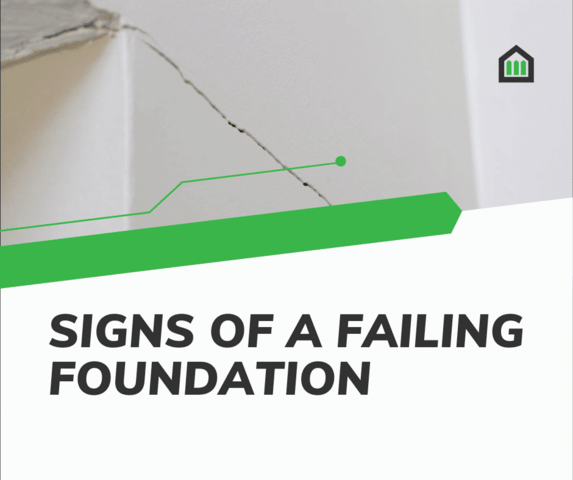
That sticky door or the new crack in your drywall might seem like minor annoyances. But often, they’re your home’s way of telling you something is wrong underneath. Ignoring these messages can lead to serious structural damage and incredibly costly repairs. The key is to act early. By learning to spot the critical signs of a failing foundation, you can address issues before they become a catastrophe. We’ll show you exactly what to look for to keep your home safe and sound.
1. Sticking windows and doors
When one’s foundation moves even a tiny amount, you may begin noticing your doors and windows are difficult to open. This small amount of shifting in one’s foundation can cause the frames around the window and doors to move as well.
2. Cracks in the floor
You may have a foundation concern if you begin to notice a straight-ish crack that runs wall-to-wall.
3. Uneven and bowing floors
Areas of the floor have begun to sink, heaved, or at a slope. Also, beware of floors that have separated from the wall.
4. Diagonal cracks: At the corners of doors and windows
This could be another possible sign of a foundation issue. Diagonal cracks that run along
5. Cracked and bowed walls
Cracked and bowed walls can also signify that you may have a foundation concern. If you have wallpaper on your walls and you begin to see a tear, which may be caused by the cracked or bowing wall underneath. You can also start to look for cracks between windows and doors. When your floors are not in sync with one another, it can cause your molding to crack or tear away from the wall or ceiling.
6. Wall Rotation
The soil underneath your home’s exterior could get saturated with water. The weight of the building pushing down on the foundation causes the outside edge of the foundation to sink further into the soil. Wall rotation can be a severe issue for your foundation.
7. Stair step cracks (interior and exterior)
When the foundation begins to sink, it can often cause cracks in the bricks. Sometimes these cracks can run through the brick and mortar between them. However, this may only affect the mortar
8. Wall Separation
When your foundation moves, this may cause gaps to appear between your walls and ceiling. This can even cause separation between your floors and walls as well.
9. Porches and Chimney separation
A leaning chimney or detached porch could indicate signs of foundation failure
10. Water within the basement
When water begins to enter through the basement walls could be a sign of issues with your foundation.
—
Vesta Foundation Solutions is an award-winning Oklahoma City foundation repair contractor and crawl space waterproofing specialist founded in 2017. We repair over 40 homes a week ranging from concrete repair to dirt crawl space solutions. We service all of Oklahoma such as: Tulsa, Yukon, El Reno Edmond.
When it comes to the long-lasting stability of your home, it is crucial to have an experienced professional to call. Vesta is a company that understands the best practices that will help restore and protect your home’s structural integrity. We provide free, no-obligation estimates in crawl space repair, foundation repair, concrete lift and leveling, and basement waterproofing.
How to Tell if a Crack is Serious
Finding a crack in your foundation can be alarming, but not every crack signals a major problem. The key is knowing how to distinguish minor settling from serious structural issues. The size, direction, and shape of a crack are the most important clues. If you spot a crack, take a closer look to see if it has any of the characteristics that point to a deeper problem. As a general rule, if you notice two or more of the signs described below, it’s a good idea to have a professional take a look. Understanding these differences can help you decide on the right next steps to protect your home’s integrity.
Crack Size
While tiny hairline cracks are often a normal part of a house settling over time, larger cracks demand more attention. Any crack wider than about 1/8 of an inch should be monitored closely. If you notice a crack is actively growing, getting wider or longer over weeks or months, it’s a clear sign that there’s ongoing movement in your foundation. This indicates that the underlying issue causing the crack is still active and likely requires professional foundation repair. Documenting the crack with photos and measurements can help you track its progress and provide valuable information to an expert during an inspection.
Horizontal Cracks
The direction of a crack tells a story about the forces acting on your foundation. While vertical cracks can sometimes be related to normal settling, horizontal cracks are almost always a red flag. A horizontal crack in a basement or foundation wall typically means there is intense pressure from the soil outside. This is often caused by water-saturated soil or frost heave, which pushes inward on the wall. This external pressure can cause the wall to bow and eventually fail if not addressed, making horizontal cracks one of the most serious types of foundation damage you can find.
Cracks That Are Wider at One End
The shape of a crack can also reveal a lot about the type of foundation movement occurring. Pay close attention to cracks that are wider at one end and narrower at the other. This V-shape often indicates that one part of the foundation is settling or sinking faster than the rest, causing a section of the wall to rotate or pull away. Similarly, cracks running at a 45-degree angle, often starting at the corners of windows or doors, are a sign of differential settlement. If you see cracks like these, or any crack that is actively leaking water, it’s a strong signal of a significant structural problem.
Other Warning Signs to Look For
Foundation problems don’t always show up as obvious cracks in the concrete. Sometimes, the signs are more subtle and appear throughout your house. These secondary symptoms are your home’s way of telling you that something is off with its underlying structure. Paying attention to these clues can help you catch an issue before it becomes more severe. From strange smells to doors that just won’t close properly, these warning signs are often connected to foundation movement or moisture intrusion, both of which can compromise your home’s stability and health. Learning to recognize these signs is a crucial part of proactive home maintenance.
Musty Smells and Mold
If you notice a persistent musty or moldy smell, especially in your basement or crawl space, don’t just dismiss it as a normal part of an older home. These smells are often the first sign of excess moisture, which can seep in through foundation cracks. This damp environment is the perfect breeding ground for mold and mildew, which can damage your home’s wooden structures and negatively affect your indoor air quality. A damp, smelly basement or crawl space is a strong indicator that your foundation’s water resistance has been compromised and needs to be inspected.
Nail Pops
Have you noticed the heads of nails seemingly pushing out from your drywall? These “nail pops” are a common sign of foundation shifting. When your foundation moves, it causes the wooden frame of your house to flex and twist. This movement puts stress on the drywall panels, causing them to shift slightly and push the nails or screws out. While a single nail pop might not be a cause for concern, seeing several of them appear across multiple walls or ceilings is a strong indication that your home is experiencing structural movement that originates from the foundation.
Gaps Around Walls, Counters, or Doors
Another telltale sign of a shifting foundation is the appearance of gaps where things used to be flush. You might see space opening up between the wall and the ceiling, or between the floor and a baseboard. Kitchen cabinets and countertops may start to pull away from the wall. These gaps occur because as the foundation settles unevenly, it pulls different parts of the house with it, creating separation. These openings don’t just look bad; they can also let in drafts, moisture, and pests, making them a problem you’ll want to address quickly.
Plumbing Problems
For homes built on a concrete slab, unexpected plumbing issues can sometimes be linked to foundation problems. As the slab foundation moves, sinks, or heaves, it can put immense pressure on the water and sewer lines running beneath or through it. This pressure can cause pipes to crack or break, leading to leaks under the slab. If you’re experiencing unexplained low water pressure, constantly clogged drains, or damp spots on your floor, it could be a sign that foundation movement is damaging your plumbing system from below.
Cracked Tiles or Caulk
Cracks in your home’s finishes can also point to foundation trouble. If you have ceramic or vinyl tile floors, look for cracks that run across multiple tiles, as this suggests the floor underneath is moving. Similarly, take a look at the caulk around your windows, doors, and bathtubs. If the caulk is constantly cracking or pulling away no matter how many times you reapply it, it’s often because the frames are shifting due to foundation settlement. These may seem like small cosmetic issues, but they can be symptoms of a much larger structural problem.
Common Causes of Foundation Problems in Oklahoma
Oklahoma’s unique climate and geology create a challenging environment for home foundations. The ground beneath our homes is constantly changing, and understanding why can help you recognize potential risks. From the type of soil we build on to our dramatic weather patterns, several local factors contribute to foundation stress. When you know what causes these issues, you can be more vigilant about spotting the early warning signs. Being aware of these common culprits is the first step in protecting your property from the specific threats it faces here in Oklahoma.
Soil Type
Much of Oklahoma is known for its expansive clay soils. Think of this soil like a sponge: when it rains, it absorbs a massive amount of water and swells up. Then, during our hot, dry summers, it shrinks and cracks as the moisture evaporates. This constant cycle of swelling and shrinking exerts incredible pressure on your foundation, causing it to lift and sink unevenly. Over time, this movement can lead to significant structural damage, making our native soil one of the primary causes of foundation problems in the state.
Poor Drainage
How water flows around your property plays a huge role in your foundation’s stability. If your home has poor drainage, water can accumulate against your foundation walls. This can happen because of clogged gutters, downspouts that release water too close to the house, or landscaping that slopes toward the home instead of away from it. This excess moisture saturates the soil, which can lead to increased pressure on your foundation walls or even wash away the soil that supports the structure, causing it to settle.
Weather Changes
Oklahoma is no stranger to extreme weather, from long periods of drought to sudden, heavy downpours. These dramatic shifts in moisture are tough on your foundation. During a drought, the soil shrinks away from the foundation, leaving it unsupported. When a heavy rain follows, the soil can become oversaturated almost instantly, causing it to swell rapidly. This “whiplash” effect of extreme shrinking and expanding puts a tremendous amount of stress on a foundation, making it unstable and prone to cracking and settling.
Tree Roots
Large, mature trees can add beauty and shade to your property, but their roots can pose a threat to your foundation. As large tree roots grow, they can push against the foundation, potentially causing cracks and uplift. In dry weather, these same roots can draw a significant amount of moisture from the soil near your home, causing that area to shrink and the foundation to settle unevenly. It’s important to be mindful of large trees planted too close to your house and manage their growth to prevent root-related foundation damage.
What to Do if You Suspect a Foundation Problem
If you’ve noticed some of the warning signs around your home, it’s natural to feel concerned. The most important thing is to act on your suspicions rather than ignore them. Foundation issues rarely get better on their own; in fact, they almost always worsen over time. Taking a proactive approach can help you get a clear understanding of what’s happening and what your options are. The process starts with confirming whether you have a real problem and then finding the right professional to help you find a solution.
Don’t Dismiss the Warning Signs
It can be tempting to explain away a sticking door or a small crack as a normal part of a house aging, but it’s always better to be safe than sorry. If you see any of the major red flags, like horizontal cracks, cracks wider than 1/8 of an inch, or multiple warning signs appearing at once (like nail pops and sticky windows), it’s time to take it seriously. These are not issues that will resolve themselves. Addressing them early can prevent them from escalating into more complex and disruptive structural failures down the road.
Is it Just Normal Settling?
It’s true that all houses settle over time, especially in the first few years after they are built. This is a normal process as the structure adjusts to the ground beneath it. Normal settling is usually uniform, meaning the entire house sinks at roughly the same rate. The problem arises when settling is uneven, or differential. This is when one part of the house sinks faster than another, putting stress on the structure. Signs like diagonal cracks, sloping floors, and doors that are out of square point to differential settlement, which is a serious issue that needs to be addressed.
Who to Call for an Inspection
When you suspect a foundation problem, you need an expert opinion to determine the cause and severity of the issue. A professional can properly diagnose the root cause, whether it’s soil, water, or another factor, and recommend the most effective way to fix it. This step is crucial because an incorrect diagnosis can lead to ineffective or unnecessary work. Getting a thorough inspection from a qualified expert ensures you have all the information you need to make the right decision for your home.
Structural Engineers vs. Foundation Repair Companies
You generally have two options for an inspection: a structural engineer or a specialized foundation repair company. A structural engineer can provide an unbiased, detailed report on your home’s condition, but their services come at a fee. On the other hand, a reputable foundation repair company can also assess the damage and propose a solution. Many homeowners start with a foundation expert, as companies like Vesta Foundation Solutions offer a free inspection. This allows you to get a professional assessment of the situation and a clear plan of action without an initial financial commitment.
Frequently Asked Questions
Are all foundation cracks a sign of a serious problem? Not necessarily. Tiny hairline cracks can be a normal part of a house settling over time. The cracks that require immediate attention are typically wider than an eighth of an inch, run horizontally across a wall, or are wider at one end than the other. These specific types of cracks often point to significant pressure on your foundation or uneven settling, which are issues you’ll want to have inspected.
My house is older. Isn’t it just settling? While all homes settle, there’s a big difference between normal settling and a structural problem. Normal settling happens uniformly, meaning the whole house sinks at a similar, slow rate. The trouble starts with differential settlement, where one part of your foundation sinks faster than another. This uneven movement is what causes issues like sloping floors, diagonal cracks around doors, and sticking windows.
Besides cracks, what are some less obvious signs of foundation issues? Foundation problems can show up in surprising ways throughout your home. You might notice nail heads starting to pop out of the drywall, or gaps forming between your walls and ceiling. Persistent musty smells in the basement or crawl space can also be a clue, as they often signal moisture seeping in through a compromised foundation. Even recurring plumbing problems can sometimes be traced back to a shifting foundation slab.
Why are foundation problems so common in Oklahoma? Oklahoma’s unique environment is particularly tough on foundations. Much of the state has expansive clay soil that swells dramatically when it’s wet and shrinks when it’s dry, creating constant movement. This, combined with our weather patterns of intense drought followed by heavy rain, puts an incredible amount of stress on a home’s structure. Poor drainage around a property can make these issues even worse.
I’ve noticed a few of these signs. What should I do now? The best first step is to have your home professionally evaluated. Ignoring these signs won’t make them go away; in fact, the underlying issue will likely worsen over time. An expert can assess the situation, determine the root cause of the problem, and explain what’s happening with your home’s structure. This gives you a clear understanding of the issue and what it will take to fix it.
Key Takeaways
- Notice your home’s subtle warnings: Sticking doors, nail pops, and gaps around your walls or counters are often the first indicators of a shifting foundation, even before major cracks appear.
- Understand what cracks are telling you: The type of crack matters; horizontal cracks, stair-step patterns in brick, and cracks wider than 1/8 of an inch typically signal a more serious structural problem than minor, vertical hairline cracks.
- Act on your concerns with an inspection: If you spot several warning signs, don’t wait for the problem to get worse. A professional inspection is the best way to determine if you’re dealing with normal settling or a significant issue that requires a targeted repair plan.