
A wet basement rarely announces itself with a flood. More often, it’s a faint musty smell, a damp patch on the wall, or that white powdery residue you keep wiping away. These early warnings are easy to dismiss, but they are your home’s first signal that something is wrong. They point directly to your home’s basement waterproofing needs. Ignoring them allows small moisture issues to grow, threatening your home’s foundation and the quality of the air you breathe. Let’s walk through the seven key signs so you know exactly what to look for.
Oklahoma homeowners face unique basement waterproofing challenges. Expansive clay soils, intense spring storms, and freeze-thaw cycles all put pressure on basement walls and floors. Recognizing the signs of water intrusion early helps you protect your home’s structure, your family’s health, and your peace of mind.
Schedule your free inspection today to find out if your basement needs waterproofing.
Below are seven warning signs that your basement needs professional waterproofing, what causes them, and when it is time to call for a free inspection.
Key Takeaways:
- Musty odors, water stains, and efflorescence are early indicators that basement waterproofing is needed.
- Oklahoma’s clay-rich soils and severe weather create persistent hydrostatic pressure against foundations.
- Left unaddressed, basement moisture leads to mold growth, structural damage, and poor indoor air quality.
- A professional assessment identifies the specific entry points and recommends the right solution for your home.
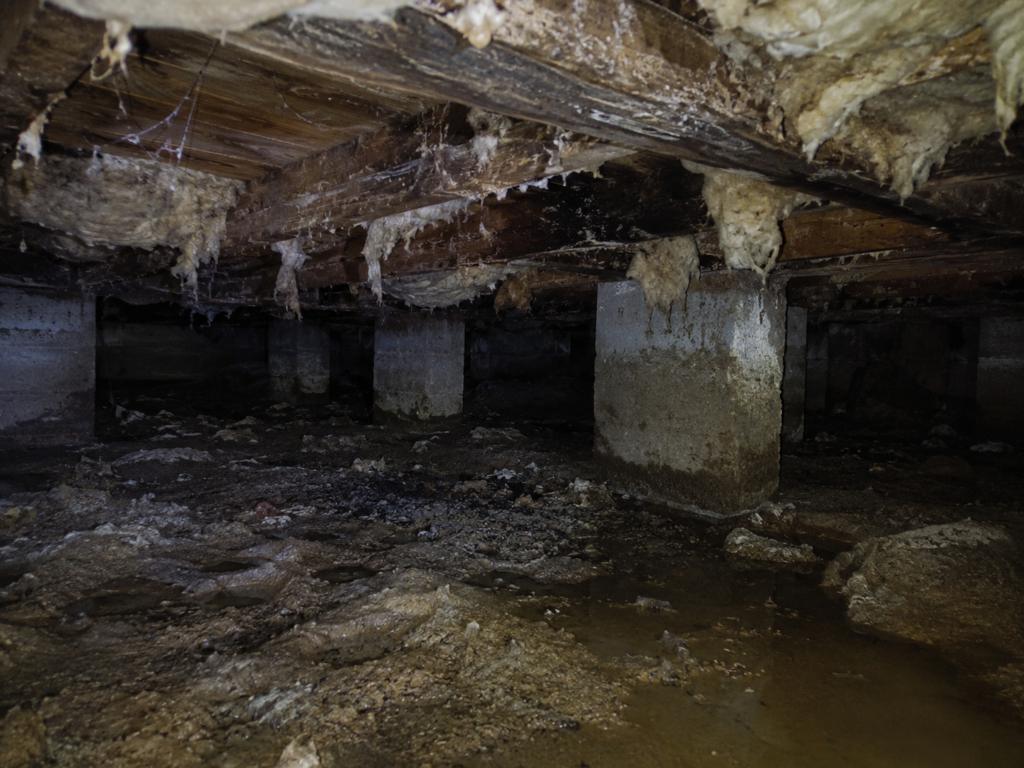
1. What’s That Musty Smell in Your Basement?
If your basement has a stale, earthy smell that never fully goes away, even with ventilation, moisture is the likely cause. Mold and mildew thrive in damp, dark environments and produce that distinct musty odor long before you can see any visible growth.
What many homeowners do not realize is that basement air does not stay in the basement. Through the stack effect, warm air rises through your home and draws basement air upward. That means mold spores, excess humidity, and musty odors from below are circulating through every room in your house.
In Oklahoma, high humidity levels during spring and summer make this problem worse. If you smell something off every time you head downstairs, do not assume it is just “how basements smell.” It is a sign that moisture is present and needs to be addressed.
The EPA has noted that indoor air quality problems frequently originate in basements and crawl spaces, where excess moisture creates ideal conditions for biological pollutants. Addressing basement moisture is not just about protecting your walls; it is about protecting the air your family breathes every day.
2. Seeing Stains on Your Basement Walls?
Dark spots, streaks, or tide marks on basement walls and floors are evidence that water has been there before. These stains often indicate that your basement wall is actively leaking, and will likely return. Pay close attention to areas along the base of walls, around windows, and near the floor-to-wall joint (called the cove joint).
Water stains that appear or darken after rainfall point to active water intrusion. Stains that seem unrelated to weather may indicate groundwater pressure pushing moisture through the foundation. Many of these overlap with the signs of foundation problems that affect Oklahoma homes.
Oklahoma’s heavy spring rains and severe thunderstorms saturate the clay soils around your foundation. As the soil absorbs water, it expands and creates hydrostatic pressure against your basement walls and floor, forcing moisture through even tiny cracks and pores in the concrete.
After a major storm event, take time to inspect your basement for new staining or discoloration. Mark any new stains with tape and the date so you can track whether they grow or change over time. This documentation is valuable when a professional evaluates your home.
3. What’s That White Powder on Your Basement Walls?
Efflorescence is a white, chalky, or crystalline deposit that forms on concrete and masonry surfaces. It is one of the clearest signs that basement waterproofing is overdue. It appears when water migrates through the wall, dissolves mineral salts in the concrete, and then evaporates on the interior surface, leaving the salts behind.
While efflorescence itself is not harmful, it is a reliable indicator that water is actively moving through your basement walls. The more efflorescence you see, the more water is passing through.
This is especially common in Oklahoma homes built on expansive clay. As the soil cycles between wet and dry seasons, it pushes moisture against the foundation repeatedly. Over time, this continuous water migration weakens the concrete and can lead to cracks.

You may notice efflorescence more during the transition from wet to dry seasons, when evaporation rates increase. If you wipe it away and it returns within a few weeks, that confirms an ongoing moisture pathway through the wall that requires professional attention.
4. Are Cracks Appearing in Your Basement?
Not all cracks signal a disaster, but every crack in a basement wall or floor is a potential entry point for water. Hairline cracks in a concrete floor are common as concrete cures and settles. However, cracks that grow wider over time, cracks that are damp or have visible moisture, and horizontal cracks in block walls deserve immediate attention.
Horizontal cracks in basement walls indicate lateral pressure from the surrounding soil. In Oklahoma, where clay soils expand significantly when wet, this pressure can be severe enough to bow walls inward. When cracks indicate structural movement, a foundation repair evaluation may also be needed alongside waterproofing. Vertical and diagonal cracks may indicate settling, which also creates pathways for water.
If you notice cracks in your basement, a professional crack repair assessment can determine whether the issue is cosmetic or structural, and whether waterproofing is needed to prevent water from entering through those openings.
How to Tell if Basement Cracks Are Getting Worse
Place a pencil mark at the end of each crack and note the date. Measure the width with a ruler or crack gauge monthly. Any crack that widens, shifts, or begins to show moisture should be evaluated by a professional. This simple tracking method helps distinguish between normal settling and active structural movement.
5. Why Is My Basement Always Damp?
Sometimes there is no standing water, no visible stain, but your basement surfaces feel damp to the touch. This subtle sign often precedes the need for basement waterproofing. You may notice condensation forming on pipes, walls, or windows. Carpet or stored items near the floor may feel moist or smell damp.
There is a simple test to determine whether dampness is coming from inside or outside the wall. Tape a square of aluminum foil to a basement wall and leave it for 24 to 48 hours. If moisture forms on the side facing the wall, water is migrating through from the outside. If moisture is on the room-facing side, the issue is interior humidity, which a dehumidifier can help manage.
Persistent dampness, especially after rain, almost always points to exterior water intrusion. Oklahoma’s seasonal swings between drought and heavy rain cause the soil to crack when dry, then swell when wet, creating cycles that push water toward your foundation.
If your basement humidity consistently reads above 60% on a hygrometer, that is a strong indicator of a moisture problem. Healthy basement humidity levels should remain between 30% and 50%. Persistent readings above that range suggest water is entering from an external source, even if you cannot see it.
6. Finding Mold or Mildew in Your Basement
Visible mold, whether it appears as black spots on walls, green patches on stored items, or fuzzy white growth in corners, confirms that moisture has been present long enough for colonies to take hold. Mold can begin growing within 24 to 48 hours of a surface staying wet.
Mold is more than an eyesore. Exposure to mold spores can trigger allergic reactions, respiratory problems, and worsen asthma symptoms. Children, older adults, and anyone with existing respiratory conditions are especially vulnerable.
Cleaning visible mold without addressing the moisture source is a temporary fix. The mold will return as long as water continues to enter the basement. A complete basement waterproofing solution eliminates the moisture that feeds mold growth, protecting both your home and your family’s health.
Common places to check for hidden mold include behind stored boxes and furniture, under carpet and padding, inside wall cavities near the floor line, and around pipe penetrations. If you can smell mold but cannot see it, a professional inspection can identify the source using moisture meters and thermal imaging.
7. Puddles on the Floor? This Is a Clear Sign
This is the most obvious and urgent sign. Water pooling on your basement floor, whether after a heavy rain, during spring snowmelt, or seemingly without a weather trigger, indicates that water is entering faster than it can evaporate or drain.
Pay attention to where the water collects. Puddles along the base of walls suggest water is entering through the cove joint or wall-floor connection. Water rising through floor cracks points to hydrostatic pressure from groundwater beneath the slab. In either case, a foundation drain system and sump pump may be needed to manage the water before it causes further damage.
Oklahoma homes near rivers, creeks, or in low-lying areas face elevated risk. Heavy spring storms can raise the water table quickly, increasing pressure against the foundation from below.
If you find standing water, document where it is, how deep it appears, and what the weather has been like in the preceding days. Take photos before cleaning it up. This information helps a waterproofing professional determine the source and recommend the most effective solution for your specific situation.

Understanding the Root Causes of Basement Water Intrusion
Seeing the signs of water intrusion is one thing, but understanding where the water is coming from is the key to stopping it for good. Water is persistent, and it often exploits a few common vulnerabilities around your home’s foundation. Issues with how water flows across your yard, how your roof drainage system functions, and even the air inside your home can all contribute to a damp, unhealthy basement. Let’s look at the three most frequent causes.
Improper Yard Grading
The slope of the ground around your house, known as yard grading, plays a huge role in keeping your basement dry. Ideally, your yard should slope downward and away from your foundation, guiding rainwater to run off harmlessly. A good rule of thumb is a drop of at least six inches over the first ten feet away from the house. When the ground is flat or, even worse, slopes toward your home, it essentially funnels water directly against your basement walls. During Oklahoma’s heavy downpours, this creates immense pressure that forces moisture through concrete, leading to the leaks and stains you see inside. A proper basement waterproofing system is designed to handle this pressure from the inside.
Faulty Gutters and Downspouts
Your gutters and downspouts are your foundation’s first line of defense against rainwater. Their job is to collect all the water that hits your roof and channel it safely away from your home. But when gutters get clogged with leaves and debris, or if downspouts are broken or too short, that system fails. Instead of being directed away, water spills over the sides and saturates the ground right next to your foundation. This creates a concentrated zone of waterlogged soil, putting constant pressure on your basement walls. Over time, this focused pressure can lead to cracks and leaks, turning a simple gutter issue into a significant water problem that requires a professional inspection to assess.
Interior Humidity and Condensation
Sometimes, the moisture in your basement doesn’t come from outside at all—it comes from the air itself. This is common during Oklahoma’s hot, humid summers. When warm, moisture-laden air enters your naturally cool basement, it comes into contact with colder surfaces like concrete walls, floors, and water pipes. This temperature difference causes the moisture in the air to condense into water droplets, a process you might recognize on a cold glass of iced tea. This condensation can make surfaces feel constantly damp, contribute to musty odors, and create the perfect environment for mold to grow. Distinguishing between condensation and a leak can be tricky, which is why a professional free inspection is so valuable for pinpointing the true source of the problem.
What Makes Oklahoma Homes Prone to Leaks?
Oklahoma’s geology and climate create a challenging combination for basements, making basement waterproofing an essential consideration for local homeowners: For a deeper dive into the specific factors behind wet basements in our state, see our guide on common causes of wet basements in Oklahoma.
- Expansive clay soils. Oklahoma sits on some of the most expansive clay in the country. These soils swell dramatically when wet and shrink when dry, creating constant pressure changes against foundations.
- Severe spring storms. The state’s storm season delivers heavy rainfall in short periods, saturating the ground and overwhelming drainage systems.
- Freeze-thaw cycles. Winter temperatures in the Oklahoma City and Tulsa metro areas fluctuate above and below freezing, causing concrete to expand and contract. Over time, this opens micro-cracks that water can exploit.
- Tornado and storm damage. Severe weather events can shift soil, alter drainage patterns, and damage waterproofing barriers around your foundation.
These conditions mean that even a home with no current signs of water intrusion may develop problems over time. Homes in the Oklahoma City, Tulsa, and Edmond metro areas are especially affected by these soil conditions, as much of the residential construction in these regions sits on clay-heavy ground.
Proactive assessment is the best way to stay ahead of potential damage. Many homeowners discover issues only after a particularly severe storm season, when the damage has already progressed beyond what simple repairs can address.
Request a free basement inspection to get ahead of potential problems before they escalate.
Professional Waterproofing Solutions
When you see signs of water in your basement, the goal is to stop it at its source. Professional waterproofing methods are designed to manage water from the outside before it has a chance to cause damage inside. While there are several approaches, some are far more effective and less disruptive for Oklahoma homes. The right solution addresses the underlying cause of water intrusion—often hydrostatic pressure from our clay-rich soil—rather than just patching over the symptoms. Understanding the difference between these methods is key to choosing a lasting fix for your home.
At Vesta Foundation Solutions, we focus on comprehensive systems that provide permanent protection. A thorough inspection is the first step in identifying the specific vulnerabilities in your foundation and designing a system that keeps your basement dry for good. It’s about creating a complete defense against water intrusion, from managing groundwater to sealing entry points.
Interior Drainage Systems
The most reliable and effective way to handle basement water is with an interior drainage system. Instead of trying to block water out with a temporary barrier, this system is designed to collect any water that enters at the most common entry point—the joint where the floor and walls meet. The water is then channeled to a sump pump, which safely removes it from your home. As experts at Erie Home note, these systems work by “collecting water *before* it causes problems and moving it out.” This approach manages hydrostatic pressure from the inside, preventing water from ever reaching your basement floor.
Exterior Waterproofing Methods
Another approach involves excavating the soil around your foundation to apply a waterproof coating to the exterior walls. While it sounds comprehensive, this method has significant drawbacks. It requires digging up your entire yard, destroying landscaping, and creating a major mess. More importantly, as one source points out, exterior waterproofing “doesn’t fix leaks or cracks inside your basement.” It fails to address the hydrostatic pressure that can still force water up through the floor, making it an incomplete and highly disruptive solution for the types of water issues common in Oklahoma.
Foundation Crack Repair
For specific, isolated leaks, a professional crack repair can be an effective tool. This process typically involves injecting a high-strength polyurethane or epoxy material into the crack from the inside. The material expands to fill the entire void, creating a permanent, flexible seal that stops water from passing through. However, it’s important to recognize that this fixes the symptom, not the cause. While the crack is sealed, this method “doesn’t solve *why* the crack happened.” That’s why crack repair is often used as one component of a larger waterproofing strategy that also manages water pressure around the foundation.
A Note on DIY Sealants and Paints
It can be tempting to pick up a bucket of “waterproof” paint or sealant from the hardware store. Unfortunately, these products are little more than a temporary bandage. They apply a thin coating to the surface of the wall but do nothing to relieve the water pressure from outside. Eventually, the pressure will push the paint off the wall, often causing it to peel and bubble. These sealants only stop water from coming through the surface; they don’t fix *why* the water is there in the first place, trapping moisture inside your concrete and potentially making the problem worse over time.
The Unexpected Perks of a Dry Basement
Keeping your basement dry does more than just prevent puddles and protect your stored belongings. A professional basement waterproofing system transforms the lowest level of your home into a healthier, more stable, and more efficient space. By controlling moisture at the source, you eliminate the conditions that lead to musty odors, mold growth, and high humidity. This creates a ripple effect of positive changes that benefit your entire home, from the air you breathe to the structural integrity of your foundation. Many homeowners are surprised by how much a dry basement improves their overall quality of life.
Lower Energy Bills
Excess moisture in your basement makes the air heavy with humidity. This humid air is harder for your HVAC system to heat in the winter and cool in the summer, forcing it to run longer and work harder to maintain a comfortable temperature throughout your home. A dry basement means lower indoor humidity levels. As a result, your “heating and cooling system doesn’t have to work as hard,” which can lead to more efficient energy use. By waterproofing your basement, you’re not just stopping leaks; you’re helping your home’s essential systems run more effectively.
Protecting Your Sump Pump
A sump pump is your last line of defense against flooding, but it can’t do the job alone. When water is seeping in from multiple points, a pump can quickly become overwhelmed, leading to burnout and failure when you need it most. A complete interior drainage system manages the flow of water, directing it to the sump basin in a controlled way. This integrated approach “helps your sump pump from getting overwhelmed and breaking down.” It ensures your sump pump can handle even the heaviest Oklahoma downpours, protecting your investment and giving you peace of mind.
Is It Time for a Professional Inspection?
Do not wait for standing water to take action. If you have noticed any of the signs described above, even a faint musty smell or minor efflorescence, it is worth scheduling a basement waterproofing evaluation.
During a free inspection, a trained technician will:
- Assess your basement for visible and hidden moisture entry points
- Check for cracks, efflorescence, and structural concerns
- Evaluate the grading and drainage around your home’s exterior
- Recommend a customized waterproofing plan based on your home’s specific conditions
Every home is different, and the right basement waterproofing solution depends on where the water is coming from, how much pressure is involved, and what your foundation is built on. A professional assessment gives you a clear picture of what is happening and what needs to happen next.
Building a New Home? Best Practices for a Dry Foundation
Building a new home is an incredible opportunity to ensure every detail is right from the ground up. While you are picking out finishes and floor plans, it is crucial to focus on what is happening below ground. A proactive approach to foundation waterproofing during construction can prevent years of headaches and protect your investment. In Oklahoma, where expansive clay soil and heavy rains are the norm, starting with a dry foundation is not a luxury—it is a necessity for a healthy, stable home that will stand the test of time.
Waterproofing vs. Damp Proofing: A Critical Distinction
When speaking with your builder, it is vital to insist on true “waterproofing,” not just “damp proofing.” Damp proofing is a thin, asphalt-based coating that only resists soil moisture and cannot stop liquid water under pressure. True basement waterproofing, on the other hand, uses a robust, impermeable membrane that creates a complete barrier against water. This is essential for resisting the hydrostatic pressure that builds up in Oklahoma’s saturated clay soils, ensuring water stays outside your home where it belongs, even during the most intense storms.
Designing a Comprehensive Drainage System
An effective waterproofing membrane needs a smart drainage plan to relieve pressure and move water away from your foundation. This starts with a foundation drain system installed around the exterior base of the footings to collect groundwater before it can push against your walls. A drainage layer on the exterior walls helps guide water down to these drains. It is also critical that this collected water is discharged far from your home—at least 20 feet away—to prevent it from soaking back into the soil near the foundation and starting the cycle all over again.
Under-Slab Vapor Barriers
Moisture does not just come through the walls; it can also rise from the ground beneath your home. To stop this, a high-quality vapor barrier should be installed directly under the basement’s concrete slab before it is poured. This thick plastic sheet blocks water vapor from wicking up through the concrete, a common source of dampness. It is a simple but highly effective step in keeping your basement floor dry and preventing the musty smells and unhealthy conditions that can develop from persistent moisture.
Sump Pump Redundancy
Your sump pump is the heart of your drainage system, but what happens if it fails during a storm? A single pump is a single point of failure. For true peace of mind, a redundant system is key. This means having two pumps in your sump pit—a primary pump and a backup that kicks in if the first one fails. A battery backup system is also essential to keep the pumps running during a power outage, a common occurrence during Oklahoma storms. This layered approach ensures your basement stays dry when you need protection the most. A professional sump pump installation can ensure your system is set up for maximum reliability.
Frequently Asked Questions
What causes a basement to leak in Oklahoma?
The most common cause is hydrostatic pressure from water-saturated clay soils pushing against the foundation. Oklahoma’s expansive clay absorbs large amounts of water during rain events, then exerts significant pressure on basement walls and floors. Cracks, the cove joint, and porous concrete are the typical entry points.
Should I Try to Waterproof My Basement Myself?
While surface sealants and dehumidifiers can help manage minor humidity, they do not address the root cause of water intrusion. Professional waterproofing involves interior drainage systems, sump pumps, and wall protection systems that are designed to manage hydrostatic pressure, something consumer-grade products cannot do.
How Serious Is a Little Basement Dampness?
If you see recurring moisture after rain, notice efflorescence spreading, find mold growth, or see cracks that are getting wider, the issue is beyond surface-level humidity. Any sign that water is actively moving through your foundation warrants a professional evaluation.
Does basement waterproofing protect my home’s structure?
Yes. Water is the primary cause of foundation deterioration. By controlling moisture entry, waterproofing prevents cracks from widening, walls from bowing, and concrete from degrading. It also eliminates conditions that lead to mold, wood rot, and pest infestations.
What should I do if I see water in my basement right now?
Move valuables away from the water, avoid contact with electrical outlets or wiring near the water, and contact a professional for an assessment. Do not attempt to finish or renovate a basement that has active moisture problems. Schedule a free inspection to identify the source and get a plan in place.