
A cracked, uneven driveway is more than an eyesore—it’s a frustrating problem. You might think the only fix is a messy, expensive tear-out, but there’s a simpler way. Instead of breaking up the old slab, concrete slab lifting works from underneath to restore a level surface. The process is surprisingly clean. We inject a specialized material below the concrete, filling empty spaces and gently raising the slab back into place. This effectively eliminates trip hazards and improves your home’s curb appeal. We’ll cover the process, what to expect, and how to maintain your newly leveled concrete.
Key Takeaways
- Lifting is a modern alternative to replacement: Instead of a messy demolition, concrete lifting repairs your existing slab quickly and efficiently, often making your driveway or patio usable on the same day.
- A lasting repair solves the root problem: The most durable lifting methods address the cause of sinking, such as unstable soil, by creating a solid, waterproof base that supports the concrete for years to come.
- A professional assessment is the best first step: The right choice between lifting and replacement depends on your slab’s condition. An expert can evaluate the damage and recommend the most effective solution for your property.
What Is Concrete Slab Lifting?
If you’ve noticed your driveway, patio, or sidewalk looking uneven, you’re not alone. Over time, the soil underneath concrete slabs can shift, settle, or wash away, causing the concrete to sink and crack. Concrete slab lifting, also called concrete leveling, is a modern repair method that corrects these issues without the hassle of a full replacement. Instead of tearing out the old slab, a specialized material is injected underneath to fill the empty spaces and gently raise the concrete back to its original position.
This process addresses the root of the problem: the unstable soil beneath the slab. By filling these voids, the slab gets the stable support it needs to stay level for years to come. It’s an effective way to fix tripping hazards, prevent further cracking, and restore the look of your property. Addressing sunken concrete can also be a key part of maintaining your home’s overall stability, as shifting slabs can sometimes be related to broader foundation repair needs.
How Does Concrete Lifting Actually Work?
The concrete lifting process is efficient and minimally disruptive to your property. First, our team drills a few small, strategically placed holes into the sunken concrete slab. These holes are typically about the size of a dime, so they are very discreet.
Next, we inject a high-density polyurethane foam into the holes. This foam flows into the empty spaces beneath the slab and undergoes a chemical reaction, causing it to expand. This controlled expansion generates a powerful lifting force that carefully raises the concrete back to a level position. We monitor the process closely to ensure a precise lift. Once the slab is level, the small drill holes are patched with cement, making them nearly invisible. The foam cures quickly, so you can often use your driveway or sidewalk the very same day.
Does Your Concrete Need a Lift? Here’s How to Tell
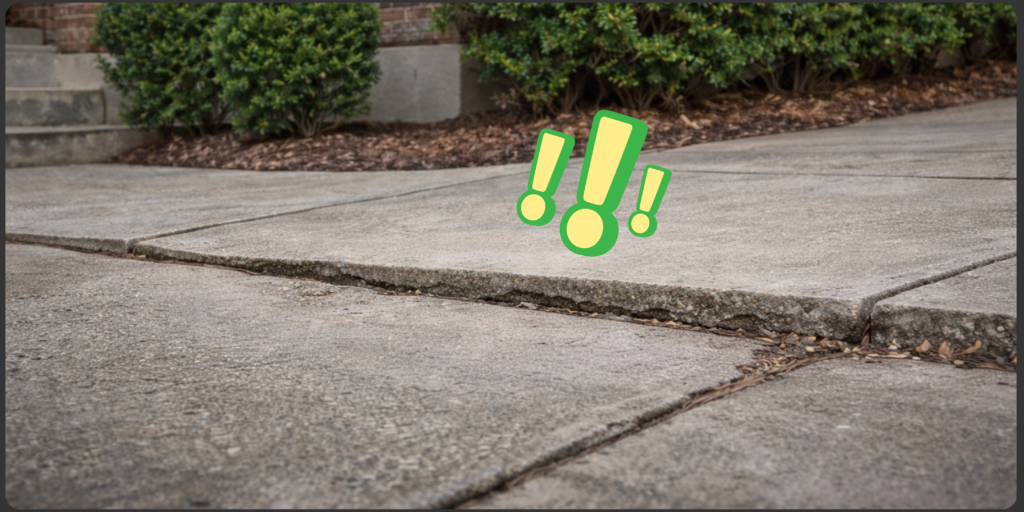
Not sure if your concrete is a candidate for lifting? There are several common signs you can look for around your property. The most obvious is an uneven surface, where one section of a sidewalk or patio is higher than the one next to it, creating a clear trip hazard. You might also notice cracks that are getting wider or where one side of the crack is sinking lower than the other.
Other indicators include water pooling on your driveway or patio after it rains, which points to a low spot. Slabs that appear to be tilting or shifting away from your home’s foundation are another major red flag. If you see any of these issues, it’s a good idea to have an expert assess the situation. You can request a free inspection to get a clear understanding of what’s causing the problem.
Choosing the Right Concrete Lifting Method
When you start looking into fixing your sunken concrete, you’ll find there are a few different ways to get the job done. The best approach for your property depends on factors like the size of the slab, what it’s used for, and the underlying soil conditions. Understanding the main techniques can help you feel more confident when discussing your project with a professional. Each method has its own process for lifting and stabilizing concrete, from driveways and sidewalks to patios and pool decks. These solutions work by filling the empty spaces that have formed under the slab, gently raising it back to a level position and providing solid support to prevent future sinking. This not only restores the appearance of your property but also eliminates tripping hazards.
Choosing the right technique is key to a lasting repair. A specialist can assess your specific situation, from the extent of the settling to the type of concrete you have, and recommend the most effective solution. Getting an expert opinion ensures the problem is handled correctly from the start. If you’re seeing signs of trouble, a professional can provide a thorough free inspection to determine the best path forward for your home.
Lifting with Polyurethane Foam
This modern technique uses a high-density polyurethane foam to lift and support sunken concrete. The process starts by drilling a few small, discreet holes (about the size of a dime) into the affected slab. A specialized foam is then injected into these holes. As the liquid foam expands, it fills any voids beneath the slab and gently raises the concrete back to its original position. One of the biggest advantages is how quickly the foam cures, hardening in about an hour. This means you can walk or even drive on the surface almost immediately after the job is done, minimizing disruption to your daily routine.
The Polyurethane Lifting Process
So, how does this actually work on repair day? The process is surprisingly clean and straightforward. First, our team drills a few small, dime-sized holes into the sunken slab. Then, we inject a high-density polyurethane foam into these openings. This isn’t your average foam—it’s an engineered material that flows beneath the concrete to fill every void before expanding. This controlled expansion creates a powerful force that gently lifts the slab back into alignment. We monitor the entire process to ensure a precise, even lift. Once everything is level, we patch the small holes, making them practically disappear. The best part? The foam cures in about an hour, so you can get back to using your driveway or patio almost immediately. It’s a durable solution that provides long-term foundation support for the slab.
Lifting with Stone Slurry Grout
Stone slurry grout lifting is a trusted method that uses a mixture of pulverized limestone, water, and sometimes cement to raise concrete. This technique involves drilling slightly larger holes (about one inch in diameter) into the slab. The slurry is then pumped slowly and evenly underneath, allowing for a very precise and gradual lift. This controlled process is especially effective for larger projects or areas that need robust support, like driveways or the concrete around a pool. You can typically walk on the surface right away, though it’s best to wait about 24 hours before driving on it.
The Stone Slurry Grout Process
The stone slurry grout process is a time-tested technique that provides incredible support for sunken concrete. It begins with our team drilling a few one-inch holes into the slab. Through these openings, we pump a specialized slurry made from pulverized limestone and water. This mixture flows smoothly into the voids beneath the concrete, filling every gap. We apply the slurry slowly and deliberately, which allows us to control the lift with great precision. This methodical approach is what makes it such a reliable solution for heavy-duty areas like driveways, patios, and pool decks that need a solid, unyielding base to prevent future problems.
One of the best parts of this method is the minimal downtime. The surface is safe to walk on immediately after we finish, though we recommend waiting a full 24 hours before driving on it to allow the material to fully set. By filling the unstable soil pockets underneath, the stone slurry grout creates a solid base for your concrete and addresses the root cause of the sinking, ensuring a durable repair. If you’re wondering whether this is the right approach for your property, a professional evaluation can provide a clear answer and peace of mind.
Lifting with Cement-Based Grout
Cement-based lifting is a more traditional approach to leveling concrete. This method uses the largest drill holes of the three, typically around two inches in diameter. A mixture of materials like sand, cement, and water is pumped at high pressure beneath the sunken slab to fill gaps and lift it back into place. This technique has been used for decades and is a reliable way to correct settled concrete. Because it uses common materials, it can be a practical solution for various situations, including leveling slabs in areas that are harder to reach.
The Cement-Based Grout Process
Cement-based lifting is a traditional and powerful method for correcting settled concrete. The process involves drilling holes, typically around two inches in diameter, into the affected slab. A high-pressure pump then sends a slurry of sand, cement, and water into the void beneath the concrete. This mixture fills the empty space and carefully lifts the slab back to its original height, creating a stable new base. This technique has been trusted for decades to restore driveways, patios, and sidewalks because it provides robust, long-term support. While it’s a proven solution, the best approach always depends on your specific situation. An expert can evaluate the soil and slab conditions during a free inspection to confirm the right fit for your property.
Should You Lift Your Slab or Pour a New One?
When you see a sunken or uneven concrete slab, your first thought might be that you have to tear it all out and start over. While replacement is sometimes necessary, it’s often not the only choice. Concrete lifting presents a modern, effective alternative that repairs the slab you already have. This approach is an excellent option when the concrete itself is still in good shape but has settled due to voids or unstable soil underneath.
Instead of a full-scale demolition and construction project, lifting targets the root of the problem by stabilizing the ground beneath the slab. This process raises the concrete back to its original position, restoring a safe, level surface. Choosing between lifting and replacement involves looking at the condition of your concrete, your timeline, and the level of disruption you’re comfortable with. For many homeowners, lifting provides a durable and efficient fix for their foundation repair needs without the hassle of a complete replacement.
Save Time and Skip the Demolition
One of the biggest advantages of concrete lifting is how much time and disruption it saves. Replacing a concrete slab is a major undertaking. It involves loud, messy demolition to break up the old slab, hauling away heavy debris, and then pouring fresh concrete. After that, you have to wait for the new slab to cure, a process that can take days or even weeks before you can use the area again.
Concrete lifting, on the other hand, is a much cleaner and faster process. A professional team can typically complete the job in just a few hours. The process involves injecting a material through small, drilled holes to raise the slab from below. There’s no demolition, no heavy equipment tearing up your yard, and no pile of broken concrete to deal with. Your driveway, patio, or walkway is often ready for use the very same day.
Why Lifting Is a More Sustainable Option
If you’re looking for a more environmentally friendly solution, concrete lifting is the clear winner. When you opt for replacement, the old, broken concrete has to go somewhere, and that usually means a landfill. This adds a significant amount of waste to our environment. Additionally, the production of new cement is an energy-intensive process that contributes to carbon emissions.
By choosing to lift your existing slab, you are essentially recycling it. You’re preserving the material that’s already there and extending its life, which is a far more sustainable practice. This approach keeps tons of concrete out of landfills and reduces the demand for new materials. It’s a simple way to make a responsible choice for your property and the planet.
Comparing Long-Term Durability
It’s natural to wonder if a repair will last as long as a brand-new slab. When it comes to modern concrete lifting, the answer is a resounding yes. The polyurethane foam used in today’s lifting techniques is engineered for incredible strength and longevity. Once injected, it expands to fill every void, creating a solid, stable base that supports the slab above.
This material is waterproof, so it won’t erode or wash away from moisture in the soil. It’s also lightweight, so it doesn’t add extra stress to the underlying ground. A professionally lifted slab using polyurethane foam can last for decades, often for the entire remaining life of the concrete itself. Getting a free inspection can help determine if this durable solution is the right fit for your specific situation.
How Long Does Concrete Lifting Last?
When you invest in repairing your home, you want to know the fix will stand the test of time. Concrete lifting is a durable, long-term solution for sunken slabs, but its exact lifespan depends on a few important factors. The specific method used, the condition of the soil beneath the slab, and how you care for the area afterward all play a role. A professional repair addresses the immediate problem of an uneven slab and, when done correctly, can prevent future settling for many years. By understanding what contributes to a lasting repair, you can feel confident in your decision to lift, rather than replace, your concrete.
Does the Lifting Method Affect Longevity?
The materials used for concrete lifting are the biggest factor in how long the repair will last. Polyurethane foam injection is widely considered the most durable method. This high-density, structural-grade foam is waterproof, lightweight, and incredibly strong. Once injected, it won’t wash away or break down, often lasting for decades, sometimes for the entire remaining life of the concrete slab itself. Other methods, such as those using a cement-based slurry, can also be effective but typically have a shorter lifespan. These heavier materials can be more susceptible to erosion over time, generally lasting between five and ten years.
Polyurethane Foam vs. Grout-Based Methods
When it comes to the material used for lifting, the two main players are polyurethane foam and grout-based slurries. Polyurethane foam represents a modern, highly durable approach. The process uses small, dime-sized holes to inject a high-density foam that expands to fill every gap, creating a solid base. A huge advantage of this material is that it’s waterproof and won’t erode, meaning the repair is built to last for decades. It’s also incredibly lightweight, so it doesn’t add extra stress to the soil beneath. Plus, it cures in about an hour, allowing you to use your driveway or patio the same day.
Grout-based methods, like those using a stone slurry, are a more traditional technique. This process involves drilling slightly larger holes and pumping a heavier mixture of pulverized limestone and water to lift the slab. While this method allows for a very controlled and gradual lift, the material itself is heavier and can be more vulnerable to erosion over time, giving it a shorter lifespan of around five to ten years. Ultimately, the right method depends on the condition of your slab and the soil beneath it. A thorough professional inspection is the best way to determine which solution will provide the most stable, long-term results for your property.
How Soil and Drainage Impact Your Repair
Your concrete didn’t sink on its own; it settled because the ground underneath it became unstable. For a concrete lifting repair to last, it’s important to understand the root cause. Here in Oklahoma, expansive clay soil is a common culprit. This type of soil shrinks when it’s dry and swells dramatically when it’s wet, causing the ground to shift. Poor drainage and water erosion can also wash away soil, creating voids that lead to sinking slabs. Addressing these underlying water issues is key to a permanent fix. Proper crawl space repair and drainage solutions can help stabilize the soil for good.
Other Factors That Influence Durability
The Importance of Professional Installation
The longevity of a concrete lifting repair heavily depends on the skill of the team performing the work. A true professional doesn’t just inject material and call it a day; they conduct a thorough analysis to understand why the slab sank in the first place. This expert assessment allows them to address the root cause, ensuring the lift is not just a temporary fix. A proper professional repair involves the precise placement of injection ports and a controlled lifting process to create a stable, even foundation that can prevent future settling for many years. It’s this attention to detail that makes all the difference between a short-term patch and a lasting solution for your property.
How Slab Usage Affects Lifespan
Finally, think about what your concrete slab does on a daily basis. A quiet garden path will naturally face less stress than a driveway that supports multiple vehicles or a commercial floor that handles heavy equipment. Concrete in high-traffic areas or those that bear significant weight will experience more wear and tear over time. While modern lifting methods are incredibly strong, the constant pressure from heavy loads can influence the long-term performance of the repair. During an inspection, an expert will consider your slab’s function to recommend the most effective and durable solution for your specific needs, ensuring the repair is built to handle its intended purpose.
Simple Tips to Make Your Concrete Lift Last
Once your concrete slab is level again, a little maintenance can go a long way in preserving the repair. Immediately after the job is done, you can typically walk on the surface. However, it’s best to wait at least 24 hours before driving vehicles on it. The most important thing you can do is manage water around your foundation. Make sure your gutters are clean and that downspouts direct water several feet away from your concrete slabs. If you notice water pooling near the repaired area, you may need to adjust your landscaping to improve the slope. Should you ever have new concerns, a professional can provide a free inspection to assess the situation.
Planning Your Concrete Lifting Project: What to Consider
When you notice your concrete driveway, patio, or walkway starting to sink, it’s natural to wonder what the repair process involves. Every project is unique, and a few key elements will shape the approach to lifting your slab. Understanding these factors can help you feel more prepared and confident as you move forward with a solution. From the size of the slab to how much it has settled, each detail plays a role in creating a successful and lasting repair plan. Let’s walk through what a professional will consider when evaluating your property.
How Do Size and Location Impact the Job?
The size and location of your concrete slab are the first things a professional will look at. A small, easily accessible sidewalk section presents a different scenario than a large garage floor or a pool deck surrounded by landscaping. The weight of the slab, what’s underneath it, and its proximity to your home’s foundation all influence the lifting strategy. For example, a slab right next to your house requires careful handling to protect your foundation’s integrity. That’s why it’s so important to have an expert assess the situation. A professional contractor can evaluate these specifics and determine the most effective technique for your property.
Gauging the Severity of the Damage
How much has the concrete actually sunk? The severity of the settling is a major factor in determining the right course of action. A slight dip in a walkway might require a simple lift, but a slab that has dropped several inches and caused significant cracking points to a more serious underlying issue. A professional will investigate the cause of the settling, which is often related to soil erosion or compaction. Understanding the extent of the problem helps you weigh the advantages of different repair options. This evaluation ensures the chosen solution doesn’t just level the surface but also addresses the root cause for a more durable outcome.
Factors That Influence Project Scope
Every concrete lifting project is tailored to the specific property, and a few key factors will determine the best approach. A professional assessment goes beyond just looking at the sunken slab; it involves understanding the complete picture of your property. The size of the slab, its location, and the underlying soil conditions all play a crucial role in crafting a repair plan that is both effective and durable. By considering these elements, a specialist can ensure the chosen technique not only levels the concrete but also provides a stable, long-lasting foundation to prevent future issues. This careful planning is what separates a quick fix from a permanent solution.
Job Complexity and Site Access
The size and location of your concrete slab are the first things a professional will look at. A small, easily accessible sidewalk section presents a different scenario than a large garage floor or a pool deck surrounded by delicate landscaping. The weight of the slab, what’s underneath it, and its proximity to your home’s foundation all influence the lifting strategy. For instance, a slab that has settled right next to your house requires a delicate touch to ensure the lifting process doesn’t impact your home’s structural integrity. A thorough evaluation during a free inspection will account for these variables to map out the safest and most effective repair.
Local Soil Conditions
Your concrete didn’t sink on its own; it settled because the ground underneath it became unstable. For a concrete lifting repair to last, it’s essential to understand this root cause. Here in Oklahoma, expansive clay soil is a common culprit. This type of soil shrinks dramatically when it’s dry and swells when it gets wet, causing the ground to shift and creating voids beneath your concrete. Poor drainage can make this cycle even worse. A lasting solution must account for these local soil behaviors. Addressing underlying moisture issues through proper drainage or even crawl space repair can be a key part of stabilizing the ground for good.
Understanding Insurance and Liability
Beyond the technical aspects of the repair, practical questions about insurance coverage and legal responsibility often come up. It’s smart to know where you stand before starting any project. An uneven sidewalk or driveway isn’t just an aesthetic issue; it can also be a safety hazard with potential liability implications. Understanding how your homeowner’s insurance views concrete lifting and who is responsible for the repair can help you make informed decisions. Taking a moment to consider these factors is part of being a proactive and prepared homeowner, ensuring there are no surprises along the way.
Will Homeowners Insurance Cover Concrete Lifting?
This is one of the most common questions homeowners ask, and the answer is usually no. Most standard home insurance policies view sunken concrete as a maintenance issue rather than sudden, accidental damage, so they typically don’t cover the repair. However, there can be exceptions. If the sinking was caused by a “covered peril”—such as a burst pipe underground, sudden soil collapse from a sinkhole, or damage from a vehicle—your policy might offer some coverage. It’s always best to review your specific policy documents and have a conversation with your insurance agent to understand what is and isn’t covered.
The Legal Risks of Trip Hazards
An uneven concrete slab on your property is more than just an eyesore; it’s a significant liability risk. If a visitor, mail carrier, or even a passerby trips and injures themselves on your sunken sidewalk or driveway, you could be held legally responsible. A trip-and-fall incident can lead to a lawsuit, which can be a stressful and involved process. Addressing these hazards by leveling your concrete is a proactive step to ensure the safety of everyone who comes to your property. It’s a simple measure that protects you, your family, and your guests from preventable accidents.
Checking for Municipal Responsibility
Before you assume you’re on the hook for a sidewalk repair, it’s worth doing a little homework. In some cases, the city or municipality may be responsible for the concrete in question, especially for sidewalks that run along the street. For example, if the damage was caused by a city-owned tree whose roots have pushed up the slab, the responsibility for the repair might fall to them. You can typically find this information by contacting your local public works department. A quick phone call could clarify who is responsible and potentially save you from paying for a repair that isn’t yours to fix.
How to Get Your Property Ready for Lifting Day
A little preparation can make a big difference on the day of the job. To ensure the process is as smooth and efficient as possible, you can take a few simple steps. Start by clearing the slab of any furniture, planters, vehicles, or other items. This gives the crew a clean, safe workspace. It’s also helpful to ensure there’s a clear path for the team and their equipment to access the area. If you have pets, arranging for them to be secured indoors or elsewhere for the day is a good idea. You can always request a free inspection to discuss these details beforehand and help the project run seamlessly.
The Concrete Lifting Process: What to Expect
Knowing what happens during a home repair project can make the entire experience feel much smoother. Concrete lifting is a surprisingly straightforward process that causes minimal disruption to your daily life. From the first look at the problem to the final result, a professional team handles every detail to restore your concrete surfaces. The goal is to get your driveway, patio, or walkway back to a safe, level state efficiently. The process breaks down into three simple phases: the initial check-up, the day of the repair, and the follow-up care.
Before We Begin: Assessment and Preparation
The first step is always a thorough evaluation. Before any work begins, a specialist will visit your property to examine the sunken concrete. They will identify the cause of the settling, measure the extent of the issue, and determine the best lifting method for your specific situation. This is the perfect time to ask any questions you have about the process. A professional will walk you through their findings and explain the proposed plan, ensuring you feel confident in the solution. Getting a free inspection is the best way to get a clear picture of what your property needs.
On the Day: The Lifting Process and Timeline
On the day of the repair, the process is quick and efficient. The crew starts by drilling a few small, dime-sized holes in the sunken slab. These holes act as entry points for the lifting material. Next, they inject a specialized compound beneath the slab. This material expands, filling the voids in the soil below and gently raising the concrete back to its proper level. The team carefully controls this process to ensure a precise lift. Most projects are completed in just a few hours, and you can typically walk or drive on the surface the very same day.
What to Do After Your Concrete Is Lifted
Once your concrete is level again, a little bit of care goes a long way. It’s a good idea to keep an eye on the repaired area for any signs of new settling. The most important step you can take is to manage water around your foundation. Ensure your gutters are clean and downspouts direct water away from your concrete slabs. Addressing any drainage issues can help protect the soil and prolong the life of your lifted concrete. Proper basement waterproofing and exterior water management are key to preventing future problems.
Is Concrete Lifting the Right Choice for You?
Deciding between lifting and replacing your concrete can feel like a big choice. The best path forward really depends on the condition of your concrete slab and the underlying soil. Understanding the key differences will help you figure out which solution is the right fit for your home’s driveway, patio, or walkway. Let’s walk through the scenarios where each option makes the most sense.
When Is Concrete Lifting the Best Choice?
Concrete lifting is an excellent fix when your concrete slab is still in good shape but has sunk over time. If you’re dealing with uneven sections of a sidewalk, a sunken step, or a driveway that’s no longer level with your garage, lifting is often the ideal solution. This method works by filling the empty spaces beneath the slab to raise it back to its original position. It’s a great choice for concrete that is structurally sound without major cracks or crumbling, providing a solid, stable surface once again.
Limitations of Concrete Lifting
While concrete lifting is a powerful tool for restoring uneven slabs, it’s important to have a clear picture of what it can and can’t do. This repair method corrects the position of the slab by stabilizing the ground beneath it. However, it doesn’t change the surface of the concrete itself. Understanding these limitations helps you set realistic expectations and ensures you’re choosing the best solution for your specific problem. A professional assessment is the best way to determine if lifting is the right approach for your property, as an expert can identify underlying issues that might need a different kind of attention.
Existing Cracks Will Remain
Concrete lifting is an effective way to fix tripping hazards, prevent further cracking, and restore the look of your property. However, it does not eliminate existing cracks in the concrete. The process levels the slab, closing gaps and stabilizing pieces, though the crack remains visible, like a perfectly aligned broken plate with visible fracture lines. Lifting supports the slab, preventing crack worsening and new ones from forming due to unstable soil.
When Tree Roots Are the Problem
Aggressive tree roots are a common cause of concrete damage, pushing slabs upward and causing them to crack. If tree roots are causing the concrete to lift, simply raising the slab may not be a long-term solution. The roots will continue to grow and exert pressure on the concrete, leading to future issues. In these cases, a more comprehensive approach requires consulting with an arborist to manage the root system. A professional concrete specialist can identify the tell-tale signs of root intrusion during an inspection and help you understand all the factors at play before starting any repair.
The Ground Beneath the Slab is Key
For a concrete lifting repair to last, it’s important to address the root cause of the sinking. In Oklahoma, expansive clay soils and drainage patterns often tie issues together. Poor drainage and water erosion can wash away soil, creating voids that lead to sinking slabs. A successful lift fills these voids, but if water continues to flow unchecked, new voids can form over time. That’s why a lasting solution often involves managing water around your property. Improving grading or ensuring your home has proper crawl space repair and drainage systems can help stabilize the soil for good.
Concrete Lifting vs. Foundation Underpinning
It’s easy to see a sinking slab and worry it’s a sign of a major foundation problem, and sometimes it is. That’s why it’s important to understand the difference between concrete lifting and foundation underpinning. Concrete lifting targets ‘slab-on-grade’ concrete, such as your driveway, patio, or sidewalk, which remain separate from your home’s main foundation. The process stabilizes the soil directly underneath these independent slabs. Foundation underpinning, on the other hand, is a much deeper repair. It involves installing steel piers that bypass unstable soil and anchor your home’s actual foundation to solid bedrock or a stable soil layer far below the surface.
So, how do you know which one you need? If your interior floors are sloping, you have cracks in your drywall, or your doors and windows are sticking, you are likely dealing with a foundation settlement issue that requires underpinning. A sinking porch or patio slab that is pulling away from the house can also be a sign of a deeper problem. A thorough foundation repair expert can assess the situation to see if the slab issue is isolated or connected to your home’s foundation. This ensures you get the right solution for the right problem, protecting your entire property.
Alternative Repairs for Minor Concrete Issues
Not every uneven spot requires a full-scale professional lift. For very minor issues, there are a couple of alternative approaches you might consider. These methods are typically surface-level fixes that can address a small trip hazard or a slight depression without involving the soil underneath. While they aren’t as durable or comprehensive as professional lifting, they can be a practical solution for smaller, less critical problems. Knowing about these options can help you make a more informed decision about how to handle the concrete around your home.
Grinding Down Uneven Edges
Grinding can effectively fix a very slight height difference between two concrete slabs, such as a sidewalk section raised by less than an inch. This method involves using a concrete grinder to wear down the edge of the higher slab, creating a smooth, gentle slope instead of an abrupt lip. It doesn’t fix the underlying cause of the sinking, but it does eliminate the immediate trip hazard. Municipal workers use this common technique on sidewalks to quickly improve safety without pouring a new section.
Patching Sunken Areas
For small, shallow depressions in a slab, you can sometimes apply a patch. This involves thoroughly cleaning the existing concrete and applying a special bonding agent, then adding a new layer of a cement-based mix on top to bring the area up to level. For the patch to hold, the surface preparation is key. While this can work for minor cosmetic issues, it’s not a structural repair. The patch is only as stable as the sunken slab it’s sitting on, and it may not be a durable, long-term solution if the ground continues to settle.
The Risks of a DIY Approach
When you see a problem around the house, it’s natural to think about tackling it yourself. However, concrete lifting is one of those jobs where a DIY approach can cause more harm than good. The materials and equipment available at a hardware store are fundamentally different from what professionals use. Many people are tempted to try using canned spray foam to lift a slab, but this is a bad idea. These consumer-grade products lack the density and structural strength needed to support a heavy concrete slab and will quickly fail under the weight and exposure to moisture.
Professional concrete lifting uses specialized, high-density polyurethane foam injected with powerful equipment to ensure a controlled and even lift. Without this precision, you risk cracking the slab, making the problem worse, or creating an uneven surface that’s even more of a hazard. More importantly, a DIY attempt means you’re guessing at the root cause. If the sinking is due to a significant drainage issue or is a symptom of a larger foundation problem, a surface-level fix won’t last. The best first step is always to get a professional opinion. You can request a free inspection to get an accurate diagnosis and a clear plan from an expert.
When Replacement Is the Better Option
Sometimes, a concrete slab is too damaged for lifting to be effective. If your concrete is severely cracked, crumbling, or broken into multiple pieces, replacement is likely the better option. Lifting a slab that is already falling apart won’t solve the core problem. Additionally, if the sinking is caused by more significant foundation issues, just lifting the concrete might not be a lasting fix. In these cases, removing the old slab and pouring a new one ensures a fresh, durable surface that addresses the damage head-on.
Let an Expert Help You Choose
Making the final call between lifting and replacing can be tricky. That’s where getting an expert opinion is so valuable. A professional can thoroughly assess the condition of your concrete and, more importantly, identify why it’s sinking in the first place. They can check the soil conditions and look for any other underlying problems that need to be addressed. This complete picture allows them to recommend the most effective, long-term solution for your property. A professional inspection is the best first step toward making a confident decision.
Related Articles
- Concrete Lifting Before and After | Foundation Repair & Basement Waterproofing
- What To Do if You See Your Concrete Sinking – Foundation Repair & Basement Waterproofing
- Interior Slab Leveling | Foundation Repair & Basement Waterproofing
- Concrete Repair Options – Foundation Repair & Basement Waterproofing
- Is Foam Lifting Cheaper than Concrete Replacement? | Foundation Repair & Basement Waterproofing
Frequently Asked Questions
How long until I can use my driveway or patio after it’s been lifted? One of the best parts of modern concrete lifting is how quickly you can get back to your routine. When we use polyurethane foam, the material cures very fast. You can typically walk on the surface within an hour of the job being finished. For heavier use, like parking your car on a lifted driveway, we usually recommend waiting about 24 hours just to be safe.
Will the repair process make a big mess in my yard? Not at all. Concrete lifting is a surprisingly clean and contained process. Unlike a full replacement that involves loud demolition and heavy equipment, our work is minimally disruptive. We drill a few small holes, inject the material, and then patch the holes when we’re done. There’s no concrete dust or debris to worry about, so your lawn and landscaping will remain undisturbed.
How do I know if my cracked concrete can be lifted or if it needs to be replaced? This is a great question, and the answer really depends on the overall condition of the slab. If your concrete is mostly intact but has settled or become uneven, it’s likely a perfect candidate for lifting. However, if the slab is severely damaged with widespread, crumbling cracks or is broken into many pieces, replacement is often the more practical solution. A professional assessment is the best way to determine the right approach for your property.
What actually causes concrete to sink, and will lifting it prevent it from happening again? Concrete slabs usually sink because the soil underneath them has shifted, eroded, or compacted. Here in Oklahoma, expansive clay soil and poor water drainage are common culprits. A professional lifting job does more than just raise the slab; it addresses the root of the problem by filling the voids and stabilizing the ground beneath it. When combined with proper water management, like ensuring your downspouts direct water away from the area, a lifted slab can remain stable for many years.
Are the materials used for concrete lifting safe for my lawn and landscaping? Yes, the materials we use are designed to be safe and stable. The polyurethane foam, for example, is an inert substance once it cures. This means it won’t break down or leach any harmful chemicals into the surrounding soil. The process is self-contained beneath the slab, so it has no negative impact on your grass, plants, or garden beds.
Learn more about your options in our guide to decide between repair and replacement.