
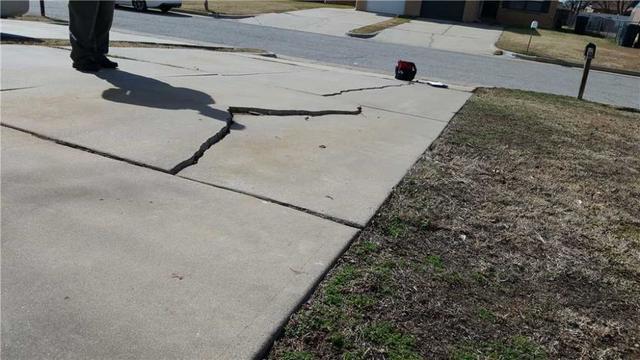
That cracked driveway or sunken patio is more than just an eyesore. It’s a clue. These surface-level problems often point to bigger issues happening underground, from water pooling near your foundation to shifting soil. As an Oklahoma homeowner, you’re facing a big question: is a targeted concrete repair the answer, or do you need a complete repour? Making the right long-term choice depends on understanding the root cause. For a professional evaluation of your concrete damage, schedule a free concrete inspection with Vesta Foundation Solutions.
This guide breaks down the key differences between concrete repair vs concrete replacement, explains when each option makes sense, and helps you make a confident decision based on the actual condition of your concrete.
Signs Your Concrete Needs Repair
Before deciding between repair and replacement, you need to understand what your concrete is telling you. Not all damage is equal, and the type of damage you see on the surface often indicates what is happening beneath it.
Cracks, Sinking, and Other Warning Signs
- Hairline cracks that run in a single direction are usually shrinkage cracks from the original curing process and rarely indicate structural problems
- Wide or growing cracks that exceed a quarter inch in width may point to soil movement, settlement, or poor drainage underneath the slab
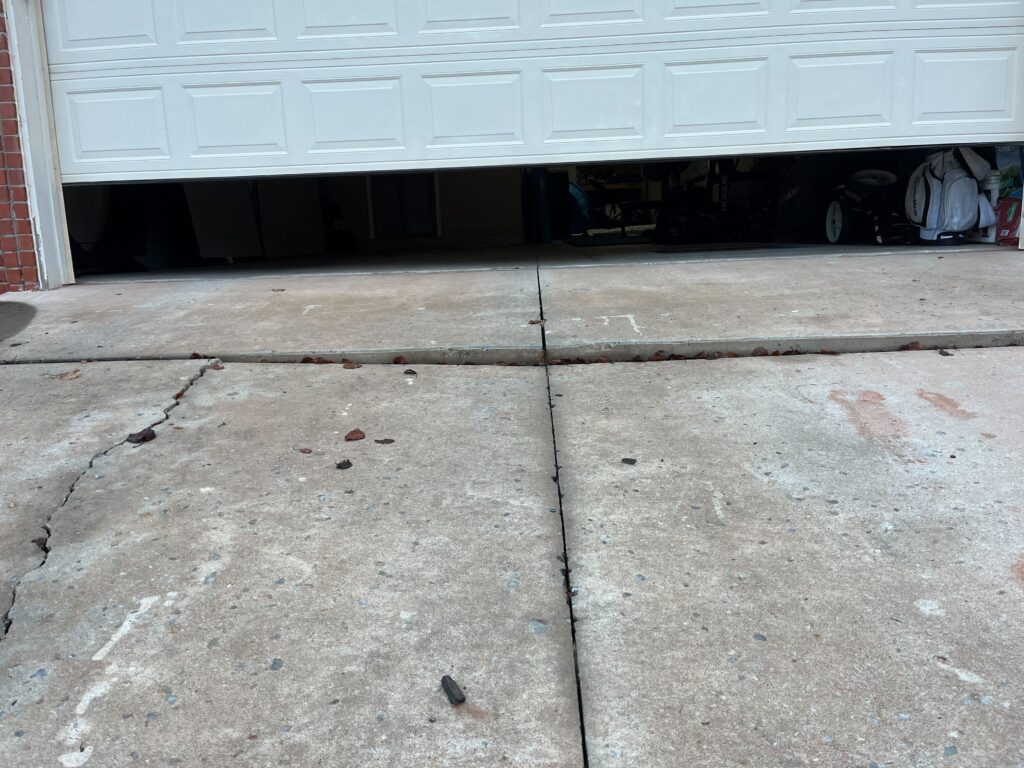
- Sinking or uneven sections where one slab has dropped relative to adjacent slabs are a clear sign of soil erosion or compaction beneath the concrete
- Spalling or flaking surfaces occur when the top layer of concrete deteriorates, often from freeze-thaw cycles or the use of deicing chemicals
- Heaving happens when soil expansion pushes concrete upward, creating raised edges or buckled slabs
In Oklahoma, the expansive clay soils common throughout the state make concrete damage especially prevalent. The repeated cycle of wet and dry conditions causes soil to swell and shrink, putting constant stress on slabs and foundations.
Common Causes of Concrete Damage
Seeing those warning signs is the first step. The next is figuring out what’s causing them. The cracks and sinking you see are often symptoms of a deeper issue related to soil, water, or even how the concrete was first installed. Understanding these root causes is key to choosing the right solution. In Oklahoma, unstable soil and poor drainage often put immense stress on concrete slabs, leading to the damage that has you worried. Let’s look at the most common culprits.
Understanding Concrete Pitting and Spalling
If you’ve noticed small, shallow holes on your concrete, you’re likely seeing pitting. These craters can expand over time, compromising the slab’s strength. Another issue is spalling, where the top layer flakes away. Both are often triggered by winter’s freeze-thaw cycles, as water seeps into the concrete, freezes, and expands from within. While these issues seem cosmetic, they can indicate your slab is vulnerable to more significant damage, so getting a professional opinion is always a good idea.
Poor Installation and Finishing
Sometimes, the seeds of future concrete damage are sown the day it’s poured. A successful slab depends on a precise recipe and expert technique. If the initial mixture contained too much water, for example, it can create a weaker, more porous surface that is susceptible to damage. Likewise, improper finishing or curing the concrete too quickly can prevent the surface from developing the dense, durable finish it needs to withstand traffic and weather. A weak surface is an open invitation for pitting and spalling to begin.
Damage from De-Icing Chemicals
When an ice storm hits, reaching for a bag of de-icing salt feels like the responsible thing to do. Unfortunately, these products can be incredibly harsh on your concrete. Many de-icing chemicals, particularly those containing salts, penetrate the surface and trigger a chemical reaction that causes it to deteriorate. This corrosion leads directly to the spalling and pitting we talked about earlier. Over several winters, the repeated use of these chemicals can significantly degrade the top layer of your concrete, leaving it rough, flaky, and vulnerable to further damage.
How to Prevent Future Concrete Damage
Whether you’re looking to protect brand-new concrete or want to safeguard a slab after a repair, prevention is your most powerful tool. Taking a few proactive steps can dramatically extend the life of your concrete surfaces and help you avoid future issues. Most preventative measures are simple adjustments to your regular home maintenance routine. By managing water flow, being mindful of what you put on the surface, and addressing small problems before they grow, you can keep your concrete stable and looking great for years to come.
Use Sand for Traction in Winter
Instead of relying heavily on corrosive de-icing chemicals during the winter, consider making a simple switch to sand. While de-icers work by melting ice, they can cause long-term damage to your concrete. Sand, on the other hand, provides excellent traction on icy surfaces without any harmful chemical reactions. It gives you the grip you need to walk and drive safely without eating away at your concrete. This small change in your winter routine can make a huge difference in preventing surface flaking and pitting.
Your Guide to Modern Concrete Repair Methods
Concrete repair covers a range of techniques designed to address specific types of damage without removing the existing slab. The right repair method depends on what is wrong with the concrete and what is causing the problem.
How PolyLevel Lifts and Levels Concrete
When concrete slabs sink, settle, or become uneven, PolyLevel foam injection is one of the most effective repair solutions available. This process involves injecting high-density polyurethane foam through small, penny-sized holes drilled into the slab. The foam expands beneath the concrete, filling voids in the soil and lifting the slab back to its original position.
PolyLevel offers several advantages as a repair method:
- Lightweight material that will not add significant load to already compromised soil
- Rapid curing time that allows foot traffic within 15 minutes in most cases
- Precise control over the amount of lift, often accurate to fractions of an inch
- Waterproof and non-erosive so it will not wash away or break down over time
- Minimal disruption with small injection holes that are easily patched
Sealing Cracks to Prevent Further Damage
For cracks that have not caused structural shifting, sealing is an effective way to stop water infiltration and prevent the damage from spreading. NexusPro joint and crack sealant creates a flexible, weather-resistant bond that moves with the concrete through seasonal temperature changes.
Joint repair is especially important in Oklahoma, where temperature swings between summer and winter cause concrete to expand and contract repeatedly. Properly sealed joints prevent water from reaching the soil beneath the slab, which reduces the risk of future settlement.
Renewing Your Concrete’s Surface
When spalling or minor surface deterioration is the primary issue, resurfacing or patching can restore the appearance and functionality of the concrete without replacing the entire slab. SealantPro concrete protection adds a durable barrier that extends the life of the surface and guards against future freeze-thaw damage.
Smoothing Surfaces with Concrete Grinding
If your concrete’s main problem is on the surface, like minor pitting, stains, or slightly uneven spots, concrete grinding can be an effective solution. This technique involves using specialized equipment to grind off a very thin top layer of the concrete, typically between 1/16 and 1/4 of an inch. The process smooths out imperfections and can restore a uniform, clean look to patios, garage floors, and driveways. It’s a targeted repair method that addresses cosmetic and minor textural issues without altering the slab’s structural integrity. Think of it as a way to refresh the concrete’s face, erasing the wear and tear that accumulates over time.
Considering a DIY Concrete Repair?
I get it—there’s a certain satisfaction that comes from fixing something yourself, and for some concrete issues, a DIY approach is perfectly reasonable. If you’re dealing with small, hairline cracks, filling them on your own can be a manageable weekend project. However, it’s crucial to know when to call in a professional. Large, expanding cracks, sunken slabs, or significant surface deterioration are often symptoms of a deeper problem, like unstable soil beneath the concrete. In these cases, a simple patch kit from the hardware store is just a temporary band-aid that won’t address the root cause of the damage.
When you see sinking slabs or cracks that seem to be growing, it’s often a sign of deeper soil issues that a simple patch won’t solve. This is where professional expertise becomes invaluable. An expert can diagnose the root cause, ensuring the fix is permanent. If you’re in Oklahoma and unsure about the severity of the damage to your driveway, patio, or sidewalk, getting a professional evaluation is a smart first step. It helps you understand exactly what you’re up against before you invest time and effort into a repair that might not last.
Essential Tools and Safety Gear
If you’ve determined your project is a good fit for DIY, gathering the right gear is your next move. Protecting yourself is just as important as protecting your concrete, so don’t skip the safety equipment. You’ll need a wire brush and a shop vacuum to thoroughly clean the damaged area. For applying the patch, a margin trowel is essential, and you may need an angle grinder to properly prepare larger cracks. Finally, a drill with a mixing attachment will make preparing your patching compound much easier. For safety, always wear heavy-duty gloves, safety goggles to protect your eyes from debris, and a dust mask. Concrete dust contains silica, which is harmful to inhale, so a mask is non-negotiable.
The DIY Repair Process Explained
A successful DIY concrete repair hinges on a few key stages, from preparation to the final cure. Skipping any of these steps can compromise the durability of your patch, leading to another repair job sooner than you’d like. The goal is to create a seamless, strong bond between the old concrete and the new patching material. This requires a clean surface, the right application technique, and patience during the curing process. Let’s walk through the essential steps for a repair that stands the test of time.
Preparing the Surface for a Lasting Bond
First, you need a perfectly clean surface for the new material to adhere to. Start by using a wire brush or pressure washer to remove all loose concrete, dirt, and debris. For cracks, it’s best to widen them slightly into a V-shape using an angle grinder. This creates more surface area and a better “grip” for the filler. Once you’re done grinding, vacuum out all the dust. Finally, applying a concrete bonding adhesive to the prepared area will ensure your patch melds securely with the existing slab.
Techniques for Patching and Crack Filling
With your surface prepped, it’s time to mix your patching material. For most patches, a rapid-setting cement works well. Mix small batches at a time, aiming for a consistency similar to wet oatmeal. Apply the mixture into the crack or patch area with a trowel, pressing down firmly to compact the material and eliminate any air pockets. Once it’s filled, use a float or trowel to smooth the surface so it’s level with the surrounding concrete.
The Importance of Proper Curing
Your work isn’t done once the patch is smooth. Proper curing is the final, critical step that ensures your repair achieves maximum strength and durability. Concrete hardens through a chemical reaction called hydration, which requires water. To prevent the patch from drying out too quickly and cracking, you need to keep it moist for several days. You can do this by lightly misting it with water or by covering it with plastic sheeting. Alternatively, you can apply a curing compound, which forms a film to lock in moisture.
Why Concrete Repair Is Often the Smart Choice
Repair is the right choice in many situations, and understanding when it applies helps you avoid unnecessary work. Here are the conditions that favor repair over full removal and repour:
- Isolated damage limited to one or two sections rather than widespread deterioration across the entire surface
- Structural integrity is intact, meaning the slab is still solid beneath the surface even though it may have shifted or cracked
- The concrete is relatively young and still has significant service life remaining, generally under 15 to 20 years old
- Soil conditions can be addressed by stabilizing the base with foam injection or improving drainage around the affected area
- The damage is primarily cosmetic, such as minor cracks, surface scaling, or discoloration that does not affect the function of the concrete
If your driveway has one sunken section near the garage while the rest remains level and intact, lifting that section with PolyLevel is a straightforward repair. The same applies to a sidewalk panel that has dropped, creating a trip hazard, while the rest of the walkway is in good condition.
When Is It Time to Replace Your Concrete?
There are situations where concrete repair is no longer a practical option and full removal and repour is the better path. Recognizing these conditions helps you avoid investing in repairs that will not hold up over time.
Warning Signs: When Replacement Is Unavoidable
- Widespread cracking across the entire surface with multiple intersecting cracks that suggest the slab has lost structural integrity
- Severe settlement or heaving where the slab has shifted several inches and cannot be lifted without risking further cracking
- Extensive spalling or surface failure covering more than 25 to 30 percent of the total area
- The concrete is at or past its expected lifespan of 25 to 30 years and showing signs of general deterioration
- Subgrade failure where the soil beneath the concrete has eroded, washed out, or compacted to the point where it cannot support any slab without full re-preparation
- Previous repair attempts have failed, suggesting an underlying issue that patch-level solutions cannot resolve
Replacement involves removing the existing concrete, preparing a proper subgrade with compacted fill material, and pouring a new slab. It is a more involved process, but it provides a completely new surface with a full expected service life.
Making the Call: Concrete Repair vs. Replacement
Several factors beyond visible damage should influence your decision. Thinking through each one helps you arrive at the right answer for your specific situation.
Evaluating the Extent of the Damage
A single crack or one sunken section is very different from a web of intersecting cracks across an entire driveway. Isolated problems are almost always candidates for repair. Widespread damage spread across multiple sections suggests systemic issues that repair alone may not resolve.
How Old Is Your Concrete?
Newer concrete that develops problems early in its life is worth repairing because you are extending a long remaining service life. Concrete that is already 20 to 30 years old and showing multiple types of damage may be approaching the end of its useful life regardless of repairs.
Checking the Soil Beneath Your Slab
In Oklahoma, soil conditions are one of the most important factors. If the soil beneath your concrete is unstable due to clay expansion, poor compaction during original construction, or water drainage issues, any repair needs to address the soil problem as well. PolyLevel foam injection not only lifts concrete but also stabilizes the soil beneath it, making it effective for soil-related settlement.
Investigating Water and Drainage Issues
Water is one of the leading causes of concrete failure. If standing water pools near or under your concrete, addressing drainage is essential whether you choose repair or replacement. Without solving the water problem, even new concrete will eventually develop the same issues.
Is the Damage Structural or Just Cosmetic?
Cosmetic damage like surface discoloration, minor scaling, or hairline cracks does not compromise the function of the concrete. Structural damage like significant settlement, wide cracks, or heaving affects safety and performance. The distinction matters because cosmetic issues can often be addressed with surface-level repairs, while structural problems require either substantive repair techniques or full removal and repour.
A Simple Framework for Your Decision
Use this framework to evaluate your concrete and determine the best path forward:
Step 1: Assess the damage type. Identify whether you are dealing with cracks, settlement, heaving, spalling, or a combination. Document where the damage appears and how extensive it is.
Step 2: Check the age. If your concrete is under 15 years old and the damage is isolated, repair is usually the right starting point. If it is over 25 years old with widespread issues, replacement may be more practical.
Step 3: Evaluate the soil. Look for signs of poor drainage, standing water, or soil erosion around the damaged area. If the soil is the root cause, the solution needs to address it.
Step 4: Consider the scope. If damage affects less than 25 percent of the total surface area, repair can typically handle it. If more than half the surface shows problems, full removal and repour becomes the more reliable option.
Step 5: Get a professional inspection. A trained inspector can evaluate the concrete, the soil beneath it, and the drainage conditions to provide a clear recommendation based on what they find. Request a free inspection from Vesta Foundation Solutions to get expert guidance specific to your property.
Oklahoma’s Unique Concrete Problems
Oklahoma’s climate and geology create conditions that are particularly hard on concrete. Understanding these local factors helps explain why concrete damage is so common in the state and why addressing it properly matters.
Dealing with Expansive Clay Soil
Much of Oklahoma sits on expansive clay soil that absorbs water and swells, then shrinks as it dries out. This constant volume change puts enormous stress on concrete slabs, causing cracks, settlement, and heaving over time. The cycle is especially pronounced during Oklahoma’s transition between wet springs and dry summers.
From Freezing Winters to Sweltering Summers
Oklahoma routinely sees temperatures range from single digits in winter to over 100 degrees in summer. This thermal cycling causes concrete to expand and contract, widening existing cracks and weakening joints. Freeze-thaw cycles during winter months accelerate surface deterioration, particularly on driveways and sidewalks exposed to moisture.
When Severe Weather Strikes
Oklahoma’s severe storms and flash flooding events can rapidly erode soil beneath concrete, creating voids that lead to sudden settlement. Heavy rain events followed by extended dry periods amplify the expansion and contraction of clay soils, compounding the damage.
Frequently Asked Questions
Can sunken concrete be lifted back to level?
Yes. PolyLevel foam injection is designed specifically to lift and stabilize sunken concrete slabs. The high-density polyurethane foam is injected through small holes in the slab, expands beneath the concrete to fill voids, and lifts the slab back to its proper position. Most residential projects are completed in a few hours.
How do I know if a crack is serious?
Hairline cracks less than an eighth of an inch wide are usually cosmetic and related to normal curing or temperature changes. Cracks wider than a quarter inch, cracks that are actively growing, or cracks accompanied by settling on one side should be evaluated by a professional. The pattern and location of cracks also matter, as structural cracks often run at specific angles related to load paths or soil movement.
Is concrete repair a permanent solution?
When the underlying cause of the damage is addressed, concrete repair can provide lasting results. PolyLevel foam is waterproof, non-erosive, and does not break down over time. If soil instability or drainage problems are corrected during the repair, the fix is designed to be long-lasting. However, if the root cause is not resolved, damage may recur regardless of the repair method used.
What types of concrete can be repaired with PolyLevel?
PolyLevel works on driveways, sidewalks, patios, garage floors, pool decks, and interior slab floors. Any concrete slab resting on soil is a potential candidate for foam injection lifting, as long as the slab itself is still structurally sound.
How long does concrete typically last?
With proper installation on a well-prepared subgrade, concrete can last 25 to 30 years or more. Factors that shorten its lifespan include poor soil preparation, inadequate drainage, heavy loads beyond the design capacity, and exposure to deicing chemicals. In Oklahoma, the interaction between clay soils and seasonal moisture cycles is one of the most significant factors affecting concrete longevity.
Should I repair or replace my concrete before selling my home?
Damaged concrete creates a negative first impression and can raise concerns during a home inspection. Whether repair or removal and repour is the right choice depends on the extent of the damage and the condition of the concrete overall. In many cases, lifting and stabilizing sunken concrete with PolyLevel provides a clean, level surface that addresses inspector concerns without full removal.
Ready for a Professional Opinion?
If you are dealing with cracked, sunken, or damaged concrete around your Oklahoma home, schedule a free inspection with Vesta Foundation Solutions today. Our team will evaluate your concrete, assess the soil conditions beneath it, and provide a clear recommendation on whether repair or full removal and repour is the right approach for your situation. Call us at (405) 565-9884 or request your free inspection online.
Key Takeaways
- Look deeper than the crack: The visible damage on your concrete is often a symptom of an underlying problem, such as shifting soil or poor drainage. Identifying the true cause is the first step toward a permanent solution, not just a temporary patch.
- Repair is a powerful option for the right problem: If your concrete slab is still fundamentally solid but has sunken sections or isolated cracks, modern repair methods can correct the issue. Techniques like foam injection lift and stabilize slabs without the need for a total tear-out.
- Recognize when a fresh start is the best choice: When damage is widespread, the slab is severely broken, or it has reached the end of its functional life, a repair may not be enough. In these situations, a full removal and repour is the most reliable long-term strategy.