
Here’s a wild fact: up to half the air you breathe inside your home comes directly from your crawl space. It’s called the “stack effect,” and it means whatever is in the air down there eventually makes its way upstairs. If your crawl space is damp, that air is carrying mold spores, dust mites, and musty odors right into your living areas. This can trigger allergies and other respiratory issues for your family. Taking control of this space is one of the most effective things you can do for your home’s health. When you waterproof your crawl space, you stop moisture at the source, ensuring the air circulating through your home is clean and healthy.
Key Takeaways
- Your crawl space health is your home’s health: Moisture beneath your house can compromise its structural foundation, introduce mold and musty odors into your air, and make your home less comfortable year-round.
- Effective waterproofing is a multi-part system: A lasting solution isn’t just one product; it’s a combination of tools like interior drainage, a heavy-duty vapor barrier, and a dehumidifier working together to control moisture from every source.
- Start with a professional plan and stay proactive: The best approach begins with an expert inspection to pinpoint the exact problem, followed by simple homeowner maintenance to ensure your crawl space remains dry and healthy for the long haul.
What is a Crawl Space?
Let’s start with the basics. A crawl space is exactly what it sounds like: a shallow, unfinished area underneath your home’s first floor, typically just a few feet high. It’s not a living area, but it serves a crucial purpose by housing important systems like your plumbing, ductwork, and electrical wiring. Think of it as your home’s utility hub. In many parts of Oklahoma, people build homes on crawl spaces to elevate the structure from the damp ground, providing a buffer that a concrete slab doesn’t. This design allows service technicians to access for repairs and maintenance without tearing up floors, but it also creates a unique environment that requires correct management.
Because it’s out of sight, it’s easy to assume the crawl space can take care of itself. A common myth claims that this area is naturally supposed to be damp and musty, but that couldn’t be further from the truth. When humidity levels in your crawl space rise above 50%, it becomes a perfect breeding ground for mold and mildew, which can compromise your home’s air quality and structural integrity. A damp crawl space can lead to wood rot, pest infestations, and unpleasant odors that seep into your living areas. Proper crawl space repair isn’t just about fixing a problem; it’s about creating a healthy foundation for your entire home and protecting your family’s well-being.
Why You Need to Waterproof Your Crawl Space: Crawl space waterproofing and why is it important?
Let’s be honest, the crawl space is probably the last part of your home you think about. It’s dark, cramped, and out of sight. But what happens down there has a huge impact on the rest of your house. A system of solutions designed to keep moisture out of this critical area performs crawl space waterproofing. By managing water intrusion with things like drainage systems and vapor barriers, you create a dry, stable environment beneath your floors. This isn’t just about preventing puddles; it’s about protecting your home’s structure, your family’s health, and even your comfort.
Safeguard Your Home’s Foundation
Your home’s foundation is its backbone, and constant moisture is its worst enemy. When water seeps into your crawl space, it can weaken wooden support beams, cause wood rot, and rust metal components. Over time, this moisture can compromise the structural integrity of your entire house. A proper waterproofing system stops this process before it starts. By preventing moisture damage and other structural issues, you’re taking a proactive step to avoid the need for major foundation repair down the road. Keeping your crawl space dry is one of the most effective ways to preserve the strength and stability of your home for years to come.
Breathe Easier with Better Air Quality
Did you know that up to 50% of the air you breathe inside your home comes up from the crawl space? People refer to this as the ‘stack effect.’ If your crawl space is damp, that air is carrying mold spores, mildew, and musty odors right into your living areas. A wet crawl space is the perfect breeding ground for mold, which can trigger allergies and respiratory problems. By waterproofing this space, you eliminate the moisture that mold and dust mites need to thrive. A comprehensive crawl space repair strategy helps ensure the air circulating through your home is clean and healthy for your family.
Lower Your Energy Bills
A damp, vented crawl space can make your home less comfortable and harder to heat and cool. Humid air requires more energy to change its temperature, which means your HVAC system has to work overtime in both summer and winter. Sealing the crawl space from outside air and moisture helps stabilize the temperature throughout your home. As experts at Basement Systems note, properly sealed and encapsulated crawl spaces make homes use less energy. This creates a more comfortable living environment year-round and stops common problems like moisture, mold, and pests from getting inside.
Does Your Crawl Space Have a Moisture Problem?
Since your crawl space is out of sight, it can be hard to know if there’s a problem. Thankfully, your home provides clear signals when moisture is an issue. Knowing what to look for is the first step toward protecting your home’s health and stability.
What Water Damage Looks Like
The most obvious clues are visual. Look for standing water, damp spots, or dark stains on the walls and support beams. You might also see peeling paint or a white, chalky substance on concrete, which shows water is seeping through. Check for mold or mildew, which can appear as black, green, or white patches. Rusted metal fixtures and sagging insulation are also clear signs of too much moisture. These issues often require professional crawl space repair to address the source.
Efflorescence: A Telltale Sign
One of the most telling signs of a moisture problem is a white, chalky substance on your concrete walls called efflorescence. It might look harmless, like a bit of dust you can wipe away, but it’s actually a major red flag. This powdery residue forms when water travels through the concrete and evaporates, leaving mineral deposits behind. Essentially, it’s physical proof that water is getting into your crawl space. Ignoring it allows the damp conditions that lead to mold, wood rot, and musty odors to continue. Addressing the underlying water issue is crucial for protecting your home’s structure and air quality. A proper crawl space waterproofing system is the only way to stop efflorescence for good and ensure the space below your home stays dry and healthy.
What That Musty Smell Really Means
Sometimes, your nose will notice a problem first. A persistent musty or earthy smell from your vents is a classic sign of mold and mildew growing below. This odor means poor-quality air from your crawl space is circulating into your living area. Another sign is high humidity. If the air feels damp and heavy, it’s creating the perfect breeding ground for mold. This impacts your home’s air quality and makes your living space less comfortable.
Structural Warning Signs to Watch For
Crawl space moisture can affect your home’s structural integrity. Wood support beams and floor joists can rot and weaken when exposed to dampness, leading to sagging or bouncy floors. Metal components, like support jacks, can rust and lose their strength. Over time, these issues can compromise your home’s stability. If you notice changes in your floors or see damage to the structures below, it’s wise to look into foundation repair to keep your home secure.
Unwanted Pests and Critters
If the threat of mold and structural damage isn’t concerning enough, a damp crawl space also rolls out the welcome mat for unwanted critters. Pests like termites, cockroaches, and rodents thrive in dark, humid environments, making a moist crawl space their ideal home. These unwelcome guests aren’t just a nuisance; they can cause significant harm by chewing through wooden support beams, destroying insulation, and compromising your home’s structure. The link is direct—where there’s moisture, pests are sure to follow. Managing the environment initiates the most effective pest control, and a professional crawl space repair strategy achieves this by creating a dry, sealed space that pests will want to avoid.
Crawl Space Moisture Myths, Busted
A few misconceptions can lead homeowners astray. One myth is that vents keep a crawl space dry. In humid climates like Oklahoma’s, open vents can let more moist air in, making things worse. People often believe that waterproofing is only necessary for homes in extremely wet areas. In reality, moisture can rise from the ground itself, making any crawl space vulnerable. Getting an expert to assess your home is the best way to understand what it needs. A free inspection can provide clear answers.
Proven Methods to Waterproof a Crawl Space
Keeping your crawl space dry involves more than just a single fix. The most effective approach is a combination of solutions that work together to manage water and control moisture. Think of it as creating a complete system that addresses water from every angle, from liquid seeping through the walls to moisture evaporating from the ground.
A truly dry crawl space relies on a multi-layered defense. This can include installing systems to collect and remove water, sealing the entire area from outside moisture, and managing the humidity levels in the air. By combining these methods, you can transform a damp, musty crawl space into a clean, dry area that supports the health of your entire home. Each strategy plays a specific role, and understanding them will help you see how a comprehensive crawl space repair plan comes together. Let’s look at the key components of a professional waterproofing system.
The Role of Drainage Systems and Sump Pumps
When water gets into your crawl space, the first step is to give it a way out. An interior drainage system is designed to do just that. A specialized perforated pipe is installed around the inside perimeter of the crawl space. This system collects any water that seeps in from the walls or floor.
Once the water is collected, it needs to be removed. That’s where a sump pump comes in. The drainage system channels all the water to a basin, where the sump pump is installed. When the water in the basin reaches a certain level, the pump automatically turns on and pumps the water safely away from your home’s foundation. This combination is a powerful way to manage active water intrusion and prevent standing water.
Proper Sump Pump Installation
A sump pump is the workhorse of any waterproofing system, but it can only do its job if it’s installed correctly. Proper installation is a precise process. The sump basin is located at the lowest point of your crawl space to collect water from the interior drainage system. When the water reaches a certain level, the pump activates and discharges it away from your home’s foundation. This prevents moisture from ever building up and causing problems. Plug the pump into a GFI outlet for safety in damp areas. Professional installation is crucial for effective crawl space waterproofing, ensuring all components are correctly set up.
Sealing Out Moisture with Encapsulation
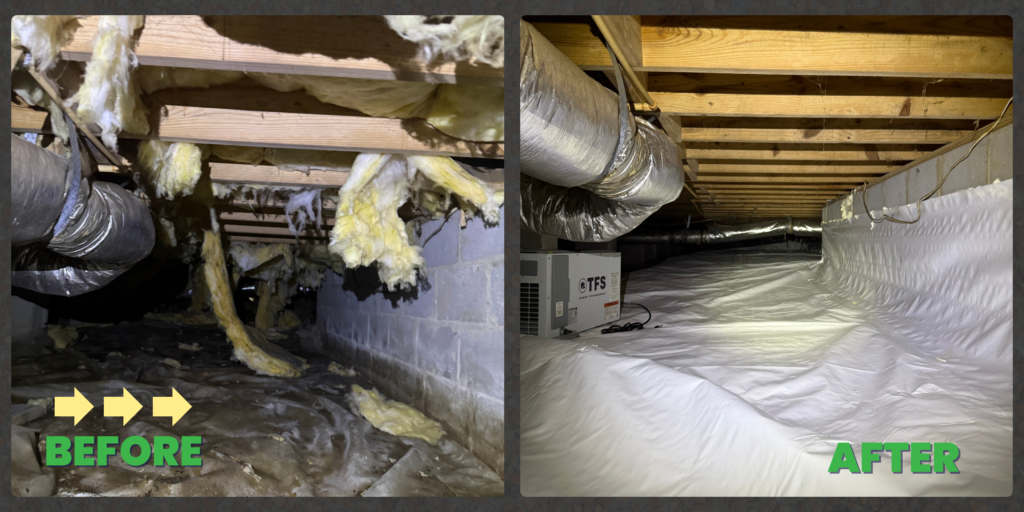
Much of the moisture in a crawl space doesn’t come from leaks but from water vapor evaporating from the exposed dirt floor. A vapor barrier is a heavy-duty plastic liner that covers the ground to stop this evaporation. For a more complete solution, many homeowners choose crawl space encapsulation.
Encapsulation involves completely sealing the crawl space with a thick, durable vapor barrier that covers the floor, walls, and sometimes even the ceiling. All seams are taped and sealed, and vents are closed off. This process isolates your crawl space from the earth and outside air, creating a dry, conditioned environment that prevents moisture, mold, and pests from getting in.
Adding Insulation for Extra Protection
Once your crawl space is sealed off from outside moisture and ground vapor, the final piece of the puzzle is managing the temperature. This is where thermal insulation comes in. Unlike the fluffy pink insulation you might have in your attic, crawl space insulation is rigid, waterproof, and designed to withstand damp environments. It’s installed against the crawl space walls, working hand-in-hand with the encapsulation system. This combination helps to stabilize the temperature under your home, preventing cold floors in the winter and reducing humidity in the summer. By creating a more conditioned space, you’re not just making your home more comfortable; you’re also helping your HVAC system run more efficiently. It’s a key part of a complete crawl space repair strategy that protects your home from top to bottom.
Stop Leaks by Sealing Foundation Walls
The concrete or block walls of your foundation are porous, meaning water can seep through them over time. Sealing the foundation walls is another critical layer of defense in waterproofing your crawl space. This involves applying a professional-grade waterproof sealant directly to the interior walls.
These sealants are designed to penetrate the pores of the concrete and form a barrier that blocks moisture from passing through. This step is especially important for preventing dampness and water intrusion that can lead to bigger problems down the road. By treating the walls, you stop water at one of its primary entry points, keeping the entire space drier.
How to Address Foundation Cracks
Finding a crack in your foundation wall can be unsettling, and for good reason. These cracks are more than just surface-level blemishes; they are potential entry points for water, pests, and humid air. Often, they are a symptom of a bigger issue, like pressure from water-saturated soil pushing against your foundation. Simply patching a crack from the inside without addressing the external pressure is like putting a bandage on a problem that needs stitches. The key is to understand why the crack formed in the first place. This is where a comprehensive approach to foundation repair becomes essential for a lasting solution.
Professionally addressing foundation cracks involves a two-part strategy: sealing the crack to stop water intrusion and reinforcing the wall to ensure it remains stable. Experts use specialized injections to fill the crack completely, creating a waterproof barrier. For walls that have started to bow or lean due to soil pressure, carbon fiber straps can be applied to reinforce the structure and prevent further movement. Because every home is different, the right solution depends on the specific cause of the crack. The best way to get a clear diagnosis and a tailored plan is to have an expert take a look. A free inspection can identify the root cause and determine the most effective way to protect your home.
Keep Humidity in Check with a Dehumidifier
Even with drainage and encapsulation, some moisture can remain in the air. High humidity creates the perfect environment for mold and mildew to grow, which can affect your home’s air quality. A dedicated crawl space dehumidifier is the final piece of the puzzle.
Unlike standard household units, these dehumidifiers are powerful, efficient, and designed to operate in the cooler temperatures of a crawl space. The goal is to maintain a relative humidity level below 50%. This prevents mold growth and keeps the air clean and dry. A dehumidifier works continuously to ensure your crawl space remains a healthy, stable environment.
Encapsulation or Traditional Waterproofing?
It’s helpful to understand how different waterproofing methods work together. Traditional methods, like interior drainage and sump pumps, are designed to manage and remove liquid water after it has entered the crawl space. They are reactive solutions that deal with active leaks and groundwater intrusion.
Encapsulation, on the other hand, is a proactive strategy. It seals the entire area to prevent moisture and water vapor from getting in at all. While drainage systems handle bulk water, encapsulation controls humidity and stops moisture at the source. For many homes, the best solution is a combination of both. This ensures that any water that does get in is removed, while the sealed environment prevents the damp, humid conditions that cause mold and rot.
Common Waterproofing Mistakes to Avoid
When it comes to protecting your home, knowing what not to do is just as important as knowing what to do. A few common missteps can leave your crawl space vulnerable to moisture, leading to bigger headaches later on. Getting the waterproofing process right from the start is key to safeguarding your home’s structural integrity and air quality. By steering clear of these frequent errors, you can ensure your efforts create a truly dry and healthy space beneath your home. Let’s walk through the mistakes many homeowners make so you can avoid them.
Why Vents Aren’t Enough
For years, the common wisdom was that vents would allow a crawl space to “breathe,” letting moisture escape. However, this is a major misconception. Most of the moisture in a crawl space actually comes up from the ground, not from the outside air. In a humid climate like Oklahoma’s, open vents can make the problem worse by inviting warm, damp air into the cooler crawl space. This air then condenses on surfaces, creating even more moisture. A truly effective crawl space repair strategy involves sealing the area from outside air, not inviting more of it in.
Not All Vapor Barriers Are Created Equal
A vapor barrier is a critical component of crawl space waterproofing, but not all barriers are created equal. Many people make the mistake of grabbing a thin sheet of plastic from a hardware store, thinking it will do the job. Unfortunately, these flimsy materials can easily tear or get punctured, rendering them useless against ground moisture. For effective and long-lasting protection, a durable, high-quality liner is essential. A properly installed, heavy-duty vapor barrier is the only way to completely stop water vapor from seeping into your crawl space from the soil below.
Choosing the Right Thickness and Tape
So what exactly makes a vapor barrier “heavy-duty”? It comes down to thickness, which is measured in mils. While you might find thin 6-mil plastic sheeting at a big-box store, professional-grade liners are much more substantial, often 20 mils thick. This extra durability is crucial because it resists punctures and tears from anyone moving around in the crawl space. But even the toughest liner is only effective if it’s installed correctly. Every seam where the sheets overlap must be sealed with a special waterproof tape to create a single, continuous barrier. This meticulous sealing is a key part of a complete crawl space encapsulation system, ensuring that no moisture vapor can sneak through the gaps.
Always Find the Source of the Water
Placing a vapor barrier or running a dehumidifier without first figuring out where the water is coming from is like putting a bandage on a problem that needs stitches. It’s a temporary fix that doesn’t address the root cause. Water can enter a crawl space from many places, including foundation cracks, plumbing leaks, or poor exterior grading that lets water pool against your home. Identifying and addressing the source of water intrusion is the most important step. A professional free inspection can pinpoint exactly how and why moisture is getting in, ensuring the right solution is put in place.
Thinking About DIY? Read This First.
While the do-it-yourself spirit is admirable, crawl space waterproofing is a complex and physically demanding job. Many homeowners underestimate the work involved, from properly cleaning and preparing the space to correctly sealing every seam and penetration. An incomplete or incorrect installation can fail, leaving your home unprotected. Investing in a professional service ensures the job is done right the first time, using the correct materials and techniques. This approach is crucial for protecting your home’s foundation repair needs and giving you lasting peace of mind.
Specialized Tools and Electrical Safety
Waterproofing a crawl space correctly requires more than just a trip to the hardware store. Professionals use specialized equipment, from industrial-grade vapor barriers and powerful dehumidifiers to specific tools for sealing every seam and corner perfectly. Working in a damp, confined area also brings serious electrical safety risks. Using power tools or extension cords in a wet environment can be dangerous without the right training and precautions. This is a key reason why having a trained team handle the installation is so important. Experts not only have the right tools for an effective, lasting crawl space repair, but they also know how to manage the unique challenges of the job safely, protecting both your home and themselves.
Your Pre-Waterproofing Checklist
Jumping into a crawl space waterproofing project without a solid plan can lead to more headaches down the road. Taking the time to prepare properly ensures you’re addressing the right problems with the right solutions. Before any work begins, a few key steps will set you up for a successful, long-lasting fix that protects your home and your peace of mind. Think of it as creating a roadmap; it helps you get where you need to go without any wrong turns.
Start with a Professional Inspection
The first step is always to understand exactly what you’re dealing with, and that’s where a professional opinion is invaluable. While you can spot obvious signs of moisture, an expert can identify the root cause and assess the full extent of the damage, including issues with your home’s foundation that might not be visible. Investing in professional waterproofing services starts with a thorough evaluation. This initial step helps create a targeted plan, ensuring a dry, healthy crawl space for years to come. A trained inspector can give you a clear picture of your home’s health and recommend the most effective solutions. You can request a free inspection to get a clear and complete assessment.
Understand Your Specific Moisture Issues
Every home is different, and so is every moisture problem. It’s a common myth that crawl space issues only happen in very wet climates, but the truth is that moisture can come from many sources. Is it groundwater seeping through the foundation walls? High humidity and condensation? Or a slow plumbing leak? Pinpointing the specific cause is critical for effective crawl space repair. A solution for condensation won’t fix a groundwater issue, so a one-size-fits-all approach just doesn’t work. Understanding your home’s unique challenges allows you to apply a solution that actually solves the problem for good.
Why Material Quality Matters
The effectiveness of any waterproofing project depends heavily on the quality of the materials used. Opting for professional-grade products designed specifically for crawl spaces ensures a durable and long-lasting barrier against moisture. This includes everything from thick, puncture-resistant vapor barriers to reliable sump pumps and dehumidifiers. While it might be tempting to use cheaper alternatives, they often fail prematurely, leaving you back where you started. Using the right basement waterproofing products and materials is an investment in your home’s structural integrity and health, preventing future repairs and giving you confidence in the solution.
When Is the Best Time to Waterproof?
Proper timing and sequencing are crucial for a successful waterproofing project. For example, addressing exterior drainage and grading issues is a critical first step to prevent water from pooling around your foundation. Tackling the source of the water before sealing the interior makes the entire system more effective. A professional can help you create a logical project timeline, ensuring that any necessary foundation repair is handled before the waterproofing system is installed. This strategic approach ensures each step builds on the last, resulting in a comprehensive and reliable solution that stands the test of time.
Keeping Your Crawl Space Dry for Good
Once your crawl space is waterproofed, the job isn’t quite finished. Think of it like maintaining a car after you buy it; regular care ensures it continues to protect your home for years to come. Proper maintenance is straightforward and gives you peace of mind, knowing your foundation is secure and your home’s air is healthy. By staying proactive, you can catch small issues before they become big problems. A little bit of attention goes a long way in preserving the effectiveness of your crawl space repair system and safeguarding your investment. The key is to create a simple routine that includes periodic inspections, monitoring the environment, and keeping up with your home’s exterior.
Put Regular Check-Ups on Your Calendar
It’s a good idea to peek into your crawl space a few times a year, especially after heavy rains. During these checks, look for any new signs of moisture, tears in the vapor barrier, or anything that seems out of place. A quick visual inspection can help you spot potential trouble early. You’re looking for standing water, condensation on pipes, or damp spots on the walls. If you notice a musty smell that wasn’t there before, it’s a sign that moisture might be getting in. Catching these issues quickly makes them much easier to address.
Monitor Your Humidity Levels
Even without visible water, high humidity can cause problems like mold, wood rot, and pest infestations. Ideally, the humidity in your crawl space should stay below 55%. You can monitor this with a simple device called a hygrometer. If you have a dehumidifier installed as part of your waterproofing system, check that it’s running properly and the drain line is clear. Consistent humidity control is one of the most important parts of maintaining a healthy crawl space and protecting your home’s air quality.
The Ideal Humidity Level to Prevent Mold
So, what’s the magic number for humidity? To keep mold from taking hold, the goal is to maintain a relative humidity level below 50%. Once the humidity creeps above this point, it creates the perfect environment for mold and mildew to grow, which can seriously impact your home’s air quality. Since so much of the air you breathe upstairs comes from the crawl space, keeping this area dry is essential for your family’s health. A comprehensive crawl space repair system, often including a powerful dehumidifier, is designed to keep humidity in check, ensuring the air stays clean and dry and preventing the conditions that allow mold to thrive.
Easy Preventive Maintenance Tips
What happens outside your home directly affects your crawl space. Make sure your gutters are clean and free of debris so they can function correctly. Your downspouts should extend several feet away from your home, directing rainwater away from the foundation. Also, check that the soil around your foundation, known as the grade, slopes downward and away from the house. These simple outdoor tasks are your first line of defense in any basement waterproofing strategy and are crucial for keeping your crawl space dry.
Know When It’s Time to Call a Pro
While regular homeowner checks are important, some situations require a professional eye. If you see new cracks in the foundation walls, notice your floors are starting to sag, or find an issue you can’t identify, it’s time to call for help. A trained expert can accurately diagnose the problem and recommend the right solution to protect your home’s structural integrity. Don’t hesitate to schedule a free inspection if you suspect something is wrong. It’s always better to be certain than to let a potential problem get worse.
Related Articles
- Protecting Your Crawl Space with the Vesta Encapsulation Liner® | Foundation Repair & Basement Waterproofing
- Crawl Space Waterproofing | Foundation Repair & Basement Waterproofing
- What is a Sealed Crawl Space? | Foundation Repair & Basement Waterproofing
- Hidden Dangers Of Flooded Crawl Spaces – Foundation Repair & Basement Waterproofing
- How Do I Keep My Crawl Space Warm? – Foundation Repair & Basement Waterproofing
Frequently Asked Questions
My crawl space has vents. Aren’t they supposed to keep it dry? That’s a common belief, but it’s actually a myth, especially in a humid climate like Oklahoma’s. Vents often do more harm than good by allowing damp, warm air to enter the cooler crawl space. This causes condensation, which adds moisture to the area instead of removing it. A modern approach involves sealing the vents and isolating the crawl space from outside air to create a dry, controlled environment.
What’s the difference between putting down a plastic sheet and full encapsulation? Think of it as the difference between laying a tarp on the ground and building a sealed, clean room. A simple plastic sheet from a hardware store can help a little, but it often tears easily and doesn’t stop moisture from seeping in around the edges or through the walls. Full encapsulation is a comprehensive system where a thick, durable liner is used to completely seal the floor, walls, and vents, creating a total barrier against moisture from the earth and outside air.
Will waterproofing my crawl space get rid of that musty smell in my house? Yes, it’s one of the most effective ways to eliminate that smell for good. That musty odor is caused by mold and mildew growing in the damp environment beneath your floors. Since a large portion of your home’s air rises from the crawl space, those smells come right up with it. By creating a dry, sealed space, you remove the moisture that mold needs to survive, which in turn improves your home’s overall air quality.
If I don’t see standing water, do I still need to worry about moisture? Absolutely. Standing water is just one sign of a problem. Much of the moisture in a crawl space is invisible water vapor that evaporates from the damp soil. This vapor raises the humidity, creating the perfect conditions for mold growth, wood rot, and pest infestations. High humidity alone can cause significant damage over time, even if you never see a single puddle.
Once my crawl space is waterproofed, is the job completely done? A professional waterproofing system is a long-term solution, but a little upkeep ensures it performs its best for years. It’s a good idea to periodically check on the space, especially after heavy rain, to make sure everything looks dry. You should also ensure your gutters and downspouts are clear and directing water away from your foundation. These simple steps help maintain the system and protect your home.