
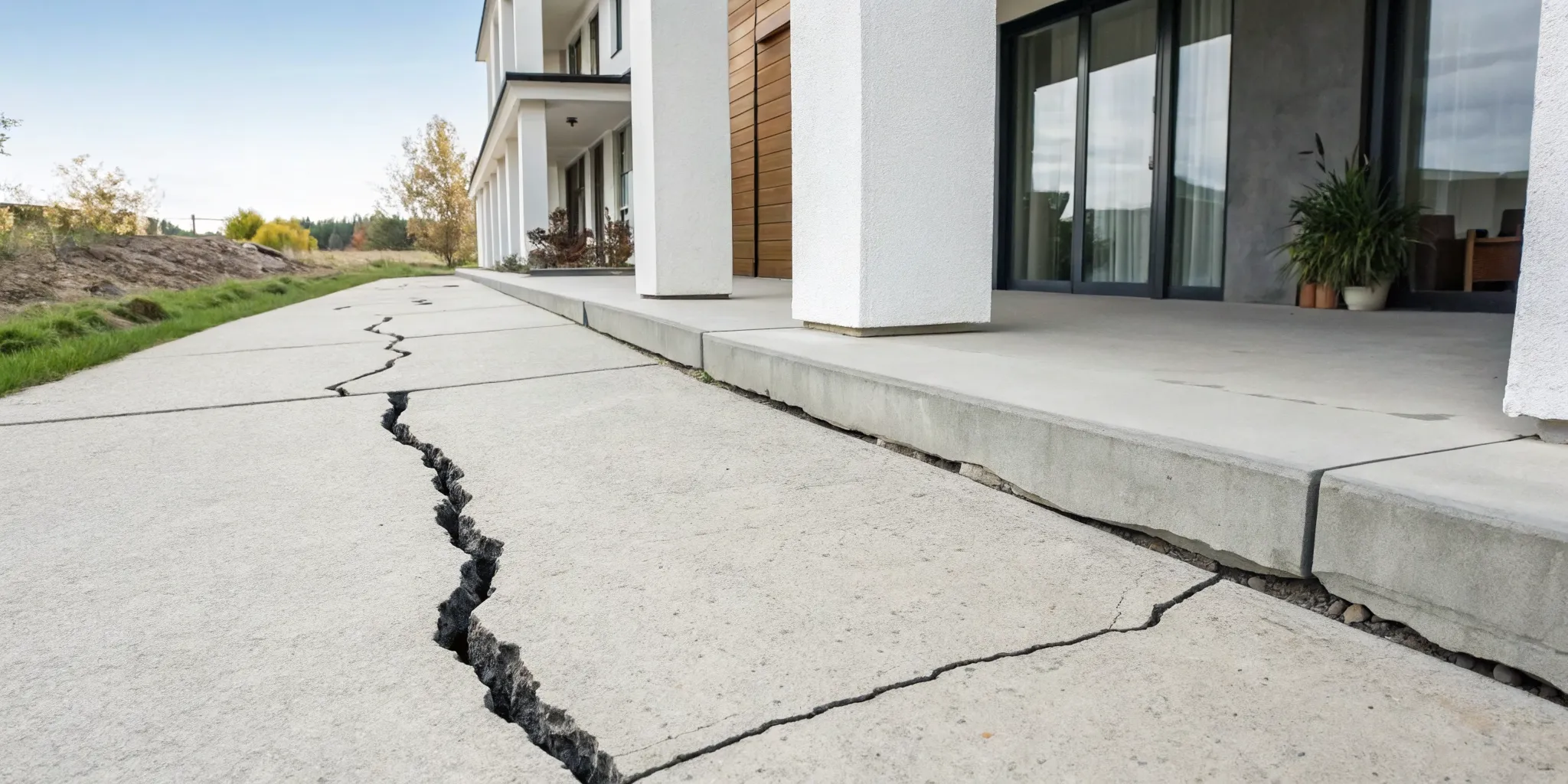
Finding a crack in your foundation can feel alarming, but don’t panic. Instead, think like a detective. Your first and most important clue is the crack’s direction. This single detail tells a huge story about your home’s health. Most vertical foundation cracks are harmless—often just a sign of your house settling naturally as concrete cures. A horizontal crack, however, is a major red flag. It signals intense, outside pressure pushing against your walls. We’ll teach you how to read these clues so you can confidently decide when to simply monitor a crack and when to call in an expert.
Key Takeaways
- Horizontal cracks are a serious warning: They point to intense outside pressure on your foundation, while vertical cracks are often just signs of normal home settling.
- Monitor the details to gauge the risk: Any crack wider than 1/8 of an inch, actively growing, or accompanied by sticking doors and uneven floors needs a professional look.
- Manage water to prevent cracks and call an expert to fix them: Directing water away from your home is your best defense, but for any concerning crack, a professional diagnosis is the only way to ensure a correct and lasting repair.
Vertical vs. Horizontal Cracks: How to Tell Them Apart
When you spot a crack in your foundation, it’s easy to feel a little anxious. But not all cracks are created equal. The direction a crack runs, either up-and-down or side-to-side, tells a story about what’s happening underneath your home. Understanding this difference is the first step in figuring out how serious the problem might be. One type of crack is often a sign of normal settling, while the other can point to significant structural stress that needs immediate attention. Let’s break down what each one looks like and what it means for your home.
How to Spot a Vertical Crack
A vertical crack runs mostly up and down your foundation wall. These are typically caused by your home’s foundation settling into the ground over time or from the concrete shrinking as it cures. Generally, vertical cracks are less alarming than their horizontal counterparts. If you find a thin, dry vertical crack, it might not be a major issue, but it’s definitely something you should keep an eye on. Think of it as a warning sign to monitor, as even small cracks can sometimes widen and let water in, leading to bigger problems down the road.
Understanding the Angle
It’s important to know that vertical cracks are a pretty common sight in homes. Some are simply cosmetic, a result of the concrete drying and shrinking after construction. Others, however, can point to more significant issues like the soil shifting beneath your home or the foundation settling unevenly. A good rule of thumb is to look at the width. If a crack is wider than 1/8 of an inch, leaking water, or shows signs of movement, it may indicate a more serious issue that requires a professional evaluation. While many vertical cracks are benign, they shouldn’t be ignored. Regular monitoring helps you understand what’s happening with your home’s structure and address any key warning signs before they escalate.
Identifying a Horizontal Crack
Horizontal cracks run sideways, parallel to the floor. These are almost always a sign of a serious problem. They form when outside pressure from soil and water pushes against your foundation walls, causing them to bow inward. This is known as hydrostatic pressure, and it can exert an incredible amount of force on your home’s structure. A horizontal crack indicates that the structural integrity of your foundation is at risk, which could make the entire building unstable if left unaddressed. This type of damage requires professional foundation repair to stabilize the wall.
Key Differences to Look For
The easiest way to tell these cracks apart is by their direction. Does the crack run from the ceiling toward the floor, or does it run from one side of the wall to the other? This simple observation tells you a lot about the underlying cause and potential severity. Vertical cracks are often a result of natural settling and are usually more manageable. Horizontal cracks, on the other hand, are caused by intense external pressure and can affect a much larger, more critical part of your foundation. If you see a horizontal crack, it’s time to get a free inspection from an expert.
Other Common Crack Types to Know
Beyond the straightforward vertical and horizontal lines, foundations can develop cracks that look a bit different. These patterns also tell a story about the forces acting on your home, and getting familiar with them can help you spot trouble early. You might see zig-zagging lines that climb your walls like a staircase or cracks spreading across your floor. Each type has its own cause and level of concern, but they all serve as important clues about your foundation’s health. Understanding what these less common cracks mean will give you a more complete picture of what’s happening, so you can feel confident in your next steps.
Stair-Step Cracks
If your home has a brick or concrete block foundation, you might see cracks that zig-zag up the wall, following the mortar joints like a set of stairs. These are called stair-step cracks, and they’re a definite sign that something is shifting. They usually point to foundation settlement, where one part of your home is sinking faster than another, putting stress on the wall. Because these cracks break along the mortar, they create a direct path for water to get in, which can lead to moisture problems in your basement or crawl space. If you spot stair-step cracks, it’s a clear signal that your foundation is under significant strain and needs a professional structural assessment.
Diagonal Cracks
Diagonal cracks are another common sight, typically running at an angle across your foundation wall. Sometimes, a small diagonal crack can be a result of normal concrete curing or minor settlement. However, they often indicate differential settlement, where the foundation is moving unevenly. The direction and width of the crack can offer clues; for example, a crack that is wider at the bottom than the top could mean the center of the wall is heaving. While a single, hairline diagonal crack might just need monitoring, any crack that is growing or appears with other signs of distress warrants a closer look. Understanding the underlying cause is key to preventing a small issue from becoming a major structural problem, so it’s wise to schedule a professional evaluation.
Floor Cracks
Cracks aren’t just limited to your walls; they can also appear on the concrete floor of your basement or crawl space. Many floor cracks are simply shrinkage cracks that form as the concrete slab cures and are not a structural concern. However, if you see cracks that are wide, uneven from one side to the other, or have water seeping up through them, it points to a bigger issue. These types of cracks can be caused by soil settlement beneath the slab or by upward pressure from water in the ground. When you see significant floor cracks, especially alongside wall cracks, it’s a strong indicator that your home needs a comprehensive basement waterproofing and foundation solution.
What Causes Vertical Foundation Cracks?
Finding a vertical crack in your foundation can be unsettling, but it’s helpful to know they are often less serious than their horizontal counterparts. These up-and-down cracks usually happen for a few common reasons related to your home’s natural aging process and the environment around it. Understanding what causes them is the first step in figuring out if you need a simple monitor or a professional foundation repair.
Normal Foundation Settling
Think of your home like it’s getting comfortable in its spot. Over time, every house settles into the soil beneath it. This is a completely normal process, especially in the first few years after construction. As the weight of your home shifts and compacts the ground, it can create stress on the concrete foundation, leading to small vertical cracks. Most of the time, these settling cracks are hairline-thin and don’t pose a structural threat. They are simply a sign that your house is adjusting to its permanent home. While they are usually harmless, it’s always a good idea to keep an eye on them to make sure they don’t widen over time.
Concrete Shrinkage from Curing
Concrete isn’t a static material. When your foundation was first poured, the concrete mix contained a lot of water. As the concrete cures and hardens, that water evaporates, causing the material to shrink slightly. This shrinkage process can create small vertical cracks, which are often called shrinkage cracks. They typically appear within the first year of the concrete being poured and are a natural part of the drying process. These cracks are usually very narrow and don’t go all the way through the foundation wall. They are a cosmetic issue more than a structural one, but knowing their origin can give you peace of mind.
Slight Shifts in the Soil
The soil around your home is constantly changing, especially here in Oklahoma. Our clay-rich soil expands when it gets wet and shrinks when it dries out. These cycles of expansion and contraction cause minor soil shifts that can put pressure on your foundation walls. This gentle push and pull can be enough to form small vertical cracks. While these are generally not as alarming as cracks from intense soil pressure, they are a sign that your foundation is dealing with environmental stress. If you notice new cracks appearing after heavy rains or a long drought, it might be time to schedule a free inspection to understand what’s happening with the soil around your home.
Poor Initial Construction
It’s not always the ground’s fault. Sometimes, the root of a vertical crack goes all the way back to when the house was first built. If the construction crew used a poor-quality concrete mix or didn’t pour the foundation correctly, it can create weak spots from day one. For instance, a concrete mix with too much water can lead to more significant shrinkage as it cures, resulting in cracks. These construction defects can also cause the home to settle unevenly, putting stress on the foundation walls and leading to vertical fractures. The quality of the initial build plays a huge role in the long-term stability of your home, and if you suspect shortcuts were taken, it’s wise to get a professional opinion.
What Causes Horizontal Foundation Cracks?
While vertical cracks often come from the house settling down, horizontal cracks are a different story. They almost always point to an outside force pushing inward on your foundation walls. Think of it as your foundation being squeezed from the sides. This external pressure is a serious threat to your home’s structural integrity and usually stems from issues with the soil and water right outside your door. Understanding these forces is the first step to figuring out a solution.
Heavy Pressure from Surrounding Soil
The soil around your home isn’t just sitting there quietly. Here in Oklahoma, we have a lot of clay soil, which acts like a sponge. When it gets wet from rain, it expands and pushes against your foundation walls with incredible force. Then, when it dries out, it shrinks and pulls away. This constant cycle of expansion and contraction puts a huge amount of stress on your foundation. Over time, this relentless pressure can cause the walls to bow inward and develop horizontal cracks, signaling that the structure is under strain. This is a common cause of serious foundation damage.
Pressure from Water Buildup
Hydrostatic pressure is just a technical term for the pressure that water exerts when it builds up in the soil. When the ground around your foundation becomes saturated after a heavy downpour, the water has nowhere to go. It pushes against your foundation walls from all sides. If this pressure becomes too great, it can force its way through tiny pores in the concrete or even cause the walls to crack and bow. This is especially a problem for homes with basements or deep crawl spaces, as the walls are under more pressure the deeper they go. Proper basement waterproofing is key to preventing this.
Water Pooling from Poor Drainage
Both intense soil pressure and hydrostatic pressure are made much worse by poor drainage. If your gutters are clogged, your downspouts are dumping water right next to the foundation, or the ground around your house doesn’t slope away properly, you’re essentially inviting water to pool against your walls. This oversaturated soil is the direct cause of the pressure that leads to horizontal cracks. Managing the water around your home is one of the most important things you can do to protect your foundation. If you see water pooling near your house after it rains, it’s a clear sign you may have a drainage problem that needs a professional look.
The Impact of Freeze-Thaw Cycles
Oklahoma winters can be a real rollercoaster, with temperatures swinging above and below freezing. This constant back-and-forth is what we call a freeze-thaw cycle, and it can be surprisingly tough on your home’s foundation. When rain or melting snow soaks the ground, the soil becomes saturated. As temperatures drop, that trapped water freezes and expands, putting immense pressure on your foundation walls. This expansion can force existing cracks to widen or create new ones. When the weather warms up, the ice thaws and the pressure eases, but the damage is already done. This repeated stress, season after season, weakens the concrete and can lead to significant structural issues that require professional foundation repair.
So, Which Type of Crack Is More Serious?
Let’s get straight to it. You’ve found a crack in your foundation, and now you’re wondering just how much you should worry. While any crack is worth paying attention to, there’s a clear winner when it comes to which one signals a bigger problem. In the world of foundation issues, not all cracks are created equal. Understanding the difference between a horizontal and a vertical crack is the first step in protecting your home’s structural integrity and making a plan for foundation repair.
Why Horizontal Cracks Are a Major Concern
If you spot a horizontal crack, it’s time to pay close attention. These cracks are almost always more serious than vertical ones because they indicate that your foundation walls are under intense external pressure. This pressure usually comes from the soil outside or from water building up against the foundation, a phenomenon called hydrostatic pressure. Essentially, the wall is being pushed inward, and the crack is a sign that it’s starting to fail. This can weaken a huge section of your foundation, potentially leading to bowing walls and serious structural damage. Ignoring a horizontal crack is a risk you don’t want to take, as it can compromise the stability of your entire home.
When to Worry About a Vertical Crack
Vertical cracks, on the other hand, are generally less alarming. They often appear as a house settles naturally over time or as the concrete cures. Think of them as growing pains for your home. However, that doesn’t mean you can ignore them completely. A vertical crack can still be a problem if it’s wide enough (a good rule of thumb is anything wider than 1/8 of an inch) or if you see water seeping through it. Even a small leak can lead to bigger issues like mold, mildew, and water damage, which is why basement waterproofing is so important. So, while a hairline vertical crack might just be cosmetic, a wider one that lets in moisture needs to be addressed.
How to Assess the Seriousness of a Crack
So, how can you tell if the crack you’re looking at is a minor issue or a major problem waiting to happen? Start by monitoring it. Take a picture or mark the ends of the crack with a pencil and date it. Check back every few weeks to see if it has gotten longer or wider. Any crack that is actively growing is a sign of an ongoing issue that needs professional attention. If you see cracks that are large, growing, or horizontal, the best course of action is to have an expert take a look. A professional can assess the situation and give you a clear picture of what’s happening with your foundation. Getting a free inspection can provide peace of mind and a solid plan for any necessary repairs.
The Credit Card Test
Here’s a simple trick you can do right now. Grab a credit card from your wallet and try to slide it into the crack. If it fits, the crack is likely wider than 1/8 of an inch, which is a common benchmark for concern. While this test isn’t a formal diagnosis, it’s a quick and easy way to gauge the severity. A vertical crack can still be a problem if it’s wide enough, and this simple test helps you see if it has crossed that threshold. If your card slides in easily, it’s a strong signal that the crack is more than just a cosmetic issue and warrants a closer look from a professional to determine the right plan for foundation repair.
Checking for Wall Displacement
Beyond width, check if the wall itself is uneven. Run your hand across the crack. Does one side feel like it’s sticking out further than the other? This is called displacement, and it’s a red flag. It means the foundation isn’t just cracked; it’s shifting under pressure. This is a much more serious issue than a simple surface crack because it points to active structural movement. Remember, any crack that is actively growing or changing is a sign of an ongoing issue that needs professional attention. Displacement is a clear sign of change, indicating that the forces causing the crack are still at work and could be compromising your home’s stability.
Signs of Water Intrusion
A crack doesn’t have to be wide to be a problem. Look closely for any signs of moisture. Do you see dark staining around the crack, a white chalky substance on the wall, or feel any dampness? These are all signs that water is seeping through from the outside. Even a small leak can lead to bigger issues like mold, mildew, and water damage, which is why basement waterproofing is so important. Water intrusion means the crack has fully penetrated your foundation wall, creating a direct path for moisture into your basement or crawl space. This not only threatens your home’s structure but also its air quality and overall health.
Beyond the Crack: Hidden Risks to Your Home and Health
A crack in your foundation is more than just an eyesore; it’s a gateway to other, more serious problems. While the visible line in the concrete is what catches your eye, the hidden risks it represents can affect your finances, your home’s structural safety, and even your family’s health. These issues often develop silently behind the scenes, stemming from the same pressures that caused the crack in the first place. Understanding these potential consequences is crucial because it shifts the focus from simply patching a crack to addressing the root cause and protecting your most valuable asset from the inside out.
Impact on Property Value
When it comes to selling your home, a foundation crack is a major red flag for potential buyers, inspectors, and lenders. It immediately raises questions about the home’s structural stability and the potential for costly future repairs. Professional appraisers take foundation integrity seriously when determining a home’s market value, and an unaddressed issue can significantly lower their assessment. If a problem is discovered during the selling process, you may be asked to either fix the issue before closing or reduce your asking price to cover the repair costs for the new owner. Proactively addressing these concerns with a professional foundation repair not only protects your home but also preserves its value.
Health and Safety Concerns
The most immediate risk of a serious foundation crack, especially a horizontal one, is to your home’s structural integrity. As outside pressure from soil and water causes a wall to bow inward, it weakens the entire structure that rests on top of it. This isn’t just a potential problem for the future; it’s an active threat to your family’s safety. Beyond the structural danger, cracks also create pathways for moisture to enter your basement or crawl space. This damp environment is the perfect breeding ground for mold and mildew, which can release spores into the air and contribute to respiratory problems, allergies, and other health issues for your family.
Radon Gas Infiltration
Foundation cracks can also allow a dangerous, invisible guest into your home: radon gas. Radon is a naturally occurring radioactive gas that is colorless, odorless, and tasteless. It is released from the soil and can seep into your home through any opening in the foundation, including cracks in the walls and floors. It tends to accumulate in lower levels like basements and crawl spaces. According to the EPA, long-term exposure to radon is the second leading cause of lung cancer in the United States. Sealing entry points through professional basement waterproofing and crawl space solutions is a critical step in protecting your home’s air quality.
Is Your Foundation Crack a Real Problem?
So you’ve spotted a crack. Before you panic, take a moment to play detective. The direction of the crack is a major clue, but its size, growth, and location tell the rest of the story. A few simple observations can help you figure out if you’re dealing with a minor cosmetic issue or a symptom of a bigger problem that needs professional attention.
Check the Width of the Crack
Grab a ruler or a tape measure. As a general rule, any crack wider than 1/8 of an inch should be on your radar. While hairline cracks are often just a sign of the concrete curing or your house settling naturally, wider gaps can indicate significant foundation movement. A crack that you can slide a quarter into is definitely wide enough to warrant a closer look. This is especially true for horizontal cracks or stair-step cracks in your brickwork. If you find a wide crack, it’s a clear sign that it’s time to look into professional foundation repair to understand the underlying cause.
Is the Crack Getting Bigger Over Time?
A crack that is actively changing is a sign of an ongoing problem. To track it, take a pencil and mark the ends of the crack, then write the date next to your marks. You can also measure its width and jot that down. Check back every few weeks. If you see the crack extending past your marks or getting wider, your foundation is still shifting. Another clue is a crack with sharp, clean edges, which suggests it’s a recent development. An older, dormant crack will often have rounded edges or be filled with debris and paint. Any growing crack needs immediate attention, so scheduling a free inspection is the best next step.
Why You Shouldn’t Ignore “Small” Cracks
It’s easy to dismiss a small crack as “no big deal,” and sometimes, that’s true. Minor vertical cracks from concrete shrinkage are often harmless. However, it’s a myth that size is the only thing that matters. A thin, horizontal crack can be far more dangerous than a wider vertical one because it signals intense pressure on your foundation walls. Don’t let a crack’s small size give you a false sense of security. Pay attention to its direction and location. If you see any horizontal cracks, bowing walls, or other warning signs, it’s always smarter to have an expert take a look, no matter how small the crack seems at first.
Other Foundation Warning Signs to Look For
Foundation cracks are often the most obvious sign of trouble, but they rarely show up alone. Your home might be giving you other clues that something is wrong with its structural support. Paying attention to these subtle (and not-so-subtle) changes can help you catch a problem before it gets worse. If you spot a crack and also notice any of the following issues, it’s definitely time to pay closer attention.
Sticking Doors and Windows
Is there a door in your house that suddenly refuses to latch properly? Or a window that you have to wrestle with to open and close? When your home’s foundation shifts, it can warp the frames of your doors and windows. This misalignment is what causes them to stick, jam, or sag. While humidity can sometimes be the culprit, persistent issues are a classic symptom of foundation settlement. Don’t just write it off as an old house quirk; it could be your home telling you that its underlying structure needs a professional foundation repair assessment.
Uneven or Sloping Floors
Walking across a floor that feels bouncy, slanted, or uneven can be unsettling. This is more than just a cosmetic issue; it often points directly to problems below. Sagging floors can mean the support posts in your crawl space are failing or that the soil beneath your foundation has shifted, creating a void. This is especially common in homes with crawl spaces where moisture can weaken wooden supports over time. If you notice a dip in your floor or see furniture leaning, it’s a strong indicator that you need a crawl space repair expert to take a look underneath.
Bowing or Leaning Walls
Of all the warning signs, a bowing or bulging wall is one of the most serious. This happens when outside pressure from soil and water becomes too much for your foundation walls to handle, forcing them to bend inward. You might notice this in your basement or along a retaining wall. A horizontal crack often appears along with the bowing. This is a critical sign of structural stress that can eventually lead to wall failure if it isn’t addressed. Proper basement waterproofing and wall reinforcement are essential to relieve that pressure and secure your home’s structure for good.
How Are Foundation Cracks Fixed?
Seeing a crack in your foundation can be alarming, but the good news is that there are proven, effective solutions. The right repair method depends entirely on the type of crack and what’s causing it. It’s not about simply patching the crack you can see; it’s about addressing the underlying issue to ensure a permanent fix. A professional will diagnose the root cause, whether it’s soil pressure, water issues, or natural settling, and then recommend a targeted solution to restore your foundation’s strength and stability for the long haul.
Fixing Vertical Foundation Cracks
For most vertical cracks, which are typically caused by concrete curing or minor settling, the repair process is quite precise. Professionals often use a high-pressure injection of epoxy or polyurethane foam. This material is injected deep into the crack, filling it from the inside out. It doesn’t just patch the surface; it bonds with the concrete to form a permanent, waterproof seal that is often stronger than the original concrete. This method effectively stops water intrusion, which is a key part of keeping your basement or crawl space dry, and restores the structural integrity of the wall without major excavation or disruption.
Sealing Cracks with Injections
When it comes to sealing vertical cracks, one of the most effective techniques is a high-pressure injection. A professional will inject a specialized epoxy or polyurethane foam deep into the crack, filling it from the inside all the way to the exterior. This isn’t just a simple patch; the material actually bonds with the surrounding concrete to create a permanent, waterproof seal that can be even stronger than the original wall. This approach is so effective because it addresses both the structural weakness and the potential for water intrusion, restoring the wall’s integrity without requiring any major excavation outside your home. It’s a precise solution that ensures the crack is sealed for good.
Fixing Horizontal Foundation Cracks
Horizontal cracks are a different story because they signal significant pressure against your foundation walls. The repair here focuses on reinforcing the wall to withstand that external force. Depending on the severity, a common solution is installing carbon fiber straps. These straps are incredibly strong, non-intrusive, and are bonded to the interior of the wall to stabilize it and prevent further bowing or cracking. For more advanced bowing, steel I-beams might be installed against the wall for even greater support. These foundation repair methods are designed to counteract the soil or water pressure pushing against your home, providing a permanent solution to the structural problem.
Structural Solutions for Severe Damage
When a foundation wall is bowing under intense pressure, the solution needs to be just as strong. For severe horizontal cracks and bowing walls, the goal is to add reinforcement that permanently stabilizes the structure. One of the most effective methods involves using carbon fiber straps. These ultra-strong straps are bonded directly to the interior of the foundation wall, creating a powerful brace that stops any further movement. For walls with more significant bowing, steel I-beams can be installed to provide an even greater level of support. These powerful foundation repair techniques don’t just patch the problem; they counteract the external pressure, ensuring your home’s structure is secure for the long term.
Should You DIY or Call a Pro?
While it might be tempting to pick up a patching kit from the hardware store, foundation repair is not a DIY project. Simply filling a crack with caulk or hydraulic cement only addresses the cosmetic issue and does nothing to solve the underlying problem. The crack will almost certainly reappear, and in the meantime, the root cause (like soil pressure or water buildup) could be getting worse. A professional can accurately diagnose the problem and apply the correct engineering solution. The best first step is to have an expert take a look. You can get a clear picture of what’s happening with a free inspection and a plan to fix it right the first time.
When Should You Call a Foundation Expert?
It’s one thing to understand the difference between foundation cracks, but it’s another to know exactly what to do about them. While some tiny, hairline vertical cracks might just be signs of your house settling, other issues demand immediate attention. Trying to diagnose a foundation problem on your own can be tricky, and guessing wrong can lead to more significant and costly damage. When you spot a crack that makes you nervous, the smartest move is to call in a professional who can give you a clear answer and a solid plan.
Warning Signs You Can’t Ignore
Certain signs are your foundation’s way of screaming for help. A horizontal crack in your basement or foundation wall is one of the biggest red flags. These cracks often point to intense pressure from the soil or water outside, which can compromise your home’s structural integrity. Another clear warning sign is any crack, vertical or horizontal, that is wider than a quarter of an inch. If you see a crack that wide, or one that is actively growing, it’s time to stop monitoring and start acting. These issues won’t fix themselves and require professional foundation repair to prevent further damage.
Why a Professional Inspection Is Worth It
A foundation crack is a symptom, not the root cause. A professional inspector doesn’t just look at the crack itself; they investigate what’s causing it. Is it hydrostatic pressure from poor drainage? Is it the expansive clay soil common in Oklahoma? An expert can accurately diagnose the underlying issue. This is crucial because the right solution depends entirely on the cause. A misdiagnosis could lead to an ineffective repair that costs you time and money while the real problem gets worse. A thorough inspection gives you a complete picture of your foundation’s health and a clear path forward.
Understanding Repair Warranties
When you invest in a professional repair, the warranty is more than just a piece of paper; it’s the company’s promise that they stand behind their work. But it’s important to know that not all warranties are the same. A good warranty should be clear about what kind of coverage it provides and for how long. One of the most important features to look for is transferability. A transferable warranty means that if you decide to sell your home, the warranty protection can be passed on to the new owners, adding real value to your property. Ultimately, a warranty is only as reliable as the company offering it, which is why choosing a stable, reputable expert is key to ensuring your peace of mind for years to come.
What to Expect During a Foundation Inspection
If you’re worried about a crack, scheduling a professional assessment is a straightforward, stress-free process. When a Vesta expert visits your home, they’ll do more than just glance at the crack. They will conduct a detailed evaluation of your foundation, measure the width and length of any cracks, and look for other signs of movement, like sticking doors or sloping floors. They’ll explain what they find in simple terms and answer all your questions. By the end of the visit, you’ll understand the severity of the issue and what your options are. You can request a free inspection to get the peace of mind that comes with a clear, expert opinion.
How to Prevent Foundation Cracks Before They Start
While you can’t control everything that happens to your home’s foundation, you can take some powerful steps to protect it. Think of it as preventative care for your biggest investment. Most foundation problems are caused by two main culprits: water and shifting soil. By managing these elements, you can significantly reduce the risk of developing serious cracks down the road.
A little bit of proactive maintenance goes a long way. Simple, regular habits can help you spot potential issues before they become expensive headaches. Taking charge of your home’s drainage and landscaping isn’t just about curb appeal; it’s about creating a stable environment where your foundation can do its job without extra stress. These preventative measures are your first line of defense against costly repairs.
Improve Your Yard’s Drainage
Water is the number one enemy of your foundation. When soil becomes oversaturated, it expands and puts immense pressure on your foundation walls. That’s why directing water away from your home is so critical. Start by checking the slope of the soil around your foundation; it should gently grade away from the house. Clean your gutters regularly to prevent overflows that dump water right next to your home. You can also add downspout extensions to carry rainwater several feet away, giving it a chance to soak into the ground far from your foundation. These simple steps are essential for effective basement waterproofing and foundation health.
Proper Gutter and Downspout Maintenance
Your gutters and downspouts are your home’s primary water management system, and keeping them clear is a non-negotiable task. Throughout the year, they collect leaves, twigs, and other debris, which can create blockages. When a heavy Oklahoma rainstorm hits, clogged gutters can’t do their job, causing water to spill over the sides and pool directly against your foundation. This is exactly what you want to avoid. Make it a habit to clean them out at least twice a year, especially in the fall. Also, check that your downspouts extend at least five to ten feet away from your house. This simple step ensures that thousands of gallons of rainwater are directed safely away from the soil that supports your home, preventing the pressure that leads to serious foundation damage.
Maintain the Soil Around Your Foundation
The soil around your home is constantly changing, especially in Oklahoma where expansive clay is common. This type of soil swells when it’s wet and shrinks dramatically when it’s dry, causing the ground to shift and your foundation to settle unevenly. To create a more stable environment, avoid planting large trees too close to your house, as their thirsty roots can pull moisture from the soil and disturb the foundation. During long dry spells, consider lightly watering the soil around your foundation to maintain a consistent moisture level. This prevents the soil from shrinking away and leaving your foundation unsupported.
Simple Tips for Foundation Maintenance
Make it a habit to walk around your house a few times a year and inspect your foundation. Look for any new cracks, bulges, or signs of sinking. Pay attention to both the exterior concrete and the interior walls in your basement or crawl space. Catching a small crack early is much better than discovering a major problem later. If you notice a crack that seems to be getting wider or longer, or if you spot any horizontal cracks, it’s time to call in a professional. An expert can assess the situation and determine if a foundation repair is needed. Don’t hesitate to schedule a free inspection for peace of mind.
Seal Minor Exterior Cracks Promptly
It’s easy to overlook a small vertical crack on your home’s exterior, especially if it seems harmless. These cracks are often just signs of your house settling or the concrete curing, which is why they don’t always set off alarm bells like horizontal cracks do. However, even a hairline crack is an open invitation for water to seep into your foundation. Over time, that small leak can lead to moisture problems in your basement or crawl space, creating a perfect environment for mold and mildew. Sealing these minor cracks as soon as you spot them is a crucial preventative step. A professional foundation repair expert can use high-pressure injection methods to fill the crack completely, creating a seal that’s stronger than the original concrete and stops water in its tracks. Taking care of small issues promptly prevents them from turning into much bigger headaches down the road.
Related Articles
- Wall Cracks | Foundation Repair & Basement Waterproofing
- Reasons Why Your Concrete May Crack – Foundation Repair & Basement Waterproofing
- Foundation Crack Repair – Foundation Repair & Basement Waterproofing
- My Foundation Concern: Floor and Wall Gaps | Foundation Repair & Basement Waterproofing
- Floor Cracks | Foundation Repair & Basement Waterproofing
Frequently Asked Questions
Are all vertical cracks harmless? Not necessarily. While it’s true that thin, vertical cracks are often just signs of your house settling or concrete curing, they can still become a problem. The main things to watch for are width and water. If a vertical crack is wider than 1/8 of an inch or if you notice moisture seeping through it, it needs attention. Even a small leak can lead to bigger issues in your basement or crawl space.
Why can’t I just fill a crack with a store-bought sealant? Patching a crack yourself only covers up the symptom, it doesn’t fix the cause. Think of it like putting a bandage on a broken arm. The real issue, like intense soil pressure or poor water drainage, is still happening behind the scenes. A professional repair addresses the root cause to ensure the crack doesn’t just reappear later, which saves you from more extensive damage down the road.
My house is several decades old. Aren’t some cracks just normal signs of aging? Yes, some minor settling over time is completely normal for any home. However, you should never assume a crack is harmless just because your house is older. The key is to look for signs of an active problem. If a crack is getting wider, if your doors are starting to stick, or if you see a horizontal crack forming, those are not normal signs of aging. They are signals of an ongoing issue that needs to be evaluated.
What happens during a foundation inspection? When an expert comes to your home, they do a full check-up, not just a quick look at the crack. They will measure the crack, assess your foundation walls for any bowing or movement, and check for other signs of stress like uneven floors or sticking windows. They will also examine the drainage and soil conditions around your property to identify the root cause. Afterward, they will explain what they found and walk you through your options.
Besides fixing the crack, what else is done to solve the problem? A good repair goes beyond the crack itself. If the problem is caused by water pressure, the solution might also involve improving your drainage system or waterproofing your basement. If intense soil pressure is causing a wall to bow, the repair will focus on reinforcing that wall with something like carbon fiber straps to permanently stabilize it. The goal is always to fix the underlying issue so your foundation is secure for the long term.