
Finding uneven floors in your dream home can feel like a total dealbreaker. While most buyers see the issue and run, you can see it as an opportunity. A house with sagging floors isn’t just a red flag; it’s a powerful bargaining chip, if you know how to play your cards right. The question isn’t just about the repair, but how this visible flaw can help you get a much better deal. Let’s walk through how to understand the cause, get a solid repair estimate, and use that knowledge to negotiate a fair price with confidence.
Key Takeaways
- Identify the source of the sag first: Uneven floors are often a symptom of a bigger issue, like foundation settlement, crawl space moisture, or weak structural supports. Knowing the true cause is the first step to finding the right solution.
- A professional inspection provides a clear roadmap: A foundation specialist can diagnose the exact problem and provide a detailed report with a repair plan and a firm cost estimate, giving you the facts you need to make a smart decision.
- Use the repair estimate as a powerful negotiation tool: Armed with a professional quote, you can confidently ask the seller to cover the repair costs, either by reducing the home’s price, providing a credit at closing, or fixing the issue before the sale.
What Causes Sagging Floors in a House?
When you’re walking through a potential new home, an uneven floor can feel like a deal-breaker. But what’s really going on underneath your feet? Sagging or sloping floors are usually a symptom of a deeper issue, ranging from simple aging to serious structural problems. Understanding the root cause is the first step to figuring out if the home is a wise investment or a money pit. Let’s look at the four most common culprits.
Could It Be a Shifting Foundation?
Your home’s foundation is its bedrock. If it moves, the house shifts with it. Sagging floors are often a major warning sign of a foundation problem. Here in Oklahoma, our expansive clay soil is a frequent cause of trouble, swelling when wet and shrinking when dry. This movement can cause a foundation to settle unevenly, straining the structure. Professional foundation repair is essential to stabilize the home and prevent further damage.
How Moisture Problems Affect Your Floors
Water is a huge threat to a home’s structure. Leaks, poor drainage, or high humidity in a crawl space can introduce moisture that weakens the wooden floor system. When wood gets damp, it can rot and soften, causing the floors above to dip and sag. This is especially common in homes with dirt crawl spaces. Proper crawl space repair is key to stopping this damage at its source.
Unnoticed Plumbing Leaks and Flooding
It’s not always a major flood that causes structural issues; sometimes, the culprit is a slow, hidden leak from a pipe. When plumbing leaks go unnoticed, they can drip continuously onto the wooden joists and subfloor in your crawl space or basement. Over time, this constant exposure to moisture causes the wood to soften, rot, and lose its ability to support the weight above. This is when you’ll start to see your floors shift, warp, and sag. Addressing the source of the water is the critical first step. A comprehensive approach to basement waterproofing can help manage water intrusion and protect your home’s structural components from long-term damage.
Identifying Weak Structural Support
Beneath your flooring is a framework of wooden beams called joists. If they are weak, damaged, or spaced too far apart, they can’t provide adequate support, leading to sagging. This can happen if the original builder used undersized joists, or if they’ve been damaged by termites or cut improperly. The support columns in the basement or crawl space can also be a problem. If these posts are sinking or deteriorating, they can’t do their job.
Inadequate Support Columns and Joist Spans
The structural design of your home’s floor system is crucial. The joists, which are the horizontal beams that support the floor, need to be strong enough for the distance they cover. If these joists stretch too far without enough support from below, they can begin to sag under the home’s weight. The same goes for the support columns in the crawl space or basement. If these vertical posts are too small, spaced too far apart, or have shifted over time, they can’t hold up the floor joists effectively. This often happens when the original construction didn’t account for the long-term load or if the ground beneath the posts is soft. A professional assessment can determine if additional support is needed to properly stabilize the floor.
Simple Wear and Tear Over Time
Not every sloped floor signals a disaster. In older homes, a bit of sloping is often part of their character from decades of slow, gradual settling. A slight, consistent slope might not be an active problem. The key is to determine if the settling is ongoing. Even if it seems minor, it’s always a good idea to get a professional opinion. A thorough free inspection can tell you whether the home has aged gracefully or if there’s an active issue.
Damage from Wood-Destroying Pests
It’s an unwelcome thought, but sometimes the cause of sagging floors isn’t the house itself, but tiny, unwanted tenants. Pests like termites, carpenter ants, and powderpost beetles can cause serious structural problems by chewing through the wooden components of your home. They often target the floor joists and support beams in dark, damp areas like a crawl space, burrowing into the wood and weakening it from the inside out. Over time, this damage compromises the structural integrity of your home, leading to the dips and sags you feel underfoot. A thorough inspection is crucial to identify any pest-related damage, as a proper crawl space repair is often the first step to ensuring a lasting solution for your floors.
Issues from Previous Repairs or Original Construction
Sometimes, the problem isn’t what’s happened to the house recently, but how it was built or “fixed” in the past. In many older homes, construction standards were different, and floor joists may have been spaced too far apart to provide adequate support for modern living. This can lead to gradual sagging over the years. Additionally, previous DIY fixes or unprofessional repairs might have done more harm than good. For example, cutting a joist to run plumbing or electrical lines without properly reinforcing it can create a significant weak spot. These hidden construction flaws are often invisible to the untrained eye, which is why getting a professional opinion is so important before you buy.
Is This Sagging Floor a Serious Problem?
When you’re walking through a potential new home, an uneven floor can feel like a huge red flag. But sagging floors aren’t always a deal-breaker. Sometimes they’re minor quirks, especially in older homes, but other times they point to serious structural problems. The key is knowing how to tell the difference between a small issue and a major headache.
Before you get too worried, it helps to play detective. By looking for specific signs and doing a few simple tests, you can get a much clearer picture of what’s happening beneath your feet. This initial assessment will help you decide if it’s time to call in a professional for a closer look. Let’s walk through what to watch for and when to be concerned.
Key Warning Signs to Look For
Pay attention to how the floor feels as you walk across it. Does it feel bouncy or spongy, like a mini-trampoline? Do you notice a distinct lean to one side? Look closely at the floor itself. Buckling or sagging in the middle of a room is a clear sign something is wrong. If you see large gaps opening up between floorboards, that’s another indicator of movement. Don’t forget to use your nose, either. A persistent mildew smell or visible mold spots often point to moisture issues in the basement or crawl space, which can lead to wood rot and weakened support. These are often the root cause of sagging floors and may require crawl space repair.
Unusual Sensations and Noises
Beyond what you can see, pay attention to what you feel and hear. As you walk through the house, does the floor feel bouncy or spongy, almost like a mini-trampoline? That springiness is a red flag that the floor joists underneath aren’t properly supported. Listen for unusual sounds like creaking, groaning, or popping as you move around. While old houses make noise, these sounds shouldn’t be excessive or new. Buckling or a noticeable sag in the middle of a room is another clear sign that something is wrong with the home’s structure. These sensations are your first clue that the floor system is under stress and needs a closer look.
Cracks Near Doors and Windows
A sagging floor rarely happens in isolation; it’s often a symptom of the entire house shifting. Look for evidence of this strain on the walls. Do you see cracks forming, especially diagonal ones that run from the corners of door and window frames? These are tell-tale signs of foundation settlement. Check if windows and doors stick or don’t close properly, as this indicates the frames are being twisted out of square. You might also notice gaps opening up between the floor and the baseboards or between floorboards themselves. These are all indicators that the home’s structure is moving in ways it shouldn’t be.
Potential for Mold and Health Risks
Sometimes the most serious warning sign is one you can smell. A persistent musty or mildewy odor, especially in the basement or crawl space, points directly to a moisture problem. This dampness is a primary cause of wood rot, which weakens support beams and joists, leading to sagging floors. If moisture is causing the sag, it’s very likely causing mold growth, too. Visible mold spots on walls or joists are an obvious concern, but even unseen mold can release spores into the air, impacting your family’s health. Addressing the source of the water is critical, which often involves professional basement waterproofing to protect both the structure and the air you breathe.
Quick Tests You Can Do Yourself
You don’t need special equipment to get a sense of the slope. Try placing a marble or a small ball on the floor in a few different spots. If it rolls slowly or stays put, the slope is likely minor. Many houses, especially those 70 years or older, settle over time and develop slight, harmless slopes. However, if the ball zips across the room, the slope is more significant. Also, consider the scope of the problem. Is the sag isolated to one small area, like in front of a heavy appliance? Or does the entire floor seem to tilt? A localized dip might be a simpler fix, like a weak floor joist, while a widespread slope could indicate a larger issue.
Red Flags You Shouldn’t Ignore
Some signs are too serious to ignore. Look for cracks in the drywall, especially radiating from the corners of door and window frames. Try opening and closing interior doors. If they stick at the top or don’t latch properly, it’s often because the frame has been twisted out of square by a shifting foundation. Another major red flag is a visible gap between the baseboards and the floor. When you see these issues combined with sagging floors, it’s a strong signal that the problem goes deeper than the floorboards. These are classic symptoms of foundation distress that will only get worse and more expensive to fix over time. If you spot these warning signs, it’s time to get a professional foundation repair expert to take a look.
Should You Buy a House with Sagging Floors?
When you’re house hunting, it’s easy to fall in love with a home’s charm and overlook a few quirks. But sagging floors are more than just a cosmetic flaw; they’re often a sign of bigger issues lurking beneath the surface. Understanding the risks involved can help you decide whether to proceed with the purchase or walk away. From safety hazards to financial hurdles, ignoring uneven floors can lead to serious problems down the road.
Are There Safety Concerns?
Think of a sagging floor as your home’s way of telling you something is wrong with its underlying structure. While a slight dip might seem minor, it can create a significant tripping hazard, especially for children and older adults. Everyday life becomes a little more frustrating, too. You might notice furniture wobbling, objects rolling across the floor, or interior doors that no longer latch properly because their frames are out of alignment. These daily annoyances are often the first clues that a deeper foundation repair may be needed to make the home safe and stable.
How It Affects the Rest of the House
Ignoring a sagging floor is like hitting snooze on a fire alarm. The problem won’t fix itself and will likely become more severe and costly over time. What starts as a simple sag can lead to cracked drywall, sticking windows, and widening gaps between the floor and the wall. In severe cases, the structural integrity of the floor could be compromised, creating a risk of collapse. Addressing the root cause, whether it’s a damp crawl space or failing support posts, is the only way to prevent further damage and protect your investment. A professional can assess your crawl space repair needs and stop the problem from spreading.
Will It Affect the Home’s Value?
A home is a huge investment, and sagging floors can directly impact its long-term value. For future buyers and their home inspectors, uneven floors are a major red flag that points to potential structural problems. Even if you’re comfortable with the issue, it will likely come up during a future sale. Buyers will almost certainly use the needed repairs as a negotiating tool, asking for a lower price or significant concessions. This can reduce your home’s market value and make it much harder to sell when you’re ready to move on.
Understanding the Potential Decrease in Property Value
When you think about selling a home down the line, remember that sagging floors are more than just an aesthetic issue—they’re a financial one. For a potential buyer and their home inspector, an uneven floor is an immediate red flag that points to deeper structural problems. This gives them significant leverage during negotiations, often leading them to request a substantial price reduction to cover future repairs. The problem only compounds over time, as a simple sag can eventually cause more visible damage like drywall cracks and sticking doors. Proactively addressing the underlying issue is the best way to protect the home’s long-term value and ensure a smoother sale in the future.
How It Can Affect Your Mortgage and Insurance
Beyond the repair costs, sagging floors can create headaches with financing and insurance. Many mortgage lenders are hesitant to approve loans for homes with known structural defects because it makes the property a riskier investment. An appraiser may flag the issue, potentially derailing the loan process altogether. Similarly, insurance companies might charge higher premiums or even deny coverage for a home with pre-existing foundation problems. Before you get too far, it’s wise to get a free inspection to understand the full scope of the issue and what it will take to fix it.
How to Fix Sagging Floors (and What It Costs)
Seeing a sagging floor can be unsettling, but the good news is that almost any issue can be fixed. The right repair method depends entirely on the root cause of the problem. A solution for a shifting foundation will be very different from a fix for weakened floor joists. Understanding the potential repairs and their costs can help you decide if a home is a worthwhile investment or if you should walk away. From stabilizing the foundation itself to reinforcing the floor’s support system, professionals have a range of tools to make a home safe and level again. Let’s look at some of the most common solutions and what you can expect in terms of cost.
Common Ways to Repair the Foundation
If the sagging floor is a symptom of a bigger foundation issue, you have to address the problem at its source. When the ground beneath your home shifts or settles, it can cause parts of the house to sink, leading to uneven floors. The most effective foundation repair often involves underpinning. This process uses steel piers, which are driven deep into the ground until they reach stable soil or bedrock. These piers act like stilts, transferring the weight of your home to solid ground. The foundation can then be stabilized and, in many cases, lifted back toward its original position, correcting the sag.
Strengthening the Floor Joists
Sometimes the foundation is perfectly fine, but the floor’s support system is the problem. Floor joists are the horizontal beams that support the floor from below. Over time, they can weaken due to moisture, termite damage, or simply age. A common fix is called “sistering,” where a new, strong joist is attached alongside the weakened one to add strength and support. In cases of severe damage, the old joist might need to be replaced completely. This method directly reinforces the floor’s structure, helping to level it out and prevent further sagging.
Replacing vs. Sistering Damaged Joists
When the problem lies with the floor joists, the solution usually comes down to two options: sistering or installing a new joist. Think of sistering as giving a weak joist a helping hand. A new, strong joist is securely attached alongside the damaged one, sharing the load and adding reinforcement. This is an effective fix when the original joist is still mostly intact but has been weakened by minor rot or age. However, in cases of severe damage from extensive moisture or termites, the old joist may need to be removed entirely and a new one put in its place. A compromised joist can’t be saved by simply adding a partner. The choice between these methods depends entirely on the condition of the wood, which is why a professional assessment is so important for any crawl space repair plan.
Crawl Space Solutions for Uneven Floors
For homes with a crawl space, sagging floors are often caused by inadequate support from below. The columns or posts holding up the center of the house may have settled, spaced too far apart, or deteriorated from moisture. An effective crawl space repair involves installing adjustable steel support jacks. These heavy-duty posts are positioned under the floor beams to lift and stabilize the sagging areas. They provide robust, long-term support and are a great solution for moderate sagging. This type of repair can often be completed quickly and is less invasive than major foundation work.
What Influences the Final Price?
The cost to fix a sagging floor can range from around $1,000 for minor joist reinforcement to over $10,000 for extensive foundation work. Several key factors determine the final price. The size of the affected area and the severity of the sag play the biggest roles. The type of materials needed, from steel piers to new lumber, will also impact the total. Finally, accessibility is a major consideration; working in a tight, hard-to-reach crawl space will require more labor than an open, accessible area. The only way to know for sure is to get a professional estimate from a free inspection.
Typical Repair Cost Ranges
The investment needed to fix a sagging floor can vary quite a bit, ranging from a more straightforward fix for minor joist reinforcement to a more significant one for extensive foundation work. The final price really depends on a few key factors. The size of the affected area and the severity of the sag play the biggest roles in determining the scope of the project. The type of materials and the specific solution required, whether it’s new lumber or steel piers, will also impact the total. Because every home’s situation is unique, the only way to get a clear picture of the necessary repairs is to have a specialist take a look. A detailed free inspection will give you a precise plan and a firm estimate for the work.
Professional Repair vs. DIY Considerations
While the idea of a DIY fix might seem appealing, structural repairs are best left to the experts. A sagging floor is rarely just a flooring problem; it’s a symptom that something is wrong with the home’s support system. Professionals can correctly diagnose whether the issue stems from the foundation, crawl space moisture, or weakened joists. For example, a common technique called “sistering” involves attaching a new joist alongside a damaged one to add strength. This requires a precise understanding of structural loads that most homeowners don’t have. An incorrect repair could make the problem worse or even compromise your home’s safety. A professional foundation repair ensures the job is done right, protecting your investment and giving you peace of mind.
Why a Professional Inspection is Non-Negotiable
While you can spot the obvious signs of sagging floors on your own, figuring out the root cause is a different story. A general home inspector might note the uneven floors in their report, but they typically won’t diagnose the underlying structural issue. This is where a foundation specialist comes in. Getting a professional opinion is the single most important step you can take to understand the scope of the problem and what it will take to fix it.
Think of it as moving from guesswork to a concrete plan. A specialist can determine if the sag is due to a settling foundation, rotted joists in the crawl space, or something else entirely. This knowledge gives you incredible leverage and peace of mind. Instead of worrying about the unknown, you’ll have a clear picture of the home’s condition. Vesta offers a free inspection to give you the detailed answers you need before you commit to buying a home. An expert assessment helps you make a confident, informed decision about one of the biggest investments of your life.
What an Inspector Will Look For
A foundation expert does more than just walk across the floor. They conduct a thorough investigation of the entire property to find the source of the problem. They will examine the exterior for cracks in the brick or foundation walls and check that doors and windows open and close properly. Inside, they’ll look for wall cracks, gaps between the floor and the baseboards, and any bounciness underfoot.
The inspection often goes deeper, into the crawl space or basement. Here, an expert will look for signs of moisture, wood rot, mold, and pests, which are common culprits behind weakening floor supports. They use specialized tools to measure the elevation of the floor and pinpoint exactly where and how much it has dropped. This detailed approach ensures that the recommended crawl space repair plan addresses the cause, not just the symptom.
The Importance of Getting Multiple Estimates
Once you have one professional opinion, it’s always a good idea to get a second or even a third. Different foundation specialists may propose different solutions, and comparing their assessments gives you a more complete understanding of the situation. A detailed written estimate does more than just outline a repair plan; it provides a clear roadmap for what needs to be done to make the home structurally sound. This document is your most powerful tool when negotiating with the seller. Instead of simply pointing out a problem, you can present a concrete solution from a reputable expert. This allows you to confidently discuss how the repairs will be handled, whether the seller addresses them before closing or provides concessions. To make an informed decision, you need all the facts, and getting a comprehensive free inspection is the first step toward getting them.
How to Understand the Inspection Report
After the inspection, you’ll receive a detailed report. This document is your key to making a smart decision. It should clearly explain what’s causing the floors to sag and provide a comprehensive plan to correct it. The report will outline the specific foundation repair methods recommended, whether that involves installing new support posts, reinforcing floor joists, or lifting a settled foundation.
Most importantly, the report will include a precise cost estimate for the repairs. You can use this official documentation to negotiate with the seller. You might ask for a price reduction to cover the cost of the work or request that the seller complete the repairs before closing. Having a professional report transforms the conversation from “the floors feel sloped” to “here is the exact problem and what it costs to fix.”
Benefits of a Professional Solution
Tackling a structural puzzle without an expert is a recipe for guesswork and frustration. A professional foundation company provides the clarity and confidence you need to move forward. They don’t just see a sagging floor; they see the entire system supporting the home and understand how all the pieces fit together. This expertise is critical when you’re making such a significant investment. A professional solution offers a permanent fix, not a temporary patch, ensuring the home is safe and stable for years to come. It’s about getting the job done right the first time.
Customized Repair Plans
When it comes to fixing a home’s structure, there’s no such thing as a one-size-fits-all solution. Every house settles differently, and the cause of a sagging floor in one home could be completely different from the next. This is why a professional’s customized repair plan is so valuable. A foundation specialist will diagnose the exact problem, whether it’s soil settlement or failing crawl space supports, and create a tailored strategy to fix it permanently. This detailed report gives you a clear roadmap, outlining the specific steps and materials needed for a lasting foundation repair. It’s this level of detail that transforms a vague concern into a concrete, actionable plan, giving you the facts you need to make a smart decision about the home.
Access to Specialized Tools and Expertise
A foundation expert brings more than just a trained eye; they come equipped with specialized tools and years of experience. While a general inspector might note a slope, a specialist uses precise instruments, like a digital altimeter, to measure floor elevations across the entire home. This allows them to create a contour map of your foundation, pinpointing exactly where and how much it has dropped. This data-driven approach removes all the guesswork. Their expertise means they can correctly identify the root cause and recommend the most effective, long-lasting solution. This ensures you’re not just patching a symptom but are truly stabilizing your potential new home for the long haul. A thorough free inspection is the first step to accessing this level of professional insight.
When Is It Time to Walk Away?
It can be heartbreaking to find a house you love, only to discover it has a major flaw like sagging floors. But going into a purchase with your eyes wide open is the smartest thing you can do. Sometimes, that means making the tough call to walk away. Knowing the difference between a manageable project and a true deal-breaker is key to protecting your investment and your peace of mind. This is where you put emotions aside and look at the hard facts, from the severity of the damage to the total financial picture.
Warning Signs That Say “Walk Away”
Some issues are more than just cosmetic quirks; they’re giant red flags. If an inspection reveals widespread foundation damage affecting multiple areas of the home, it’s time to be cautious. Another serious warning sign is significant water damage or mold in the crawl space or basement. These problems often point to long-term moisture issues that can compromise the home’s structural integrity and air quality, often requiring professional crawl space repair. Pay close attention to large cracks in the walls, especially over doorways and windows, or doors that stick and refuse to close properly. These aren’t just signs of a house “settling,” they’re symptoms of a deeper structural problem that could become a major financial drain.
Is the Repair Worth the Investment?
Not every uneven floor is a reason to run. Sometimes, the cause is a relatively minor issue that can be addressed without breaking the bank. For example, the problem could be isolated to a few weak or damaged floor joists. The only way to know for sure is to have a professional assess the situation. A thorough inspection can determine the exact cause of the sag and give you a clear path forward. Getting a detailed repair estimate is the most important step. This allows you to see if the fix is a reasonable expense you can factor into your budget or a massive undertaking that makes the home a poor investment. You can start by scheduling a free inspection to understand the scope of the problem.
Doing the Math: Repair Costs vs. Property Value
This is where the math comes in. Once you have a professional repair estimate, you can weigh that cost against the value of the home. Repair costs for sagging floors can range from a couple of thousand dollars to tens of thousands for severe foundation repair. If the house is listed at a price low enough to comfortably cover the necessary fixes, it might still be a great deal. However, if the repair costs push the total price above the home’s market value, you’ll likely be underwater on your investment from day one. It’s always better to uncover these potential costs now rather than after you’ve closed and the problem has become yours to solve.
Can You Use Sagging Floors as a Bargaining Chip?
Finding uneven floors in a house you love can feel like a major setback, but it doesn’t have to be the end of the road. In fact, this discovery can give you significant leverage at the negotiating table. When you approach the situation with the right information and a clear strategy, you can turn a potential problem into a fair deal for everyone involved. The key is to move from emotion to evidence. Instead of getting discouraged, think of it as an opportunity to ensure you’re not overpaying for a property with hidden issues.
A sagging floor is a clear, tangible problem that can’t be easily ignored or covered up with a new coat of paint. This makes it a powerful point of discussion. Armed with a professional assessment from a trusted expert, you can confidently discuss the issue with the seller and work toward a solution that makes sense for your budget and protects your long-term investment. This isn’t about lowballing the seller; it’s about making an informed offer that reflects the true condition and value of the home. A willingness to negotiate shows you’re a serious buyer who has done their homework, and it opens the door for a productive conversation rather than an immediate conflict. By focusing on the facts of the repair, you can keep the discussion professional and centered on finding a resolution.
How to Leverage a Repair Estimate
This is where a professional inspection becomes your most valuable tool. Before you even think about making an offer, you should request a free inspection to get a detailed repair estimate. This document does more than just give you a price tag; it outlines the exact cause of the sagging floors, the specific foundation repair methods needed, and a timeline for the work. When you present this to the seller, you’re not just saying, “The floors are saggy.” You’re providing concrete proof of a structural issue and its associated cost. This shifts the conversation from a subjective concern to a factual, documented problem that needs a solution.
Thinking Beyond a Price Reduction
Once you have the estimate, you have a few ways to approach the seller. The most direct route is to ask for a price reduction that covers the full cost of the repairs. Another option is to request that the seller pay for the repairs before you close on the house. This way, you can move in knowing the problem is already solved. You could also ask for a seller credit at closing, which gives you the cash to manage the repairs yourself after the sale. If the seller is unwilling to negotiate on any of these points, it might be a sign that they aren’t being transparent, and it could be time to reconsider the purchase.
Asking the Seller to Make Repairs
The goal of negotiation isn’t to “win” but to find a solution that works for both you and the seller. Your real estate agent can be a huge help here, acting as a professional mediator. Have your agent present the inspection report and repair estimate to the seller’s agent. Frame the conversation around finding a practical path forward. Remind the seller that this issue, whether it’s a foundation problem or needs crawl space repair, will likely come up with any other potential buyer. Addressing it now is in their best interest. By being transparent and solution-oriented, you can often reach a fair agreement that satisfies everyone.
Preventing Sagging Floors: Long-Term Maintenance Tips
Once you’ve addressed any existing floor issues, the focus shifts to prevention. Protecting your home from future sagging floors is all about proactive maintenance. A little bit of attention now can save you from major headaches later. By staying on top of a few key areas, you can ensure your home’s structure remains strong and stable for years to come. It’s about creating a healthy environment for your home, from the ground up, and knowing what to look for so you can catch small problems before they become big ones.
Proactive Moisture Control
Water is the number one enemy of your home’s structural wood. When moisture seeps into your crawl space or basement, it creates the perfect environment for wood rot and mold, which can weaken floor joists and lead to sagging. Controlling moisture both inside and outside your home is the most effective step you can take to protect your floors. Think of it as creating a protective bubble around your foundation. By managing water effectively, you stop problems before they ever have a chance to start, preserving the strength and integrity of your home’s entire support system.
Managing Water Around Your Foundation
Your first line of defense starts outside. Make sure your gutters are clean and that downspouts direct water at least ten feet away from your foundation. The ground around your house should also have a gentle slope away from the walls, so rainwater doesn’t pool against them. These simple steps are crucial for preventing water from saturating the soil around your foundation and seeping into your crawl space or basement. Proper drainage is a non-negotiable part of long-term home maintenance and one of the easiest ways to prevent a host of expensive problems, including the moisture that leads to sagging floors.
Crawl Space and Basement Solutions
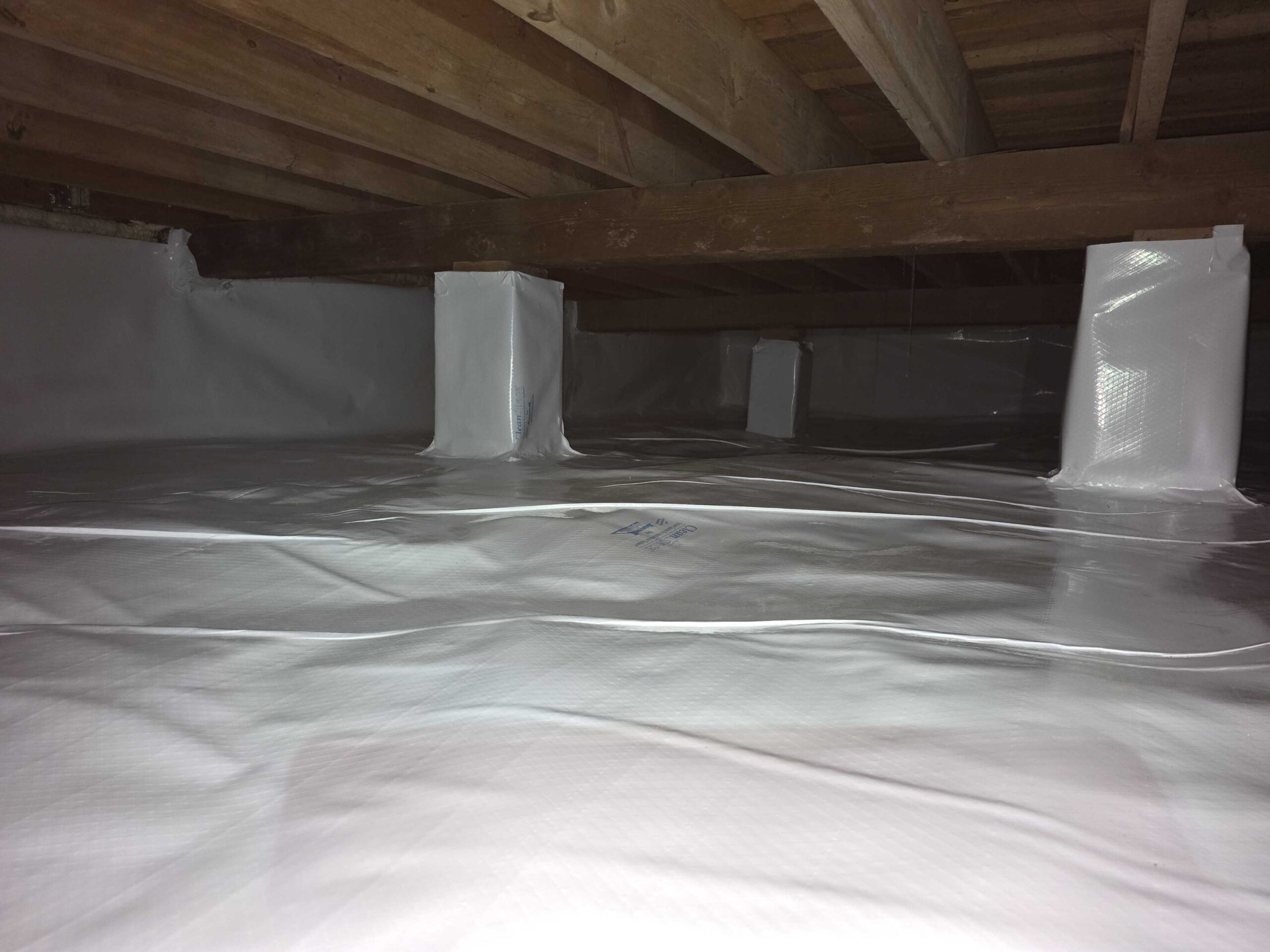
For a more robust defense, consider professional basement waterproofing or crawl space encapsulation. These solutions are designed to completely seal out ground moisture and control humidity levels under your home. A vapor barrier covers the entire crawl space floor and walls, while a dehumidifier keeps the air dry. This creates a clean, controlled environment where mold can’t grow and wood rot can’t take hold. Protecting the wooden structures that support your floors is the most direct way to prevent them from weakening and sagging over time, ensuring your home remains stable and healthy.
Regular Inspections and Upkeep
Just like a regular health check-up, routine inspections of your home’s foundation and support systems can catch issues early. You don’t have to be an expert to spot the initial warning signs. Making a habit of checking on your crawl space and paying attention to changes in your home can make all the difference. A few times a year, take a flashlight and look around your foundation’s interior and exterior. Catching a small crack or a bit of moisture early on is much easier to handle than dealing with a full-blown structural problem down the line.
Checking for Pests and Structural Damage
During your routine checks, keep an eye out for signs of wood-destroying pests like termites, which can compromise your floor joists. Look for small mud tubes on foundation walls or hollow-sounding wood. Also, pay attention to new cracks appearing in your drywall or brick exterior, as well as doors and windows that begin to stick. If you notice the floor feels bouncy or spongy underfoot, it’s a clear signal that the support system is weakening. If you spot any of these signs, it’s a good idea to schedule a free inspection with a specialist to get a clear diagnosis.
Using Rot-Resistant Materials for Repairs
If a repair is necessary, make sure it’s done with materials that will last. When reinforcing weakened joists, a technique called “sistering” involves attaching a new, strong joist alongside the damaged one. Using pressure-treated lumber for this ensures the new support is resistant to future moisture and rot. For more significant support issues, adjustable steel support jacks are an excellent long-term solution. Unlike wood posts, steel is impervious to rot, moisture, and pests, providing permanent stability. Choosing the right materials for a crawl space repair ensures you are solving the problem for good, not just putting a temporary patch on it.
Final Steps to Protect Yourself as a Buyer
Discovering sagging floors in a potential new home can feel like a major setback, but it doesn’t have to be the end of the road. With the right approach, you can protect your investment and make an informed decision. It all comes down to being diligent, asking the right questions, and gathering the information you need to move forward with confidence. Think of this as your action plan for turning a potential problem into a clear path forward, whether that means negotiating a better deal or deciding to walk away.
Why You Need to Get Everything in Writing
When you’re dealing with a potential structural issue, your best tool is a paper trail. The most important step is to get a professional foundation inspection. This isn’t just a formality; it’s a crucial piece of evidence. The written report from an expert will detail the cause of the sagging floors, outline the necessary repairs, and provide a cost estimate. This document transforms the problem from a vague worry into a defined issue with a clear solution. It gives you concrete facts to work with, which is essential when you start discussing the issue with the seller and your agent.
How Your Real Estate Agent Can Help
Your real estate agent is your advocate, so bring them into the loop immediately. Share the full inspection report and discuss the findings with them. A knowledgeable agent can help you understand your options and craft a negotiation strategy. Based on the report, they can advise you on the best course of action: asking the seller to complete the repairs before closing, requesting a price reduction to cover the costs, or negotiating a credit at closing. Open communication is key. Your agent has likely handled situations like this before and can guide you through the process, ensuring your interests are protected.
How Repairs Can Affect Your Closing Date
Once you have a repair estimate, you need to look at the big picture. Fixing sagging floors can range from a relatively minor expense to a significant project, so it’s important to know what you’re getting into. Consider whether the home’s asking price is low enough to absorb the cost of the foundation repair. You’ll also need to think about the timing. Will the repairs need to be done before you move in? Can you live in the house while the work is being completed? Factoring these practical details into your budget and timeline will help you decide if the house is truly worth the investment.
Related Articles
- Uneven Floors | Foundation Repair & Basement Waterproofing
- Signs of Sagging Floors | Foundation Repair & Basement Waterproofing
- Floor Problems | Foundation Repair & Basement Waterproofing
- 6 Structural Issues Your Home Inspector May Not Catch | Foundation Repair & Basement Waterproofing
- Technical Papers | Foundation Repair & Basement Waterproofing
Frequently Asked Questions
Is a slight slope in an older home always a major problem? Not necessarily. Many older homes settle over time, and a minor, consistent slope can just be part of the house’s history. The real concern is whether the movement is ongoing. If you also see new cracks in the drywall or doors that have recently started sticking, it suggests an active problem. A professional inspection is the only way to know for sure if the settling is a harmless quirk or a sign of a developing issue.
What’s the difference between a general home inspector’s report and a foundation specialist’s report? A general home inspector is trained to identify a wide range of potential issues, and they will certainly note an uneven floor in their report. However, their job is to point out the symptom, not diagnose the cause. A foundation specialist conducts a much more focused investigation. They use specific tools to measure the extent of the settling and determine the exact reason for the sag, providing a detailed repair plan and a precise cost estimate.
If I ignore a sagging floor, what’s the worst that can happen? Ignoring the problem allows the underlying cause to get worse, which can lead to more severe and expensive damage. A small sag can eventually cause significant cracks in your walls and ceilings, make windows and doors difficult to operate, and create gaps between the floor and the walls. In extreme cases, the structural integrity of the floor system could be compromised, creating a serious safety hazard.
How long do these kinds of repairs typically take? The timeline really depends on the solution. Simpler fixes, like installing support jacks in an accessible crawl space, can often be completed in just a day or two. More extensive foundation work, such as installing steel piers to lift a settled foundation, might take several days to a week. A professional will give you a clear timeline along with their repair estimate so you can plan accordingly.
Can the seller be required to fix the sagging floors before I buy the house? You can certainly ask for the seller to complete the repairs as a condition of the sale, but they are not automatically required to do so. This is a point of negotiation. Using a professional repair estimate, you can request that they handle the work, ask for a price reduction to cover the cost, or negotiate a credit at closing. How the seller responds often depends on the local market and their motivation to sell.