
It’s easy to forget about the space under your house, but it has a huge impact on the air you breathe every day. A damp, musty crawl space can send mold, dust, and allergens straight into your living areas. This can directly affect your family’s health, especially for anyone with allergies or asthma. While the thought of fixing it might seem overwhelming, creating a healthy crawl space is one of the most important steps you can take for your home. And with the right approach, it’s completely achievable. Learn more about how crawl space encapsulation increases home value.
There are several reasons why you should repair your crawl space.
Control of moisture
Crawl spaces are prone to moisture problems due to their location and lack of ventilation. Your home’s structural integrity can be compromised by mold growth, wood rot, and other issues caused by moisture. It can be achieved by repairing the crawl space dry and preventing these problems.
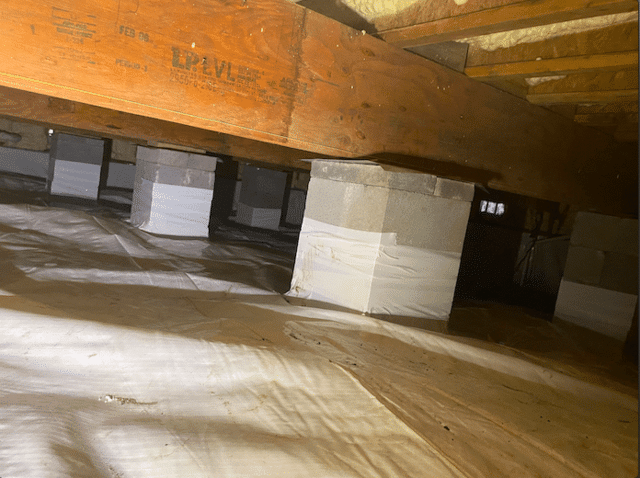
Product: https://www.vestafoundationsolutions.com/crawl-space-repair/vapor-barrier/
Common Causes of Crawl Space Moisture
If your crawl space feels damp and musty, you’re not alone. Because they are located under the house and often lack proper ventilation, crawl spaces are naturally prone to moisture issues. This dampness isn’t just a minor annoyance; it can lead to serious problems like mold growth, wood rot, and pest infestations that compromise your home’s structural integrity. Moisture can seep in from the ground, come from small plumbing leaks, or enter as humid outside air through vents. In Oklahoma, where humidity can be a real challenge, open vents often make the problem worse by allowing damp air to settle and condense on cooler surfaces within the crawl space.
The Modern Approach: Crawl Space Encapsulation
For years, the standard solution for crawl space moisture was to add vents to encourage airflow. We now know this approach is often counterproductive. The modern, effective solution is a process called crawl space encapsulation. Instead of trying to ventilate the space, encapsulation aims to completely seal it off from the ground and outside air. This creates a clean, dry, and conditioned environment under your home. For the best long-term results, experts recommend a full crawl space waterproofing and encapsulation system, which addresses moisture at every potential entry point for a comprehensive and lasting fix. For additional details, see our ultimate guide to crawlspace waterproofing.
What is Encapsulation?
So, what does encapsulation actually involve? Think of it as lining the entire crawl space to isolate it from the earth and outside elements. The process starts by laying down a heavy-duty, puncture-resistant moisture barrier, often called a vapor barrier, across the dirt floor and up the walls. All vents, gaps, and cracks are then sealed to prevent outside air and pests from getting in. Often, insulation is added to the walls to improve energy efficiency. The final step is typically installing a specialized dehumidifier to control the air’s moisture level, ensuring the space remains consistently dry and healthy.
Why Vented Crawl Spaces Are an Outdated Practice
The idea behind vented crawl spaces was that cross-ventilation would help dry out any moisture that accumulated. Unfortunately, this theory doesn’t hold up in many climates. Most traditional, vented crawl spaces perform poorly, even though they are permitted by some building codes. They often create more problems than they solve, leading to issues with moisture, mold, poor air quality, and pests. During Oklahoma’s humid summers, these vents pull in warm, moist air. When this air hits the cooler surfaces inside your crawl space, it condenses—creating the very moisture the vents were supposed to prevent. Sealing these vents is a critical step in modern crawl space repair.
Key Components for Water and Moisture Control
Achieving a truly dry and stable crawl space requires more than just one product; it demands a system where several components work together. A complete moisture control strategy addresses water in all its forms, from standing water after a heavy rain to ambient humidity in the air. The most effective solutions combine interior water management to handle leaks and seepage, air quality control to manage humidity, and exterior drainage to stop water before it ever reaches your foundation. By layering these protections, you can create a robust defense against moisture and protect your home from the ground up.
Interior Drainage Systems and Sump Pumps
If your crawl space experiences significant water intrusion or flooding, especially after storms, encapsulation alone may not be enough. In these cases, an interior drainage system is essential. This system works by collecting water that seeps in around the perimeter of the crawl space. A specialized drainage channel is installed to capture the water and direct it to a low point, where a sump pump is located. The sump pump then automatically activates to pump the water out and away from your home’s foundation, keeping the area dry no matter how much it rains.
High-Efficiency Dehumidifiers
Once your crawl space is sealed and waterproofed, the final piece of the puzzle is controlling the moisture in the air. A high-efficiency, professional-grade dehumidifier is designed specifically for the harsh environment of a crawl space. It maintains a healthy humidity level, which prevents mold growth and makes your entire home more comfortable. By keeping the air dry, a crawl space dehumidifier also helps your air conditioner run more efficiently, potentially lowering your energy bills during the hot summer months. This isn’t your average portable unit; it’s a powerful tool for maintaining a healthy home environment.
Exterior Water Management
Your first line of defense against crawl space moisture actually starts outside your home. It’s crucial to ensure your home’s gutters and downspouts are clean and effectively direct water far away from the foundation. The ground around your house should also be properly graded, meaning it slopes downward away from the foundation walls. This simple slope uses gravity to guide rainwater away, preventing it from pooling and seeping into your crawl space. If you notice water pooling near your home or your gutters are overflowing, addressing these exterior issues can make a huge difference. If you’re unsure, a professional can assess your property during a free inspection.
The Crawl Space Repair Process
Tackling a crawl space issue can feel overwhelming, but understanding the process makes it much more manageable. A professional repair isn’t just a quick fix; it’s a systematic approach to transform a damp, problematic area into a clean, dry, and stable part of your home’s foundation. The goal is to address the root causes of moisture, structural damage, and poor air quality. From the initial cleanup to the final installation of waterproofing and conditioning systems, each step is designed to protect your home for the long term. Let’s walk through what a comprehensive crawl space repair project typically involves.
Preparation is Key for a Successful Repair
Before any repairs can begin, the crawl space needs to be properly prepared. This initial phase is crucial because you can’t fix what you can’t see. Preparation involves clearing out any debris, old and failing insulation, and any stored items. This gives professionals a clear view of the foundation walls, support piers, and ground surface. It’s at this stage that the full extent of any water damage, pest infestations, or mold growth becomes apparent. Since crawl spaces often have problems with moisture, pests, and bad air quality, a thorough cleaning and assessment is the non-negotiable first step toward creating a healthy foundation for the rest of the repair work.
Why a Wet Crawl Space Won’t Dry on Its Own
It’s a common misconception that a damp crawl space will eventually air out and dry by itself, especially during Oklahoma’s hot summers. Unfortunately, your crawl space will not dry out on its own. The enclosed nature of the space, combined with moisture from the ground and humid outside air entering through vents, creates a perpetually damp environment. This trapped moisture has nowhere to go and will only get worse over time, leading to wood rot, mold, and a compromised foundation. Addressing the source of the water intrusion through effective waterproofing solutions is the only way to permanently solve the problem and prevent escalating damage to your home.
Choosing the Right Insulation
Insulation plays a vital role in creating an energy-efficient and moisture-controlled crawl space, but not all insulation is created equal. The material you choose is critical because the wrong type can actually worsen moisture and mold problems. Traditional insulation materials that work well in attics and walls are often disastrous in a crawl space environment. The key is to select a material specifically designed to withstand damp conditions without losing its insulating properties or becoming a food source for mold. This choice directly impacts the long-term health and stability of the space.
Recommended Insulation Materials
When it comes to insulating your crawl space, you need to use strong, moisture-proof, and mold-resistant materials. Rigid foam insulation boards are an excellent choice because they are inorganic and do not absorb water. This means they won’t get soggy, compress, or support mold growth, even in a humid environment. These boards are installed directly against the foundation walls, creating a continuous thermal barrier that helps keep your floors warmer in the winter and cooler in the summer. Paired with a durable vapor barrier on the ground, these modern materials create a completely sealed and conditioned space.
A Warning Against Using Fiberglass Insulation
You should never use fiberglass insulation in a crawl space. While it’s a common material for other parts of the home, it’s a terrible choice for below-ground spaces. Fiberglass insulation acts like a sponge; it soaks up ambient moisture, becomes heavy, and sags or falls to the ground. Once it’s wet, it loses its insulating value and becomes a breeding ground for mold and mildew, which can seriously impact your home’s air quality. Removing damp, moldy fiberglass is a messy and unpleasant job that could have been avoided by choosing the right material from the start.
The Importance of Annual Inspections
Once your crawl space is repaired and encapsulated, the work isn’t completely over. Think of it like your car—it needs regular check-ups to keep running smoothly. It’s a smart move to have a professional check your crawl space every year. During an annual inspection, a technician will look for any signs of new moisture intrusion, check that the sump pump and dehumidifier are working correctly, and ensure the vapor barrier is still intact. This proactive approach helps you catch small issues before they become big, expensive problems, protecting your investment and giving you continued peace of mind. At Vesta, we can help you stay on top of this with a free inspection.
Understanding the Cost of Encapsulation
Investing in your home’s foundation is a significant decision, and it’s helpful to have a clear idea of the potential costs. A typical crawl space encapsulation project can cost between $8,000 and $20,000. The final price depends on several factors, including the size of your crawl space, the extent of any existing damage that needs repair, and the specific systems you choose to install, such as drainage, a sump pump, and a dehumidifier. While this may seem like a substantial amount, it’s important to view it as a permanent solution that protects your home’s structural integrity, improves air quality, and can even lower your energy bills, ultimately preserving your property’s value.
Energy Efficiency
Energy loss and higher utility bills can be attributed to a damaged or poorly insulated crawl space. Your home’s energy efficiency can be improved by repairing and insulating the crawl space.
Pest Control
Rodents, termites, and other pests can breed in crawl spaces, so they are often considered breeding grounds. You should repair and seal the crawl space to prevent these pests from entering your home and causing damage.
Health and Safety Risks of a Neglected Crawl Space
What’s happening in your crawl space doesn’t stay in your crawl space. It’s easy to adopt an “out of sight, out of mind” attitude about this part of your home, but ignoring it can have serious consequences for your property and, more importantly, your family’s health. The environment beneath your floors is directly connected to the living space above. When issues like moisture, pests, and structural decay are left unchecked, they can create significant health and safety problems that go far beyond a musty smell. From the quality of the air you breathe to the presence of invisible gases, a neglected crawl space poses real risks that every Oklahoma homeowner should understand.
How Crawl Space Issues Affect Your Home’s Air Quality
It might be surprising to learn, but a significant portion of the air inside your home—sometimes up to 50%—actually comes up from the crawl space. This happens because of a natural airflow pattern called the “stack effect,” where warmer air rises, pulling cooler air from below to replace it. If your crawl space is damp, moldy, or full of dust, those contaminants are drawn directly into your living areas. An unhealthy crawl space with excess moisture creates the perfect breeding ground for mold, which can trigger respiratory issues and allergies. Over time, this moisture also causes wood rot, which can weaken your home’s structural supports and lead to costly repairs.
The Impact of Mold, Dust, and Pest Droppings
Once moisture takes hold, mold is almost certain to follow. Mold releases tiny, lightweight spores into the air that can easily travel into your home, causing problems like coughing, sneezing, and worsening asthma symptoms. Beyond mold, a dark and damp crawl space is an open invitation for pests like rodents, termites, and cockroaches. These unwelcome guests not only damage your home’s insulation and wooden structures but also leave behind droppings and other waste. As this material dries, it turns into airborne particles that get pulled into your HVAC system and circulated throughout your home, seriously degrading your indoor air quality.
Warning: Contaminated Air from HVAC Ducts
The risk to your home’s air quality is even higher if your heating and cooling ductwork runs through the crawl space. Over time, ducts can develop small leaks or loose connections. When your HVAC system turns on, these leaks can act like a vacuum, pulling in the damp, moldy, and pest-contaminated air from the crawl space. Your system then efficiently distributes these pollutants and allergens to every room in your house. In this scenario, the system you rely on for comfort is actively delivering a steady stream of unhealthy air directly to your family, making a clean, dry crawl space absolutely essential.
Radon Gas: An Invisible Threat
One of the most serious dangers associated with crawl spaces is radon, an invisible, odorless, and naturally occurring radioactive gas. It seeps into homes from the surrounding soil and is the leading cause of lung cancer among non-smokers in the United States. Because crawl spaces often have exposed dirt floors, they provide an easy entry point for radon to accumulate. The Environmental Protection Agency (EPA) urges homeowners to test for radon and to take action if levels are at or above 4 picocuries per liter (pCi/L). Since you can’t see or smell it, testing is the only way to know if your home is safe. A key strategy for reducing radon levels is creating a barrier between the soil and your home, which is why professional crawl space encapsulation is such an effective solution.
Structural Integrity
If your crawl space is damaged or neglected, it can compromise the structural integrity of your home. Repairing the crawl space can protect your foundation and other structural components.
SmartJack Crawl Space Stabilizers are made entirely of galvanized steel to resist corrosion from moisture in your crawl space. The SmartJack system is strong enough to lift sagging floors and joists, the most effective method for restoring crawl spaces. Due to the lack of rust, future pier adjustments are simple should your home settle due to expansive soils or subsidence.

Product: https://www.vestafoundationsolutions.com/crawl-space-repair/structural-repairs/
The overall benefits of crawl space repair include improved air quality, reduced energy consumption, and prevention of pest infestations. Schedule your FREE crawl space inspection today to ensure your crawl space is clean, healthy, and efficient.
Frequently Asked Questions
My crawl space only smells musty, I don’t see any standing water. Is it really a big deal? That musty odor is your first and most obvious sign that there’s too much moisture under your home. Even without puddles, high humidity creates the perfect environment for mold and mildew to grow, which is what you’re smelling. Because a large portion of your home’s air rises from the crawl space, that smell is an indicator that you’re breathing in mold spores and other allergens, which can affect your family’s respiratory health.
I thought crawl space vents were supposed to help with moisture. Why do you recommend sealing them? That was the old way of thinking, but we now know it often makes the problem worse, especially in a humid climate like Oklahoma’s. In the summer, open vents pull in warm, damp air. When that air hits the cooler surfaces in your crawl space, the moisture condenses and creates the exact dampness the vents were meant to prevent. Sealing the vents is a critical step in isolating the crawl space from outside humidity and creating a dry, controlled environment.
What’s the difference between putting down a plastic sheet myself and getting professional encapsulation? While a DIY approach might seem tempting, professional encapsulation is much more than just laying down a plastic liner. It’s a complete system designed to control moisture from every angle. A professional installation uses a heavy-duty, puncture-resistant vapor barrier that is sealed at every seam and attached permanently to the walls. It also involves sealing all air leaks, insulating the walls with moisture-proof material, and often integrating a dehumidifier to manage air moisture for a permanent solution.
How will fixing my crawl space actually impact the rest of my house? The improvements are often noticeable throughout your entire home. Since so much of the air you breathe originates in the crawl space, a clean and dry space means cleaner indoor air with fewer allergens, dust mites, and mold spores. This can be a huge relief for anyone with allergies or asthma. You may also notice that your floors are warmer in the winter and that your air conditioner runs more efficiently in the summer, which can help lower your energy bills.
Once the encapsulation is done, is that it? Or is there ongoing maintenance? A professionally installed encapsulation system is a durable, long-term solution. However, it’s wise to treat it like any other major system in your home, such as your HVAC. We recommend a simple annual inspection to make sure everything is performing as it should. This allows a professional to check that the dehumidifier is running correctly, the sump pump is clear, and the vapor barrier remains in perfect condition, ensuring your home stays protected for years to come.
Key Takeaways
- Encapsulation is the modern solution for moisture: Sealing your crawl space with a vapor barrier is far more effective than relying on outdated vents, which often pull in humid Oklahoma air and make moisture problems worse.
- Your home’s air quality starts from the ground up: A significant amount of the air in your living space originates in the crawl space, so addressing issues like mold, pests, and radon gas below is essential for your family’s health.
- A complete system provides a lasting fix: The best crawl space repairs combine several components, including a durable vapor barrier, a professional-grade dehumidifier, and proper insulation (like rigid foam, never fiberglass) to create a truly dry and stable environment.
Related Articles
- Vapor Barrier | Foundation Repair & Basement Waterproofing
- Humidity | Foundation Repair & Basement Waterproofing
- Crawl Space Dehumidifier | Foundation Repair & Basement Waterproofing
- Crawl Space Insulation | Foundation Repair & Basement Waterproofing
- Crawl Space Waterproofing | Foundation Repair & Basement Waterproofing
- Crawl Space Encapsulation in Oklahoma: What Every Homeowner Needs to Know