
Crawl space encapsulation in Oklahoma offers more than just moisture protection. Schedule your free inspection with Vesta Foundation Solutions today.
Related: Read more about crawl space encapsulation and home value before your next inspection or resale conversation.
Making a big home improvement can feel like a huge decision. You want to know it’s worth the investment. When it comes to your home’s health, especially in Oklahoma’s humid climate, some improvements are non-negotiable. Enter crawl space encapsulation. Sealing your crawl space with a heavy-duty vapor barrier controls moisture and creates a clean, dry environment. But beyond stopping moisture and musty smells, you’re probably wondering: does crawl space encapsulation add value to your home? Let’s get into it.
The short answer is yes. Encapsulating a crawl space enhances home value by safeguarding structural integrity, improving air quality, increasing energy efficiency, and appealing to buyers. This guide explains how encapsulation affects property value and why Oklahoma homeowners prioritize it.
What is Crawl Space Encapsulation?
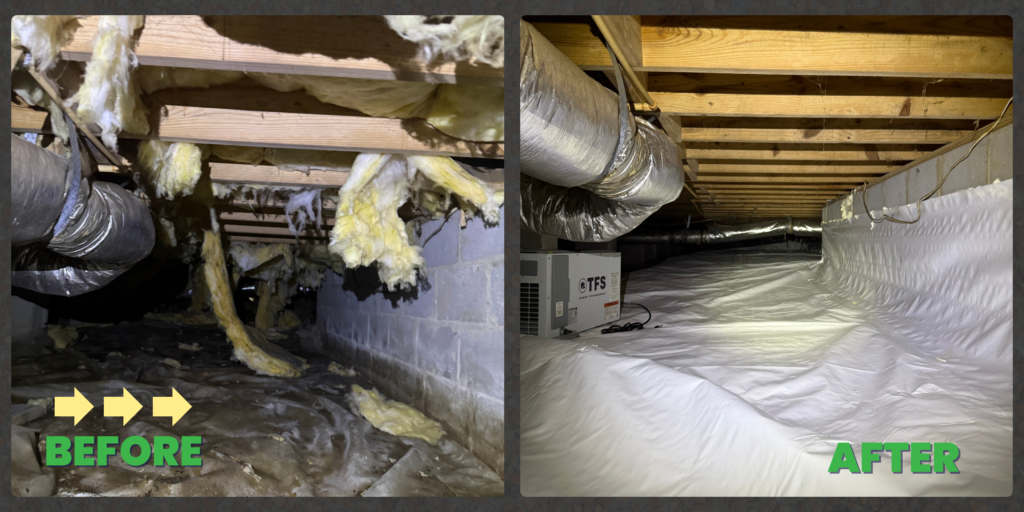
So, what exactly is crawl space encapsulation? Think of it as creating a protective bubble around the underside of your home. The process involves completely sealing your crawl space from the ground and the outside air. Professionals do this by lining the entire area—floors and foundation walls—with a thick, durable sheet of polyethylene, known as a vapor barrier. It’s a lot like a swimming pool liner, but for your crawl space. Vents and gaps are sealed to prevent humid air and moisture from entering. This is crucial for Oklahoma homeowners, as it helps avoid problems associated with traditional dirt crawl spaces.
A full encapsulation is more than just a barrier; it’s a complete system for controlling the environment beneath your home. Once the space is sealed, a high-efficiency dehumidifier is typically installed to actively manage the humidity levels, keeping them low and stable all year. This is what makes the system so effective. It removes damp conditions that mold thrives in, deters pests, and prevents wood rot, safeguarding your home’s structure.
Encapsulation vs. a Simple Vapor Barrier
Laying plastic on the crawl space floor is a minor improvement but doesn’t provide the protection of full encapsulation. A complete crawl space encapsulation system is far more thorough. The liner isn’t just placed on the floor; it’s run up the walls and support piers and completely sealed at all seams. This creates an uninterrupted shield against moisture. A full system typically includes drainage matting and a sump pump to prevent water intrusion, keeping the space dry. This comprehensive approach is what truly solves moisture, air quality, and pest problems for the long term.
Protect Your Foundation with Crawl Space Encapsulation
Your crawl space sits directly beneath your home’s living area, and its condition affects everything above it. In Oklahoma, our expansive clay soils expand and contract with moisture changes, putting constant pressure on foundations. An unsealed crawl space allows moisture to accumulate, accelerating structural deterioration over time.
Encapsulation addresses this by installing a vapor barrier across the crawl space floor and walls, paired with a dehumidifier to maintain controlled humidity levels. This combination prevents the moisture cycles that cause:
- Wood rot in floor joists and support beams that weaken structural integrity
- Mold and mildew growth that spreads through your home’s air circulation
- Pest infestations from termites, carpenter ants, and rodents attracted to damp wood
- Efflorescence and concrete degradation on block walls and piers
By protecting these structural elements, encapsulation preserves the foundation that supports your entire home. A home with a solid, dry foundation is inherently more valuable than one showing signs of moisture damage beneath it.
Vesta Foundation Solutions uses the Vesta Encapsulation Liner® and professional-grade dehumidifiers for a moisture management system suited to Oklahoma’s climate.
What Encapsulation Can and Can’t Fix
Crawl space encapsulation is a fantastic solution for so many of the issues that plague Oklahoma homes, from musty smells to high humidity. It’s a game-changer for controlling moisture, keeping pests out, and improving the air you breathe every day. However, it’s important to have a clear picture of what it can and can’t do. While encapsulation is a powerful defense against moisture and its damaging effects, it isn’t designed to reverse pre-existing structural damage. Create a stable, dry environment to prevent wood rot and mold, ensuring long-term home protection. Understanding crawl space repair is essential for comprehensive protection.
A Note on Sagging Floors
One of the most common questions I hear is about sagging or bouncy floors. It’s natural to hope that sealing the crawl space will fix them, but the reality is a bit more complex. Sagging floors usually indicate structural issues, such as settled support piers or weakened joists, rather than just moisture problems. While encapsulation is vital for preventing moisture from making the situation worse, it won’t lift the floors back into place. Correcting the sag requires addressing the root structural problem. This is where solutions like specialized support systems come into play to provide the necessary lift and stability. A comprehensive foundation repair plan, combined with encapsulation, ensures a stable and protected home.
Breathe Easier with Better Indoor Air Quality
Up to 50% of the air on your first floor comes from your crawl space due to the stack effect. Warm air rises through your home, drawing air upward from the lowest point, your crawl space. If that crawl space is damp, musty, and full of mold spores, those contaminants are circulating through your living areas.
Encapsulating your crawl space eliminates this problem by:
- Sealing out ground moisture that feeds mold and mildew colonies
- Reducing airborne allergens, dust mites, and mold spores entering your living space
- Eliminating musty odors that can permeate through flooring and HVAC systems
- Creating a cleaner environment that reduces respiratory irritation for occupants
When potential buyers walk through a home, one of the first things they notice is air quality. A home that smells fresh and clean makes a strong first impression. An encapsulated crawl space contributes directly to that experience, even if buyers never see the crawl space itself.
For Oklahoma homeowners dealing with seasonal humidity spikes, this benefit is particularly significant. The combination of crawl space dehumidification and vapor barrier sealing keeps indoor humidity within a healthy range year-round.
How Your Crawl Space Affects the Air You Breathe
Up to 50% of the air on your home’s main floor comes from your crawl space due to the stack effect. As warm air rises, it creates a suction that pulls air from the crawl space, which can contain mold spores and contaminants. Addressing crawl space issues is crucial for healthy indoor air quality, making professional repair essential.
Can Encapsulation Help with Household Allergies?
Yes, absolutely. If anyone in your family struggles with allergies or respiratory sensitivities, your crawl space could be a hidden culprit. Encapsulation tackles the problem at its source by sealing the entire area with a durable vapor barrier. This barrier cuts off the ground moisture that mold, mildew, and dust mites depend on to survive and multiply. As a result, the number of airborne allergens circulating through your home’s HVAC system is significantly reduced. You’re left with a cleaner, healthier environment that can help ease respiratory irritation and make your home feel noticeably fresher. Request a free inspection if you suspect your crawl space affects air quality.
Lower Your Energy Bills with an Encapsulated Crawl Space
An unsealed crawl space is one of the biggest sources of energy loss in a home. Cold air in winter and humid air in summer make your HVAC system work harder to keep temperatures comfortable. This affects both your energy bills and the overall efficiency rating of your home.
Crawl space encapsulation improves energy efficiency in several ways:
- Thermal barrier creation: Sealing the crawl space reduces air infiltration, keeping conditioned air inside your home where it belongs
- Stable temperatures below the first floor reduce HVAC strain, leading to fewer cycles and a longer system lifespan.
- Insulation effectiveness: Encapsulation allows crawl space thermal insulation to perform at its intended R-value, rather than being compromised by moisture
- Ductwork protection: HVAC ducts running through the crawl space operate in a conditioned environment, eliminating condensation and heat loss
Oklahoma experiences temperature extremes, from hot, humid summers to cold, dry winters. An encapsulated crawl space acts as a buffer zone that moderates these temperature swings beneath your home.
Home energy efficiency is a growing factor in property valuations. Buyers increasingly look for homes with lower utility demands, and encapsulation is a tangible improvement that delivers measurable results.
Where to Prioritize Energy Savings in Your Home
When you think about making your home more energy-efficient, it’s easy to focus on the obvious culprits like drafty windows or attic insulation. While those are important, the real starting point for many Oklahoma homes is right under your feet. Because so much of your home’s air originates in the crawl space, any energy loss there directly impacts your entire living environment. Before you invest in other upgrades, it’s crucial to address the foundation of your home’s efficiency. A sealed and conditioned crawl space creates a stable base, allowing your HVAC system and insulation to function as they should. Addressing the issues in your crawl space first ensures that other energy-focused improvements you make will be far more effective.
Prevent Costly Damage and Secure Your Home’s Value
The structural components in your crawl space, including floor joists, beams, sill plates, and support columns, are the literal framework holding your home up. When moisture is left unchecked, these elements deteriorate gradually, and the damage compounds over time.
Here is what uncontrolled crawl space moisture can lead to:
- Sagging or bouncy floors from weakened joists
- Cracked drywall and sticking doors caused by shifting framing
- Foundation settlement accelerated by moisture-related soil changes
- Compromised support posts that no longer carry their intended load
Encapsulation prevents this cascade of damage. By maintaining a dry, stable environment, your crawl space structural components maintain their strength and integrity for decades.
Vesta Foundation Solutions offers comprehensive crawl space structural repair services alongside encapsulation. If existing damage is found during your inspection, our team can address it as part of a complete restoration plan, using solutions like SmartJack® support systems and sister joists to reinforce weakened elements.
From a property value standpoint, a home with documented structural protection is far more appealing than one where potential problems lurk unseen. Should I encapsulate my crawl space? If protecting your home’s long-term structural value matters, the answer is clear.
Passing Home Appraisals and Inspections with an Encapsulated Crawl Space
When you sell a home, the buyer’s home inspector will examine the crawl space. This area is heavily examined in a pre-purchase inspection, affecting the buyer’s confidence and offer.
An encapsulated crawl space signals to inspectors and appraisers that the homeowner has invested in preventive maintenance. During inspections, encapsulated crawl spaces typically show:
- Clean, dry conditions with no standing water or moisture staining
- Intact structural components without visible deterioration
- Professional-grade vapor barriers properly sealed at seams and walls
- Active humidity control from functioning dehumidifiers
- Proper drainage with no evidence of water intrusion
Unsealed crawl spaces often show moisture, biological growth, pests, or structural issues, which can delay or prevent a sale.
Appraisers consider the overall condition of the home when determining value. While encapsulation may not have a fixed dollar-for-dollar appraisal increase, it contributes to a higher overall condition rating. Homes in “excellent” condition consistently appraise higher than comparable homes with deferred maintenance issues.
Crawl space encapsulation benefits extend beyond the inspection itself. Buyers who receive a clean inspection report are more likely to proceed without requesting concessions, protecting your final sale number.
The Crawl Space Encapsulation Process
So, what does crawl space encapsulation actually involve? It’s a systematic process that turns a damp, dirty crawl space into a clean, dry, and conditioned area by isolating it from moisture sources: the ground and humid air. This multi-step method requires detailed attention to create a sealed environment. It starts with a thorough cleaning and preparation of the space, removing any debris, old liners, or organic material. From there, the real transformation begins as each potential moisture entry point is addressed one by one, culminating in a space that actively protects your home’s foundation and the air you breathe.
At Vesta, our approach to crawl space repair is comprehensive. We don’t just cover up problems; we solve them at the source. The process typically involves sealing off outside air, installing a robust vapor barrier, and then conditioning the air with a dehumidifier. Each step builds on the last to create a complete moisture control system. This approach manages every aspect of the crawl space, from water intrusion to humidity, to ensure a stable, healthy foundation for your home that lasts.
Sealing Vents and Openings
One of the first and most critical steps in the encapsulation process is sealing off all crawl space vents and outside air leaks. For years, building codes required vents under the assumption that they would allow moisture to escape. In humid climates like Oklahoma’s, vents allow damp air in, which condenses on cooler surfaces, promoting mold and wood rot. Sealing these vents and gaps around pipes or wiring prevents moisture from entering your home.
Installing the Vapor Barrier
Once the crawl space is sealed from the outside air, the next step is to isolate it from the ground. This is done by installing a heavy-duty vapor barrier. This isn’t just a thin sheet of plastic from a hardware store; it’s a thick, durable liner that is specifically designed to stop moisture from the soil from evaporating into your crawl space. The barrier is laid across the entire crawl space floor and extends up the foundation walls, creating a continuous shield. This liner transforms a damp floor into a dry surface, safeguarding your home’s structure.
Vapor Barrier Thickness and Seams
The details of the vapor barrier installation are what separate a professional job from a temporary fix. We use a tough, 20-mil-thick liner, which is significantly more durable and puncture-resistant than the thin plastic used in basic applications. This thickness ensures it can withstand service traffic and last for the life of your home. Just as important as the thickness is how the barrier is sealed. Each seam is overlapped by several inches and sealed with special seam tape to create a single, monolithic barrier. This meticulous sealing prevents any moisture from seeping through gaps, ensuring the entire space remains completely isolated from ground moisture.
Conditioning the Air with a Dehumidifier
Even after sealing the vents and installing a vapor barrier, there can still be some residual moisture in the crawl space—in the wood framing, for example, or from minor water vapor that gets through. To handle this, the final step is to condition the air with a powerful, energy-efficient dehumidifier. A professional-grade crawl space dehumidifier is installed to actively manage the humidity levels in the newly sealed space. Unlike a standard household unit, these systems are designed to operate in the cooler environment of a crawl space, are self-draining so you never have to empty a water basin, and are powerful enough to maintain the ideal humidity level automatically.
Maintaining Ideal Humidity Levels
The goal of the dehumidifier is to maintain the relative humidity in your crawl space between 30% and 50%. This specific range is important because mold cannot grow when humidity is below 60%. A dehumidifier prevents mold growth and dries out wood framing, making it stronger and less appealing to pests like termites. A professional system monitors the air and adjusts as needed, ensuring your home’s foundation is protected continuously without effort.
Potential Risks and Important Considerations
While crawl space encapsulation is one of the best improvements you can make for your home’s health and value, it’s crucial to understand that it must be done correctly. A poorly executed installation can not only fail to solve your moisture problems but can actually create new, more serious ones. Trapping water, hiding pest activity, or causing structural wood to dry out improperly are all potential risks of an incomplete or amateur job. That’s why it’s so important to be aware of the potential pitfalls and to choose a contractor who understands the science behind moisture control. An encapsulation system is an investment, and you want to be sure it’s done right the first time to truly protect your home.
Risks of Improper or Incomplete Installation
The biggest risk of a bad encapsulation job is trapping moisture instead of eliminating it. If an existing water intrusion issue, like poor drainage, isn’t addressed before the vapor barrier is installed, water can become trapped against your foundation walls or pool underneath the liner. This creates a swamp-like environment that can accelerate foundation deterioration and lead to even worse mold and odor problems than you started with. A proper installation always begins with a thorough assessment to identify and resolve any bulk water issues first, ensuring the space is truly ready to be sealed.
Lingering Odors and Trapped Moisture
If you’ve ever noticed a musty smell in your home, it’s likely coming from a damp crawl space. While encapsulation is designed to eliminate these odors, an improper installation can make them worse. If the space isn’t properly cleaned and all sources of moisture aren’t addressed, musty odors can get trapped and continue to permeate your home. Furthermore, as a very damp crawl space begins to dry out after encapsulation, the wood framing can sometimes bow or crack if the process isn’t managed correctly. A professional installer understands how to control the drying process to protect your home’s structural integrity.
Hiding Termite Activity
This is a major concern for homeowners in Oklahoma. Because the vapor barrier is installed up the foundation walls, it can potentially hide the tell-tale mud tubes that termites create to travel from the soil into your home’s wood framing. This could allow a termite infestation to go unnoticed until significant damage has occurred. Reputable encapsulation professionals are well aware of this risk. They will always recommend a termite inspection before starting work and will install the system in a way that leaves a clear inspection gap, allowing a pest control expert to continue monitoring for termite activity without compromising the encapsulation seal.
Is Encapsulation Always Necessary?
While full encapsulation is the most comprehensive solution for crawl space moisture, it may not be necessary for every single home. In some cases where moisture issues are minor, a simpler approach might be sufficient. For example, improving exterior grading and downspouts to direct water away from the foundation can make a big difference. However, given Oklahoma’s humid climate and expansive clay soils, most vented crawl spaces will benefit from a complete system. The best way to know for sure what your home needs is to have a professional evaluate the specific conditions in your crawl space.
Alternatives to Full Encapsulation
Before committing to a full system, it’s wise to understand all your options. A complete moisture control plan often involves more than just a liner. If your crawl space experiences standing water after heavy rains, a sump pump system may be needed to actively remove it. Improving exterior drainage is another key step that can reduce the amount of water pressing against your foundation. Sometimes, a combination of a sump pump and a more basic vapor barrier is enough. The right solution depends entirely on the source and severity of your moisture problems, which is why a free, no-obligation inspection from a trained specialist is the best place to start.
Adding Radon Protection During Installation
Radon is a colorless, odorless radioactive gas that can seep into homes from the soil and is a leading cause of lung cancer. Since the techniques used for crawl space encapsulation—sealing cracks and creating an airtight barrier—are the same ones used for radon mitigation, it’s the perfect time to address both issues at once. If you’re already investing in sealing your crawl space, adding a radon mitigation system is a logical and efficient next step. A vent pipe can be installed beneath the vapor barrier to safely collect and exhaust any radon gas away from your home, providing an extra layer of protection for your family’s health.
Professional Installation vs. DIY
With so many home improvement shows and online tutorials available, the temptation to tackle crawl space encapsulation yourself can be strong. And while I admire a can-do attitude, this is one project where the risks of a DIY approach often outweigh the benefits. The effectiveness of an encapsulation system hinges on meticulous, technical details that are easy to get wrong—from achieving a perfect seal to correctly diagnosing underlying water issues. An improper installation can lead to trapped moisture, hidden structural damage, and wasted materials, ultimately failing to protect your home’s value. This isn’t just about laying down plastic; it’s about creating a high-performance system that integrates seamlessly with your home’s foundation.
Think of it this way: the goal is to protect one of your biggest investments. A professional installation ensures the job is done right the first time, using commercial-grade materials and proven techniques that are simply not available to the average DIYer. It’s about getting the long-term peace of mind that comes from knowing your home is truly protected from the ground up. When you weigh the potential for costly mistakes against the assurance of a professional warranty, the choice becomes much clearer.
Why We Recommend a Professional
Hiring a professional for your crawl space encapsulation is about more than just convenience; it’s about ensuring the job delivers real, lasting value. A trained specialist from Vesta Foundation Solutions begins with a thorough inspection to accurately diagnose the root cause of your moisture problems, ensuring the solution is tailored to your home. We use specialized, industrial-strength materials, like our 20-mil Vesta Encapsulation Liner®, that are far superior to anything found in a retail store. Most importantly, our experienced crews understand the precise techniques required to create a perfect seal, integrate drainage solutions, and install the dehumidifier for optimal performance. A professional installation is a guarantee that your investment will effectively protect your home’s structural integrity and value for years to come.
Why Oklahoma Homes Need Crawl Space Encapsulation
Oklahoma presents unique challenges for crawl spaces that make encapsulation especially impactful:
Dealing with Expansive Clay Soil
Oklahoma’s clay-rich soils absorb water and expand significantly, then shrink during dry periods. This cycle creates movement beneath your home that affects both the foundation and the crawl space. Encapsulation with proper drainage mitigates the moisture component of this cycle.
Surviving Seasonal Humidity Swings
Oklahoma summers bring sustained humidity levels above 70%, creating ideal conditions for mold growth and wood deterioration in exposed crawl spaces. Our dehumidifier systems maintain crawl space humidity between 45% and 55% regardless of exterior conditions.
Managing Storm Season Moisture
Heavy rains during spring storm season can saturate the ground around your home’s perimeter. Without encapsulation, this moisture migrates directly into the crawl space through the soil. A complete vapor barrier and crawl space drainage system redirects this water before it becomes a problem.
What Buyers in Our Market Expect
Oklahoma buyers are becoming more educated about crawl space conditions. Real estate agents in Oklahoma City, Tulsa, Edmond, Norman, Broken Arrow, and surrounding areas increasingly recognize encapsulation as a selling point that differentiates listings. A home with a professionally encapsulated crawl space stands out in a competitive market, especially as more buyers request crawl space inspection reports before making offers. This growing awareness means that homes without proper moisture protection may face more scrutiny during the sales process.
Is Your Crawl Space Lowering Your Home’s Value?
Not every crawl space problem is visible from inside your home, but there are warning signs that suggest your crawl space is negatively affecting your property value:
- Musty or earthy odors on the first floor, especially noticeable to visitors
- Uneven or bouncy floors that indicate structural weakness below
- Higher than expected utility bills from HVAC systems compensating for air infiltration
- Visible mold on first-floor walls, particularly in closets and near baseboards
- Increased allergy symptoms among household members
- Pest activity despite exterior treatments
- Condensation on windows during moderate weather, indicating excess indoor humidity
If you notice any of these signs, your crawl space likely needs professional attention. Vesta Foundation Solutions provides free crawl space inspections across Oklahoma, giving you a complete assessment with no obligation. Our inspectors document the current conditions, identify concerns, and recommend the right solution for your specific situation.
Frequently Asked Questions
Will Encapsulation Actually Increase My Home’s Value?
Yes. Crawl space encapsulation increases home value by protecting structural components, improving air quality, enhancing energy efficiency, and giving buyers confidence during inspections. Homes with encapsulated crawl spaces are more attractive to buyers and less likely to have issues flagged during pre-purchase inspections.
Should I Encapsulate Before I Sell?
Encapsulating before selling is a strategic decision. If your crawl space shows signs of moisture, mold, or structural concerns, addressing those issues before listing prevents them from becoming negotiation points. A clean crawl space inspection report strengthens your position and can help your home sell faster.
How Long Does Encapsulation Really Last?
A professionally installed encapsulation system, including a heavy-duty vapor barrier, dehumidifier, and proper drainage, can last 20 years or more with minimal maintenance. The Vesta Encapsulation Liner® is designed for long-term durability in Oklahoma’s climate conditions.
What Happens During a Crawl Space Inspection?
During a free inspection, Vesta’s trained inspectors examine your crawl space for moisture levels, structural integrity, insulation condition, drainage patterns, and signs of mold or pest activity. You receive a detailed report with photos documenting the current state of your crawl space and recommendations tailored to your home’s needs.
Encapsulation vs. a Vapor Barrier: What’s the Difference?
Encapsulation is a comprehensive approach that includes a vapor barrier, humidity control through dehumidification, sealed vents, and sometimes drainage improvements. A vapor barrier alone addresses surface moisture but does not control humidity or air quality the way a full encapsulation system does.
Can Encapsulation Help with Household Allergies?
Yes. By sealing out moisture and controlling humidity, encapsulation eliminates the conditions that support mold and dust mite populations in your crawl space. Since crawl space air circulates into your living areas, reducing these allergens at the source can significantly improve indoor air quality for allergy sufferers.
What Happens During a Crawl Space Inspection?
Thinking about what’s happening in the dark, unseen space beneath your home can be a little unnerving. A professional crawl space inspection, however, is simply a health check-up for your home’s foundation. It’s a critical first step in understanding how this area affects your entire house, from structural stability to the air you breathe. A trained inspector doesn’t just take a quick peek; they perform a detailed assessment of the whole environment. They methodically check for key indicators of crawl space health, like signs of water intrusion, high humidity levels, the condition of your insulation, and the integrity of structural supports like beams and joists. They also look for evidence of pests or mold, which often thrive in damp, dark conditions.
This thorough evaluation is designed to create a complete picture of your crawl space’s condition. By identifying the root causes of issues like musty odors or sagging floors, an inspector can determine the most effective solutions. For example, they will check if moisture is coming from ground seepage, plumbing leaks, or exterior drainage problems. Understanding these factors is essential for any effective crawl space repair plan. The goal is to catch potential problems early before they can lead to more significant structural damage, giving you a clear, actionable understanding of your home’s foundation and overall health.
The Vesta Foundation Solutions Inspection Process
At Vesta Foundation Solutions, we believe that knowledge is empowering. That’s why we offer a completely free, no-obligation inspection to homeowners across Oklahoma. When you schedule an inspection with us, we send a trained specialist to your home—not a salesperson. Their only job is to be your fact-finder, using their expertise to diagnose the health of your crawl space. They will carefully examine the area for moisture, check for signs of wood rot or structural stress, assess the state of your insulation and ventilation, and identify any drainage issues. This comprehensive process ensures we understand the unique conditions of your property before making any recommendations.
After the assessment is complete, you won’t be left with confusing jargon or a high-pressure sales pitch. Instead, your inspector will provide you with a detailed report that includes photographs and a clear explanation of their findings. You’ll be able to see exactly what they saw, whether it’s a perfectly healthy crawl space or an area that needs attention. The report will also outline a set of personalized recommendations tailored specifically to your home’s needs. This transparent, educational approach gives you the information you need to make the best decision for your home and family, ensuring you feel confident and in control.
Ready to Protect Your Investment?
Your crawl space may be out of sight, but it should never be out of mind when it comes to protecting your property value. From structural integrity to air quality to energy performance, the condition of your crawl space touches every aspect of your home’s worth.
Vesta Foundation Solutions has helped homeowners across Oklahoma City, Tulsa, Edmond, and surrounding areas protect and enhance their homes with professional crawl space repair and encapsulation services. Every project begins with a thorough, no-obligation inspection so you understand exactly what your home needs.
Schedule your free crawl space inspection today and take the first step toward protecting your home’s value for years to come.
Key Takeaways
- Protect your foundation and structure: Encapsulation stops moisture at the source, preventing the wood rot and soil shifts that can compromise your home’s structural integrity and long-term value.
- Create a healthier and more efficient home: Sealing your crawl space improves the air you breathe by blocking mold and allergens from entering your living area, and it lowers energy use by helping your HVAC system run more effectively.
- Increase your property’s marketability: A clean, dry, and professionally encapsulated crawl space is a valuable feature that helps your home pass inspections, builds buyer confidence, and can lead to a smoother, more successful sale.