Crawl Space Encapsulation and Home Value: Is It Worth the Investment?
If your crawl space feels damp, smells musty, or makes you wonder what a buyer would think during an inspection, schedule a free inspection with Vesta Foundation Solutions.
Homeowners often ask one practical question before tackling crawl space work: does crawl space encapsulation add value to home ownership, resale confidence, and day-to-day comfort? The short answer is yes, when the home has moisture, air quality, or structural concerns tied to the crawl space. Encapsulation can support home value by turning a problem area into a controlled, cleaner, more stable part of the house.
That does not mean every home needs the same solution. Oklahoma homes face expansive clay soil, heavy seasonal rain, humidity, drought cycles, and sudden weather swings. Those conditions can push moisture into the crawl space, strain wooden supports, affect indoor air, and create inspection concerns when it is time to sell. A professionally encapsulated crawl space helps manage those risks.
This article explains how encapsulation affects perceived home value, what buyers and inspectors notice, which home conditions make the improvement more meaningful, and how to decide whether crawl space encapsulation is worth it for your property.
What Crawl Space Encapsulation Actually Does
Crawl space encapsulation is a moisture management approach that separates the crawl space from damp soil and outside air. Instead of leaving exposed earth, open vents, and humid air to influence the underside of the home, encapsulation creates a cleaner and more controlled environment.
A complete crawl space encapsulation system, explained further in Vesta’s crawl space encapsulation guide, may include:
- A heavy-duty vapor barrier across the floor and walls
- Sealed crawl space vents and air leaks
- Drainage improvements where water enters the space
- A sump pump system when standing water is present
- A crawl space dehumidifier for long-term humidity control
- Insulation upgrades designed for below-home environments
- Structural support repairs if floor framing or beams have been affected
The goal is not cosmetic. The goal is to reduce moisture movement, help protect wood framing, improve air quality conditions, and make the crawl space easier to inspect and maintain.
For Vesta Foundation Solutions, this is part of a larger crawl space repair process. The team inspects the crawl space, identifies the moisture source, looks for structural damage, and designs a solution around the property rather than installing the same package in every home.

Does Crawl Space Encapsulation Add Value to Home Ownership?
Crawl space encapsulation can add value because it addresses issues that matter to homeowners, buyers, inspectors, and real estate agents. The value is not just about a resale number. It is about reducing red flags, improving confidence, and protecting the home’s underlying structure.
A wet or neglected crawl space can create questions during a home sale. Buyers may worry about mold, pests, wood rot, floor movement, odors, and future repair needs. Even when the rest of the home looks well maintained, a damp crawl space can make buyers hesitate.
An encapsulated crawl space sends a different message. It shows that the homeowner has addressed moisture control, protected vulnerable materials, and invested in a healthier home environment. During inspections, this can make the crawl space easier to evaluate and easier to explain.
The strongest value impact usually appears in homes with existing crawl space concerns, such as:
- Persistent musty odors
- Visible ground moisture
- Condensation on ducts or framing
- Sagging or uneven floors
- Mold-like growth on wood surfaces
- Pest activity related to damp conditions
- Standing water after storms
- High indoor humidity
In these situations, encapsulation is not just an upgrade. It is a solution to a problem that could otherwise affect buyer confidence and long-term home performance.
Does Encapsulating a Crawl Space Increase Home Value for Resale?
Does encapsulating a crawl space increase home value when it is time to sell? It can, especially when the crawl space is tied to inspection concerns or visible symptoms inside the home.
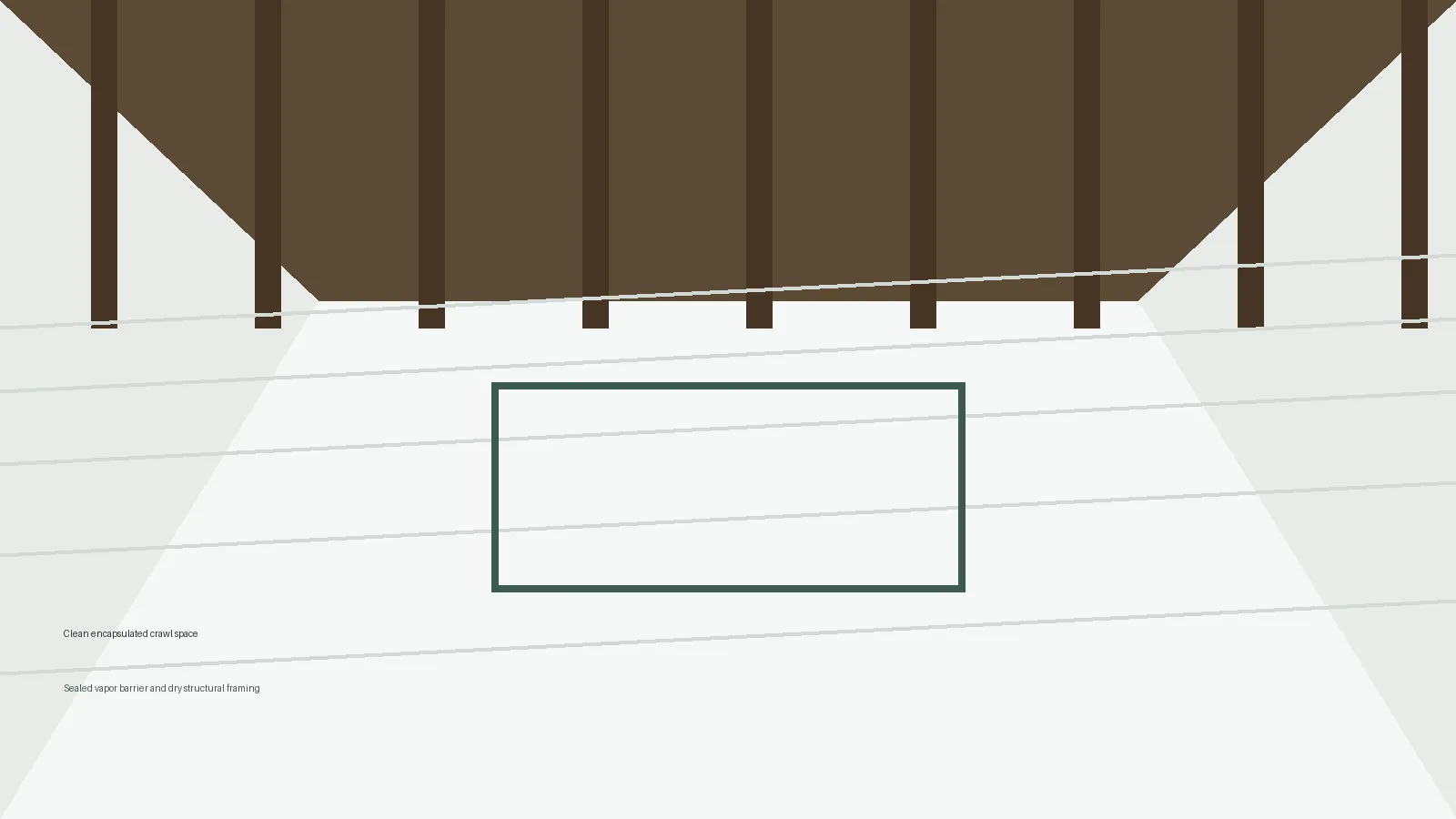
Buyers rarely fall in love with a crawl space, but they do react strongly to signs of neglect. A crawl space that is damp, dirty, poorly sealed, or difficult to access can create doubt. A clean encapsulated crawl space can help remove that doubt.
For resale, encapsulation supports value in several ways:
- It reduces inspection objections. Home inspectors often note moisture, damaged insulation, fungal growth, standing water, and wood deterioration. Encapsulation can address the conditions behind many of those notes.
- It improves buyer confidence. Buyers want to know the home has been cared for below the floors, not just in the visible living areas.
- It supports healthier indoor air conditions. Because air from the crawl space can move into the living space, a cleaner crawl space can matter to families with allergy or odor concerns.
- It protects key building materials. Moisture control helps reduce conditions that can affect joists, beams, subflooring, ducts, and insulation.
- It documents proactive maintenance. Professional inspections, installed systems, and warranty information give sellers something concrete to share.
In competitive housing markets, homes that feel well maintained can stand out. Crawl space encapsulation is one of those improvements buyers may not ask about first, but they appreciate once it appears in the inspection report or seller documentation.
Why Oklahoma Crawl Spaces Need Special Attention
Oklahoma homes deal with soil and weather conditions that make crawl space moisture control especially important. Expansive clay soil can swell after heavy rain and shrink during dry periods. Those cycles affect drainage, foundation movement, humidity, and the way water behaves around the home.
Heavy spring rains can push moisture into low areas beneath the house. Summer humidity can keep a crawl space damp even after visible water is gone. Drought periods can change soil conditions around foundation supports. Severe weather can expose grading and drainage weaknesses.
A vented crawl space may seem like it should dry itself out, but in humid conditions vents can pull damp outside air into the space. When that air contacts cooler surfaces, condensation can form on wood, ductwork, and insulation. Over time, repeated moisture exposure can create musty odors, weakened insulation, and conditions that support mold-like growth.
This is why crawl space encapsulation is often a strong fit for Oklahoma homes, as explained in Vesta’s Oklahoma crawl space encapsulation guide. It helps separate the home from ground moisture and uncontrolled outside air. When paired with drainage and humidity control, it can make the crawl space more stable through seasonal changes.
How Encapsulation Supports Structural Protection
A crawl space holds important parts of the home’s structure. Floor joists, beams, posts, subflooring, and foundation elements often pass through or sit above this area. When the crawl space stays damp, those materials can be affected.
Moisture can contribute to:
- Wood rot
- Soft or weakened subflooring
- Sagging floors
- Rust on metal components
- Insulation damage
- Pest activity
- Mold-like growth on framing
Encapsulation helps by reducing the moisture conditions that contribute to these problems. It is not a replacement for structural repair when damage already exists. If wood framing or support posts have been compromised, those issues need to be inspected and repaired as part of the broader plan; Vesta’s crawl space support posts page explains one support option for weakened floors.
Vesta’s crawl space repair services can include structural support systems such as SmartJack crawl space supports when floors need additional stabilization. That matters because a crawl space value conversation should not stop at the vapor barrier. A truly valuable solution addresses both moisture and structure.
How Encapsulation Affects Indoor Air Quality
Many homeowners are surprised to learn how connected the crawl space is to the air inside the home. Air naturally moves upward through a house. This stack effect can pull air from the crawl space into the living areas through gaps, penetrations, and floor cavities.
If the crawl space is damp or musty, that air can carry odors and airborne particles into the home. Homeowners may notice:
- Musty smells near floors or vents
- Allergy-like symptoms that feel worse indoors
- Humid rooms even when the air conditioner runs
- Lingering odors after rain
- Uneven comfort between rooms
Encapsulation can help by reducing damp air, exposed soil, and crawl space odors. A dehumidifier may be recommended when humidity control is needed. Cleaner crawl space conditions can support a more comfortable indoor environment and reduce concerns that buyers often raise during showings.
This is one reason the question “is crawl space encapsulation worth it” should include more than resale. The day-to-day benefit of a drier, cleaner lower level can be meaningful for families who plan to stay in the home.
Encapsulation and Energy Performance
A damp, vented crawl space can affect comfort and HVAC performance. Leaky vents, damaged insulation, humid air, and unsealed gaps can make it harder to maintain consistent indoor conditions.
Encapsulation may support better energy performance by:
- Reducing humid air entering the crawl space
- Helping insulation perform as intended
- Protecting ductwork from damp conditions
- Limiting uncontrolled air movement beneath the home
- Supporting more consistent floor temperatures
The exact impact depends on the home. A house with damaged insulation, leaky ducts, or a very humid crawl space may notice a bigger comfort improvement than a home with only minor crawl space issues. The most responsible approach is to inspect first, identify what is actually happening, and design the system around those findings.
The right way to think about this benefit is comfort and performance rather than promising a specific utility result.
Buyer Confidence During Home Inspections
Home inspections are one of the biggest moments where crawl space condition matters. Inspectors look for moisture, drainage issues, wood damage, insulation problems, pest evidence, and foundation concerns. If the crawl space is difficult to access or visibly damp, the inspection report may create stress for both buyer and seller.
An encapsulated crawl space can make this process cleaner and clearer. Inspectors can more easily see what has been done, assess visible components, and document the condition of the space. If the homeowner has installation records and warranty details, that documentation can support a smoother conversation.
This does not mean encapsulation hides problems. It should never be used to cover up active structural damage, water intrusion, or mold-like growth. A professional system should start with diagnosis and correction. That is what creates buyer confidence.
For sellers, the practical advantage is simple: fewer surprises below the home. For buyers, the advantage is knowing that an important but often overlooked area has been addressed.
When Crawl Space Encapsulation Is Most Worth It
Crawl space encapsulation is most worth considering when the crawl space is affecting the home’s health, structure, comfort, or resale readiness. The more symptoms present, the stronger the case for a professional inspection.
Encapsulation may be especially valuable if you notice:
- Musty odors inside the home
- High humidity in living spaces
- Cold or uncomfortable floors
- Standing water in the crawl space
- Damp insulation
- Visible mold-like growth
- Pest activity
- Sagging or bouncy floors
- Rusted metal components
- Wood that appears soft, stained, or deteriorated
- A recent inspection report mentioning crawl space concerns
It may also be worth considering before listing a home for sale if you already know the crawl space has moisture issues. Addressing the problem before buyers discover it can reduce negotiation pressure and make the home feel better maintained.
On the other hand, if the crawl space is already dry, clean, structurally sound, and properly managed, a full encapsulation system may not be the first priority. A professional inspection can help determine whether maintenance, targeted repairs, drainage improvements, or full encapsulation makes the most sense.
What a Professional Crawl Space Evaluation Should Include
A crawl space inspection should go beyond a quick look under the house. The inspector should evaluate moisture sources, structural components, ventilation, drainage, insulation, and signs of biological or pest activity.
A professional evaluation should include:
- Ground moisture and standing water assessment
- Foundation wall and pier review
- Floor joist and beam inspection
- Subfloor condition review
- Insulation condition
- Vent and air leak evaluation
- Humidity and odor observations
- Drainage patterns around the home
- Signs of mold-like growth or wood deterioration
- Recommendations tailored to the property
This matters because encapsulation is most effective when it solves the right problem. If water is entering through drainage issues, the plan may need a drainage component. If humidity is the primary concern, dehumidification may be central. If floors are sagging, structural supports may need to be included.
Vesta Foundation Solutions provides free inspections to help homeowners understand what is happening below the home and what repair approach fits the property.
Crawl Space Encapsulation vs. Basic Moisture Control
Some homeowners try small fixes before calling a professional. They may add a thin plastic sheet, open or close vents, replace insulation, or place a store-bought dehumidifier near the access door. These steps may help in limited situations, but they often do not solve the full crawl space environment.
Basic moisture control can fall short when:
- The vapor barrier is thin, torn, or not sealed
- Wall moisture is not addressed
- Vents continue pulling humid air into the space
- Drainage problems remain active
- The dehumidifier is not designed for crawl space conditions
- Structural damage is already present
- Air leaks still connect the crawl space to the living area
Professional encapsulation is more comprehensive than a basic sealed crawl space approach when moisture, air leaks, and humidity all need attention. It treats the crawl space as part of the home’s building envelope, not as an outdoor area under the house. That difference is why professional installation can carry more value for long-term performance and resale confidence.
How to Talk About Encapsulation When Selling Your Home
If you encapsulate your crawl space before selling, keep documentation organized. Buyers and agents respond well to clear records because they show the work was intentional and professionally handled.
Helpful documentation includes:
- Inspection notes
- Photos before and after installation
- System details
- Warranty information
- Maintenance recommendations
- Dehumidifier information if installed
- Structural repair details if applicable
When describing the improvement, focus on factual benefits:
- Moisture management
- Cleaner crawl space conditions
- Improved access for inspections
- Protection for wood framing and insulation
- Better odor control
- Professional installation and documentation
Avoid exaggerating or promising outcomes no contractor can guarantee. The strongest sales message is simple: the crawl space was inspected, the problems were addressed, and the system is documented.
Common Questions About Crawl Space Encapsulation and Home Value
Is crawl space encapsulation worth it if I am not selling soon?
Yes, it can be worth it even if you plan to stay in the home. Encapsulation can improve comfort, reduce musty odors, help control humidity, and protect materials below the living space. The benefit is both current use and future resale readiness.
Does crawl space encapsulation add value to home inspections?
It can. A clean, dry, professionally encapsulated crawl space may reduce inspection concerns and make the home easier to evaluate. The most important factor is that underlying moisture or structural issues are corrected before the system is installed.
Will encapsulation fix sagging floors?
Encapsulation controls moisture, but sagging floors may need structural repair. If floor joists, beams, or supports have been affected, a system such as crawl space support posts may be recommended along with moisture control.
Can encapsulation help with musty odors?
Yes. Musty odors often come from damp soil, wet insulation, standing water, or humid air in the crawl space. Encapsulation can help reduce those conditions when paired with the right drainage and humidity control.
Is every crawl space a good candidate for encapsulation?
Not always. Some crawl spaces need drainage work, structural repair, debris removal, or other corrections first. A professional inspection is the right starting point.
The Bottom Line: Is Crawl Space Encapsulation Worth It?
For many Oklahoma homeowners, crawl space encapsulation is worth serious consideration because it addresses conditions that affect home value, comfort, air quality, and inspection confidence. It is especially valuable when the crawl space has moisture, odors, damaged insulation, structural concerns, or symptoms that buyers and inspectors will notice.
The best results come from a complete approach: identify the moisture source, correct active problems, seal the crawl space properly, manage humidity, and repair structural issues when needed. That is the difference between a surface-level upgrade and a real home performance improvement.
If you are asking whether crawl space encapsulation could increase home value for your property, start with the condition of the crawl space today. Vesta Foundation Solutions can inspect the space, explain what is happening, and recommend a repair plan built for Oklahoma homes. You can also explore Vesta’s crawl space repair services before scheduling your inspection.
Ready to understand what your crawl space is doing to your home? Schedule a free crawl space inspection with Vesta Foundation Solutions.