While you’re enjoying backyard barbecues and pool days, your home’s foundation could be in trouble. The intense summer heat affect on the soil is more serious than you might think. As temperatures soar, the ground beneath your house dries out, shrinks, and pulls away from the foundation. This can lead to settlement, cracks, and costly structural damage. Protecting your home from the heat is just as important as putting on sunscreen, and it’s easier than you think.
Without proper precautions, foundation cracks, uneven floors, and shifting walls can become serious (and expensive) problems. The good news? Understanding how summer heat affects your foundation and taking preventative action can save you from major repairs down the road.
Here’s what you need to know about how hot weather impacts your home’s foundation—and what you can do to keep it strong and stable all summer long.
More Than Just Discomfort: The Health Risks of Extreme Heat
While you’re keeping an eye on your foundation, it’s just as important to monitor your own health. The same intense heat that stresses your home can pose serious risks to your well-being. It’s more than just feeling hot and sweaty; extreme temperatures can lead to significant health issues, especially during the prolonged heat waves we often experience in Oklahoma. Understanding these risks is the first step toward keeping yourself and your family safe all summer long. When the heat becomes dangerous, your home should be a safe haven, but that requires being aware of how the weather impacts everything, both inside and out.
How Heat Impacts Your Well-being
Extreme summer heat isn’t just an inconvenience—it’s a genuine health threat that can cause illness and put a major strain on our healthcare systems. When your body can’t cool itself down properly, it can lead to a cascade of problems. The World Health Organization warns that prolonged exposure to high temperatures can impact health in various ways, from dehydration and heat cramps to more severe conditions like heat exhaustion and life-threatening heatstroke. It’s a serious matter that goes far beyond simply feeling uncomfortable on a hot day.
Populations at Higher Risk
While everyone needs to be careful in the heat, some people are more vulnerable than others. Older adults, babies, and young children have a harder time regulating their body temperature, making them particularly susceptible to heat-related illnesses. The same goes for pregnant women, outdoor workers, and individuals with pre-existing health conditions like heart or respiratory disease. It’s crucial to be mindful of these risks and to check in on friends, family, and neighbors who fall into these categories to ensure they are staying cool and hydrated.
The Connection to Air Quality and Climate Change
The problem is getting worse. Heat waves are becoming more frequent, lasting longer, and growing more intense. This trend is directly linked to climate change, which puts millions of people at risk. High temperatures can also worsen air quality by trapping pollutants close to the ground, creating a toxic mix that’s especially dangerous for people with respiratory issues. The American Lung Association highlights that these conditions can trigger asthma attacks and other breathing difficulties, making it even more important to stay indoors in a cool, filtered environment during peak heat.
Recognizing and Responding to Heat-Related Illnesses
Knowing the difference between feeling a little overheated and experiencing a true medical emergency can be life-saving. Heat-related illnesses exist on a spectrum, and catching the early warning signs is key to preventing a serious outcome. When you’re working in the yard or simply spending time outside on a sweltering Oklahoma day, your body is working overtime to stay cool. If it can’t keep up, you might start to notice symptoms that you shouldn’t ignore. Learning to identify these signs in yourself and others allows you to take immediate and appropriate action.
Heat Exhaustion: Symptoms and First Aid
Heat exhaustion is your body’s way of telling you it’s had enough. Common symptoms include heavy sweating, weakness, dizziness, nausea, a faint pulse, and a headache. If you or someone else starts feeling this way, the immediate goal is to cool down. Move to a shaded or air-conditioned space, lie down, and sip on water or a sports drink. Applying cool, wet cloths to your skin can also help lower your body temperature. It’s important to watch for the symptoms and act quickly, as heat exhaustion can progress to heatstroke if left untreated.
Heatstroke: A Life-Threatening Emergency
Heatstroke is the most severe heat-related illness and requires immediate medical attention—call 911 right away. Unlike heat exhaustion, a person with heatstroke may have a high body temperature (above 103°F) but stop sweating. Other critical signs include confusion, slurred speech, loss of consciousness, and seizures. This is a life-threatening condition where the body’s cooling mechanisms have completely failed. While waiting for emergency services, try to cool the person down as quickly as possible by moving them to a cooler place and applying ice packs or cool cloths.
Other Common Conditions: Dehydration, Cramps, and Rash
Besides the two big ones, extreme heat can cause other uncomfortable and potentially serious issues. Dehydration is one of the most common problems, so it’s essential to drink plenty of fluids even before you feel thirsty. Heat cramps—painful muscle spasms, usually in the legs or abdomen—can also occur during strenuous activity in the heat. Finally, heat rash is a skin irritation caused by excessive sweating in hot, humid weather. While less severe, these conditions are signs that your body is struggling with the heat and that you need to address the problem promptly.
Practical Ways to Stay Safe in the Heat
Protecting yourself from the summer heat is all about being proactive. You don’t have to lock yourself indoors from June to September, but having a smart strategy can make all the difference. Simple adjustments to your daily routine, your home environment, and how you look out for others in your community can prevent heat-related health issues and make the hottest months of the year much more manageable. It’s about working smarter, not harder, to stay cool, comfortable, and safe when the temperatures soar.
Protecting Yourself and Others
Community care is essential during a heat wave. The CDC recommends that we all check on our family, friends, and neighbors, especially those who are elderly, live alone, or have chronic health problems. A quick phone call or visit can ensure they have what they need to stay cool and safe. For yourself, plan strenuous activities for the cooler parts of the day, like early morning or late evening. Wear lightweight, light-colored clothing, and never, ever leave children or pets in a parked car, where temperatures can become deadly in minutes.
Keeping Your Home Cool and Comfortable
Your home should be your refuge from the heat. During the hottest parts of the day, stay inside with the air conditioning on. If you don’t have AC, find a public place that does, like a library, community center, or shopping mall. You can also keep your home cooler by closing blinds and curtains on the sunny side of the house to block out solar heat. Using fans can help circulate air, but remember that fans cool people, not rooms, so turn them off when you leave. A cool shower or bath can also provide immediate relief from the heat.
How Extreme Heat Affects Your Air Conditioning
It’s important to recognize that your home’s systems are also under immense stress. When outside temperatures climb above 95°F, most residential air conditioners struggle to keep up. Your AC unit may run constantly yet fail to bring the indoor temperature down to your desired setting. This is because standard systems are typically designed to cool your home by about 20 degrees below the outside temperature. To help your AC perform its best, make sure the filters are clean and the outdoor unit is clear of debris. This ensures proper airflow and helps the system run more efficiently when it’s working its hardest.
How Summer Heat Damages Your Foundation ☀ï¸
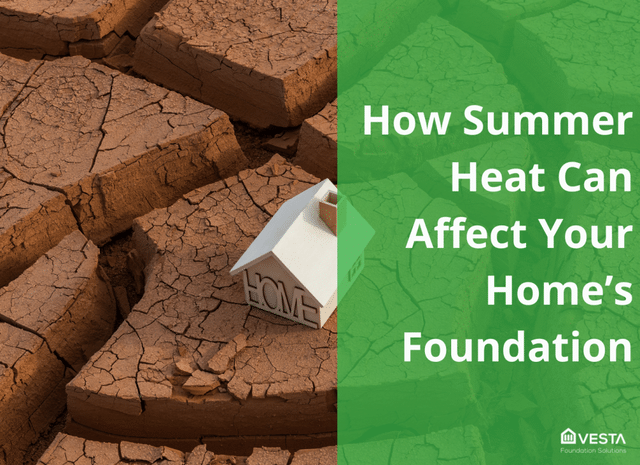
Your home’s foundation depends on stable, compacted soil for support. But during hot summer months, the intense heat and lack of rain can cause the soil to dry out and shrink. This shrinking soil pulls away from your foundation, creating empty spaces beneath and around it. With nothing supporting it, the foundation begins to settle unevenly, leading to cracks, shifting walls, and structural instability.
Key Foundation Problems Caused by Summer Heat:
✅ Foundation Settlement: Drying soil creates voids under your foundation, leading to sinking and uneven floors.
✅ Cracks in Walls & Floors: As the foundation shifts, cracks appear in drywall, brickwork, and flooring.
✅ Sticking Doors & Windows: Misaligned door and window frames result from foundation movement.
✅ Gaps Between Your Home & Soil: As the soil pulls away, gaps form around the foundation, making it vulnerable to further damage.
✅ Plumbing Issues: Shifting foundations can damage underground pipes, leading to leaks or drainage issues.
If left unaddressed, these issues worsen over time, making repairs more difficult and expensive.
Warning Signs of Foundation Damage During Summer 🔥
Early detection is key to preventing major foundation problems. Here are the top warning signs that your foundation may be affected by the summer heat:
🚩 Exterior cracks in brick or siding – Look for stair-step cracks or widening gaps.
🚩 Uneven or sloping floors – A shifting foundation can cause floors to become uneven.
🚩 Doors and windows sticking or misaligned – This happens when the foundation settles unevenly.
🚩 Gaps between your foundation and soil – Visible spaces around your home mean the soil has pulled away.
🚩 Interior drywall cracks – Watch for cracks near doorways, windows, and ceilings.
🚩 Crumbling or flaking concrete – Hot weather can cause foundation materials to weaken over time.
If you notice any of these signs, it’s time to schedule a professional foundation inspection before the problem worsens.
How to Protect Your Foundation from Summer Heat ðŸ¡
Preventing foundation damage during the summer starts with moisture control and proper soil management. Here are the best ways to protect your home from summer-related foundation issues:
1. Maintain Proper Soil Moisture Levels 💧
The biggest cause of foundation settlement in the summer is dry, shrinking soil. Keeping the soil consistently moist can prevent excessive shrinkage and movement.
✅ How to Fix It:
- Use a soaker hose around your foundation to maintain even soil moisture.
- Water in the morning or evening to reduce evaporation.
- Avoid overwatering, which can lead to soil erosion and further instability.
2. Install & Maintain Proper Drainage 🌧
While summer heat dries out the soil, sudden summer storms can oversaturate the ground, leading to shifting soil and water intrusion.
✅ How to Fix It:
- Keep gutters and downspouts clean to prevent water from pooling near your foundation.
- Install buried downspouts to direct rainwater away from your home.
- Consider French drains or yard grading to improve water runoff.
3. Seal Foundation Cracks Before They Worsen ðŸ—
Small foundation cracks can expand in extreme heat and allow moisture, pests, and further damage to occur. Sealing them early helps prevent costly repairs later on.
✅ How to Fix It:
- Use NexusPro® joint sealant for exterior concrete cracks.
- Consider foundation wall reinforcement for larger structural cracks.
- Get a professional inspection to determine if deeper repairs are needed.
4. Install Foundation Piers for Lasting Stability ðŸ
If your home is already experiencing serious settlement, foundation piers can stabilize and lift your home to prevent further sinking.
✅ How to Fix It:
- Push Piers or Helical Piers can provide permanent support and prevent further foundation damage.
- Professional installation ensures your home remains stable for years to come.
5. Schedule a Professional Foundation Inspection ðŸ”
Catching foundation problems early can save you thousands in repairs. A professional inspection can identify vulnerabilities and recommend the best solutions before summer heat causes more damage.
✅ What to Expect in an Inspection:
- A thorough evaluation of cracks, settling, and soil conditions.
- Customized repair recommendations based on your home’s needs.
- Peace of mind knowing your foundation is protected from seasonal damage.
Stay Cool Knowing Your Foundation Is Strong! ☀ï¸
The summer heat doesn’t have to put your home at risk. By maintaining soil moisture, improving drainage, sealing cracks, and scheduling a professional inspection, you can protect your foundation from heat-related damage and avoid costly repairs down the road.
🔹 Ready to beat the heat with a strong foundation? Contact Vesta Foundation Solutions today for a free foundation inspection and ensure your home stays stable and secure all summer long!
Back to Previous Page Back to Blog
Frequently Asked Questions
Why is summer heat a bigger threat to my foundation than other seasons? While we often think about winter’s impact, the intense, dry heat of an Oklahoma summer poses a unique risk. The heat bakes the moisture out of the clay soil around your home, causing it to shrink significantly. This shrinkage creates gaps between the soil and your foundation, leaving parts of your home without the support it needs. This loss of support is what leads to uneven settling and structural cracks.
How do I know if I’m watering my foundation correctly? The goal is to maintain a consistent level of moisture, not to create a muddy swamp. A great way to do this is with a soaker hose placed about 18 inches from your foundation. Run it for a short period, maybe 20 to 30 minutes a few times a week, just enough to keep the soil from pulling away. Overwatering can be just as harmful as letting the soil get too dry, as it can cause erosion and instability, so consistency is more important than volume.
Are small cracks in my drywall or brick really a big deal? It’s easy to dismiss a small crack as a simple cosmetic issue, but it’s often an early warning sign that your foundation is shifting. These cracks appear because the structural frame of your house is under stress from movement below. Addressing the root cause when the signs are small can prevent the problem from escalating into a much larger and more expensive repair project.
My house is already showing signs of settling. Is it too late to fix the problem? Absolutely not. It’s a common worry, but foundation issues are almost always correctable. Even if your home has noticeable signs of settlement, like sloping floors or major cracks, there are permanent solutions. Products like helical piers and push piers are specifically designed to stabilize a settled foundation and can often lift it back toward its original position, securing your home for the long term.
What does a “free inspection” from Vesta actually involve? A free inspection is a comprehensive health check for your home’s foundation. One of our specialists will visit your property to conduct a thorough visual assessment of the interior and exterior. They will look for all the warning signs we’ve discussed, identify the underlying causes of any issues, and answer all of your questions. Afterward, you’ll receive a clear explanation of their findings and a detailed recommendation for any necessary repairs, with no obligation.
Key Takeaways
- Summer heat affects your home and your health: The same high temperatures that pose health risks like heat exhaustion also cause the soil around your foundation to shrink, leading to settlement and structural cracks.
- Consistent moisture is your foundation’s best friend: Prevent soil from pulling away from your home by using soaker hoses to maintain a stable moisture level. Also, ensure your drainage systems direct storm runoff away from the foundation to avoid oversaturation.
- Watch for the warning signs: Pay attention to new cracks in drywall or brick, sticking doors and windows, or sloping floors. These are clear indicators of foundation movement, and scheduling a professional inspection is the best way to address the issue early.
Related Articles
- How Summer Heat Can Affect Your Home’s Foundation | Foundation Repair & Basement Waterproofing
- Summer Heat vs. Your Foundation – Foundation Repair & Basement Waterproofing
- How Drought Affects Your Home’s Foundation – Foundation Repair & Basement Waterproofing
- How Does Winter Weather Affect Your Foundation?
- Why Spring Is the Best Time to Schedule Foundation Repairs – Foundation Repair & Basement Waterproofing