
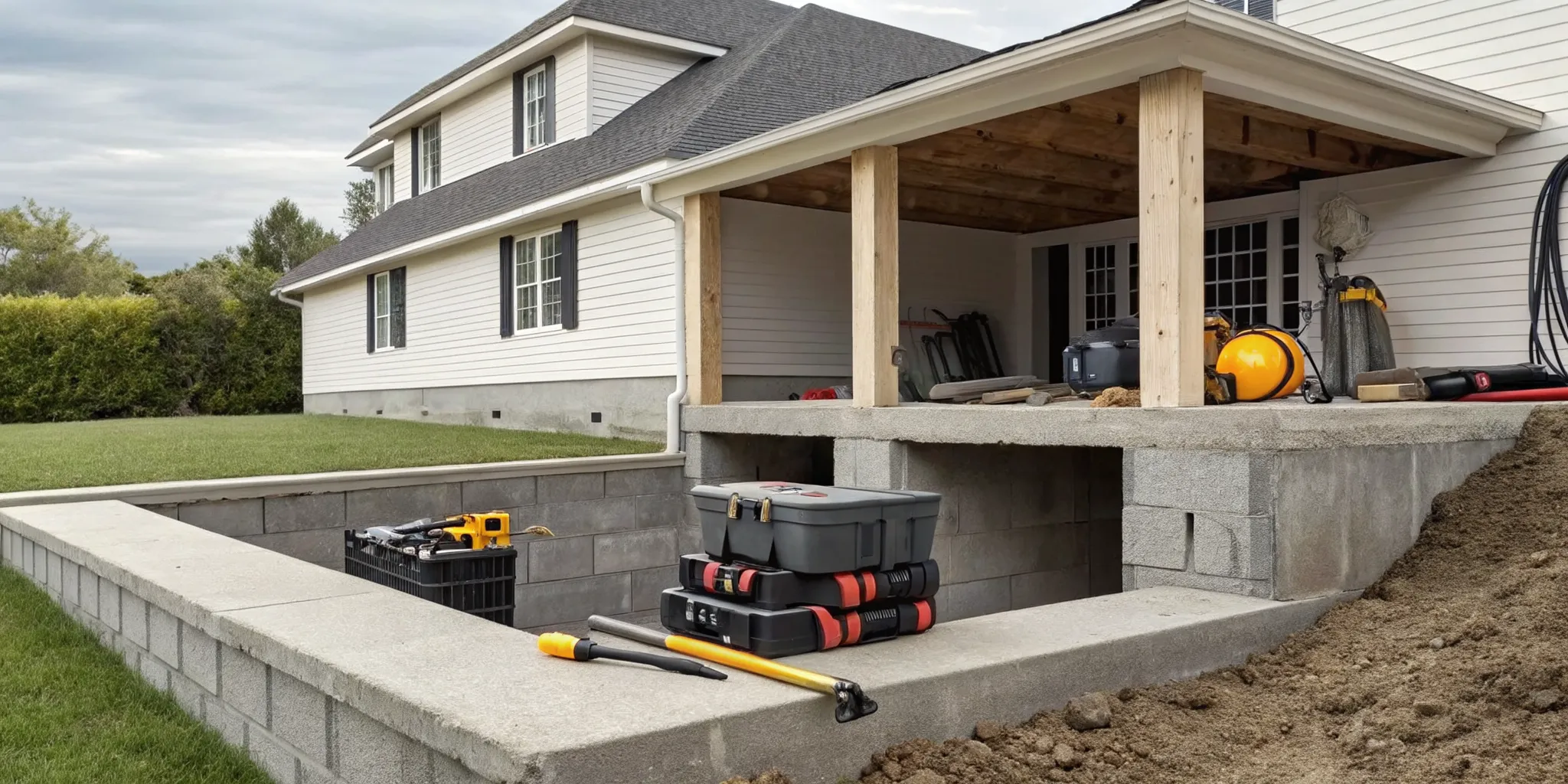
Did you know that up to half the air you breathe inside your home comes directly from your crawl space? If that space is damp, moldy, or filled with pests, it directly impacts your family’s health and your home’s air quality. This is why fixing your crawl space foundation is about more than just patching cracks—it’s about creating a healthier living environment. Of course, making your home safer comes with a price tag. Understanding the crawl space foundation repair cost is the first step to budgeting for this critical project. We’ll cover the expenses of creating a clean, dry, and stable foundation.
Key Takeaways
- Your repair cost is unique to your home: The final price is determined by the severity of the damage, the size of the area, and the specific repair method required. Getting a professional inspection is the only way to get an accurate quote for your property.
- Pay attention to your home’s warning signs: You can often spot crawl space issues from inside your house. Look for clues like sloping floors, new cracks in the drywall, sticking doors, and persistent musty odors, as these are signals that it’s time for an expert opinion.
- A healthy crawl space is a smart investment: Fixing problems under your home does more than just repair the foundation; it protects your property value, improves your family’s health by enhancing air quality, and helps you avoid more expensive structural failures in the future.
What is a Crawl Space Foundation?
If you’ve ever wondered what’s between the ground and the first floor of your house, you might have a crawl space foundation. This common foundation type raises your home slightly off the ground, creating a short, open area underneath. As the name suggests, it’s just tall enough for someone to crawl into, providing access to the home’s underside. Think of it as a mini-basement that isn’t finished or used as a living area. This space plays a critical role in your home’s structural integrity, plumbing, and electrical systems. Because it’s directly connected to both the ground and your living space, its condition can significantly affect your home’s health and stability, making proper crawl space maintenance a priority for any homeowner.
How it Compares to Basements and Slabs
Foundations generally come in three main varieties: crawl spaces, basements, and slabs. A basement is a full-depth story, often finished to be used as living space. A slab foundation, on the other hand, is a solid pour of concrete that your house sits directly on top of, offering no space underneath. A crawl space is the middle ground between these two. It’s more common in warmer climates like Oklahoma where the ground doesn’t freeze as deeply, making a deep basement foundation less of a structural necessity. It provides more accessibility than a slab but without the full excavation and construction of a basement.
The Three Core Functions of a Crawl Space
Your crawl space does more than just hold up your house; it serves three essential functions. First, it provides a buffer between your home and the ground, which helps manage moisture. A well-maintained crawl space prevents ground moisture from seeping into your home’s structure, which is key to stopping mold growth and wood rot. Second, it allows for airflow under the house to keep the area dry. Finally, it offers a convenient, protected space to house and access your home’s vital systems, including plumbing, electrical wiring, and HVAC ductwork, making repairs and maintenance much simpler.
Common Types: Pier and Beam vs. Block and Base
Crawl space foundations are typically built in one of two ways: pier and beam or block and base. A pier and beam system uses concrete piers sunk into the ground to support wooden beams, which in turn support the home’s joists and flooring. This is a very common style for older homes. A block and base foundation, also known as a continuous perimeter wall foundation, uses concrete blocks to create a short wall around the entire perimeter of the home. This wall supports the house, and additional piers may be used in the center for extra stability.
Key Construction and Access Requirements
For a crawl space to be functional and meet building codes, it needs to be accessible for inspections and repairs. The standard requirement is an access opening that is at least 18 inches high and 24 inches wide. This ensures that a professional can safely enter the space to check on your plumbing, look for signs of pests, or assess the condition of your foundation. If you suspect issues like sagging floors or moisture problems, having clear access is the first step toward getting a thorough professional inspection and identifying the right solution for your home.
Pros and Cons of Crawl Space Foundations
Like any type of home construction, crawl space foundations come with their own set of benefits and drawbacks. They are a popular choice in many parts of the country, especially in Oklahoma, for good reason. They offer practical advantages for homeowners, particularly when it comes to accessing utilities and adapting to certain land conditions. However, they also have potential downsides related to moisture control and weather resilience that are important to understand. Weighing these pros and cons can help you appreciate why your home was built this way and what it takes to keep it in top shape for years to come.
The Advantages of Building on a Crawl Space
One of the biggest perks of having a crawl space is the separation it creates between your home and the damp ground. This elevation can help protect your home from minor flooding and pests. It also provides a cushion that can make floors feel a bit softer underfoot compared to those on a concrete slab. For homeowners, the practical benefits often shine brightest when it’s time for a repair or renovation, as the easy access can simplify the work of plumbers, electricians, and HVAC technicians. This accessibility is a key feature that sets crawl spaces apart from other foundation types.
Easier Access to Utilities
If you’ve ever had to deal with a plumbing leak or an electrical issue, you’ll immediately appreciate a crawl space. This foundation style makes it much easier to reach important systems like pipes, wiring, and ductwork for repairs or upgrades. Instead of having to break through a concrete slab or tear down drywall, technicians can simply enter the crawl space to do their work. This straightforward access can make routine maintenance and emergency repairs a much smoother process, saving you time and hassle when you need work done on your home’s essential infrastructure.
Ideal for Sloped Lots and Clay Soil
Crawl space foundations are an excellent solution for homes built on sloped lots. It’s easier to build a level platform for the house by adjusting the height of the foundation walls or piers, which is much more difficult with a slab foundation. They also perform well in areas with expansive clay soil, which is common throughout Oklahoma. Clay soil can shrink and swell dramatically with changes in moisture, putting immense pressure on foundations. A crawl space foundation can be designed to better withstand this movement compared to a rigid slab, reducing the risk of significant foundation damage.
The Disadvantages of a Crawl Space
While crawl spaces offer great benefits, they aren’t without their challenges. The open space under your home can be a prime target for moisture, which can lead to a host of problems like mold, mildew, wood rot, and pest infestations if not properly managed. This makes ongoing vigilance and maintenance essential. The temperature in a crawl space can also influence the temperature of the floors above, potentially leading to colder floors in the winter and higher energy bills if the space isn’t properly insulated or sealed from the outside air.
Longer Construction Time
Compared to a slab foundation, building a crawl space is a more involved process. It requires more excavation, more materials like concrete blocks and lumber, and more labor to construct the foundation walls and floor structure. This additional complexity means that building a home on a crawl space generally takes longer than building on a slab. While this isn’t a concern for existing homeowners, it’s a key reason why some modern home builders opt for the quicker and simpler slab foundation method for new construction projects.
Limited Protection from Severe Weather
Crawl spaces are generally better suited for warmer climates and don’t offer the same level of protection from severe weather as a full basement. They don’t provide a safe shelter area during a tornado, which is a significant consideration for anyone living in Oklahoma. Furthermore, the vents that are common in older crawl space designs can allow cold air to enter in the winter, which can lead to frozen pipes if they aren’t properly insulated. This makes proper weatherization and insulation critical for maintaining a stable and energy-efficient home environment.
Crawl Spaces, Climate, and Building Trends
Why do some neighborhoods have homes with crawl spaces while others are full of houses on slabs? The answer often comes down to a combination of climate, soil conditions, and historical building trends. In regions with warmer weather and specific types of soil, crawl spaces have historically been a practical and effective choice. However, as construction methods have evolved and the focus on building speed has increased, trends have shifted. Understanding these factors gives you a better sense of your home’s place in the broader architectural landscape and why its foundation was designed the way it was.
How Climate Influences Foundation Choice
Climate plays a huge role in determining the best type of foundation for a home. Crawl spaces are particularly common in warmer, more humid areas like the Southeast, including Oklahoma. In these regions, the ground doesn’t freeze deep enough to require the deep footings of a full basement. The elevated structure of a crawl space also helps with ventilation in humid climates. Conversely, in colder northern climates, basements are more common because the foundation must extend below the frost line to prevent shifting and damage from frozen ground.
Why Crawl Spaces Are Less Common in New Homes
If you look at many new housing developments, you’ll notice that slab foundations are becoming increasingly popular. There are a few reasons for this shift. As mentioned, slab foundations are generally faster and less expensive to construct, which is appealing for production builders. Modern building practices have also improved the performance of slab foundations, making them a viable option in areas where they were once less common. While crawl spaces remain an excellent foundation type, especially for custom homes and specific terrains, the trend in large-scale construction has moved toward the efficiency of slabs.
Moisture Management in Crawl Spaces
The single most important factor in the health of your crawl space is moisture control. Because it’s a dark, enclosed space located next to the damp earth, a crawl space is naturally prone to high humidity and moisture intrusion. If left unchecked, this moisture can lead to serious problems, including mold growth, rotting wood joists, pest infestations, and poor indoor air quality. Effective moisture management is not just about preventing damage; it’s about creating a healthier living environment for you and your family. A dry, clean crawl space supports the entire structure of your home and the air you breathe every day.
Vented vs. Sealed Crawl Spaces
Traditionally, crawl spaces were built with vents along the foundation walls. The idea was that these vents would allow outside air to circulate, helping to dry out any moisture. However, in humid climates like Oklahoma’s, this often has the opposite effect, pulling in warm, moist air that condenses on cooler surfaces and increases the humidity inside the crawl space. That’s why the modern, preferred approach is to create a sealed or encapsulated crawl space. This involves sealing off the vents, isolating the space from the earth and outside air, and using a dehumidifier to control the humidity level, creating a clean, dry, and conditioned space.
Methods for Preventing Moisture Intrusion
Creating a dry crawl space involves a multi-faceted approach. The goal is to stop water from getting in and to remove any moisture that is already present. This starts outside your home with proper grading to ensure water flows away from the foundation, along with clean, functional gutters and downspouts. Inside the crawl space, a combination of solutions is used to create a comprehensive moisture barrier. When these elements work together, they can transform a damp, musty crawl space into a stable and healthy part of your home, protecting it from the ground up.
Vapor Barriers and Drainage Solutions
A cornerstone of crawl space moisture control is a high-quality vapor barrier. This involves laying down a thick, durable liner across the entire dirt floor and up the walls to stop ground moisture from evaporating into the space. This process is often called encapsulation. In addition to a vapor barrier, interior drainage systems can be installed to collect any water that seeps in and direct it to a sump pump, which then safely removes it from the crawl space. Paired with a dehumidifier to control air moisture, these solutions create a robust system to keep your crawl space permanently dry.
Fixing Your Crawl Space Foundation: What’s Involved?
Crawl space foundation repair involves fixing structural and moisture-related issues in the area beneath your home. Think of it as the essential support system for your entire house. When this space has problems, like rotting wood, excess moisture, or a sinking foundation, it can affect everything above it. The goal of crawl space repair is to stabilize your home’s foundation, control moisture, and prevent future damage.
Addressing these issues is a critical part of home maintenance. While costs can vary widely depending on the problem, most homeowners can expect to invest between $2,500 and $15,000+. The average repair lands somewhere around $6,000. Minor fixes like sealing small cracks might be on the lower end, while major structural work like installing support piers will be more. It’s an investment in your home’s safety, stability, and long-term value.
What Problems Are Lurking in Your Crawl Space?
Because it’s out of sight, it’s easy to forget about your crawl space. Unfortunately, problems that start there often show up inside your home. If you notice any of these signs, your crawl space might be calling for help.
Common red flags include:
- Sloping or uneven floors
- Cracks appearing in interior drywall or exterior brick
- Doors and windows that stick or won’t close properly
- A persistent musty or damp smell in your home
- High indoor humidity, especially during summer
- Visible mold, mildew, or rotting wood joists
These aren’t just minor annoyances; they often point to bigger issues like water intrusion or a failing foundation.
Why You Can’t Ignore Crawl Space Problems
A healthy crawl space is fundamental to a healthy home. Ignoring problems under your house can lead to serious consequences for your property and your family. A damp, neglected crawl space can become a breeding ground for mold, mildew, and pests, which can compromise your home’s indoor air quality and trigger allergies or respiratory issues.
Beyond health concerns, a compromised crawl space threatens your home’s structural integrity. Over time, moisture can rot wooden supports and excess humidity can cause floors to sag. Addressing these issues early not only protects your home’s value but also saves you from much more expensive repairs down the road. Getting a professional free inspection can help you catch problems before they get out of hand.
What’s the Real Cost of Crawl Space Foundation Repair?
Let’s get right to the question on every homeowner’s mind: what’s this going to cost? When it comes to fixing your crawl space, there isn’t a one-size-fits-all price tag. The final cost can vary quite a bit because every home and every problem is unique. Generally, you can expect the price for a professional crawl space repair to fall somewhere between $2,500 and $15,000. While that’s a wide range, research shows that most homeowners spend around $6,000 for typical repairs. A minor fix for a small moisture issue will be on the lower end of that spectrum, while a major structural overhaul will be on the higher side. The key is to understand what kind of repair your home needs. The specific problem, the size of your crawl space, and the materials required all play a part in determining the final quote. Think of it less like buying a product off the shelf and more like a custom solution tailored to protect your home’s foundation for years to come. The best way to get a clear number is to have a professional take a look and give you a detailed estimate based on your home’s specific needs.
Benchmark: The Cost to Build a New Crawl Space
To put repair costs into perspective, it helps to know what it costs to build a crawl space from scratch. Constructing a new crawl space foundation for an average-sized home typically ranges from $8,000 to $25,000. This type of foundation elevates your home off the ground, which is a major advantage in areas with moist soil, and provides crucial access to your home’s plumbing and electrical systems. When you compare this to the cost of a full basement, which can be significantly higher, you can see why crawl spaces are a popular choice, especially in warmer climates like Oklahoma. Understanding this baseline construction cost helps frame the value of a professional repair, which restores the integrity of your existing foundation and protects your home.
Breaking Down the Costs by Repair Type
The total cost of your project really depends on what’s happening under your house. For smaller issues, like sealing a few cracks to keep moisture out, you might spend between $250 and $4,000. If you’ve noticed your floors are starting to sag, repairing the joists could range from $1,500 to $6,000. For more serious structural problems that require installing support piers to stabilize your foundation, the cost typically starts around $3,000 and can go up to $10,000 or more. A full crawl space encapsulation, which involves completely sealing the area with a vapor barrier, is a more comprehensive solution that usually costs between $5,000 and $15,000+.
How Location Affects Your Repair Bill in Oklahoma
Just as gas prices can change from one town to the next, so can the cost of crawl space repairs. Where you live in Oklahoma and Arkansas plays a role in the final price. The accessibility of your crawl space also matters; a tight, hard-to-reach space can increase labor time and, therefore, the cost. This is why getting a generic online quote isn’t always helpful. The only way to know for sure what your project will cost is to get a free inspection from a local expert who understands our state’s specific soil and climate conditions.
What Influences the Final Cost of Your Repair?
When you get a quote for crawl space repair, you’ll find that the price isn’t a simple, flat rate. Several key factors come into play, and understanding them can help you see exactly what you’re paying for. The final cost depends on the specific issues under your home, the size of the space, and the solutions needed to make it safe and stable again. Think of it less like buying a product off the shelf and more like a custom project tailored to your home’s unique needs. From the severity of the problem to the materials required, each element plays a part in the total investment.
How Severe Is the Damage?
It makes sense that the scope of the problem is the biggest driver of cost. A few minor cracks are a much simpler and less expensive fix than widespread structural issues. For example, sealing small foundation cracks might only cost a few hundred dollars. However, if your home needs significant foundation repair involving beam replacement or major stabilization, the cost can climb well into the thousands. The more severe the damage, the more materials and intensive labor are required to ensure your home is secure for the long term. Catching problems early is one of the best ways to keep repair costs down.
Does Size (and Access) Matter?
The physical characteristics of your crawl space also have a big impact on the price. A larger crawl space requires more materials and time to repair, which naturally increases the cost. Accessibility is another crucial factor. If your crawl space is very low (less than 18 inches high) or filled with obstacles, it becomes much more challenging for technicians to work in. This difficult environment can slow down the repair process, leading to higher labor costs. An easily accessible, open space allows our team to complete the crawl space repair more efficiently, which can be reflected in the final price.
Which Repair Method Is Right for You?
Different problems require different solutions, and the specific method used will influence the overall cost. Simple fixes like sealing cracks or addressing minor moisture issues are on the lower end of the price spectrum. More complex jobs, like installing support piers to stabilize a sinking foundation, are more involved. Each pier is a significant structural addition, and the cost reflects the materials and precision required for installation. The right repair method is critical for a lasting solution, which is why a thorough professional inspection is the best first step to determine exactly what your home needs.
The Impact of Local Labor and Material Costs
Just like with any other home service, where you live matters. The cost of materials and skilled labor can vary from one part of Oklahoma to another. For instance, rates in metro areas like Oklahoma City or Tulsa might differ from those in more rural communities. These regional price differences are a standard part of any construction or repair project. At Vesta, we are always transparent about our pricing and ensure you receive fair, competitive rates for the high-quality materials and expert craftsmanship we provide, no matter where you are in our service area.
Common Crawl Space Repairs and What to Budget
When you get a quote for your crawl space, the final number will depend entirely on what needs to be fixed. A small crack requires a very different solution than a sinking foundation. To give you a clearer picture of what to expect, let’s walk through some of the most common crawl space repairs and their typical price ranges. Keep in mind these are estimates, and a professional inspection is the only way to get an exact cost for your home.
Cost to Seal Cracks and Manage Moisture
If you’ve caught a problem early, you might just need to seal a few cracks in your foundation walls. This is one of the most straightforward and affordable repairs, but it’s incredibly important. Sealing cracks stops water from seeping in, keeps pests out, and prevents a minor issue from turning into a major headache. According to home improvement resource Modernize, the cost for sealing small cracks can be as low as $250. It’s a foundational step in moisture control and a great starting point for protecting your home’s structure from the ground up.
Cost to Fix Sagging Floors and Joists
Do you feel a bounce or a dip when you walk across certain rooms in your house? That’s a classic sign of sagging floors, often caused by weakened or failing joists in the crawl space below. Over time, moisture and wood rot can compromise these essential supports. The fix usually involves jacking up the floor and installing additional supports or sistering new joists alongside the old ones. This is a more involved job, with typical costs ranging from $1,500 to $6,000. Addressing this issue restores the stability of your floors and prevents further structural damage.
Cost of Installing Support Piers
For more serious foundation settlement, installing piers is often the best long-term solution. When the soil beneath your home can no longer support its weight, piers are driven deep into the ground to reach stable soil or bedrock, effectively transferring the weight of the house onto a solid base. This type of foundation repair permanently stabilizes your home. Because it’s a major structural intervention, the cost is higher, generally running from $3,000 to $10,000 or more, depending on how many piers are needed to secure your home. This is an investment in the core stability of your property.
Cost of Crawl Space Encapsulation
If persistent moisture, humidity, and musty smells are the main problems, crawl space encapsulation is the ultimate solution. This process involves completely sealing the crawl space with a heavy-duty vapor barrier on the floors and walls. Often paired with a dehumidifier and a sump pump, encapsulation isolates your home from ground moisture, improves indoor air quality, and can even lower your energy bills. It’s a comprehensive project that transforms a damp, dirty space into a clean, dry area. The investment for encapsulation typically ranges from $5,000 to $15,000, providing a complete defense against moisture intrusion.
Cost to Replace Damaged Beams
While joists support your floors, beams are the heavy-duty timbers that support the joists. If a main support beam is damaged by termites, water, or rot, it’s a serious structural problem that needs immediate attention. Replacing a load-bearing beam is a complex job that requires temporarily supporting the weight of your house while the old beam is removed and a new one is installed. Given the critical nature of this repair, costs generally fall between $4,500 and $8,000. This ensures the core structure of your home remains safe and sound for years to come.
Cost for Mold and Mildew Removal
Discovering mold in your crawl space is unsettling, as it can affect your home’s air quality and your family’s health. Professional mold remediation is essential to not only remove the existing mold but also to address the underlying moisture source that allowed it to grow. The process involves containing the area, removing the mold, and cleaning the surfaces. The cost for mold removal can vary significantly based on the size of the infestation, typically ranging from $500 to $3,500. It’s a crucial step in any crawl space waterproofing plan to create a healthier living environment.
Warning Signs Your Crawl Space Needs Help
Because your crawl space is out of sight, it’s easy for problems to go unnoticed for years. But often, your house will give you subtle (and sometimes not-so-subtle) clues that something is wrong beneath your feet. Paying attention to these signs can help you catch issues early, before they turn into complex and expensive structural failures. Think of it as your home trying to tell you it needs a check-up.
What to Look for Inside Your House
The first place to look for crawl space trouble is inside your living area. Have you noticed your floors are starting to slope or feel uneven? Maybe you’ve seen new cracks forming in the drywall, especially around door and window frames. Another classic sign is having doors and windows that suddenly stick or refuse to close properly. These issues don’t just happen on their own; they often indicate that the support system in your crawl space is shifting, settling, or failing. When the foundation moves, it affects the entire frame of your house, causing these frustrating and concerning symptoms. These are common indicators that you may need foundation repair.
Is That a Musty Smell? Spotting Moisture and Mold
Sometimes, your nose knows first. A persistent musty or earthy smell that you can’t seem to get rid of is a major red flag for moisture problems in your crawl space. This odor is often caused by mold, mildew, and wood rot thriving in a damp, dark environment. You might also notice that the air inside your home feels humid or damp, even with the air conditioning running. Excess moisture from the ground can seep into your crawl space, creating the perfect breeding ground for mold and compromising your home’s indoor air quality. This moisture can also lead to rotting wooden floor joists and beams, which is a serious structural concern.
Are Your Floors or Walls Trying to Tell You Something?
Beyond just being uneven, do your floors feel bouncy, soft, or spongy when you walk on them? This often means the floor joists have been weakened by moisture or are no longer properly supported by the posts and beams below. You might also see more significant cracks in your interior walls or ceilings, or even on the exterior brickwork of your home. These are clear signs that the structure is under stress. If you’re noticing these kinds of issues, it’s a good idea to get a professional opinion. You can schedule a free inspection to understand exactly what’s happening and what it will take to fix it.
How Serious Is It? Assessing the Damage Yourself
Once you’ve spotted a few warning signs, you might wonder just how bad the problem really is. While a professional inspection is the only way to know for sure, you can get a better sense of the situation by looking for a few key indicators. Knowing what to check for helps you understand the potential scope of the issue before you even make a call. This initial assessment can give you peace of mind and prepare you for a more informed conversation with a repair specialist.
Decoding Wall and Foundation Cracks
Start by looking for clear signs of structural stress. Some of the most common indicators are uneven floors, doors or windows that stick, and visible cracks in your walls or foundation. These issues often point back to a problem in the crawl space. If you notice standing water, high humidity, or musty smells coming from below, it’s a strong signal that something is wrong. These symptoms can help you determine the extent of the damage and the need for professional foundation repair. A small crack might not seem like a big deal, but when combined with other signs, it often tells a bigger story about your home’s stability.
Finding Evidence of Moisture and Pests
Moisture is one of the biggest enemies of a healthy crawl space, and it often brings unwanted guests. Keep an eye out for visible mold or mildew, rotting wood, and puddles of standing water. A persistent musty smell is another telltale sign that you have a moisture problem. These conditions create a perfect breeding ground for pests, so an infestation can also signal underlying issues. Problems like these don’t just stay in the crawl space; they can lead to high humidity inside your home and damage your home’s structure. Identifying these issues early is key to preventing more extensive crawl space repair down the road.
How Does Your Crawl Space Layout Affect Repairs?
The physical characteristics of your crawl space can also play a role in the repair process. Accessibility is a major factor that can influence the complexity and cost of the work. For example, if your crawl space is less than three feet high, it becomes much harder for professionals to work in, which could increase labor costs. Tight corners, numerous support columns, or large HVAC units can also present challenges. When you schedule a free inspection, a specialist will assess these factors to provide an accurate quote and determine the most effective repair strategy for your specific home.
Smart Ways to Budget for Crawl Space Repair
Facing a crawl space repair can feel overwhelming, especially when you start thinking about the cost. But you have more control over the budget than you might think. By being proactive and making informed choices, you can manage the expense effectively without compromising on the safety and health of your home. It all comes down to catching issues early, getting the right advice, and knowing when to call for professional help.
Why Acting Sooner Saves You Money
When it comes to your home’s foundation, a small problem rarely stays small for long. Fixing issues as soon as you spot them is the single best way to keep costs low. A minor crack or a bit of dampness might not seem like a big deal, but if you wait, these can spiral into much bigger and more expensive headaches like wood rot, widespread mold, or structural damage.
Think of it like a small leak in a pipe. You can patch it easily at first, but if you ignore it, you could end up with a flooded room and major water damage. Regularly checking your crawl space for musty smells, moisture, or visible cracks can help you address problems before they escalate. A proactive approach to crawl space repair protects both your home and your wallet.
Why You Should Start with a Pro Inspection
Guessing what’s wrong with your crawl space can lead to costly mistakes. That’s why it’s so important to have an expert inspect the area. A professional can spot hidden issues you might miss and create a repair plan that actually solves the root cause of the problem, not just the symptoms. This diagnostic step is crucial for developing an accurate budget and ensuring you’re paying for a permanent solution.
A thorough inspection gives you a clear roadmap. You’ll understand the full extent of the damage and what it will take to fix it correctly the first time. We believe you should have all the information before making a decision, which is why we offer a free, no-obligation inspection to give you a complete picture of your crawl space’s health and a detailed plan for any needed repairs.
DIY vs. Pro: When to Make the Call
While a DIY approach can be tempting for some home projects, crawl space repair is rarely one of them. Issues involving your home’s structural integrity, major water intrusion, or electrical work should always be left to certified professionals. Attempting to fix sagging floors or a cracked foundation on your own can lead to bigger problems and even compromise your home’s safety.
Professionals have the right tools, training, and understanding of local building codes to do the job correctly. A proper foundation repair is an investment in your home’s long-term stability and value. While professional services come with a cost, it pales in comparison to the expense of fixing a DIY project gone wrong. Choosing a pro ensures the work is done safely and comes with a warranty for your peace of mind.
Is Crawl Space Foundation Repair Worth the Cost?
When you’re facing a potentially large repair bill, it’s natural to ask if the cost is truly worth it. Think of crawl space repair not as an expense, but as a crucial investment in your home’s future. Ignoring problems under your house won’t make them go away; it just gives them time to get worse and more expensive. Addressing these issues head-on protects your property, your family’s health, and your wallet. Let’s break down exactly why fixing your crawl space is one of the smartest moves you can make as a homeowner.
Protecting Your Home’s Value and Structural Integrity
Your crawl space is the foundation of your home. When it has problems, the rest of your house feels it. Issues like excess moisture, wood rot, or settling supports can lead to sagging floors, sticking doors, and cracks in your drywall. These are major red flags for potential buyers. Investing in professional foundation repair not only solves these structural problems but also protects your home’s resale value. A clean, stable crawl space with a warranty gives future buyers peace of mind, making your home more attractive on the market. It’s about securing your biggest asset for the long term.
Breathe Easier: Better Air Quality and Health
Did you know that up to 50% of the air you breathe inside your home comes up from the crawl space? This is known as the “stack effect.” If your crawl space is damp, moldy, or filled with pests, those allergens and contaminants are circulating through your living areas. This can trigger allergies, asthma, and other respiratory issues. A professional crawl space encapsulation system seals out moisture and pests, creating a clean, dry environment. This dramatically improves your home’s indoor air quality, making it a healthier place for you and your family to live.
How Repairs Pay for Themselves Over Time
It might seem counterintuitive, but spending money on crawl space repairs now can save you a significant amount later. A small crack or a minor leak is much easier and cheaper to fix than a collapsed foundation wall. By addressing issues early, you prevent them from escalating into catastrophic and costly failures. Furthermore, a damp, uninsulated crawl space can lead to higher energy bills as your HVAC system works overtime. By waterproofing and conditioning the space, you can lower your heating and cooling costs. Getting a free inspection can help you catch problems early and avoid much larger expenses down the road.
Related Articles
- Structural Repairs | Foundation Repair & Basement Waterproofing
- What is a Sealed Crawl Space? | Foundation Repair & Basement Waterproofing
- Maintaining a Healthy Crawl Space – Foundation Repair & Basement Waterproofing
- Whole-Home Protection Through Crawl Space Repair | Foundation Repair & Basement Waterproofing
- Reinforcing Crawl Space Stability with SmartJack® Support Systems | Foundation Repair & Basement Waterproofing
Frequently Asked Questions
How long does a typical crawl space repair take? The timeline for a repair really depends on the job. A simple crack sealing or moisture barrier installation might only take a day. More complex projects, like installing support piers or a full encapsulation system, could take several days to a week. After a thorough inspection, we can give you a precise and reliable timeline so you know exactly what to expect.
Can I just ignore a musty smell if I don’t see any other problems? That musty smell is your home’s early warning system. It’s a clear sign of excess moisture, which is the root cause of bigger issues like mold, wood rot, and pest infestations. While you might not see sagging floors or cracks yet, ignoring the smell gives these problems time to develop. Addressing the moisture source now is much simpler and more affordable than fixing major structural damage later.
Will the repair work be messy and disruptive to my home? We understand that your home is your sanctuary, and our teams work hard to be as respectful and clean as possible. Since most of the work happens in the crawl space, the disruption to your main living area is usually minimal. You can expect some noise during work hours, but we always make sure to protect your property and clean up the site thoroughly when the job is done.
Is professional encapsulation really that different from just laying down plastic sheeting myself? Yes, there’s a huge difference. A DIY approach with plastic sheeting might cover the dirt, but it won’t stop moisture vapor from seeping in around the edges and through the seams. Professional encapsulation is a complete system. We use a thick, durable liner that is sealed at all seams and mechanically fastened to the foundation walls and support piers. This creates an airtight barrier that truly isolates your home from ground moisture, which is something a simple plastic sheet can’t do.
What actually happens during a free inspection? During a free inspection, one of our trained specialists will conduct a complete assessment of your crawl space. They will look for signs of moisture, check for structural damage to joists and beams, identify any foundation cracks, and take measurements. Afterward, they will sit down with you, explain exactly what they found, and walk you through the best solutions for your specific situation. It’s a straightforward, no-pressure conversation designed to give you a clear understanding of your home’s health.