
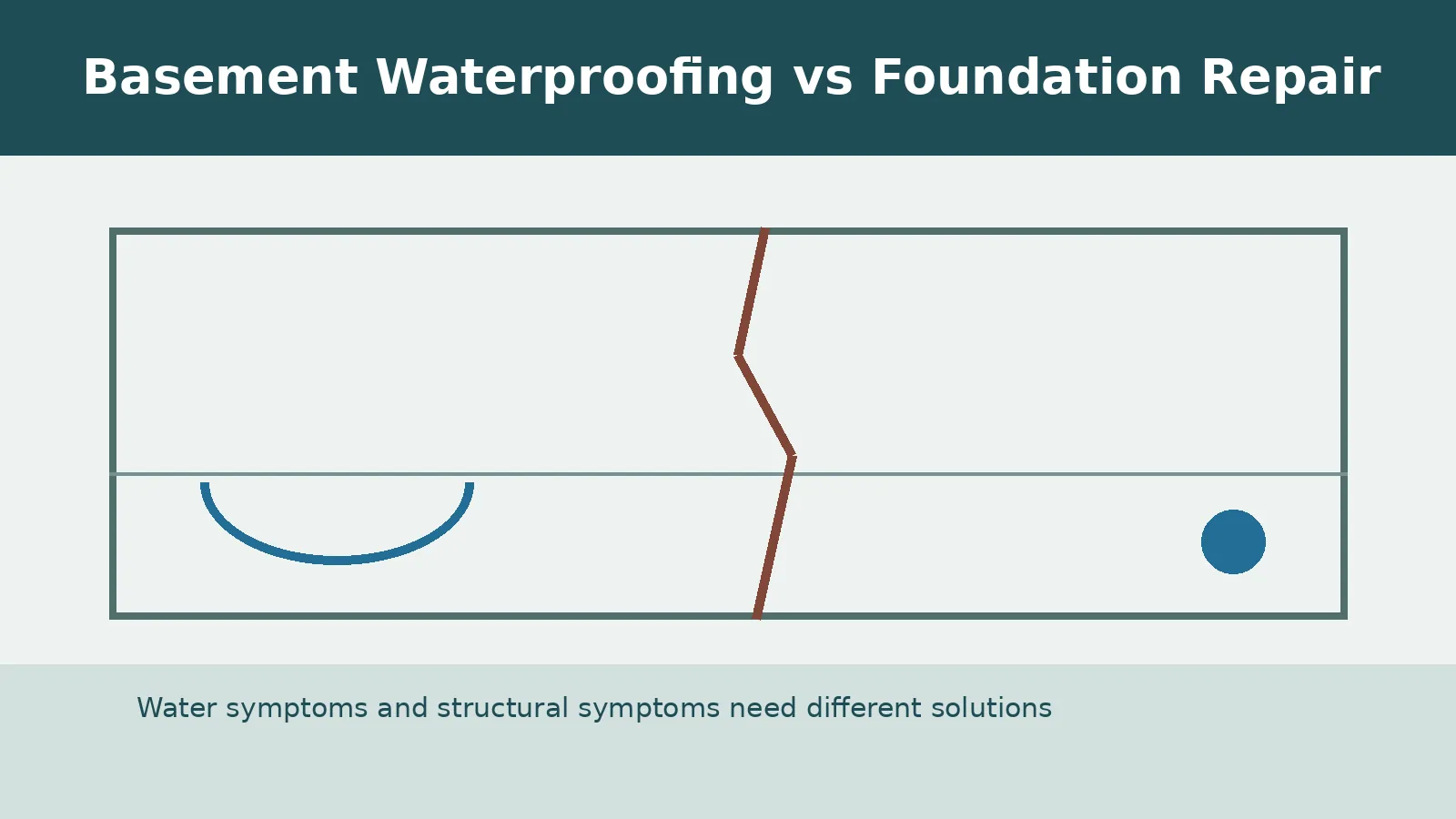
Water in your basement is more than an inconvenience. For Oklahoma homeowners, it is a warning sign that your home’s foundation and structural integrity may be at risk. Between the state’s expansive clay soils, intense spring storms, and cycles of drought and flooding, basements in Oklahoma face a unique combination of pressures that homes in other regions rarely deal with.
Schedule Your Free Basement Waterproofing Inspection Today
This guide covers everything you need to know about basement waterproofing as an Oklahoma homeowner, from recognizing early warning signs to understanding the different waterproofing methods and knowing when it is time to call a professional.
Why Oklahoma Basements Are Especially Vulnerable to Water Problems
Oklahoma’s geology and climate create a perfect storm for basement water intrusion. Understanding these factors helps you appreciate why waterproofing your basement is not just a luxury but an essential investment in your home.
Expansive Clay Soils
Much of Oklahoma sits on a layer of expansive clay soil, particularly montmorillonite clay. This type of soil behaves like a sponge: it absorbs water and swells during wet periods, then shrinks and cracks during dry spells. This constant cycle of expansion and contraction puts immense pressure on basement walls and foundations.
When clay soil swells, it creates hydrostatic pressure against your basement walls. This pressure can force water through tiny cracks, joints, and even through the porous surface of the concrete itself. Over time, the repeated stress weakens the wall structure and creates new entry points for water.
Severe Weather Patterns
Oklahoma’s weather is famously unpredictable, and several patterns contribute directly to basement moisture issues:
- Spring and early summer storms: Oklahoma City averages about 4.5 inches of rainfall per month from March through May. Severe thunderstorms can dump 2 to 4 inches in a single event. Learn more about how spring showers impact your foundation.
- Drought-to-flood cycles: Extended dry periods cause soil to pull away from foundation walls, creating gaps. See our guide on how drought affects your home’s foundation.
- Freeze-thaw cycles: Winter temperatures fluctuate above and below freezing, causing moisture in foundation cracks to expand and contract.
Poor Natural Drainage
Clay soil has low permeability, meaning water does not drain through it easily. Without proper grading and drainage, that water has nowhere to go except into your basement.
Common Signs You Need Basement Waterproofing
Early detection is the key to preventing minor moisture issues from becoming major structural problems. Here are the warning signs every Oklahoma homeowner should watch for:
Visible Water and Moisture
- Standing water or puddles: Water pooling on your basement floor, especially after rain, is an urgent sign.
- Damp or wet walls: Moisture that appears on interior basement walls, even without visible cracks, often indicates water moving through the concrete.
- Condensation: Excessive moisture on pipes, windows, or cool surfaces suggests high humidity from water intrusion.
Structural Warning Signs
- Wall cracks: Horizontal cracks often indicate hydrostatic pressure from swollen clay soil pushing against the wall. Vertical or stair-step cracks can signal foundation settlement. See our complete guide to signs of foundation damage.
- Bowing or leaning walls: Walls that curve inward are under significant lateral pressure and represent both a water risk and a structural emergency.
- Floor cracks or heaving: Upward pressure from water beneath the slab can cause the basement floor to crack or push upward.
Secondary Indicators
- Musty odors: A persistent damp or earthy smell typically indicates mold growth from chronic moisture.
- Mold or mildew: Visible mold on walls, floors, or stored items is a clear indicator of uncontrolled moisture.
- Efflorescence: White, chalky mineral deposits on basement walls show that water has been moving through the concrete and evaporating on the interior surface.
- Peeling paint or bubbling wallboard: Moisture behind wall finishes causes coatings to lose adhesion.
If you notice any of these signs, it is time to schedule a free inspection before the problem worsens.
How Water Gets Into Your Oklahoma Basement
Water enters basements through several pathways, and understanding these routes helps you choose the right waterproofing approach:
Hydrostatic Pressure
When the soil around your foundation is saturated, gravity pushes water downward and laterally against your basement walls and floor. This hydrostatic pressure is the most common cause of basement water intrusion in Oklahoma. The deeper the basement and the heavier the clay soil, the greater the pressure.
Lateral Pressure
Swollen clay soil expands horizontally against basement walls. This lateral earth pressure not only forces water through the wall but can also cause structural damage over time.
Capillary Action
Concrete is not waterproof. It contains microscopic pores that can wick moisture upward and inward through a process called capillary action. Even without visible cracks, water can seep through your basement walls and floor through these tiny channels.
Cove Joint Seepage
The cove joint, where the basement floor meets the wall, is one of the most common entry points for water. During construction, the floor and wall are poured at different times, creating a natural gap that water under pressure can exploit.
Window Wells and Penetrations
Improperly sealed basement windows, utility penetrations for pipes and wires, and window wells without adequate drainage all provide direct paths for water entry.
Basement Waterproofing Methods Explained
There are several approaches to basement waterproofing, each suited to different situations. A comprehensive solution often combines multiple methods.
Interior Waterproofing
Interior methods manage water that has already entered or is about to enter your basement. These solutions are often the most practical and least disruptive to install.
Interior Drainage Systems
An interior drainage system is typically the backbone of basement waterproofing in Oklahoma. A perforated drain channel is installed along the interior perimeter of the basement floor, just inside the footing. Water that enters through the walls or floor is captured by this drain and directed to a sump pit, where a sump pump removes it from the home.
This approach works with water pressure rather than fighting against it, making it highly effective for Oklahoma’s clay soil conditions.
Sump Pump Systems
A sump pump is the heart of any interior waterproofing system. It sits in a sump pit, typically at the lowest point of the basement, and automatically activates when water reaches a certain level. For Oklahoma homes, we recommend battery backup sump pumps because severe storms that bring the most water often knock out power.
Vapor Barriers and Wall Encapsulation
A vapor barrier is a heavy-duty moisture-resistant liner installed on interior basement walls. It prevents moisture from reaching the living space and directs any wall seepage downward into the interior drainage system. This is especially important for finishing a basement, as it protects drywall, insulation, and framing from moisture damage.
Interior Sealants
Waterproof coatings and sealants applied to interior walls can address minor dampness and efflorescence. While sealants alone will not stop significant water intrusion, they are a useful supplementary measure when combined with drainage and vapor barriers.
Exterior Waterproofing
Exterior methods stop water before it reaches your basement walls. They are more intensive to install but address the problem at its source.
Exterior Drainage and Waterproof Membranes
Exterior waterproofing involves excavating the soil around the foundation, applying a waterproof membrane or coating to the outside of the basement walls, and installing an exterior drain tile system at the footing level. This approach provides a complete barrier against water penetration.
Grading and Surface Drainage
Proper grading ensures that surface water flows away from your foundation. The ground should slope away from your home at a rate of at least 6 inches over the first 10 feet. Gutters and downspouts should discharge water at least 4 to 6 feet from the foundation. These are foundational measures that support any waterproofing system. Read more about the role of proper drainage in preventing foundation damage.
Structural Repairs
When water intrusion has caused or been caused by structural damage, repairs must be part of the waterproofing plan.
Crack Repair
Foundation crack repair using epoxy or polyurethane injection seals active leaks through wall cracks. This is essential for both stopping water and preventing further structural deterioration.
Wall Stabilization
For bowing or leaning walls, carbon fiber straps, wall anchors, or steel I-beams may be needed to stabilize the wall and prevent further movement. Stabilization should always accompany waterproofing to ensure a lasting solution. Learn about carbon fiber straps for basement wall repair.
The Basement Waterproofing Process: What to Expect
Understanding the process helps you plan for the work and set realistic expectations.
Step 1: Professional Inspection
A qualified waterproofing professional will examine your basement, identify all water entry points, assess any structural concerns, and evaluate the exterior grading and drainage conditions. At Vesta Foundation Solutions, every project begins with a free, no-obligation inspection.
Step 2: Custom Solution Design
Based on the inspection findings, a solution is designed specifically for your home. This might include interior drainage, a sump pump, vapor barriers, crack repairs, or a combination of methods. Every Oklahoma home is different, and a one-size-fits-all approach does not work for our unique soil and weather conditions.
Step 3: Installation
Most interior waterproofing systems can be installed in 2 to 3 days. The process typically involves:
- Removing a narrow section of the basement floor along the perimeter
- Installing the drainage channel and connecting it to a sump pit
- Installing the sump pump and discharge line
- Applying vapor barriers to the walls
- Restoring the concrete floor
Exterior work, if needed, takes longer due to excavation requirements but is scheduled to minimize disruption to your landscape and daily routine.
Step 4: Ongoing Protection
A properly installed waterproofing system works continuously and automatically. The sump pump activates as needed, the drainage system channels water away, and the vapor barrier keeps moisture at bay. Annual inspections and periodic sump pump testing ensure your system remains in peak condition.
Choosing the Right Waterproofing Approach for Your Home
Several factors influence which waterproofing methods are right for your situation:
- Severity of the problem: Minor dampness may respond to sealants and improved grading. Active water intrusion requires a comprehensive interior drainage system.
- Source of the water: Surface water issues may be solved with exterior grading. Subsurface water pressure requires interior drainage and sump pump solutions.
- Structural condition: Cracked or bowing walls need structural repair as part of the waterproofing solution.
- Future plans: If you plan to finish your basement, investing in a full waterproofing system now protects your remodeling investment. See our guide on finishing your basement.
- Soil conditions: Oklahoma’s clay soils almost always require a drainage-based solution rather than sealants alone.
Protecting Your Investment: Long-Term Basement Maintenance
Waterproofing your basement is a long-term investment. These maintenance practices help ensure your system continues to protect your home:
- Test your sump pump regularly: Pour water into the pit quarterly to verify it activates and pumps correctly. Check battery backup systems monthly.
- Maintain gutters and downspouts: Clean gutters at least twice a year and verify downspouts discharge water well away from the foundation.
- Monitor grading: Check that the soil around your home still slopes away from the foundation. Settling and landscaping changes can alter drainage patterns over time.
- Inspect for new cracks: Walk your basement seasonally and look for any new cracks in walls or floors. Early detection allows for quick, simple repairs.
- Control interior humidity: Use a dehumidifier if relative humidity exceeds 50 percent. This prevents condensation and mold growth even with a waterproofing system in place.
- Keep window wells clear: Remove debris from window wells and ensure drains are functioning.
Oklahoma-Specific Considerations for Basement Waterproofing
Several factors make basement waterproofing in Oklahoma different from other states:
Clay Soil Requires Drainage-First Solutions
In areas with sandy or gravelly soil, water drains naturally and exterior sealants may be sufficient. Oklahoma’s expansive clay soils hold water against your foundation for extended periods. This means interior drainage systems and sump pumps are nearly always necessary components of an effective waterproofing plan.
Storm Intensity Demands Backup Systems
Oklahoma’s severe storms can overwhelm basic drainage and pump systems. A properly designed system accounts for peak water volume during severe weather events. Battery backup sump pumps are essential because tornadoes and thunderstorms frequently cause power outages right when you need your pump the most.
Seasonal Timing Matters
The best time to waterproof your basement in Oklahoma is before the spring storm season, typically February through April. However, waterproofing can be done year-round, and you should not delay if you are already seeing water problems.
Foundation Age and Construction Methods
Oklahoma has a wide range of home ages and construction methods. Older homes in neighborhoods like Mesta Park, Heritage Hills, or Paseo may have stone or block foundations that require specialized waterproofing approaches. Newer construction in areas like Edmond, Moore, or Norman may have poured concrete walls but can still develop problems due to soil conditions.
Frequently Asked Questions About Basement Waterproofing in Oklahoma
How long does basement waterproofing take?
Most interior waterproofing systems are installed in 2 to 3 days. Exterior work may take 3 to 5 days depending on the scope. Complex projects combining multiple methods may take up to a week.
Will waterproofing fix existing mold?
Waterproofing eliminates the moisture source that mold needs to grow. Existing mold should be professionally remediated, and waterproofing prevents it from returning. The two services work hand-in-hand.
Can I waterproof my basement myself?
Minor improvements like sealing visible cracks, improving grading, and extending downspouts are reasonable DIY projects. However, installing interior drainage systems, sump pumps, and vapor barriers requires professional equipment and expertise to ensure a lasting, effective solution.
Does basement waterproofing add home value?
Yes. A dry, protected basement is a significant selling point for Oklahoma homes. Waterproofing protects the foundation, prevents health hazards from mold, and makes the space usable for storage or living. Homes with documented waterproofing systems are more attractive to buyers and appraisers.
What happens if I ignore basement water problems?
Untreated water intrusion leads to progressively worse outcomes: mold growth affecting air quality, deterioration of stored belongings, damage to mechanical systems, weakening of the foundation structure, and potentially significant structural repairs. Early intervention is always less disruptive and more effective than waiting.
Request Your Free Basement Waterproofing Inspection
Take the Next Step
If your Oklahoma home shows any signs of basement moisture or water intrusion, do not wait for the next storm to make it worse. Vesta Foundation Solutions has helped Oklahoma homeowners protect their homes and foundations for years, and every project starts with a thorough, no-obligation inspection.
Schedule your free inspection today or call us at 1-405-213-0492 to speak with a basement waterproofing specialist who understands Oklahoma’s unique challenges.