
That musty, damp smell in your home that never seems to go away often has a hidden source: your crawl space. The ground beneath your house naturally releases moisture, and without a proper defense, that water vapor seeps directly into your home’s foundation. This creates a perfect environment for mold, wood rot, and pests. The first, and most critical, step is installing a crawl space vapor barrier. This isn’t just a thin sheet of plastic; it’s a heavy-duty liner that completely seals off the earth from your home. This guide covers everything you need to know, from what a vapor barrier is to why it’s essential for protecting your home’s structure and your family’s health. Explore our complete crawlspace waterproofing guide.
What Is a Crawl Space Vapor Barrier?
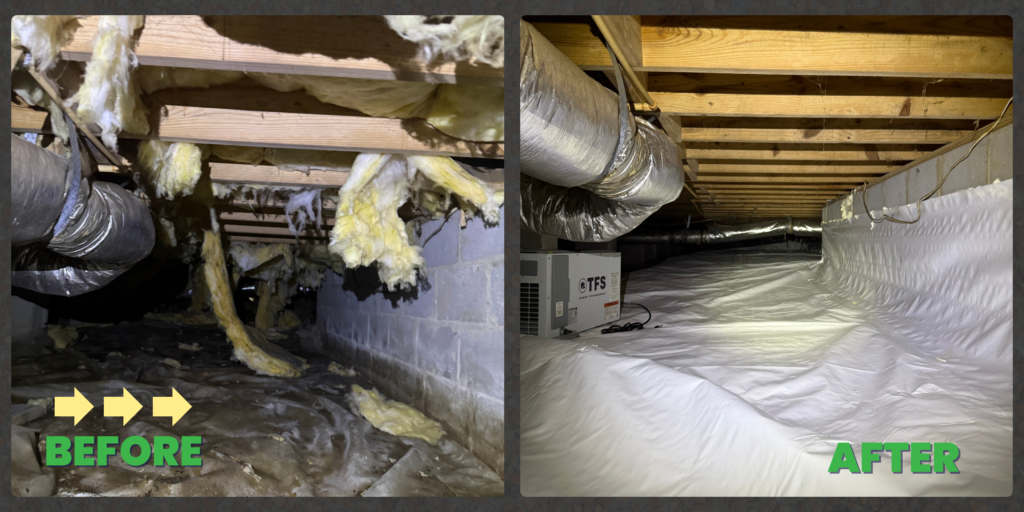
Think of a crawl space vapor barrier as a heavy-duty protective liner for the ground underneath your house. It’s not just a simple plastic sheet from the hardware store; it’s a durable, thick layer of polyethylene material, typically between 10 and 20 mil thick, that is professionally installed over the entire dirt floor of your crawl space. In many cases, it also extends up the foundation walls to create a completely sealed environment, a process often called encapsulation.
The main job of a vapor barrier is to stop one thing: moisture. The ground beneath your home naturally contains a lot of water, which evaporates and rises as water vapor. Without a barrier, this moisture seeps directly into your crawl space, creating a damp, humid environment. This persistent dampness is a recipe for disaster, leading to wood rot in your floor joists, mold growth that can affect your family’s health, and an open invitation for pests. Installing a vapor barrier is a critical first step in any effective crawl space repair plan. It transforms a damp, dirty space into a clean, dry, and healthy part of your home, protecting your investment from the ground up.
How Does a Vapor Barrier Work?
A vapor barrier works by creating an impermeable shield between the damp earth and the air in your crawl space. Just like a raincoat keeps you dry in a storm, this thick plastic sheeting physically blocks water vapor from rising out of the soil. By stopping moisture at the source, it keeps the entire crawl space environment significantly drier. This simple but powerful solution also helps block harmful soil gases, like radon, from entering your home and makes the area far less inviting for pests like termites, spiders, and rodents that thrive in damp conditions.
Key Benefits of Installing a Vapor Barrier
Installing a vapor barrier is one of the best things you can do for the long-term health of your home. First, it protects your home’s structure by preventing the moisture that causes wood rot in floor joists and beams. It also drastically improves your home’s indoor air quality by stopping mold and mildew growth, which eliminates that musty smell that can travel into your living spaces. A dry crawl space is also more energy-efficient, as your HVAC system won’t have to work as hard to heat and cool damp air. If you’re unsure about the condition of your crawl space, a free inspection can help identify if moisture is causing problems.
Do You Really Need a Vapor Barrier in Oklahoma?
If you’re an Oklahoma homeowner with a crawl space, you’ve probably wondered if a vapor barrier is a “nice-to-have” or a true necessity. Given our state’s humid climate and tendency for heavy rains, the answer is a resounding yes. An unprotected crawl space is an open invitation for ground moisture to seep into your home, creating a host of problems that go far beyond a damp, musty smell. Think of a vapor barrier as essential protection for your home’s foundation and your family’s health. It’s a proactive step that shields your home from the ground up, preventing costly repairs and creating a healthier living environment. Without this crucial layer, you’re leaving your home’s structural integrity vulnerable to the persistent moisture that is so common in our region.
Why Our Local Climate Puts Crawl Spaces at Risk
Oklahoma’s weather can be unpredictable, but one thing we can often count on is humidity. That moisture in the air, combined with our clay soil that holds water, creates a perfect storm for crawl space problems. The ground beneath your home naturally releases water vapor, and without a barrier, that moisture goes straight into your crawl space. This area is often dark and damp, making it prone to moisture accumulation. A vapor barrier acts as the first line of defense, preventing moisture from penetrating the wooden framework and other structural elements of your home. Over time, this constant dampness can lead to wood rot, compromising your floor joists and support beams, which is a serious issue for any homeowner. Proper crawl space repair starts with controlling this ground moisture.
Telltale Signs Your Crawl Space Needs Help
You don’t always have to crawl under your house to know there’s a moisture problem. Often, the signs will show up inside your home. A persistent musty odor that you can’t seem to get rid of is a classic indicator of mold or mildew growth in the crawl space. You might also notice your home feels uncomfortably humid, especially in the summer, forcing your air conditioner to work overtime. This can lead to surprisingly high energy bills. Other signs include condensation on your windows or seeing visible mold on surfaces in your crawl space. If any of these sound familiar, it’s a clear signal that your crawl space needs attention. The best way to know for sure is to get a professional opinion with a free inspection.
How to Choose the Right Vapor Barrier Thickness
When you start looking at vapor barriers, you’ll notice they come in different thicknesses, measured in “mils.” One mil is equal to one-thousandth of an inch. While that might sound tiny, the difference between a 6-mil and a 20-mil barrier is significant when it comes to protecting your home. Choosing the right thickness is key to ensuring your crawl space stays dry and healthy for years to come. Let’s walk through the most common options so you can find the perfect fit for your home.
6-Mil: The Standard Option
A 6-mil vapor barrier is the thinnest option you’ll typically find and is often the minimum thickness required by local building codes. Think of it as the baseline for crawl space protection. While it can be effective at blocking moisture in some situations, its thinness makes it prone to punctures and tears. If your crawl space has a rough dirt floor with rocks, roots, or concrete debris, a 6-mil liner can get damaged easily during installation or later on if you need to access the space. It’s a budget-friendly choice, but it may not offer the long-term durability your home needs.
10-Mil: A More Durable Choice
For a noticeable step up in strength, a 10-mil vapor barrier offers a great balance of durability and value. This thickness is much more resistant to punctures and can handle light to moderate foot traffic. If you plan to use your crawl space for storing seasonal items or need to access it for occasional maintenance, a 10-mil liner is a solid choice. It provides reliable protection without the higher cost of the thickest materials on the market. For many Oklahoma homeowners, this option hits the sweet spot, delivering dependable performance and peace of mind.
20-Mil: The Ultimate Protection
If you’re looking for the best possible defense against crawl space moisture, a 20-mil vapor barrier is the top-of-the-line solution. This heavy-duty material is exceptionally tough and designed to withstand significant wear and tear. It’s the ideal choice if your crawl space floor is particularly rough or if you plan to use the area frequently for storage or as a workshop space. At Vesta, our VestaGuard™ liner is a premium, reinforced 20-mil barrier that provides maximum protection against moisture, pests, and soil gases. It’s an investment in your home’s long-term health and structural integrity.
Matching the Thickness to Your Home’s Needs
So, how do you decide? The right thickness really depends on how you use your crawl space. If you’ll never go down there and the ground is smooth, a thinner barrier might suffice. However, for most homes, we recommend a liner that is at least 12 mils thick. If you plan to store belongings or have professionals working in the space, a thicker, more durable barrier like our 20-mil VestaGuard™ is the safest bet. A thorough crawl space repair plan starts with choosing the right materials. The best way to know for sure is to get a professional opinion.
What to Look for in a High-Quality Vapor Barrier
When you’re ready to protect your crawl space, you’ll find that not all vapor barriers are the same. The quality of the material and the system it’s part of will determine how well your home is protected from moisture, pests, and poor air quality. A cheap, thin plastic sheet from a hardware store simply won’t provide the same level of protection as a professional-grade system.
To make a smart investment for your home, you need to know what separates a basic liner from a truly effective one. It comes down to three key things: the durability of the material, its ability to resist mold and pests, and the strength of the warranty that backs it up. Focusing on these areas will help you choose a solution that keeps your crawl space dry and healthy for years to come.
Material Durability and Strength
A vapor barrier’s primary job is to be a protective layer that stops moisture and soil gases from entering your home from the ground. To do this effectively, the material needs to be tough. The thickness of the barrier, measured in mils, is a good indicator of its strength. While a 6-mil barrier might be acceptable for some very light-duty applications, a thicker material is always better for the long haul. Thicker barriers are much stronger and far less likely to get holes or tears during installation or from future foot traffic if you need to access the crawl space. A durable liner is the foundation of a successful crawl space repair project.
Mold and Pest Resistance
Moisture is a magnet for mold, mildew, and all sorts of pests, from insects to rodents. A high-quality vapor barrier makes your crawl space a much less inviting place for these unwanted guests. By sealing off the damp earth, you cut off the source of humidity that allows mold to grow and pests to thrive. This helps you avoid potential damage and some pretty gross encounters. Many top-tier vapor barriers also have antimicrobial properties built right in, offering an extra layer of protection against mold and mildew growth. This feature is crucial for maintaining healthier air quality throughout your entire home.
A Warranty You Can Count On
A strong warranty is a clear sign that a manufacturer stands behind its product. When you’re looking at different vapor barrier options, pay close attention to the warranty details. Professional-grade materials often come with impressive warranties, sometimes lasting 20 years or more. This long-term coverage protects you against product defects and gives you confidence that you’re installing a reliable, long-lasting solution. A company that offers a solid warranty is confident in its material’s ability to perform. When you schedule a free inspection, be sure to ask about the specific warranties on the products being recommended for your home.
What Does a Professional Vapor Barrier System Include?
When you invest in a professional vapor barrier, you’re getting much more than a simple sheet of plastic laid on the ground. A true professional system is a complete solution designed to fully isolate your crawl space from the earth and outside air, creating a clean, dry, and healthy environment under your home. It’s about transforming a damp, problematic area into a controlled space that supports your home’s structural integrity and improves your indoor air quality.
At Vesta, we call this our VestaGuard™ encapsulation system. It’s a comprehensive approach that addresses all sources of moisture, not just the ground. This involves using top-tier materials that are far superior to what you’ll find at a local hardware store. We also meticulously seal every seam, vent, and penetration to prevent any moisture intrusion. The goal isn’t just to cover the dirt floor; it’s to create a sealed envelope that protects your home for years to come. A professional crawl space repair tackles the entire environment, ensuring every component works together for maximum effectiveness. This integrated approach is what separates a temporary fix from a permanent solution.
Exploring the VestaGuard™ Encapsulation System
The VestaGuard™ system is designed to be a fortress against moisture. It starts with a heavy-duty, puncture-resistant liner that completely covers the floor of your crawl space and extends up the foundation walls. Unlike thin, flimsy plastic, our liner is built to withstand foot traffic and storage. We then mechanically fasten the barrier to the walls and seal every seam with specialized waterproof tape. This creates a continuous, airtight barrier that stops water vapor from the ground from ever entering your crawl space. By completely isolating the space, VestaGuard™ helps prevent mold growth, wood rot, and pest infestations, turning a damp, musty area into a clean and usable part of your home.
Why Professional-Grade Materials Matter
The quality of the materials used in your crawl space encapsulation makes all the difference. While you can buy a roll of plastic sheeting at a big-box store, these products are typically thin and prone to tearing, puncturing, and degrading over time. Professional-grade vapor barriers, like the one used in our VestaGuard™ system, are significantly thicker and are often reinforced for superior strength and durability. They are specifically engineered to resist mold, mildew, and pests. Choosing professional installation means you’re getting a product designed for the harsh conditions of a crawl space, ensuring your investment provides long-lasting protection. It’s the best way to guarantee the job is done right the first time.
Creating a Complete Moisture-Control Solution
A high-quality vapor barrier is the foundation of a dry crawl space, but it’s often just one part of a larger system. For a truly effective solution, we also need to address other sources of moisture. This typically involves sealing off crawl space vents to prevent humid Oklahoma air from getting in. We may also recommend adding thermal insulation to the foundation walls to control the temperature and prevent condensation. In some cases, a specially designed crawl space dehumidifier is the final piece of the puzzle, ensuring the air remains dry year-round. A professional assessment during a free inspection will determine exactly what your home needs for a complete moisture-control solution.
What Does a Crawl Space Vapor Barrier Cost?
Let’s talk about the bottom line. Investing in your home is a big decision, and you deserve to know what to expect when it comes to cost. The price of a crawl space vapor barrier isn’t one-size-fits-all; it depends on several key factors, including the size of your space and whether you tackle it yourself or bring in a pro. A vapor barrier is a crucial part of a complete crawl space repair strategy, protecting your home’s structure and air quality. Let’s break down what goes into the final price tag so you can make the best choice for your home and budget.
Factors That Influence the Final Price
The cost of a vapor barrier can vary quite a bit, typically ranging from a simple materials purchase to a full professional installation. The durable plastic sheeting, priced by the square foot, depends on the thickness you choose and the overall size of your crawl space, which are the biggest drivers of material cost. Beyond that, the condition of your crawl space plays a role. If it needs significant cleaning, leveling, or repairs before the barrier can be installed, that will add to the final price. A complete, high-quality encapsulation from a professional team is a more significant investment, but it provides a comprehensive solution for moisture control.
DIY vs. Professional Installation: A True Cost Comparison
It’s tempting to look at the cost of materials and think a DIY project will save you a lot of money. While you can buy the plastic and tape yourself, the true cost goes beyond the hardware store receipt. You have to consider the value of your time and the physically demanding work of installing a barrier correctly in a tight, uncomfortable space. A small mistake, like an unsealed seam or a tear, can let moisture in and completely undermine your efforts. Professional installation ensures the job is done right the first time. We use specialized tools and techniques to create a perfect seal, protecting your home from moisture, mold, and pests for years to come. Getting a free inspection can give you a clear picture of the professional cost.
Common Vapor Barrier Mistakes to Avoid
Installing a vapor barrier might seem like a straightforward weekend project, but a few common missteps can render it completely ineffective. When a vapor barrier fails, it’s not just the liner that’s wasted; your home remains vulnerable to the moisture, mold, and pests you were trying to prevent. The difference between a dry, healthy crawl space and a damp, problematic one often comes down to proper installation. From selecting the wrong materials to making critical errors during the setup, these mistakes can trap moisture instead of blocking it, potentially making the problem even worse.
Understanding these potential pitfalls is the first step toward ensuring your vapor barrier does its job correctly for years to come. A successful installation is about more than just laying down a sheet of plastic. It requires careful preparation of the space, meticulous sealing of all entry points, and integration with other moisture control systems. This is why a professional approach to crawl space repair is so important. It guarantees that every detail is handled correctly from the start, giving you a solution that truly protects your home’s foundation and indoor air quality.
Choosing the Wrong Material for the Job
One of the most frequent mistakes is grabbing a thin, cheap plastic roll from a local hardware store. While it might look the part, this material is not designed for the harsh conditions of a crawl space. It can easily tear, puncture, and degrade over time, leaving your home unprotected. A proper vapor barrier should be a heavy-duty, puncture-resistant liner specifically engineered for crawl space encapsulation. It’s also crucial to ensure the barrier is installed directly on the ground to stop moisture at its source. Using the wrong material is like building a boat out of cardboard; it simply won’t hold up against the constant pressure of ground moisture.
Critical Installation Errors That Cause Failure
Even with the right material, a poor installation will lead to failure. A common error is not properly sealing the seams between liner sheets or failing to secure the barrier to the foundation walls and support piers. Any gap, no matter how small, becomes an entry point for moisture. Another major mistake is leaving crawl space vents open. Many people believe vents help air out the space, but in Oklahoma’s humid climate, they actually invite moist air in, which can lead to condensation and mold. A successful system requires sealing off all outside air sources and creating a completely isolated environment.
Forgetting About Long-Term Maintenance
A vapor barrier isn’t a “set it and forget it” solution. Over time, it can be damaged by pests or by other contractors working in your crawl space. It’s important to inspect the barrier at least once a year for any rips, tears, or detached seams. Ignoring small issues can allow moisture to creep back in, undoing all the benefits of the system. If you’re not sure what to look for or simply want an expert opinion on the health of your crawl space, you can always request a free inspection. A quick check-up can catch problems early and ensure your home remains protected.
A Look at the Professional Installation Process
Seeing how professionals install a vapor barrier can give you a great appreciation for the details that ensure a dry, healthy crawl space. It’s not just about laying down a sheet of plastic; it’s a systematic process that transforms the entire environment under your home. From prepping the ground to sealing every last seam, each step is critical for creating a durable barrier against moisture. When you hire a team for crawl space repair, this is the level of care you should expect. Let’s walk through the key stages of a professional installation so you know exactly what a high-quality job looks like.
Preparing the Ground Surface
The first step is creating a clean slate. Before any liner goes down, the crew will clear out all debris, including construction trash, wood scraps, and sharp rocks that could puncture the vapor barrier. They will then rake the ground to create a smooth, level surface. If you have a dirt floor, a professional team often lays down a layer of pea gravel first. This isn’t just for looks; the gravel helps with drainage under the barrier and provides a smoother, more stable base, which can extend the life of the material. This careful prep work is foundational to a successful encapsulation.
Sealing All Seams and Vents
A vapor barrier is only effective if it’s completely sealed. Professionals use a specialized, 4-inch wide seam tape to seal every overlap, cut, and edge. This creates a single, continuous sheet that moisture can’t penetrate. A crucial part of this process involves sealing off the crawl space vents. Some homeowners worry this will trap moisture, but the opposite is true in an encapsulated space. Sealing the vents stops humid outside air from getting in, allowing a dehumidifier to control the climate inside effectively. This airtight approach is what truly separates a professional job from a DIY attempt.
Attaching the Barrier to Foundation Walls
To fully isolate the crawl space, the vapor barrier must run up the foundation walls and be securely attached. Professionals use a heavy-duty, double-sided butyl tape for this. They’ll mark a precise line on the wall, typically a few inches below the sill plate, to ensure the barrier is attached evenly. The butyl tape creates a permanent, airtight bond between the concrete wall and the liner. The installer will carefully press the vapor barrier into the tape, removing the backing a little at a time to ensure a perfect seal. This meticulous process prevents moisture from seeping in around the edges and is a key part of a complete foundation repair and protection strategy.
How to Maintain Your Vapor Barrier
Once your vapor barrier is installed, it’s easy to assume the job is done. But just like any other part of your home, it needs a little attention to keep performing at its best. A quick annual check-up can catch small problems before they turn into major headaches, saving you money and ensuring your crawl space stays dry and healthy. Think of it as simple preventative care for your home’s foundation. Taking a few minutes each year to inspect the barrier helps protect your investment and gives you peace of mind.
Your Simple Annual Inspection Checklist
Set a reminder to peek into your crawl space once a year. With a good flashlight, you can spot most issues quickly. Look for musty odors, which are a classic sign that moisture is getting in. Check for any visible mold or mildew growth on the barrier or surrounding structures. You should also look for condensation on pipes or the barrier itself. Finally, do a visual sweep of the plastic liner. Are there any obvious rips, punctures, or areas where the seams are peeling apart? Catching these early is key to effective crawl space repair and maintenance.
Spotting and Repairing Common Damage
During your inspection, you might find small punctures or tears. These can happen if someone has been working in the crawl space or if pests have tried to get through. Minor damage can often be patched with specialized vapor barrier seam tape. However, if you see widespread damage, standing water, or signs that the barrier was installed incorrectly in the first place, a simple patch won’t solve the underlying issue. These are signs that moisture is actively getting through. If you’re unsure about the extent of the damage, it’s always a good idea to get a professional opinion by scheduling a free inspection.
Knowing When It’s Time for a Replacement
Sometimes, a repair isn’t enough. If your vapor barrier has large tears, is brittle from age, or is a thin, low-quality material (like a standard 6-mil liner) that keeps getting damaged, it’s time for a replacement. Persistent high humidity, condensation forming under the barrier, and musty smells that return despite repairs are all clear signs that the system is failing. Upgrading to a thicker, more durable material is a long-term solution that provides better protection for your home. A properly installed, high-quality barrier is essential for complete crawl space encapsulation and moisture control.
Related Articles
- Vapor Barrier | Foundation Repair & Basement Waterproofing
- Moisture Barrier | Foundation Repair & Basement Waterproofing
- Humidity | Foundation Repair & Basement Waterproofing
- Crawl Space Dehumidifier | Foundation Repair & Basement Waterproofing
- Crawl Space Insulation | Foundation Repair & Basement Waterproofing
Frequently Asked Questions
Is a vapor barrier the same as crawl space encapsulation? Not exactly. A vapor barrier is a heavy-duty liner covering the crawl space floor and walls to block moisture. Encapsulation includes the vapor barrier, sealing vents and air leaks, and often installing a dehumidifier for complete moisture control.
Won’t sealing my crawl space vents cause mold? No. In Oklahoma’s humid climate, open vents can introduce excess moisture. Sealing vents and using a dehumidifier helps regulate humidity, reducing the risk of mold growth and wood rot.
Can I use my crawl space for storage after installing a vapor barrier? Yes! A professionally installed vapor barrier creates a cleaner, drier storage environment. For frequent access, a durable, puncture-resistant liner like Vesta’s 20-mil VestaGuard™ provides additional protection against damage.
How long does vapor barrier installation take? Most professional installations take approximately one to two days, depending on the crawl space’s size and condition. The process includes preparing the area, installing the liner, and sealing seams to prevent moisture intrusion.
Do I need a vapor barrier if my crawl space has a concrete floor? Yes. Concrete is porous and can allow ground moisture to enter your crawl space. Installing a vapor barrier helps reduce humidity, prevent musty odors, and protect your home’s structure.
Concerned about crawl space moisture? Contact Vesta Foundation Solutions today to schedule a FREE inspection and learn how a vapor barrier can protect your home!