
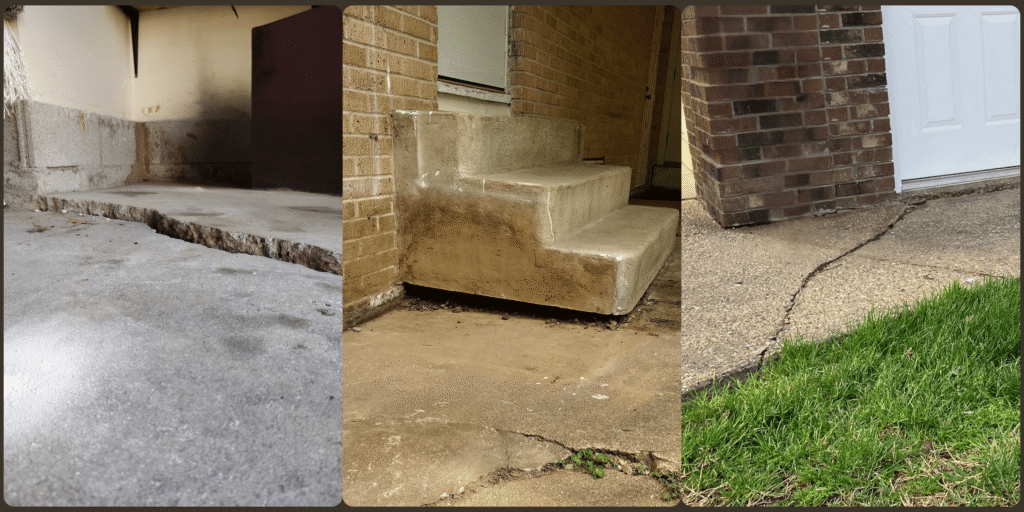
An uneven floor is more than just an annoyance; it can be a sign of bigger issues. Before you look for a fix, it’s important to understand the cause. Is it just a poorly poured slab, or is it a symptom of foundation settlement? For surface-level imperfections like minor dips, pitting, and waviness, self-leveling concrete is an amazing solution. This product creates a brand new, perfectly flat surface right on top of your old one. However, it’s crucial to remember that it’s a cosmetic fix, not a structural one. Pouring it over a sinking foundation is like putting a bandage on a broken bone. We’ll show you how to use this product effectively while also helping you spot the warning signs that mean you should call a professional for a foundation inspection first. Learn more about concrete slab lifting.
Key Takeaways
- Address the root cause first: Self-leveling concrete creates a beautiful, smooth surface, but it cannot fix underlying foundation settlement or moisture issues. If you see large cracks or signs of dampness, get a professional inspection before covering up a bigger problem.
- Your prep work determines your success: For a durable, long-lasting finish, you must start with a clean, repaired, and properly primed surface. Skipping the primer is a common mistake that prevents the new layer from bonding correctly, leading to failure.
- Plan for a fast-paced application: This product begins to harden in as little as 10 minutes, so there is no time to hesitate once you start mixing. Have all your tools ready and work with a partner to ensure you can pour and spread the material before it sets.
What Is Self-Leveling Concrete?
If you’ve ever dealt with a sloped or uneven concrete floor, you know how frustrating it can be. Maybe your furniture wobbles, or you can see visible dips and hills across your basement floor. Getting a perfectly flat surface is key, especially if you plan to install tile, laminate, or vinyl flooring, which all require a level base to look good and last long. This is where self-leveling concrete comes in. Think of it as a smart, sophisticated solution for creating a smooth, level surface over an existing concrete slab.
It’s a specialized, polymer-modified cement product designed specifically for interior floors. Unlike traditional concrete, it has a much thinner, more flowable consistency. This allows it to spread out and fill in low spots with minimal effort, creating a flat and durable new surface. It’s an ideal underlayment for finishing a basement or preparing a garage floor for an epoxy coating. While it’s fantastic for smoothing out imperfections, remember that it’s a surface solution. If your uneven floors are caused by underlying settlement, you may need to address the root cause with professional foundation repair first. Ignoring the source of the problem can lead to more significant issues down the road, so it’s always best to get a professional opinion if you suspect a deeper issue.
How Does It Level Itself?
The magic of self-leveling concrete is in its liquid-like consistency. When you mix it, the result is something closer to a thick pancake batter than the chunky concrete you might be used to. When you pour it onto the floor, gravity takes over. The mixture flows into dips, valleys, and imperfections, automatically finding its own level and creating a uniform surface. While it does most of the work on its own, it needs a little guidance. Professionals use special tools like a gauge rake to spread the material to the desired thickness and a smoother to gently break any surface tension. This ensures a seamless, glass-like finish without the intensive troweling required for standard concrete.
What’s In It?
Self-leveling concrete is a high-performance blend of Portland cement, very fine sand, and a mix of special chemical additives called polymers. These polymers are the key ingredient, acting as superplasticizers that allow the mixture to flow easily without adding excess water, which would weaken the final product. This carefully balanced formula is what gives the material its unique properties: rapid setting times, high flowability, and impressive strength. In fact, once cured, self-leveling concrete is typically just as strong, if not stronger, than the original concrete slab it covers. It’s a durable and reliable way to get the perfect base for your new flooring.
Why Use Self-Leveling Concrete?
If you’re dealing with an uneven concrete floor, you know how frustrating it can be. Whether you’re trying to install new flooring or just want a usable surface, those dips and slopes can stop a project in its tracks. Self-leveling concrete is a fantastic solution that addresses these issues head-on. It’s a specialized, polymer-modified cement designed to flow easily and settle into a perfectly flat, smooth surface with minimal effort.
Think of it as a smarter, more efficient way to handle floor leveling. Instead of spending hours on your hands and knees with a trowel, you pour the mixture and let gravity do most of the work. This modern approach not only saves a significant amount of time but also delivers a high-quality, durable finish that’s hard to achieve with traditional methods. It’s an ideal choice for preparing a subfloor for tile, vinyl, or wood, or even for creating a finished wear surface in a basement or garage. For homeowners in Oklahoma facing uneven floors due to foundation shifts, it’s an essential part of a complete foundation repair strategy.
Save Time and Effort
One of the biggest advantages of self-leveling concrete is its efficiency. The unique, high-flow formula means it spreads across the floor and fills in low spots on its own, requiring very little manual spreading or troweling. This dramatically cuts down on the physical labor involved in leveling a floor. Plus, it sets incredibly fast. While traditional concrete can take a day or more before it’s ready, you can typically walk on a self-leveled surface in just two to four hours. This quick turnaround time means you can move on to the next phase of your project, like installing flooring, much sooner, minimizing disruption to your home.
Get a Flawless, Professional Finish
Achieving a perfectly flat surface is the main goal of any floor-leveling project, and this is where self-leveling concrete truly shines. As the mixture spreads, it seamlessly fills dips, covers cracks, and creates a single, monolithic surface without any trowel marks or seams. The result is a smooth, glass-like finish that’s ready for anything. This pristine underlayment is crucial for the final flooring you install on top. Tile won’t crack, vinyl won’t show imperfections, and hardwood will lay flat and stable. This professional-grade finish not only looks better but also helps your new floors last longer.
Works on a Variety of Surfaces
Self-leveling concrete is incredibly versatile. It’s not just for pouring a new subfloor; it’s also an excellent solution for rejuvenating old, damaged concrete. You can apply it over existing concrete slabs in basements, garages, or even as part of a crawl space repair to create a clean, level surface. It bonds well to properly prepared concrete, making it perfect for fixing floors that are cracked, pitted, or uneven from years of wear and tear. This adaptability makes it a go-to product for a wide range of residential and commercial projects, offering a reliable fix for both new construction and renovation jobs.
When Is Self-Leveling Concrete the Right Choice?
Self-leveling concrete is an amazing product, but it’s a specific tool for a specific job. Think of it as a finishing product, not a structural one. It’s designed to correct surface imperfections on interior concrete slabs, creating a smooth, flat, and durable new surface. It’s the perfect solution when the underlying concrete is sound, but the surface is not.
However, it’s important to know that self-leveling concrete won’t fix deep structural problems. If your uneven floors are caused by a sinking or settling foundation, pouring a new layer on top is only a temporary cosmetic fix. The underlying issue will continue, and your new surface will eventually crack and fail. That’s why it’s crucial to identify the root cause of the problem before deciding on a solution. If you suspect deeper issues, a professional foundation inspection is the best first step.
Fixing Uneven Concrete Floors
If you’re dealing with a concrete floor that’s pitted, slightly wavy, or has minor cracks and low spots, self-leveling concrete is an excellent fix. This polymer-modified cement product flows easily into imperfections to create a perfectly smooth and level surface with minimal effort. It’s specifically designed to restore the integrity and appearance of interior concrete floors that have seen better days. By pouring a new, thin layer, you can erase years of wear and tear, making an old slab look brand new again. This is ideal for garage floors, workshop areas, or any interior room where the concrete itself is the final surface.
Prepping for New Flooring
Installing new flooring like luxury vinyl plank, laminate, or large-format tile? A perfectly flat subfloor isn’t just a recommendation; it’s a requirement for a professional, long-lasting result. Even minor dips or high spots in the concrete can cause new flooring to separate, crack, or wear unevenly over time. Self-leveling concrete is the go-to solution for this. It creates a flawlessly smooth and durable base with high compressive strength, ensuring your new flooring adheres properly and looks great for years to come. It’s an essential prep step that protects your investment in new floors by giving them the stable foundation they need.
Perfect for Basements and Crawl Spaces
Basements and crawl spaces are notorious for having uneven, cracked, or damp concrete floors due to settling and moisture exposure. Self-leveling concrete is a game-changer for these areas. It can transform a rough, sloped basement floor into a smooth, usable surface, making it ready for finishing. This is a key step in any basement waterproofing or remodeling project. In a crawl space, applying a self-leveler can create a clean, stable surface that’s easier to move around on and is an important part of a full crawl space repair and encapsulation system. It helps create a clean slate for a healthier, more functional space.
How to Prep Your Surface for the Best Results
Think of applying self-leveling concrete like painting a room. The final result is only as good as your prep work. Taking the time to properly prepare your surface is the single most important thing you can do to ensure a smooth, durable, and long-lasting finish. Rushing this stage can lead to a weak bond, cracks, or an uneven surface, which is exactly what you’re trying to fix. A little extra effort upfront will save you a lot of headaches later. These steps are your roadmap to getting it right the first time.
Clean and Test for Moisture
First things first, your concrete surface needs to be completely clean. That means sweeping and vacuuming up all dust and debris. You’ll also need to remove any oil, grease, paint, or old adhesives that could prevent the self-leveler from sticking properly. The goal is a clean, dry, and sound substrate.
Moisture is another major factor. Self-leveling compounds don’t cure correctly on a damp surface. If you’re working in a basement or crawl space and notice persistent dampness or a musty smell, you might be dealing with more than just an uneven floor. These can be signs of a bigger water intrusion issue. If you suspect a problem, it’s wise to address the source of the water before covering it up. Our team can help identify the cause with a thorough crawl space repair or waterproofing plan.
Repair Cracks First
Self-leveling concrete is fantastic for smoothing out uneven floors, but it’s not a structural fix. It will fill and hide small cracks, but it won’t stop them from coming back or getting worse. If you pour the leveler over existing cracks without addressing them, they can eventually reflect through the new surface.
Before you pour, inspect the floor carefully. Fill any small, non-structural cracks with a suitable concrete crack filler and allow it to cure completely. If you see large, deep, or wide cracks, especially ones that are uneven from one side to the other, stop what you’re doing. This could indicate a serious problem with your foundation. Covering it up won’t make it go away. Instead, it’s best to get a professional opinion on foundation repair to ensure your home is on solid ground.
Why You Can’t Skip the Primer
After cleaning and repairing your surface, applying a primer is a non-negotiable step. Primer acts as the essential link between the old concrete and the new self-leveling compound. Old concrete is often very porous, and without a primer, it will absorb water from the self-leveling mix way too quickly. This rapid water loss prevents the leveler from curing correctly, leading to a weak bond, reduced strength, and even cracking.
The right primer seals the concrete slab, preventing water absorption and ensuring the self-leveling compound flows evenly and bonds securely to the substrate. Think of it as insurance for your project. Skipping this step almost guarantees a poor result, so be sure to use the primer recommended by the self-leveling concrete manufacturer.
Gather Your Tools and Materials
Having the right equipment on hand before you start mixing is the key to a smooth, stress-free project. A frantic search for a tool mid-pour is something we all want to avoid. Here’s what you’ll need to grab from the garage or the hardware store to get the job done right.
Mixing and Spreading Tools
Getting that perfectly smooth surface starts with the right tools. You’ll need a heavy-duty drill fitted with a mixing paddle to get the concrete to the right consistency, and a 5-gallon bucket is perfect for mixing. A helpful tip from experienced DIYers is to add slightly more water than the bag recommends to help the mixture flow better. Once you pour, you’ll use a gauge rake to spread the concrete to a uniform depth. After that, a smoother helps you work out any small bumps or lines, giving you that professional, glass-like finish.
Safety Gear You’ll Need
Let’s talk about safety, because it’s non-negotiable. The cement in self-leveling concrete can be harsh on your skin and eyes, so make sure you wear waterproof gloves and safety goggles. Long sleeves and pants are also a smart choice. When you start mixing, use a slower drill speed and keep the paddle under the surface of the mixture. This simple trick helps prevent air bubbles from getting trapped, which can create weak spots later on. Planning your project for a dry, mild day will also give you the best conditions for the concrete to cure correctly.
How Much Self-Leveling Concrete Do You Need?
Figuring out exactly how much self-leveling concrete to buy is one of the most important steps. Getting it wrong can mean a frantic trip back to the store mid-pour or being stuck with bags of unused material. The key is to move beyond a simple guess and do a few quick calculations. By measuring your space, determining the right thickness, and planning for a little extra, you can buy with confidence and set your project up for success.
Measure Your Space
First, you need to find the square footage of the area you plan to cover. Grab a tape measure and multiply the length of the room by its width. But don’t stop there. To get an accurate idea of how much product you’ll need, you have to account for the unevenness of the floor. Use a long bubble level (a six-foot one works great) to find the highest and lowest points of the slab. This will help you understand the depth you need to fill. As you identify the different depths, you can mark the areas you plan to pour so you have a clear visual guide when you start working.
Decide on the Thickness
The thickness of your pour won’t be uniform across the entire floor. Your goal is to apply enough self-leveling concrete to cover the highest point of the slab by at least 1/8 of an inch. The product will naturally flow into the lower areas, creating a new, level surface. Most self-leveling compounds can be poured up to an inch thick, but some can go as deep as five inches if you mix in a special aggregate. If you find your floor has deep depressions or requires a very thick pour, it could be a sign of underlying foundation issues that need a professional look.
Plan for a Little Extra
Here’s a pro tip for any home project: always buy a little more material than you think you need. It’s smart to add about 10% to your final calculation. This buffer accounts for any small measurement errors or unexpected surface irregularities, like porous spots in the concrete that might absorb more of the mixture. Having an extra bag on hand is much better than running out before the job is done. If your calculations suggest a significant slope or dip in your foundation, it’s wise to get an expert opinion. You can always request a free inspection to make sure a simple leveling is all you need.
Your Step-by-Step Guide to Application
Alright, you’ve done the prep work, and now it’s time for the main event. Applying self-leveling concrete is where you’ll see the magic happen. The key is to work methodically and efficiently, because once you start mixing, the clock starts ticking. Don’t worry, I’ll walk you through each step so you know exactly what to do. With the right approach, you can achieve that smooth, level surface you’re aiming for. Just remember to have all your tools and materials ready to go before you add that first drop of water.
Mix It Right: Getting the Perfect Consistency
Getting the mix right is the most critical step. If it’s too thick, it won’t flow properly, and if it’s too thin, it can become weak and shrink. Always follow the manufacturer’s instructions on the bag to the letter. For example, a common product data sheet might instruct you to add one 50-pound bag to about 4.5 to 5 quarts of clean water. Use a power drill with a mixing paddle attachment and mix for 3 to 5 minutes until it’s completely smooth and free of lumps. Resist the urge to add more water than recommended, as this can compromise the final strength of the concrete.
Pour and Spread Like a Pro
Once mixed, your self-leveling concrete should have a consistency similar to pancake batter. Start pouring it in the farthest corner of the room and work your way toward the exit. Pour in long strips to help the product flow and merge together seamlessly. While it does level itself, you’ll need to give it some help. Use a gauge rake or a squeegee to gently guide the mixture into corners and across the floor to your desired thickness. Keep a bubble level handy to check your progress as you go, which will help you see where you might need to add a bit more material.
Beat the Clock: Working Time and Temperature
Self-leveling concrete sets up fast, so you don’t have time to waste. Most products give you a working time of only 10 to 20 minutes before they start to harden. Temperature plays a big role here, too. You’ll want to apply it when the room and slab temperature are at least 50°F. If it’s too cold, the curing process can be affected. Because of the tight timeline, it’s best to work with a partner: one person can mix while the other pours and spreads. If the thought of racing against the clock on a large or complex project feels overwhelming, remember that professional concrete leveling is always an option.
Common Mistakes to Avoid
While self-leveling concrete is a fantastic solution, it’s not entirely foolproof. A few common errors can lead to a less-than-perfect finish or even bigger problems down the road. Knowing what to watch out for can help you get professional-quality results and avoid having to do the job twice. Being mindful of these potential issues will save you time, money, and frustration.
Mixing and Application Pitfalls
Self-leveling concrete sounds like it does all the work for you, but a few common missteps can turn a simple project into a real headache. Many homeowners find that mixing and applying it is more complex than it looks. If the mixture isn’t just right or the surface isn’t prepped correctly, the new layer can be prone to cracking or even crumbling. Another major pitfall is moisture. Self-leveling compounds aren’t designed for areas with high moisture levels. If you have a damp basement, you’ll need to address the underlying water issues with proper basement waterproofing before you can level the floor. Finally, rushing the curing process is a recipe for a weak, uneven surface. Each product has its own timeline, and patience is definitely a virtue here.
How Weather Can Affect Your Project
Believe it or not, the weather plays a huge role in the success of your project. For the best results, try to work on a dry, mild day. Extreme temperatures, high humidity, or even strong winds can interfere with how the concrete sets and cures. Hot and dry Oklahoma weather, for example, can cause the mixture to set way too fast. This gives you less time to spread it evenly, which can lead to bumps and an uneven finish. Planning your project around the forecast is one of the smartest things you can do to ensure a smooth application and a durable, long-lasting surface. Understanding these environmental factors is a key part of any professional foundation repair.
What to Expect as It Dries and Cures
After you’ve poured and smoothed the self-leveling concrete, the final step is simply to wait. But what exactly are you waiting for? The product goes through two main phases: drying and curing. Drying is when the water evaporates from the mixture, making the surface hard to the touch. Curing is the chemical process where the concrete gains its full strength and durability. Understanding the timeline for both is essential for a successful project, ensuring your new floor is strong, stable, and ready for whatever you put on top of it. It’s a bit like baking a cake; you can’t frost it the second it comes out of the oven. Patience here pays off with a floor that will last for years.
When Can You Walk On It?
One of the best features of self-leveling concrete is how quickly it becomes walkable. You won’t have to block off the area for days on end. Most products are formulated to dry fast, allowing you to walk on the surface in as little as two to four hours. This rapid drying time is a huge advantage, especially if you’re working in a high-traffic area of your home or trying to move a project along quickly. Just be sure to walk on it gently at first. While it’s hard enough for foot traffic, it’s still in the early stages of gaining strength, so it’s best to avoid dropping heavy tools or dragging equipment across the new surface just yet.
How Long Until It’s Fully Cured?
While you can walk on the floor within hours, it isn’t ready for the next step of your project. The full curing process, where the concrete reaches its maximum strength, takes longer. Before you can install any type of flooring like tile, vinyl, or wood, you need to let the concrete cure properly. This can take anywhere from four to 16 hours, but you should always check the specific product’s instructions. Rushing this step can trap moisture and lead to problems with your final flooring. If your original concrete was uneven due to deeper issues, this new surface is a great fix, but addressing the root cause with a professional foundation repair is the only way to ensure a lasting solution.
Know When to Call a Professional
While self-leveling concrete is a fantastic solution for many uneven floors, it’s important to know its limits. Think of it as a finishing tool, not a structural fix. It’s designed to create a smooth, level surface, but it can’t solve deeper problems with your foundation or subfloor. Applying it over a serious issue is like putting a fresh coat of paint on a crumbling wall; it looks good for a little while, but it doesn’t address the root cause.
Sometimes, an uneven floor is a symptom of a much larger problem, like foundation settlement or moisture damage. Covering up these signs can lead to more extensive and expensive repairs down the road. Before you start mixing, take a moment to assess the situation. If you spot any red flags or just feel like you’re in over your head, it’s always a smart move to get a professional opinion. A free inspection can give you peace of mind and ensure you’re making the right choice for your home.
Signs of Deeper Structural or Moisture Problems
Self-leveling concrete is a surface-level solution that can hide uneven spots, but it won’t fix what’s causing them. If your floor’s issues stem from moisture or foundation settlement, a cosmetic fix won’t last. In fact, self-leveling concrete is not always suitable for areas with high moisture. If you don’t address the water source first, the new layer can fail, trapping moisture and making the problem worse. Look for tell-tale signs like musty smells, damp spots on the concrete, or a white, powdery substance called efflorescence. Large, deep cracks, sloping floors, or doors and windows that stick are also indicators of a potential foundation problem.
Why a DIY Fix Isn’t Always the Answer
Even if you’ve ruled out a major structural issue, applying self-leveling concrete can be tricky. It’s not as simple as just pouring it out and watching it work its magic. The material has a very short working time before it starts to set, which can be challenging to manage. Improper mixing, poor surface preparation, or an incorrect application can lead to a weak, cracked, or crumbly surface that you’ll have to remove and start over. If you’re not confident in your prep work or your ability to work quickly and precisely, calling a professional is your best bet. They have the experience and equipment to get the job done right the first time.