
That new crack in your drywall or the bedroom door that suddenly won’t latch isn’t just your house “settling.” Here in Oklahoma, these are often the first signs of clay soil foundation issues. Our expansive clay soil is constantly swelling with rain and shrinking during droughts, putting immense pressure on your home. Many homeowners don’t connect these common annoyances to the ground itself. If you’re seeing these warning signs, schedule a free inspection. We’ll help you understand the problem and find the right steps to protect your property long-term.
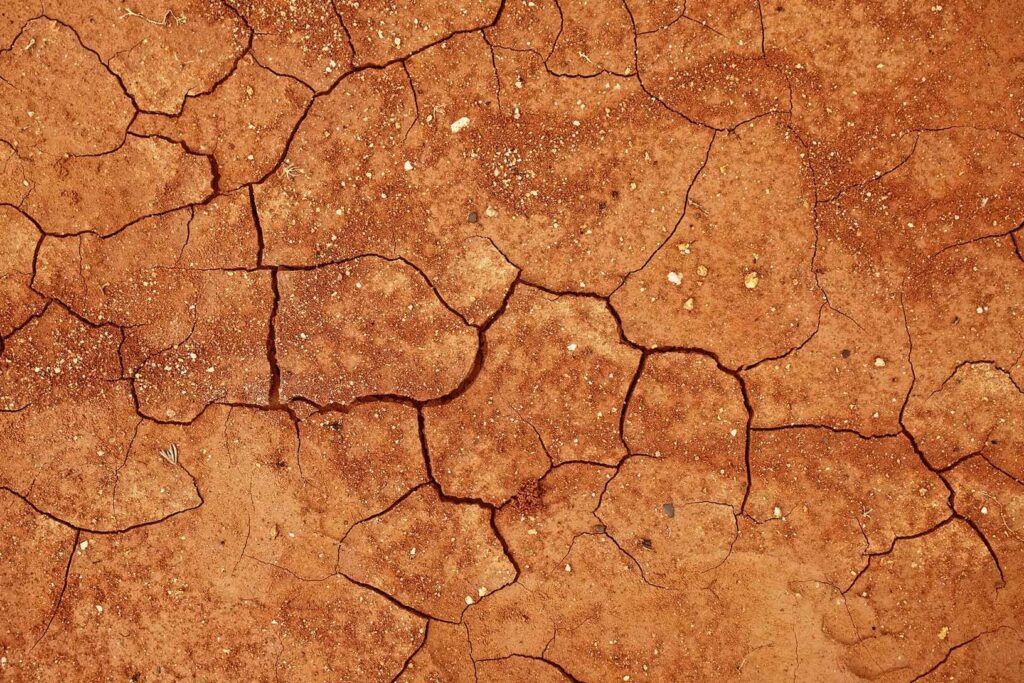
Is Oklahoma’s Red Clay Damaging Your Foundation?
Oklahoma soil foundation problems often begin below the surface, long before a crack appears in drywall or a door starts dragging against the frame. Much of central and eastern Oklahoma contains red clay soil with expansive minerals that react strongly to moisture changes. When the soil gets wet, it swells. When the weather turns hot and dry, it shrinks. That constant shrink-swell cycle can move the ground supporting a home.
For homeowners in Oklahoma City, Tulsa, Edmond, Norman, Broken Arrow, Stillwater, and nearby communities, this movement is not a rare event. It is part of the local environment. Vesta Foundation Solutions sees these patterns across Oklahoma because red clay, seasonal rainfall, drought periods, and aging homes all combine to create foundation stress.
This article explains why red clay is so active, how expansive soil foundation movement damages homes, what warning signs to watch for, and when a professional foundation inspection is the right next step.
Why Is Oklahoma Soil Red, Anyway?
Oklahoma’s red soil gets its color from iron-rich minerals. Over time, iron in the soil oxidizes, creating the reddish color many homeowners recognize in yards, construction sites, and exposed slopes. The color itself is not the problem. The bigger concern is the clay structure and mineral content behind many of these soils.
Clay particles are extremely small and flat. They hold water differently than sand or loam. In many Oklahoma soils, expansive clay minerals such as montmorillonite can absorb water between their layers. That makes the soil increase in volume during wet periods and contract during dry periods.
For a foundation, the issue is not simply that soil gets wet. The issue is uneven movement. If one side of a home sits above soil that is wetter, drier, more compacted, or more disturbed than the other side, the foundation may experience different pressures from one area to another.
What Is Expansive Soil?
Expansive soil is soil that changes volume as moisture levels change. In Oklahoma, expansive soil foundation movement is common because clay-heavy soils respond quickly to rainfall, poor drainage, irrigation changes, plumbing leaks, drought, and seasonal weather shifts.
When expansive clay absorbs moisture, it can push upward and sideways against slabs, footings, basement walls, and crawl space supports. When it dries, it can pull away from the foundation and leave gaps where support used to be. Both conditions can create stress.
- Wet soil expansion: Clay swells and can create upward pressure against the foundation.
- Dry soil shrinkage: Clay contracts and can reduce support beneath parts of the structure.
- Repeated cycling: The foundation may move slightly over and over until cracks, gaps, or settlement signs become visible.
Just How Much Can Clay Soil Expand?
It might be hard to believe, but some types of clay soil can swell up to 15 times their original dry size when they become saturated with water. Imagine the immense, slow-moving force this creates beneath your home. When this happens, the soil pushes upward and sideways against concrete slabs, footings, and basement or crawl space walls. Then, during Oklahoma’s dry spells, the soil shrinks, pulling away and leaving parts of your foundation without support. This constant push-and-pull movement is what causes the structural stress that eventually requires professional foundation repair to correct.
How Oklahoma’s Wet-Dry Cycle Affects Your Soil
Oklahoma weather makes clay soil movement more intense. A home may experience heavy spring rain, hot summer drought, sudden storms, and cold-season freeze-thaw stress within the same year. The soil under and around the foundation is constantly adjusting.
During rainy periods, water can collect near foundation walls or beneath low areas of the yard. If gutters discharge too close to the home, or if grading slopes toward the structure, the clay near the foundation can stay wetter than the clay farther away. This creates swelling pressure concentrated around the home.
During dry periods, clay soil loses moisture and contracts. Gaps may appear between the soil and foundation. Tree roots can add to the issue by pulling moisture from the soil. When the next round of rain arrives, water can run quickly into those gaps and create another abrupt change in soil volume.

How Expansive Clay Causes Foundation Problems
Foundation problems happen when the soil can no longer provide consistent support. Red clay soil can create several different stress patterns.
1. Uneven Foundation Settling
Differential settlement means one part of the foundation moves differently than another. One corner may drop slightly while another area remains stable. This can happen when dry clay shrinks under part of the home, when fill soil was not compacted evenly, or when drainage affects one side of the property more than the other.
2. Foundation Heaving or Lifting
Slab heave happens when swelling clay pushes upward against a concrete slab. Interior cracks, raised floor areas, and doors that suddenly stop fitting can sometimes point to heave-related movement.
3. Pressure on Basement Walls
When wet clay expands beside a basement or below-grade wall, it can push inward. Over time, this pressure may contribute to bowing, stair-step cracking, or wall movement. Homes with below-grade spaces need careful moisture management because clay soil can create sustained pressure after heavy rain.
4. Shifting Crawl Space Supports
Homes with crawl spaces can experience shifting support posts, sagging floors, or moisture-related wood damage when soil moisture changes are not controlled. In these cases, foundation support and crawl space conditions often need to be evaluated together.
Temporary Support in Crawl Spaces
Crawl spaces are particularly vulnerable to the effects of Oklahoma’s expansive clay. As the soil swells and shrinks, it can cause the support posts under your home to shift, creating uneven pressure and leading to sagging floors. You might notice a bounce in your step where there wasn’t one before. This movement means your home’s original support system is no longer reliable. While some might consider adding temporary jacks or posts, these are just band-aids that don’t address the unstable soil below. For a lasting solution, a professional needs to assess the situation and recommend a permanent crawl space repair plan that provides stable, long-term support for your home’s structure.
Spotting the Warning Signs of Foundation Trouble
Homeowners should watch for patterns, especially after major weather changes. Common warning signs include:
- Stair-step cracks in brick or masonry
- Cracks above doors, windows, or ceiling corners
- Interior drywall cracks that continue to widen
- Doors or windows that stick, drag, or will not latch
- Uneven, sloping, or bouncy floors
- Gaps between walls, ceilings, floors, or trim
- Cracks in garage slabs, patios, or driveways near the home
- Soil pulling away from the foundation during dry weather
- Water collecting near the foundation after rain
One small crack does not always mean structural failure. The concern is movement that continues, spreads, or appears in multiple areas of the home. Take photos, note the date, and watch whether the same crack changes after heavy rain or extended dry weather. Patterns over time can help a foundation specialist understand whether the home is still moving.
Not All Soil Is Created Equal
The ground beneath your home might seem solid and unchanging, but the type of soil it’s made of plays a huge role in your foundation’s long-term stability. While there are many soil types, they generally fall into three categories: clay, sandy, and loam. Here in Oklahoma, we deal with a lot of clay, and it’s not just any clay—it’s often expansive. This means it behaves like a sponge, absorbing huge amounts of water and swelling in volume during our wet seasons, only to shrink and crack when the summer heat dries it out. This constant cycle of expansion and contraction is what puts so much stress on a home’s foundation.
The real trouble starts when this movement is uneven. For a foundation, the problem isn’t just that the soil gets wet; it’s that one side of your house might be sitting on saturated, swollen clay while the other side is on drier, more compacted ground. This creates differential pressure, forcing one part of your foundation to move while another stays put. Over time, this uneven support can lead to cracks, settling, and other structural issues that require professional foundation repair. It’s a slow but powerful process happening right under your feet, driven by our state’s unique soil and weather patterns.
Comparing Clay, Sandy, and Loam Soils
To understand why Oklahoma homes are so susceptible to foundation issues, it helps to see how our native clay stacks up against other soil types. Clay soil, with its tiny, flat particles, holds water exceptionally well. This causes it to swell dramatically when wet and shrink when dry, creating the powerful movement that can damage foundations. Sandy soil is the opposite; its large particles allow water to drain through quickly. While this prevents swelling, it can also lead to instability and erosion, as the soil can wash away and fail to provide consistent support. Loam is the ideal soil for construction—a balanced mix of sand, silt, and clay that offers both good drainage and stable support.
Unfortunately, most of us aren’t building on perfect loam. Living on Oklahoma’s expansive clay means we have to be more aware of how the ground interacts with our homes. The constant push and pull from the soil is a major factor behind the cracks and settling many homeowners see. Understanding how the specific soil on your property is behaving is the first step toward a lasting solution. If you’re seeing the warning signs, having a professional evaluate the situation can give you a clear picture of what’s happening. You can request a free inspection to get an expert opinion on your home’s foundation and the soil around it.
Simple Steps to Protect Your Foundation
Expansive soil treatment starts with moisture control. The goal is to reduce dramatic wet-dry swings around the foundation so the soil behaves more consistently.
Improve Your Yard’s Drainage
Water should move away from the foundation. Downspouts should discharge away from the structure, and yard grading should not direct stormwater toward the home. Low spots near the foundation should be evaluated because standing water can keep clay soil saturated.
Proper Downspout Extension
One of the biggest sources of concentrated moisture is a downspout that dumps rainwater right beside the house. All the water collected from your roof gets funneled into one spot, creating a zone of super-saturated soil. For Oklahoma’s expansive clay, this is a recipe for trouble. The soil swells dramatically in that one area while the ground just a few feet away stays much drier, creating the uneven pressure that stresses your foundation. The solution is simple but effective: add extensions to your downspouts to carry water at least five to ten feet away from your home. This allows the water to disperse and absorb more evenly across your yard, preventing it from pooling where it can do the most damage. It’s a crucial step in any plan for effective basement waterproofing and foundation protection.
Keep Soil Moisture Levels Stable
During long dry periods, the soil around a home may shrink rapidly. A consistent moisture strategy can help reduce extreme contraction. The goal is balance, not overwatering.
Using Soaker Hoses and Sprinklers Strategically
A soaker hose is ideal for Oklahoma’s dry spells, providing slow, direct water to maintain moisture for expansive clay soil. Place it 18 to 24 inches from your foundation to avoid water pooling against concrete while hydrating support soil. Run it for a few hours twice a week, especially when it hasn’t rained, to keep the soil slightly damp. This prevents soil shrinkage, a common cause of settlement. If you notice gaps between the soil and your home, consult a professional to assess if further foundation repair is needed.
While sprinklers can also work, they are less precise. If you use them, adjust the heads so they don’t spray water directly onto your siding or foundation walls, as this can introduce moisture where you don’t want it. The key is consistency. A regular, light watering schedule during a drought is far more effective than deep, infrequent soaks. Check the soil with your hand; if it feels cool and slightly moist several inches down, you’re on the right track. Remember, this strategy is about preventing future stress. If you suspect that years of wet-dry cycles have already taken a toll, it’s best to have an expert take a look. You can request a free inspection to get a clear picture of your foundation’s health and what steps will best protect your home long-term.
Manage Trees and Shrubs Near Your Home
Large trees close to a home can draw significant moisture from clay soil. Root systems and soil moisture patterns should be considered when evaluating foundation movement.
Safe Planting Distances
A good rule of thumb is to plant trees at a distance from your home that is equal to their expected mature height. So, if a tree is projected to grow 40 feet tall, it should be planted at least 40 feet away. This is especially important for large, water-loving trees whose extensive root systems can pull a huge amount of moisture from the soil. When these roots draw water from the clay soil near your foundation, it can cause the soil to shrink and pull away, leaving that part of your home without adequate support. If you have existing mature trees close to your home, it’s a good idea to have a professional evaluate their potential impact on your foundation.
Installing Root Barriers
If you have a beloved tree that’s already established too close to your home, a root barrier can be an effective solution. These are underground panels, typically made of a durable material, installed in a trench between the tree and your foundation. The barrier doesn’t stop root growth but instead directs the roots to grow downward and away from the structure. This prevents them from drawing moisture from the critical soil zone supporting your home. Installing a root barrier is a precise job best left to professionals, as it involves trenching near both the tree’s root system and your foundation. It’s one part of a comprehensive strategy to protect your home, which often includes managing water with a proper foundation drainage system.
Repair Plumbing Leaks Promptly
Leaks under slabs or near the foundation can create localized soil expansion. If one area of the foundation is exposed to constant moisture, movement may become concentrated in that zone.
Keep Gutters Clean
Overflowing gutters dump water near the foundation during storms. Clean gutters and extended discharge paths are simple but important parts of foundation protection.
Seal Foundation Cracks Immediately
Even small foundation cracks should be sealed as soon as you spot them. An open crack is a direct pathway for water to get into or under your foundation. Given how Oklahoma’s expansive clay soil reacts to moisture, this can worsen the very problem that may have caused the crack. Water seeping through a crack saturates the soil, intensifying the shrink-swell cycle right where your foundation is most vulnerable. While sealing is a crucial step for moisture control, it’s also important to understand why the crack appeared. It’s a symptom of stress, and if that stress is from ongoing soil movement, the issue won’t go away on its own. Addressing the root cause is the only way to ensure a lasting foundation repair and protect your home’s structural integrity.
What to Do When You Already See Problems
Moisture management can reduce risk, but it cannot reverse every foundation problem. If the foundation has already settled, heaved, or shifted, repair may require a structural solution designed for the home’s soil conditions and damage pattern.
Vesta Foundation Solutions evaluates foundation issues through a free inspection process. A trained specialist looks at visible symptoms, soil conditions, drainage patterns, structural movement, and the type of foundation involved. From there, Vesta can recommend repair options such as pier systems, wall stabilization, crawl space supports, or related moisture management improvements when appropriate.
For homes affected by settlement, foundation repair may include helical piers or push piers designed to transfer the structure’s load to more stable soil layers. For crawl space-related movement, crawl space repair may be part of the solution. If water around the home is contributing to soil instability, basement waterproofing or drainage improvements may also be recommended.
Professional Solutions for Clay Soil Issues
While managing water around your home is a great first step, it might not be enough if your foundation has already shifted due to Oklahoma’s expansive clay. When you see clear signs of damage like significant wall cracks or uneven floors, it’s time to look at professional solutions. These repairs are designed not just to fix the current problem but to provide a long-term defense against future soil movement. The right approach depends entirely on your home’s specific situation, including the type of foundation, the soil composition, and the pattern of damage you’re seeing. This is why a thorough, professional evaluation is so important.
The main categories of professional repairs involve stabilizing the foundation, controlling water, or modifying the soil itself. Foundation underpinning uses steel piers to transfer the weight of your home to solid, stable ground far below the active clay. Advanced water management systems can capture and redirect water before it has a chance to saturate the soil around your foundation. In some cases, the soil immediately surrounding the foundation can be modified to reduce its expansive properties. A specialist can determine which combination of these solutions will provide the most durable and effective protection for your property. The first step is always a detailed inspection to diagnose the root cause of the issue.
Foundation Underpinning with Piers
If your home has already settled because of shrinking and swelling clay soil, the most reliable solution is often foundation underpinning. This process essentially gives your home new legs to stand on. Instead of resting on the unstable, active clay near the surface, the weight of the structure is transferred down to a layer of solid bedrock or stable, load-bearing soil. This is accomplished by installing strong steel piers at strategic points around your foundation. Underpinning provides a permanent solution to settlement by bypassing the problematic clay soil altogether, ensuring your foundation remains stable regardless of Oklahoma’s wet and dry seasons.
Helical and Push Piers
Two of the most trusted methods for underpinning are helical piers and push piers. Push piers are long steel pipes that are hydraulically driven through the unstable soil until they reach solid bedrock or a similarly dense layer. They provide incredible support and are an excellent long-term solution for homes experiencing significant settlement. Helical piers work like giant steel screws that are twisted deep into the ground. Their helical plates provide anchoring strength in various soil types. Because they are screwed in with minimal vibration, they are a great option for sites with sensitive landscaping or nearby structures. Both systems are key components of professional foundation repair and are designed to restore stability to your home.
Other Pier Systems
While push piers and helical piers are common, the world of foundation support includes a variety of systems. The best choice for your home depends on a number of factors that a foundation expert will assess. These include the total weight of your house, the specific soil profile beneath your property, and physical access to the areas that need support. For example, some piering systems are better suited for lighter structures like porches or additions, while others are engineered to support the load of a multi-story brick home. A qualified specialist will analyze these variables to recommend the pier system that offers the most effective and lasting support for your unique situation.
Advanced Water Management Solutions
Since water is the trigger for clay soil expansion, controlling it is fundamental to protecting your foundation. While cleaning your gutters and grading your yard are helpful, sometimes you need a more robust system to handle heavy rainfall or persistent groundwater. Advanced water management solutions are professionally installed systems designed to intercept water and move it safely away from your home. These systems work around the clock to keep the soil around your foundation from becoming oversaturated, which in turn prevents the immense pressure that swelling clay can exert on your basement or crawl space walls.
Foundation Drainage Systems
To prevent water from pooling against your foundation, a specialist might recommend an interior or exterior drainage system. These systems are designed to capture water before it can build up and create pressure. An interior drainage system, installed along the inside perimeter of your basement or crawl space, collects any water that seeps through and channels it to a sump pump. The sump pump then actively pumps the water out and away from your home. This type of basement waterproofing is highly effective for managing groundwater and preventing a wet, humid environment below your home, which is crucial for both structural integrity and indoor air quality.
Soil and Structural Modifications
In addition to supporting the foundation and managing water, another professional approach involves directly addressing the soil itself. If the expansive clay right next to your foundation is the primary cause of pressure and movement, modifying that soil can provide significant relief. These techniques focus on creating a more stable environment immediately surrounding your home’s foundation. By altering the soil or creating a buffer, these methods reduce the direct impact of the shrink-swell cycle on your foundation walls and footings, offering another layer of long-term protection for your home.
Soil Stabilization Techniques
The main goal of soil stabilization is to maintain a consistent moisture level in the clay around your foundation. While you can help with strategic watering during a drought, professionals can implement more targeted treatments. These methods are designed to reduce the soil’s ability to absorb large amounts of water and then shrink dramatically when it dries out. By minimizing these extreme volume changes, soil stabilization techniques help the ground behave more predictably. This creates a more stable base for your foundation to rest on, reducing the constant stress caused by Oklahoma’s weather cycles.
Backfilling with Stable Materials
Another effective technique is to create a buffer zone between your foundation and the expansive clay. This is done through a process called backfilling. It involves excavating the highly reactive clay from alongside your foundation walls and replacing it with a more stable material, such as gravel or a specialized soil mixture that doesn’t expand when wet. This new material allows water to drain away easily instead of being absorbed, and it won’t exert pressure on your walls. This method effectively separates your home from the surrounding active soil, protecting it from the powerful forces of swelling clay.
Why Local Expertise Is Key for Oklahoma Foundations
Oklahoma foundation problems are not generic. A repair plan should account for red clay soil, drought-to-rain cycles, local construction patterns, and the way different parts of the property handle water. A solution that does not address soil behavior may fail to control the underlying movement.
Vesta Foundation Solutions serves homeowners and property owners across Oklahoma with foundation repair, crawl space repair, basement waterproofing, and concrete services. The team understands how expansive clay affects homes in Oklahoma City, Tulsa, Edmond, and surrounding areas.
Why Do Some Homes Move More Than Others?
Two houses on the same street can respond differently to Oklahoma red clay soil. One home may show cracks while the next appears stable. That does not mean the soil is harmless. It usually means the foundation, drainage, landscaping, construction history, and soil moisture patterns are different.
Lot grading is a major factor. A home at the bottom of a slope may receive more runoff during storms. A home with compacted fill soil may have support conditions that vary from one side to the other. Additions, patios, driveways, and sidewalks can also change how water moves around the property.
Age matters too. Many Oklahoma homes were built before today’s soil preparation and drainage expectations. Over decades, repeated shrink-swell cycles can gradually expose weaknesses. That is why a foundation inspection should look at the whole property, not just one crack in one room.
The Role of Your Foundation Type
The type of foundation your home has plays a big part in how it interacts with expansive clay. Concrete slab and pier and beam systems respond differently to soil movement, and understanding your home’s structure can help you spot relevant warning signs. Different foundation designs have unique vulnerabilities when faced with the constant shrink-swell cycle of Oklahoma’s soil, making it important to know what to look for based on how your house was built.
Pier and Beam Foundations
Many homes in Oklahoma, especially older ones, rest on pier and beam foundations, which create a crawl space. This design is particularly susceptible to soil movement. As the clay beneath swells and shrinks, it can cause the support posts to shift out of place, leading to sagging, bouncy floors and doors that no longer close properly. Homes with crawl spaces can also experience moisture-related wood damage when soil moisture isn’t controlled. While managing water around your property is a great preventative step, it often can’t reverse existing structural movement. If you’re noticing uneven floors or other signs of shifting, it may be time for a specialist to evaluate your crawl space supports.
Foundations for New Construction on Clay
If you’re building a new home on Oklahoma’s clay soil, proactive planning is your best defense against future issues. The design and construction phase offers a critical opportunity to mitigate the risks of expansive soil. A successful repair plan must account for the soil’s behavior, local drought-to-rain cycles, and how the property handles water. A solution that does not address these specific soil behaviors may fail to control the underlying movement, leading to problems down the road. Ensuring the ground is properly prepared and the structure is designed to handle the shrink-swell cycle is the most effective way to protect your investment in a new home’s foundation.
What to Expect from a Foundation Inspection
A proper foundation evaluation should connect symptoms inside the home with soil and moisture conditions outside the home. The inspector should review where cracks appear, whether doors and windows are out of alignment, how floors feel, where water drains, and whether the soil is pulling away from the structure.
For Oklahoma properties, the inspection should also consider seasonal timing. A home inspected after a long dry spell may show different soil gaps than the same home after heavy spring rain. Good recommendations account for the pattern of movement, not just the condition on one day.
Vesta’s inspection process is built around education. The goal is to help homeowners understand whether the issue is cosmetic, moisture-related, structural, or a combination of several factors. That clarity matters because the right repair depends on the cause of movement.
Frequently Asked Questions
Does red clay always lead to foundation issues?
No. Red clay does not automatically mean a home will have foundation damage. Problems are more likely when expansive clay experiences uneven moisture changes, poor drainage, drought stress, plumbing leaks, or inconsistent support beneath the structure.
What really makes expansive soil move?
The main cause is moisture change. Expansive clay swells when it absorbs water and shrinks when it dries. Repeated wet-dry cycles can shift the support around a foundation.
Can better drainage really help my foundation?
Yes. Drainage improvements are often an important part of expansive soil treatment because they help reduce excess water near the foundation. However, drainage alone may not correct structural movement that has already occurred.
When is it time to call a professional?
Schedule an inspection if you see widening cracks, sticking doors, uneven floors, gaps around trim, soil pulling away from the foundation, or water collecting near the home after rain.
Schedule Your Free Foundation Inspection
Oklahoma red clay soil is part of living here, but foundation movement should not be ignored. If you are seeing signs of settlement, heave, wall movement, or moisture-related foundation stress, Vesta Foundation Solutions can help identify what is happening and what repair path makes sense.
Request your free inspection today and get a professional evaluation from a local team that understands Oklahoma soil foundation problems.
Key Takeaways for Oklahoma Homeowners
- Oklahoma red clay soil can expand when wet and shrink when dry.
- Expansive soil foundation movement is most damaging when moisture changes are uneven around the home.
- Warning signs include cracks, sticking doors, uneven floors, wall movement, and water collecting near the foundation.
- Drainage, gutter maintenance, balanced soil moisture, and prompt leak repairs can help reduce soil stress.
- If symptoms are spreading or returning after seasonal changes, a professional inspection is the safest next step.
The Role of a Geotechnical Engineer
While you don’t always need to hire a geotechnical engineer for a residential foundation issue, their expertise is the gold standard for understanding soil. These engineers are specialists who study how soil, rock, and water interact with man-made structures. For Oklahoma homeowners, their key insight relates to expansive clay. An experienced foundation contractor should apply the same principles, knowing how to assess the soil on your property and recommend a solution that works with it, not against it. A lasting foundation repair plan is always based on a deep understanding of the ground beneath your home, connecting the symptoms you see inside with the soil and moisture conditions happening outside.
Maintaining a Healthy Foundation Long-Term
Once you understand that Oklahoma’s clay soil is the root cause of many foundation issues, you can focus on a long-term strategy to manage it. The most effective approach centers on one thing: moisture control. The primary goal is to keep the moisture levels in the soil around your foundation as consistent as possible, reducing the dramatic shrink-swell cycle that puts stress on your home. This isn’t about a single fix but about creating a stable environment. It starts with smart water management, like ensuring your gutters are clean and your downspouts direct water far away from your foundation. Your yard’s grading should also slope away from the house, preventing rainwater from pooling against your walls.
Beyond managing rainwater, think about how you water your lawn and garden, especially during Oklahoma’s hot, dry summers. When the soil dries out, it shrinks and can pull away from the foundation, leaving it unsupported. A mindful watering routine can help prevent this extreme soil contraction. Also, be aware of large trees planted too close to your home, as their root systems can draw huge amounts of moisture from the soil, creating localized dry spots. If you have a basement or crawl space, managing moisture becomes even more critical. Persistent dampness can signal that you need a more robust solution, like professional crawl space repair or basement waterproofing, to protect both your foundation and the air quality inside your home.
The Importance of Regular Professional Inspections
Even with diligent maintenance, the forces of nature and time can still affect your home. That’s why regular professional inspections are so important. A trained specialist does more than just look at a crack; they connect the dots between the symptoms inside your home and the specific soil and water conditions outside. They can spot subtle patterns of movement that might go unnoticed and determine whether a small issue is a cosmetic quirk or an early warning sign of a bigger problem. Think of it as a wellness check for your home’s foundation. Getting an expert opinion helps you understand the complete picture of your property’s health and what’s needed to keep it stable for years to come.
Catching potential issues early is always the best approach. If you’ve noticed any of the warning signs we’ve discussed, or if you simply want peace of mind, scheduling a free, no-obligation inspection is a proactive step. At Vesta Foundation Solutions, our specialists are trained to evaluate how Oklahoma’s unique soil affects homes just like yours. We can help you understand what’s happening with your foundation and provide clear, straightforward advice on the best course of action, ensuring you have the information you need to protect your home.