Fix Foundation Damage Caused by Expansive Soils in Oklahoma City, Lawton & Nearby
Expansive soils foundation damage affects thousands of Oklahoma homes annually, with clay soil expansion causing over $2.3 billion in foundation damage nationwide each year. Oklahoma’s montmorillonite-rich clay soils experience some of the most severe expansive soil foundation damage in the United States, requiring specialized foundation repair solutions.
The Impacts of Expansive Soils
Many different factors can impact the soils around your foundation and cause damage to your foundation walls. The soils can shift and put a lot of pressure on your foundation, which can impact the structural integrity of your home. The amount of pressure put on your foundation is dependent upon the type of soil, the moisture content in the soil, and how far down your foundation goes into the soil.
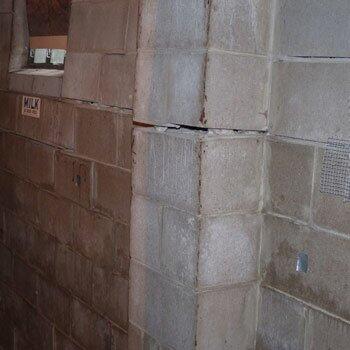
If your home was built on expansive soils, the structural stability of your foundation may be in jeopardy. Expansive soils can easily expand when they become wet and push up against your foundation, creating an immense amount of pressure and causing the walls to bow or crack. To fix your foundation problems, the soils must be addressed.
Our foundation experts at Vesta Foundation Solutions know how to address the problem soils to provide a permanent solution for your failing foundation. Contact us today to get your free inspection throughout Oklahoma City, Tulsa, Edmond, Lawton, Broken Arrow, Stillwater, and the nearby areas.
Oklahoma’s Expansive Soil Composition and Foundation Damage Potential
Oklahoma’s expansive soils create severe foundation damage through unique geological characteristics that distinguish them from soils in other regions. Understanding these soil properties helps homeowners recognize why standard foundation repair methods often fail in Oklahoma’s challenging environment.
Montmorillonite Clay Content and Foundation Damage
Oklahoma’s red clay soils contain 15-35% montmorillonite content, making them among the most expansive soils in North America. This clay mineral creates foundation damage through:
- Plasticity Index of 25-60: Far exceeding the 20+ threshold that defines highly expansive soils
- Shrink-swell potential of 6+ inches: Seasonal soil movement that exceeds most foundation tolerances
- Moisture sensitivity: Rapid expansion/contraction cycles that accelerate foundation damage
- Active clay depth of 8-15 feet: Deep clay layers that affect foundation stability well below typical footing depths
Regional Soil Variations Affecting Foundation Damage
Oklahoma City Metro: Predominantly Port-Godwin clay complex with extreme expansion potential Tulsa Area: Dennis-Okemah clay association with moderate to high shrink-swell capacity Edmond Region: Renfrow-Kirkland clay soils with very high plasticity and expansion rates
Seasonal Expansive Soil Movement and Foundation Damage Patterns
Understanding Oklahoma’s seasonal soil movement patterns helps homeowners anticipate when expansive soils foundation damage is most likely to occur and take preventive action.
Spring Foundation Damage Peak (March-May)
Soil Expansion Phase: Heavy spring rains cause rapid clay soil expansion
- Average moisture increase: 8-15% over 30-day periods
- Soil expansion rates: Up to 4 inches of upward pressure in 6-8 weeks
- Foundation damage types: Wall bowing, floor heaving, crack expansion
- Peak damage period: Late April through early June
During spring expansion, Oklahoma’s clay soils can exert over 5,000 pounds per square foot of pressure against foundation walls, often requiring immediate foundation wall repair [blocked].
Summer Foundation Damage Development (June-August)
Stabilization Phase: Moderate expansion with localized foundation damage
- Soil moisture levels: Gradually declining from spring peaks
- Movement characteristics: Differential settlement as soil dries unevenly
- Foundation damage progression: Existing cracks widen, new stress points develop
- Monitoring period: Critical time for foundation damage assessment
Fall Foundation Damage Acceleration (September-November)
Soil Contraction Phase: Rapid clay shrinkage creates foundation settlement
- Moisture loss rates: 10-20% reduction in soil moisture content
- Shrinkage patterns: Up to 6 inches of soil subsidence
- Foundation damage types: Settlement cracks, foundation dropping, structural separation
- Peak settlement period: October through early November
Fall soil contraction often requires push pier or helical pier installation [blocked] to provide deep foundation support beyond unstable clay layers.
Winter Foundation Damage Complications (December-February)
Freeze-Thaw Cycle: Additional stress on compromised foundations
- Soil stability: Relatively stable moisture content
- Temperature effects: Freeze-thaw expansion in surface soils
- Foundation damage impact: Widening of existing cracks and joints
- Repair timing: Optimal period for foundation damage assessment and planning
Preventing Expansive Soils Foundation Damage: Maintenance Guide
While you cannot eliminate expansive soils foundation damage entirely, proper maintenance significantly reduces the severity and frequency of foundation problems in Oklahoma’s challenging clay soil environment.
Moisture Management for Expansive Soils
Consistent Soil Moisture: The key to minimizing expansive soils foundation damage
- Foundation watering: Maintain 18-25% moisture content within 3 feet of foundation walls
- Watering schedule: Light, frequent watering during drought periods (15-20 minutes, 2-3 times weekly)
- Soil monitoring: Check soil moisture 2-3 feet from foundation monthly
- Seasonal adjustments: Reduce watering during rainy periods, increase during drought
Drainage Control: Preventing excess moisture that accelerates foundation damage
- Gutters and downspouts: Ensure water discharge 6+ feet from foundation
- Grading: Maintain 6-inch slope away from foundation over 10 feet
- French drains: Install where standing water threatens foundation stability
- Surface water management: Address pooling water within 20 feet of foundation
Foundation Monitoring for Early Damage Detection
Monthly Visual Inspections:
- Exterior walls: Check for new cracks, stair-step patterns, or wall separation
- Interior floors: Note any new slopes, cracks, or elevation changes
- Doors and windows: Test operation, noting any new sticking or gaps
- Foundation walls: Examine basement/crawl space walls for bowing or cracking
Seasonal Professional Assessments: Schedule professional foundation inspections during stable soil periods (mid-summer and late winter) to establish baseline conditions and detect progressive foundation damage.
Tree and Landscaping Management
Root Zone Control: Large trees significantly impact expansive soils foundation damage
- Safe distances: Plant large trees 20+ feet from foundation walls
- Existing trees: Monitor soil moisture changes caused by mature tree root systems
- Drought impact: Tree roots can remove moisture up to 50+ feet from trunk, causing severe soil shrinkage
Landscape Watering: Coordinate irrigation to support both plants and foundation stability
- Foundation zones: Maintain consistent moisture in 5-foot perimeter around foundation
- Plant selection: Choose native, drought-tolerant plants near foundation areas
- Mulching: Apply 2-3 inch mulch layer to reduce moisture evaporation
When Professional Foundation Repair Is Needed
Despite preventive maintenance, expansive soils foundation damage may still require professional intervention:
- Progressive foundation damage: Cracks that continue growing despite moisture management
- Structural problems: Doors/windows that won’t close, sloping floors, wall separation
- Recurring issues: Foundation problems that return seasonally
- Severe soil movement: Areas experiencing 4+ inches of seasonal soil movement
Contact Vesta Foundation Solutions for comprehensive foundation damage assessment and repair solutions designed specifically for Oklahoma’s expansive clay soils.
Get your FREE inspection now!
Disrupted Soil During Excavation
Ready to fix your failing foundation? Call Vesta Foundation Solutions at 1-405-213-0492 or click below to schedule an inspection with one of our foundation experts. We offer free inspections to residents in Greater OKC and the nearby areas.
Why Do Soils Expand?
Different types of soil can cause more damage than others when it comes to expansion. Clay soils tend to expand more when they become wet compared to sandy soils. Soils that contain a lot of sand can easily allow water to pass through them without being disturbed, but clay soils absorb the moisture and expand.
As the soils expand, it can put an immense amount of pressure on your foundation walls, known as hydrostatic pressure. This pressure can cause your walls to bow or buckle inward and jeopardize your home’s structural integrity.
Another culprit of foundation wall failure is frost heave. When water turns to ice during winter months, it increases in volume and can impact the soils around your foundation walls. If the soils are wet during a frost, the water will freeze and cause the soils to expand and put pressure on your foundation walls.
Our Customers
Think We’re the Best!
Schedule a Free Professional Inspection
Schedule a free inspection with one of our foundation repair professionals today!