
That small crack in the brick or a slightly sloping floor? It’s easy to dismiss it as your house just “settling.” In Oklahoma, that’s a risky assumption. Our active soil means even minor signs can point to a significant underlying problem that will only get worse. Putting off an inspection can lead to more extensive and expensive issues down the road. We’ll help you understand the truth about foundation issues and show you what a proper foundation repair Oklahoma plan looks like for a permanent solution.
Key Takeaways
- Watch for subtle warning signs: Common issues like small wall cracks, sticking doors, or a damp crawl space are often the first indicators of foundation movement, especially with Oklahoma’s challenging clay soil.
- Focus on a permanent solution: A true repair addresses the root cause, such as shifting soil, with professional methods designed for long-term stability; surface-level patches can’t fix the underlying problem.
- Act promptly to protect your home: Addressing potential foundation issues early prevents minor problems from becoming widespread structural damage, which helps maintain your home’s stability and value.
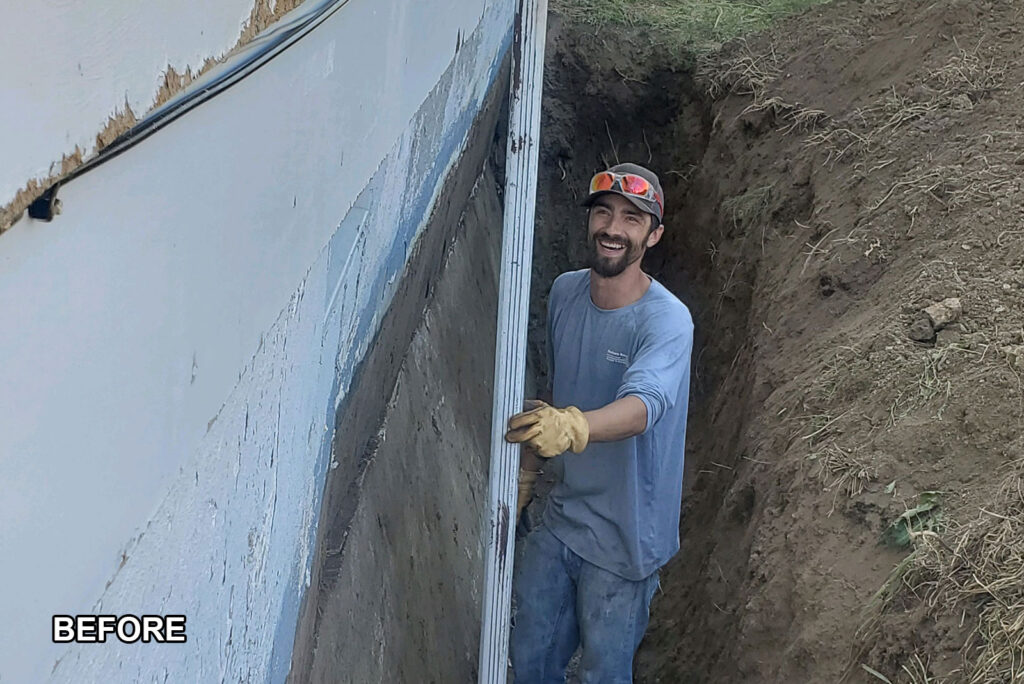
Is Your Oklahoma Home Showing These Foundation Warning Signs?
Your home often sends subtle signals when its foundation is in trouble. Because Oklahoma’s soil can be tough on structures, knowing what to look for is the first step in protecting your property. These common signs can help you identify potential issues before they become bigger problems. A professional can provide a thorough free inspection to confirm any suspicions.
Are Wall and Ceiling Cracks a Bad Sign?
Cracks in your drywall or ceilings are one of the most visible clues of foundation movement. Pay attention to cracks that appear over doorways and windows or where walls meet the ceiling. While a tiny hairline crack might be from normal settling, jagged or stair-step cracks in brick or concrete walls are a more serious warning. These often indicate that your foundation is shifting unevenly, putting stress on your home’s frame. Addressing the root cause with professional foundation repair is key to preventing further damage.
Do Your Floors Seem Uneven or Slanted?
Do you ever feel like you’re walking slightly downhill in your own hallway? Sloping or sagging floors are a strong indicator of foundation trouble. You might notice a gap between your floor and the baseboards, or a ball might roll on its own across the room. This unevenness happens when the supports beneath your floor have shifted or sunk due to foundation settlement (see our slab foundation repair guide). It’s a problem that tends to worsen over time, so it’s important to investigate why your floors are no longer level and what can be done to correct them.
Why Are Your Doors and Windows Sticking?
If your doors and windows suddenly become difficult to open or close, it’s not always because of the humidity. When a foundation shifts, it can twist and warp the frames of your home’s openings. You might see new gaps around your window frames or notice that a door doesn’t latch properly anymore. This misalignment is a classic sign that the structure is under strain from foundation movement. Check several doors and windows; if the problem is widespread, it’s a good idea to have your foundation checked by a specialist.
Is Your Crawl Space Damp or Musty?
That musty smell coming from your crawl space is more than just an unpleasant odor; it’s a major red flag for moisture problems. Here in Oklahoma, our expansive clay soil swells with moisture and shrinks when it dries, putting immense pressure on foundations. A damp crawl space indicates that water is getting in, which can lead to wood rot, mold growth, and a weakened foundation. Proper crawl space repair can manage this moisture, protecting the structural integrity of your entire home from the ground up.
Exploring Your Foundation Repair Options in Oklahoma
Once you identify foundation issues, understanding the solutions is crucial. In Oklahoma, unique soil conditions require specialized approaches. A professional can assess your situation during a free inspection and recommend the right method based on the root cause, such as soil settlement or water pressure. A clear diagnosis is essential. Key services restore foundation strength and stability, addressing underlying causes rather than just patching problems. For instance, filling a crack doesn’t solve the pressure causing it; true repair stabilizes the structure. Understanding these services helps you make informed decisions with a specialist, ensuring your home’s safety and security.
How Pier Systems Provide Lasting Stability
If your home is settling, a pier system can provide the deep, stable support it needs. Think of piers as underground stilts that transfer the weight of your house from the unstable topsoil to solid bedrock or load-bearing soil far below the surface. There are different types of piers, and a specialist can determine the best fit for your home’s specific needs and soil conditions. This method is one of the most reliable ways to address settlement, stopping cracks and other issues from getting worse. By getting to the root of the problem, a proper foundation repair with piers can permanently stabilize your home and prevent further damage.
Solutions for Bowing or Leaning Walls
Bowing or leaning basement walls are a serious sign of pressure from the soil outside. Ignoring them can compromise your home’s entire structure. The solution is to straighten and permanently secure these walls to prevent any more movement. Techniques like installing wall anchors or carbon fiber reinforcement strips can counteract the external pressure and add incredible strength. This process not only restores the wall’s integrity but also gives you peace of mind knowing your foundation is secure. Addressing bowing walls early is key to protecting your home’s structural health and ensuring it remains a safe, stable place for your family.
Understanding Hydrostatic Pressure
The force behind those bowing walls is often something called hydrostatic pressure. In simple terms, it’s the pressure that water in the soil exerts on your foundation. After a heavy Oklahoma downpour or even just from poor drainage, the ground becomes saturated. All that water has nowhere to go, so it pushes against your basement or crawl space walls with incredible force. This immense pressure is what can cause walls to crack, lean, or bow inward. It’s also one of the main reasons you might find water seeping through tiny gaps in the concrete, creating a damp, unhealthy environment that can lead to mold. If left unaddressed, this constant force can lead to serious structural problems for your home.
The most effective way to handle this issue is to relieve the pressure, not just patch the symptoms. A comprehensive basement waterproofing strategy does more than just seal leaks; it actively manages the water around your foundation. By installing an interior drainage system, we can intercept water as it enters and channel it to a sump pump. The sump pump then safely directs the water away from your home before it can build up and cause damage. This approach provides a long-term solution that protects your foundation from the constant stress of water pressure, keeping your basement dry and your structure secure. A professional can evaluate the situation during a free inspection and recommend the right system for your home’s specific needs.
Lifting and Leveling Uneven Concrete
Sunken or uneven concrete slabs aren’t just an eyesore; they can be a serious trip hazard on your patio, driveway, or in your garage. Instead of a costly and disruptive replacement, these slabs can often be lifted back into place. Modern techniques use a high-density polyurethane foam injected through small holes in the concrete. The foam expands, lifting the slab and filling any voids in the soil underneath. This process is fast, clean, and the concrete is usually ready to use the same day. It’s an effective way to restore your concrete surfaces, improving both the safety and appearance of your property.
Why Crawl Space Encapsulation Is a Smart Move
A damp, musty crawl space is more than just unpleasant—it’s a threat to your foundation and your home’s air quality. Moisture in the crawl space can lead to wood rot, mold growth, and pest infestations. Crawl space encapsulation is the most effective way to seal out moisture for good. This process involves lining the floor and walls with a heavy-duty vapor barrier, sealing vents, and often adding a dehumidifier. The result is a clean, dry space that protects your foundation from water damage and creates a healthier environment throughout your entire home. It’s a proactive step that safeguards your home’s structure from the ground up.
How Much Does Foundation Repair Cost in Oklahoma?
One of the first questions homeowners have when they spot a foundation problem is about the investment required to fix it. Because every home is unique and every foundation issue has its own cause, there isn’t a single, flat-rate answer. The solution must be tailored to the specific problem your home is facing. Understanding the factors that shape a repair plan can help you feel more confident as you move forward. A professional assessment will break down exactly what your home needs and why, giving you a clear picture of the project from start to finish.
The goal is always to find a permanent solution, not a temporary patch. This means looking beyond the visible symptoms, like a crack in the brick, to identify and address the underlying cause, whether it’s soil movement, water issues, or something else entirely. The complexity of the repair, the materials needed, and the specific techniques used all come together to form the final plan. Think of it less as a standard service and more as a custom-built solution designed to restore your home’s stability and your peace of mind. In the following sections, we’ll explore the key factors that influence the scope and details of a foundation repair project here in Oklahoma City.
What Determines the Final Price?
The investment for foundation repair varies widely because the solutions are customized for each home. A project to seal a few minor cracks is very different from a plan to stabilize a home that has settled significantly. The final price depends entirely on the nature and severity of the problem. The only way to determine what your home truly needs is with a professional evaluation. A trained specialist can diagnose the root cause of the issue and recommend a precise, effective solution. This is why a detailed, on-site evaluation is the necessary first step before any work begins.
How the Extent of Damage Affects Cost
Several key elements influence the scope of a foundation repair project. The type of foundation your home has, whether it’s a concrete slab or a pier and beam system, is a primary factor. The extent of the damage also plays a major role; addressing a single hairline crack is much less involved than correcting a foundation that has sunk several inches. We also consider how easy it is to access the affected area, as things like decks, patios, or extensive landscaping can add complexity. Finally, the specific repair method required for a permanent solution will shape the overall plan.
How Oklahoma’s Soil Affects Repair Costs
Here in Oklahoma, we can’t talk about foundations without talking about our soil. Much of the state rests on expansive clay soil, which acts like a sponge. It swells dramatically when it absorbs water and shrinks just as much when it dries out. This constant cycle of expansion and contraction puts immense, ongoing pressure on your home’s foundation, leading to cracks, shifting, and settlement. This is also why effective water management around your property is so critical. A repair plan that accounts for our unique soil conditions is essential for a lasting solution that protects your home for years to come.
Why Oklahoma’s Soil is Tough on Foundations
If you’ve noticed signs of foundation trouble, you might be wondering what’s causing it. More often than not, the answer is right beneath your home. Oklahoma’s unique soil composition and weather patterns create a challenging environment for foundations. The ground under your house is constantly moving, and over time, that movement can lead to significant structural issues. Understanding these local conditions is the first step toward protecting your property.
Why Expansive Clay Soil Is a Foundation’s Enemy
Much of Oklahoma is built on expansive clay soil. Think of this soil like a sponge: it swells up when it absorbs water and shrinks dramatically as it dries out. This constant cycle of expansion and contraction exerts incredible pressure on your home’s foundation. When the soil swells, it can push your foundation upward, and when it shrinks, it can pull away, leaving parts of the foundation unsupported. This uneven movement is a primary cause of cracks, settling, and other serious foundation problems that many local homeowners face.
How Weather Shifts Affect Your Foundation
Oklahoma’s weather is known for its extremes, from heavy spring rains to long, dry summers. These seasonal shifts are what fuel the movement of expansive clay soil. During wet periods, the soil becomes saturated and expands, pushing against your foundation walls and slab. Then, during a drought, the soil dries out and contracts, creating gaps that can cause your foundation to settle or sink. This relentless cycle of push and pull weakens your home’s structure year after year, making it vulnerable to damage.
Why OKC Homes Are at Higher Risk
The combination of expansive clay soil and a volatile climate puts homes in the Oklahoma City area at a particularly high risk for foundation issues. Even a well-constructed home can struggle to withstand the powerful forces of nature at play. These environmental factors mean that homeowners here need to be especially vigilant about their home’s structural health. If you’re concerned about how the soil is affecting your property, the best course of action is to schedule a free inspection with a specialist who understands our local conditions.
When Is the Best Time for Foundation Repair?
You might be wondering if there’s a “best” season to tackle foundation issues. While the most important thing is to act as soon as you notice a problem, some seasons do offer distinct advantages for the repair process. In Oklahoma, where our weather swings from one extreme to another, the time of year can influence soil conditions, which in turn affects how easily and accurately a specialist can assess and fix the problem. The ground beneath your home is most stable during certain months, providing a clearer picture of the underlying issues. However, a true professional can perform effective repairs year-round. The key is not to delay. If you see warning signs, the right time to get an expert opinion is now, regardless of what the calendar says.
Why Winter Can Be an Ideal Season
It might seem counterintuitive, but winter can be a great time for foundation work. The cold weather tends to stabilize the soil, minimizing the expansion and contraction cycles that happen during warmer, wetter months. As one expert notes, “Cold weather keeps the soil from moving much. This stable condition makes it easier for experts to check for damage and fix it properly.” When the ground is less active, a specialist can get a more accurate reading of your foundation’s condition. This allows for a precise diagnosis and ensures the chosen repair method is perfectly suited to the problem, providing a reliable, long-term solution without the interference of shifting soil.
How Other Seasons Affect Your Foundation
Oklahoma’s other seasons bring their own challenges. As we know, “During wet periods, the soil becomes saturated and expands, pushing against your foundation walls and slab. Then, during a drought, the soil dries out and contracts, creating gaps that can cause your foundation to settle or sink.” Spring rains can oversaturate the ground, while intense summer heat can cause the soil to pull away from your home. While these conditions highlight existing foundation vulnerabilities, they also mean the ground is in a constant state of flux. Repairs can absolutely be done during these times, but it underscores the need for a specialist who understands how to work with our state’s dynamic expansive soils, no matter the season.
Does Homeowners Insurance Cover Foundation Repair?
This is one of the most common questions we hear, and the answer is often more complicated than homeowners would like. In short, coverage depends entirely on the cause of the damage, not the damage itself. Standard homeowners insurance policies are designed to protect you from sudden and accidental events, but they typically don’t cover issues that develop over time due to maintenance, wear and tear, or natural soil movement. Because many foundation problems in Oklahoma are tied to our expansive clay soil, they often fall into categories that insurance providers exclude. It’s essential to understand what your specific policy says. Before you assume you’re covered, it’s wise to review your documents and have a clear conversation with your insurance agent to understand the fine print and any limitations that may apply to your situation.
What Insurance Typically Excludes
Most standard homeowners insurance policies have specific exclusions for common causes of foundation damage. According to Experian, “Many common causes of foundation damage are not covered by standard homeowners insurance.” This often includes problems resulting from poor construction, earth movement like earthquakes or sinkholes, floods, and general wear and tear. For many Oklahomans, the most relevant exclusion is damage from soil settlement or expansion, which insurers often classify as a maintenance issue rather than a sudden, covered event. This means that cracks, settling, and bowing walls that develop gradually due to our challenging soil conditions are typically not covered by a standard policy, leaving the homeowner responsible for the repairs.
When Your Policy Might Provide Coverage
So, when might your insurance step in? As a general rule, “Homeowners insurance usually pays for foundation repairs only if the damage was caused by an event that your policy covers.” These events, often called “covered perils,” are specific, sudden, and accidental incidents named in your policy. For example, if a tornado damages your home and its foundation, the repairs would likely be covered. The same might be true if a pipe suddenly bursts and the water flow erodes the soil beneath your house, causing it to sink. The key is that the damage must be a direct result of a covered event, not a pre-existing issue or a problem that developed slowly over time. Always document everything and contact your insurer immediately if you believe the damage qualifies.
How to Choose the Right Foundation Repair Company in Oklahoma
Finding the right contractor for a major home project can feel overwhelming, especially when it involves something as important as your foundation. You need a team you can trust to do the job right and stand by their work. Taking the time to vet your options will give you confidence in your decision and peace of mind for years to come. Focus on a few key areas: their inspection process, local expertise, and professional credentials. These markers will help you identify a reliable partner dedicated to protecting your home.
Ask About Free Inspections and Certifications
A trustworthy foundation repair company should be willing to assess your home’s situation before asking for any commitment. Look for professionals who offer a free inspection to diagnose the root cause of the problem. This initial step shows they are focused on providing an accurate solution, not just a quick sale. During this assessment, a specialist should thoroughly examine your property, explain their findings in a way you can understand, and answer all of your questions.
Beyond the initial consultation, check for industry certifications. Credentials from recognized organizations show that a company is committed to high standards and that its team is trained on the latest techniques and products. A certified specialist has proven knowledge, ensuring your home is in capable hands.
Why Local Oklahoma Experience Matters
Oklahoma’s unique soil and weather patterns demand specific expertise. A company with a long history of working in the Oklahoma City area will have firsthand experience with the challenges local homes face, from expansive clay soil to seasonal shifts. Check online reviews and their Better Business Bureau rating to get a sense of their reputation in the community. A solid local track record is one of the best indicators of reliability.
The quality of the materials used is just as important as the team installing them. Ask about the products they use for foundation repair and whether they are designed to provide a permanent solution. A reputable company will use proven, high-quality systems and be able to explain why they are the right choice for your specific problem.
Confirm They’re Licensed, Insured, and Offer Warranties
Before signing any contracts, make sure the company is fully licensed and insured. This is a critical step that protects you from any liability in case of an accident on your property. A professional contractor will readily provide proof of their credentials. Also, take time to carefully review the contract and ensure all aspects of the project are clearly outlined.
Finally, a company that is confident in its work will offer a strong warranty. Ask about the warranties they provide for both their labor and the products they install. Understanding the terms of the warranty will give you long-term assurance that your investment is protected. A clear warranty and transparent contract are hallmarks of a company that values its customers and stands behind its solutions.
Look for an Honest, No-Pressure Approach
Foundation repair is a significant undertaking, and the last thing you need is a high-pressure sales pitch. The right company will act as an educational partner, not a salesperson. Their primary goal should be to help you understand exactly what’s happening with your home. When a specialist visits, they should be there to diagnose the problem and explain the solutions, not to use fear to push you into a quick decision. A trustworthy expert will walk you through their findings, show you the problem areas, and clearly explain why a particular repair is recommended for your home’s specific needs. You should feel empowered with knowledge, not cornered into a contract. This is why it’s so important to start with a comprehensive, no-obligation free inspection that focuses on providing value and clear answers.
Ensure They Have a Thorough Cleanup Process
Let’s be honest: foundation work can be messy. It often involves excavation and moving materials around your property. A truly professional company understands that the job isn’t finished until your home and yard are left in great condition. Before you hire anyone, ask about their cleanup process. Do they have a specific procedure for backfilling soil, tidying up landscaping, and removing all debris? A team that takes pride in leaving your property clean demonstrates a level of respect and attention to detail that often reflects the quality of their repair work. This commitment to a thorough cleanup shows they care about your entire home, not just the part they were hired to fix, ensuring the only thing they leave behind is a stable, secure foundation.
Don’t Believe These Foundation Repair Myths
When it comes to your home’s foundation, misinformation can lead to hesitation. You might hear conflicting advice from neighbors or find questionable tips online, making it hard to know what to do. Let’s clear up a few common myths about foundation repair so you can feel confident about taking the right steps to protect your home. Understanding the truth helps you make smart, timely decisions for your property.
Myth: You Can Fix It Yourself
It’s tempting to tackle home repairs yourself, but your foundation isn’t the place for a weekend project. Many homeowners think they can patch a crack with sealant and call it a day, but these fixes rarely address the underlying issue. A crack is usually a symptom of a bigger problem, like shifting soil. Simply covering it up is like putting a bandage on a broken bone. Professional foundation repair involves identifying the root cause and implementing a permanent solution, something a tube of caulk just can’t do.
Myth: Foundation Damage Is Always Obvious
Many people assume foundation failure will be dramatic and impossible to miss. In reality, the most serious issues often start with subtle signs you might overlook, like a sticking door or a small crack above a window frame. These minor annoyances can be early warnings of significant foundation movement. Waiting for a major problem to appear allows the underlying issue to get worse. The most critical damage can happen quietly, out of sight in your crawl space or deep within the soil beneath your home.
Myth: Small Cracks Aren’t a Big Deal
That tiny crack in your drywall or brick exterior might seem like nothing to worry about, but it’s a common sign of foundation distress. It’s a myth that small cracks are just cosmetic. They are often the first visible evidence that your foundation is shifting or settling. Foundation problems don’t fix themselves; they almost always worsen over time. Ignoring a small crack gives the root problem more time to develop. The best approach is to have any new crack evaluated by a specialist. A free inspection can determine if it’s a simple flaw or a sign of something more serious.
What to Expect During Your Foundation Inspection
Scheduling a foundation inspection is a proactive step toward protecting your home. Knowing what to expect can help you feel more prepared and ensure you get all the information you need from the appointment. A little preparation goes a long way in making the process feel less intimidating and more empowering. The goal is to have a productive conversation with the specialist so you can understand the health of your foundation and the best path forward.
Think of this as a fact-finding mission. You’ll learn about your home from a professional who sees these issues every day, and you’ll get a clear picture of what’s happening beneath your feet. By preparing ahead of time, you can make sure all your concerns are addressed and you have the confidence to make an informed decision for your property.
The Step-by-Step Inspection Process
During the inspection, a specialist will conduct a thorough visual assessment of your property, both inside and out. They will look for common signs of foundation distress, such as cracks in interior walls or exterior brick, floors that feel uneven, and doors or windows that no longer open and close easily. They aren’t just looking at the house itself; they will also evaluate the surrounding landscape. The specialist will examine your property’s drainage and grading to see how water flows around your foundation, as this can be a major factor in many structural problems. This comprehensive check helps them diagnose the root cause of any issues, not just the symptoms.
Smart Questions to Ask Your Specialist
This appointment is your opportunity to get expert advice, so don’t hesitate to ask questions. A good specialist will be happy to walk you through their findings. Consider asking about their experience with homes in your area and what specific foundation repair methods they recommend for your situation. It’s also helpful to inquire about the timeline for the proposed work and what to expect during the process. Understanding the warranties they offer can also provide peace of mind. Asking these questions helps you gather all the details needed to understand their recommendations.
What to Have Ready for Your Appointment
To make your appointment as productive as possible, take a few minutes to prepare. If you have any documents from previous repairs or inspections, gather them for the specialist to review. It’s also incredibly helpful to make a list of all the problems you’ve noticed around your home. Jot down where you’ve seen cracks, which doors or windows are sticking, or if you’ve noticed any musty odors in your basement or crawl space. Sharing these specific observations gives the inspector valuable insight and ensures all your concerns are addressed during their free inspection.
Keeping Your Foundation Healthy for the Long Haul
Taking care of your home’s foundation is an ongoing commitment, not a one-time fix. Here in Oklahoma, our unique soil and weather patterns mean that proactive care can go a long way in preventing future problems. By focusing on a few key areas around your property, you can help maintain the stability of your foundation and protect your home for years to come. Think of it as simple, routine maintenance that safeguards one of your biggest investments.
Why Proper Drainage Is Your First Line of Defense
Water is the number one enemy of your foundation. When it pools around your home, it can oversaturate the soil, leading to pressure against your foundation walls or causing the soil to settle unevenly. Proper drainage is your first line of defense. Start by checking your gutters and downspouts; make sure they are clear of debris and extend at least four to six feet away from your house. You should also look at the grading of your yard. The ground should gently slope away from your foundation, guiding rainwater away naturally. This is a core part of any effective basement waterproofing strategy.
How to Manage Soil Moisture Levels
Oklahoma is known for its expansive clay soil, which acts like a sponge. During dry spells, it shrinks and pulls away from your foundation, and during heavy rains, it swells and pushes against it. This constant cycle of shrinking and swelling puts immense stress on your home. To counter this, try to maintain a consistent level of moisture in the soil around your foundation. In the hot, dry summer months, this might mean using a soaker hose to lightly water the ground around the perimeter of your home. The goal isn’t to soak the soil, just to keep it from drying out completely. This simple routine can reduce soil movement, a primary reason homeowners need foundation repair in our state.
Be Mindful of Landscaping and Tree Roots
Your beautiful garden and mature trees add a lot of character to your home, but their root systems can pose a hidden threat. Large trees and shrubs have powerful roots that seek out water, and they can draw significant moisture from the soil directly beneath your foundation. In Oklahoma, this is especially problematic because our expansive clay soil shrinks as it dries. When tree roots absorb all the moisture from one area, that part of the soil contracts, causing that section of your foundation to settle unevenly. This differential movement can lead to serious structural stress. To prevent these kinds of foundation problems, it’s wise to plant large trees and bushes a safe distance from your home.
The Value of Annual Foundation Check-ups
Foundation issues often start small and develop slowly. Catching them early is the best way to avoid more extensive repairs down the road. While you should keep an eye out for warning signs like new cracks or sticking doors, nothing beats a professional assessment. An expert can spot subtle signs of trouble that are easy to miss and give you a clear picture of your foundation’s health. The best way to stay ahead of potential issues is to have a professional take a look. You can request a free inspection to get an expert assessment and genuine peace of mind.
Why You Shouldn’t Wait to Fix Foundation Problems
Discovering a potential foundation issue can feel overwhelming, and it’s tempting to put it on the back burner. However, when it comes to your home’s foundation, what starts as a small concern can quickly evolve into a much larger problem. Acting promptly is the best way to protect your home, your peace of mind, and your property’s long-term stability. Addressing foundation issues early on is less about a quick fix and more about a smart, preventative strategy for the future of your home.
Prevent Minor Issues from Becoming Major Headaches
What begins as a hairline crack in the drywall can widen, and a door that sticks might eventually refuse to close at all. This is because an unstable foundation places continuous stress on your home’s entire structure. Over time, this can lead to warped frames, gaps around windows, and even plumbing leaks as pipes are strained. By addressing the root cause with professional foundation repair, you stop this chain reaction. You’re not just patching a crack; you’re preserving your home’s framework and preventing a cascade of other repairs down the line.
Protect Your Biggest Investment: Your Home
Your home is likely your biggest asset, and its value is built on a solid foundation, literally. Foundation problems are one of the first things home inspectors look for, and they can be a major roadblock during a sale. Proactively addressing these issues protects your investment. A professionally repaired foundation, complete with documentation, can be a point of confidence for future buyers, showing them the home is stable and has been cared for. Ignoring the problem, on the other hand, can lead to low offers or deals falling through. Protecting your home’s value starts with ensuring its core is secure.
Making Foundation Repair Affordable
The thought of a major repair can be stressful, especially when you don’t know what’s involved. This is where getting a clear plan makes all the difference. A professional consultation isn’t just about diagnosing the issue; it’s about getting a complete roadmap for the solution. A specialist can walk you through the exact steps needed, explain the technology used, and answer all your questions. This clarity removes the guesswork and empowers you to move forward. Understanding the full scope of the project is the first step in creating a manageable plan. You can start by scheduling a free inspection to get the information you need to make a confident decision.
Related Articles
- Foundation Problems | Foundation Repair & Basement Waterproofing
- Foundation Soils | Foundation Repair & Basement Waterproofing
- Vesta Foundation Solutions Q&A | Foundation Repair & Basement Waterproofing
- Understanding Oklahoma’s Red Soil | Foundation Repair & Basement Waterproofing
- Floor Problems | Foundation Repair & Basement Waterproofing
Frequently Asked Questions
Why are foundation problems so common in Oklahoma? The main reason is our soil. Much of the state has expansive clay soil, which swells up with moisture during wet seasons and shrinks when it dries out in the summer. This constant cycle of expansion and contraction puts a huge amount of stress on a home’s foundation, causing it to shift, settle, and crack over time. It’s a unique environmental challenge that makes professional, localized knowledge essential for any lasting repair.
I noticed a small crack in my wall. Should I be worried? A small crack isn’t necessarily a reason to panic, but it is a reason to pay attention. Cracks are often the first signal your home sends when it’s experiencing stress from foundation movement. While some tiny cracks are just from normal settling, new or growing cracks, especially those over doors or in a stair-step pattern on brick, suggest an underlying issue. The best first step is to have a specialist take a look to determine the cause.
What does a foundation inspection actually involve? A professional inspection is a comprehensive health check for your home’s foundation. A specialist will examine your property inside and out, looking for key signs of distress like cracks, uneven floors, and sticking doors. They will also assess your property’s drainage and grading, as water is often a major factor. The goal is to diagnose the root cause of any issues, not just the symptoms, so you can get a clear understanding of your home’s condition.
Is foundation repair a permanent solution? Yes, professional foundation repair is designed to be a long-term, permanent solution. Unlike a simple patch that just covers up a symptom, professional methods address the underlying cause of the problem. For example, installing a pier system stabilizes your home by transferring its weight to solid, load-bearing soil deep underground. The goal is always to restore your home’s structural integrity for good.
Once a repair is done, is there anything I can do to protect my foundation? Absolutely. Proactive maintenance is key to preventing future issues. The most important thing you can do is manage water around your property. Keep your gutters clean and ensure downspouts direct water several feet away from your home. Also, maintaining consistent moisture in the soil around your foundation, especially during dry spells, can help reduce the stress caused by our expansive clay soil.
Thinking of Selling? What You Need to Know
If you’re thinking about putting your home on the market, it’s smart to consider its structural health from a buyer’s perspective. Foundation issues are one of the first things home inspectors look for, and they can become a major roadblock during a sale. Being proactive is the best way to protect your investment. Instead of waiting for a potential buyer’s inspection to uncover a problem, you can address it beforehand with a free inspection. A professionally completed foundation repair, complete with documentation, can actually become a selling point. It shows buyers that the home is stable and has been meticulously cared for, giving them confidence in their purchase. Ignoring a problem, on the other hand, can lead to difficult negotiations or even cause a deal to fall through.