
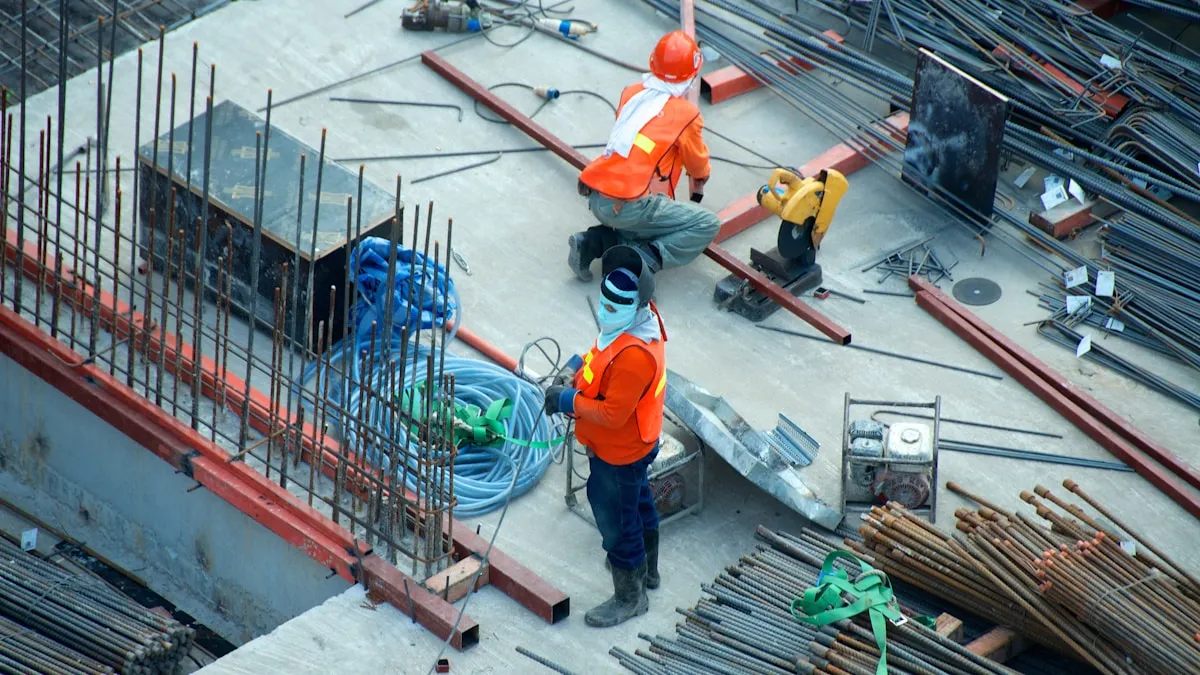
Yes, most homeowners stay in their homes during foundation repair. Here’s what to expect during the process and how to plan ahead. Schedule a free inspection with Vesta Foundation Solutions to find out exactly what your repair will involve.
Can You Stay Home While Foundation Work Is Being Done?
The short answer is yes. The majority of foundation repair methods involve work that happens outside your home or in limited-access areas like crawl spaces. Your main living areas typically stay fully usable throughout the project.
At Vesta Foundation Solutions, our repair process is designed to be minimally disruptive. Most projects are completed in just one to two days, so you can sleep in your own bed, cook in your own kitchen, and go about your normal routine with only minor adjustments.
The real question is not whether you can stay, but what daily life looks like while the work is happening.
What Does Foundation Repair Feel Like From Inside the House?
Foundation repair is a construction project, and it comes with construction-level activity. Knowing what to expect makes the experience far more manageable.
Noise and Vibration
Hydraulic presses, power tools, and drilling equipment generate significant noise during working hours (typically 8 a.m. to 5 p.m.). If you work from home, plan to use a quieter room away from the repair area or schedule calls around the crew’s break times.
Most homeowners describe the noise as noticeable but tolerable, especially since the work wraps up quickly.
Yard and Exterior Access
For pier installation (the most common repair method in Oklahoma), crews excavate small areas along your home’s exterior perimeter. You may need to:
- Move patio furniture, planters, or yard decorations away from the work zone
- Use an alternate entrance if crews are working near your usual doorway
- Keep children and pets away from excavation areas for safety
After the work is finished, crews backfill the excavated soil and restore the area to its original condition.
Dust and Debris
Exterior work generates some dust, especially during excavation. On windy Oklahoma days, keeping nearby windows closed helps minimize any dust that drifts indoors. Interior dust is minimal unless repairs involve basement or indoor crawl space access.
Not sure what type of repair your home needs? Request your free foundation inspection and our team will walk you through the plan before any work begins.
How Do Different Repair Methods Affect Daily Life?
Different foundation problems call for different solutions. Here is how the most common methods impact your ability to stay home:
Steel Push Piers and Helical Piers
Can you stay home? Yes.
Steel and helical piers are installed almost entirely from the outside. Crews dig access points along the exterior of your foundation, then drive steel piers down to stable soil or bedrock. This process typically takes one to three days, and your indoor living space stays largely unaffected.
Wall Anchors and Braces
Can you stay home? Yes.
If you have bowing or leaning basement walls, wall anchors or carbon fiber reinforcement may be recommended. This work requires some interior access to your basement, so you will need to clear items away from the affected walls. Installation usually takes one to two days, and your main living floors remain accessible.
Crawl Space Repair and Encapsulation
Can you stay home? Yes.
Crawl space stabilization and encapsulation work happens entirely beneath your home. You will not need to vacate any living areas. The main inconvenience is occasional noise from below your floors.
Concrete Leveling
Can you stay home? Yes.
Concrete leveling for sunken driveways, walkways, or garage floors is one of the least disruptive repairs. Expanding polyurethane foam is injected through small holes in the concrete surface. Most jobs are completed in a few hours.
How Long Does Foundation Repair Take?
| Repair Type | Typical Duration | Indoor Impact |
|---|---|---|
| Steel/Helical Pier Installation | 1-3 days | Minimal (exterior work) |
| Wall Anchors or Carbon Fiber | 1-2 days | Basement access needed |
| Crawl Space Encapsulation | 1-3 days | None (under-house work) |
| Concrete Leveling | A few hours | None (outdoor work) |
| Combination Repairs | 3-5 days | Varies by method |
When Might You Need to Leave Temporarily?
While rare, a few scenarios may require temporary relocation:
- Severe structural instability: If an engineer determines there is a risk of structural failure during repair, they may recommend vacating as a safety precaution. This applies only to extreme cases.
- Extensive interior work: If repairs require access to multiple interior areas simultaneously, staying elsewhere for a night or two may be more comfortable.
- Health sensitivities: If anyone in your household has severe dust allergies or respiratory conditions, spending the workday elsewhere is a reasonable precaution.
In our experience at Vesta Foundation Solutions, the vast majority of homeowners stay comfortably in their homes for the full duration of the repair.
Tips for Living Comfortably During Foundation Repair
A little preparation goes a long way:
- Talk to your contractor beforehand. Ask which areas will be affected and how long the work takes. At Vesta, we walk you through the entire plan before we start.
- Clear the work zone. Move belongings at least three to four feet from your foundation walls for exterior pier work.
- Protect fragile items. Vibrations from hydraulic equipment can shift items on shelves. Move breakables to a secure spot.
- Plan for noise. If you have small children who nap during the day or noise-sensitive pets, plan activities outside the home during peak work hours.
- Communicate with the crew. A good foundation repair team keeps you informed. Do not hesitate to ask questions.
- Secure pets. Keep dogs and cats indoors or in a fenced area away from open excavation areas.
Frequently Asked Questions
Is foundation repair noisy?
Yes. Hydraulic equipment, jackhammers, and power tools produce construction-level noise during working hours. The noise is confined to the work area and typically lasts one to three days for most residential projects.
Will foundation repair damage my yard?
Crews excavate small sections along the foundation perimeter for pier installation. After the work is complete, the soil is backfilled and the area is restored. Some temporary disruption to landscaping near the foundation is normal.
How soon can I use my driveway after concrete leveling?
Most polyurethane foam concrete leveling projects allow foot traffic within 15 minutes and vehicle traffic within a few hours. Your contractor will give you a specific timeline based on the scope of work.
Do I need to move furniture before foundation repair?
For most exterior pier work, no interior furniture needs to be moved. If your repair involves basement wall anchors or interior access, you will need to clear items away from the affected walls. Your contractor will let you know in advance.
Can I stay home if I have a baby or young children?
Yes, though the noise may disrupt nap schedules. Many families plan an outing during the loudest portions of the work. The repair itself poses no safety risk to residents as long as everyone stays away from the active work zone.
Does foundation repair affect my home’s plumbing or utilities?
In most cases, no. Standard pier installation and wall anchor work do not interfere with plumbing, electrical, or HVAC systems. If your specific repair involves areas near utility connections, your contractor will coordinate the work to minimize any service interruptions.
Do Not Wait to Address Foundation Problems
Foundation issues only get worse over time. The longer you wait, the more extensive the repairs become. A day or two of construction noise is a small trade-off for the peace of mind that comes with a stable, secure foundation.
If you are noticing signs of foundation trouble like cracks in walls, sticking doors or windows, or uneven floors, take action now.
Schedule your free foundation inspection today with Vesta Foundation Solutions. We serve homeowners across Oklahoma City, Tulsa, Edmond, Norman, and surrounding areas in Oklahoma and Arkansas. Call 1-405-213-0492 to get started.