
Oklahoma’s climate can be tough on our homes, especially the space right under our feet. That expansive red clay soil, intense summer humidity, and heavy storm seasons all drive moisture straight into the ground. Where does it end up? Your crawl space. An unprotected crawl space is practically guaranteed to develop problems like musty odors, poor air quality, and structural issues. Thankfully, crawl space encapsulation is the most effective way to stop these issues at the source. It seals off your home from the ground up, protecting its value and your family’s comfort for the long term.
This guide provides Oklahoma homeowners with essential information on crawl space encapsulation, including the importance due to the local climate and warning signs that your home may need it.
Request a Free Inspection
Crawl space encapsulation seals the area under your home with a vapor barrier, closes vents, and controls humidity, creating a dry space. In Oklahoma, it prevents mold, structural damage, and poor air quality in homes on clay soil with high humidity. A professional inspection is the best first step to determine what your crawl space needs.
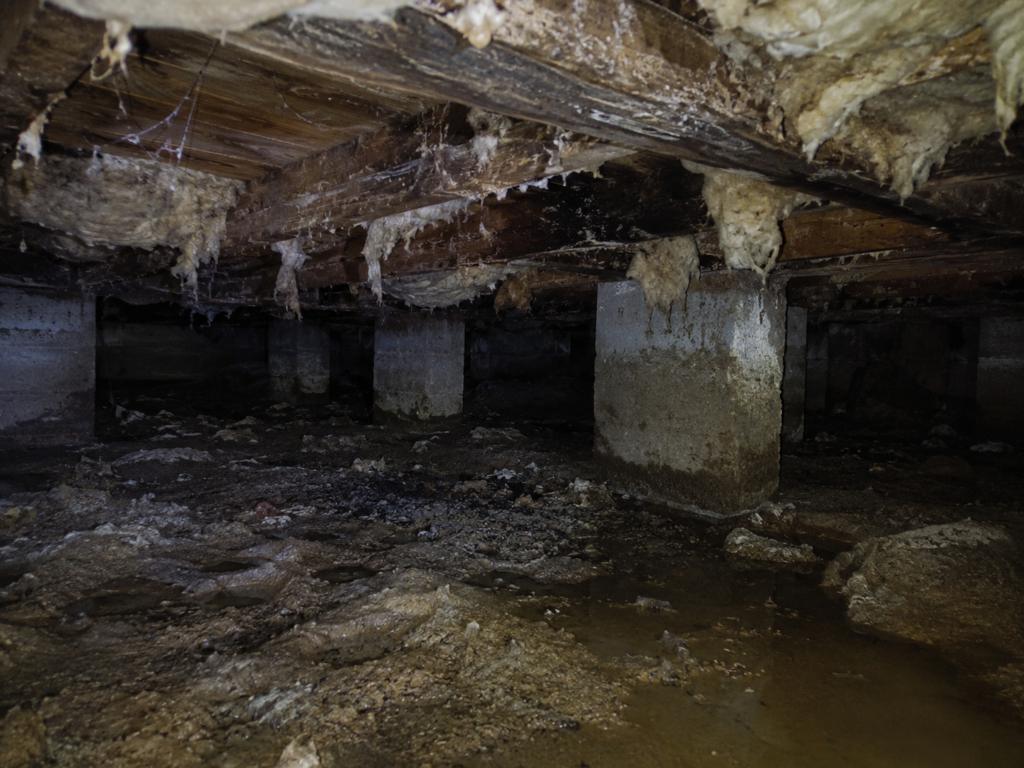
What Does It Mean to Encapsulate a Crawl Space?
Crawl space encapsulation is the process of completely sealing the space beneath your home from the ground and outside air. It involves covering the crawl space floor and walls with a thick, durable vapor barrier, sealing all foundation vents and air leaks, and installing a dehumidifier to maintain consistent humidity levels.
The goal is to transform a damp, uncontrolled crawl space into a clean, dry, conditioned environment. An encapsulated crawl space prevents moisture from Oklahoma’s clay-heavy soil from seeping into your home.
A professionally installed encapsulation system typically includes:
- A 20-mil vapor barrier across the entire floor and up the foundation walls
- Sealed foundation vents and airtight crawl space doors
- A commercial-grade crawl space dehumidifier to maintain humidity below 55%
- Thermal insulation along the crawl space walls to stabilize temperatures
- Drainage solutions where standing water is a concern
This is not the same as simply laying a sheet of plastic on the dirt floor. True encapsulation is a comprehensive system where every component works together to keep moisture out permanently.
A Quick Look at Crawl Spaces
Defining the Space Below Your Home
A crawl space is exactly what it sounds like: a shallow, unfinished area between the ground and the first floor of your home, typically just one to three feet high. This type of foundation lifts the house off the ground, a design originally intended to protect it from ground moisture. However, a dirt crawl space is naturally damp, and in a humid state like Oklahoma, it often becomes a source of moisture problems rather than a solution. This space contains critical structural elements, like the wooden floor joists that support your entire home. When persistent moisture from the soil enters this area, it can lead to wood rot, weakening your home’s structure and creating the need for professional crawl space repair.
Why Were Crawl Spaces Built This Way?
If crawl spaces can cause so many issues, why were they so common? For a long time, especially in the post-war building boom from the 1950s to the 1970s, they were seen as a fast and practical way to build a home. Constructing a crawl space foundation was simpler and quicker than excavating a full basement. Foundation vents were once thought to dry out moisture by allowing outside air circulation. However, in humid climates, they worsen the issue by drawing in damp air, causing condensation, mold, and structural decay. This outdated approach is why modern foundation solutions focus on sealing the crawl space completely.
Is Crawl Space Encapsulation Right for Your Oklahoma Home?
Not every state deals with the same crawl space challenges. Oklahoma’s soil, humidity, and weather make sealing crawl spaces essential for homeowners.
Oklahoma’s Red Clay Soil Problem
Oklahoma sits on some of the most problematic soil in the United States for residential foundations. The state’s red clay soil is classified as expansive, meaning it swells dramatically when it absorbs water and shrinks when it dries out. This constant cycle of expansion and contraction puts enormous pressure on foundations, crawl space walls, and support structures. If you notice these issues alongside crawl space concerns, review the warning signs of foundation problems for a more complete picture.
When the soil swells during Oklahoma’s rainy spring season, it pushes moisture upward through crawl space floors with significant force. In Oklahoma, the hot summer causes soil to contract and pull away from foundations, creating gaps that allow water into crawl spaces during rain. This cycle leads to frequent foundation and moisture issues, well above the national average.
Encapsulation breaks this cycle by creating a physical barrier between the expansive soil and your home’s crawl space. The vapor barrier prevents ground moisture from entering regardless of how saturated the surrounding clay becomes.

Oklahoma red clay soil creates unique challenges for crawl spaces and foundations
Battling High Humidity and Moisture Swings
Oklahoma averages 64% relative humidity throughout the year, with summer months regularly pushing past 80% during morning hours. In a traditional vented crawl space, that humid outdoor air flows in through the foundation vents, hits the cooler surfaces beneath your home, and condenses. This condensation accumulates on floor joists, subfloor materials, ductwork, and plumbing.
The old approach of venting crawl spaces to reduce moisture has been thoroughly debunked. Research, including guidance from the U.S. Department of Energy, now shows that vented crawl spaces in humid climates actually introduce more moisture problems than they solve. Sealing the space and conditioning it with a dehumidifier is the current building science standard.
For Oklahoma homes, this is especially critical during the transition from spring to summer, when ground moisture from seasonal rains meets rising outdoor humidity. Without encapsulation, crawl spaces can reach 80-90% humidity during these months, creating ideal conditions for mold, mildew, and wood rot.
Preparing for Oklahoma’s Storm Season
Oklahoma’s storm season brings heavy rains, flash flooding, and rapid ground saturation that tests every crawl space in the state. Between April and June, severe thunderstorms can dump several inches of rain in a matter of hours. That water saturates the clay soil surrounding your foundation and finds every possible path into your crawl space.
A fully encapsulated crawl space with proper drainage is built to handle these conditions. The vapor barrier stops ground moisture, while drainage matting and sump pumps handle any water reaching the foundation.. This level of protection is something that a simple plastic sheet on the floor cannot provide.
Does Your Crawl Space Need Encapsulation? Look for These Signs
Many homeowners do not realize they have a crawl space problem until the symptoms show up inside their home. Here are the warning signs Oklahoma homeowners should watch for:
Musty odors in your living spaces. If your home smells damp or musty, especially on the first floor, the source is almost certainly your crawl space. Up to 50% of the air you breathe on the first floor comes from below through a phenomenon called the stack effect.
High indoor humidity. If your AC runs constantly but your home feels humid, your crawl space might be adding moisture faster than your HVAC can remove it.
Sagging or uneven floors. Moisture weakens floor joists and subfloor materials over time. If you notice soft spots, bouncy areas, or floors that slope, the structural repairs your crawl space needs will only become more extensive the longer the moisture problem continues.
Visible mold or mildew. Any visible mold in your crawl space or on the underside of your first-floor subfloor is a clear sign that moisture levels are dangerously high.
Pest activity. Termites, carpenter ants, spiders, and rodents are attracted to damp crawl spaces. If you are seeing increased pest activity in or around your home, the crawl space is often the entry point.
Increased allergy symptoms. Poor crawl space conditions push mold spores, dust mites, and other allergens into your living spaces through the stack effect. If allergy symptoms worsen when you are at home, your crawl space air quality may be the cause.
Standing water after rain. If you see water pooling in your crawl space after Oklahoma storms, encapsulation combined with proper drainage is the solution to protect your home from ongoing moisture damage. See how Vesta transformed a damaged crawl space for a homeowner in Tulsa, Oklahoma.
If you notice any of these signs, a professional crawl space repair assessment can determine exactly what your home needs.
Schedule Your Free Inspection
Sticking Doors and Windows
When doors start to jam in their frames or windows become difficult to slide open, it’s easy to blame the hardware or the weather. However, these are often classic signs of a moisture problem originating in your crawl space. Excess humidity and dampness from the ground below can weaken the wooden structures supporting your home, including the floor joists and subfloor. As these materials absorb moisture, they can begin to sag, rot, or settle unevenly. Even slight movement changes your home’s frame geometry, distorting door and window openings. A sticking door indicates a larger structural issue that needs attention.
What to Expect During Your Crawl Space Encapsulation
Professional crawl space encapsulation follows a systematic process. Here is what to expect when Vesta Foundation Solutions encapsulates a crawl space in Oklahoma:
Starting with a Thorough Inspection
Every project starts with a thorough inspection to assess the current conditions. A trained technician evaluates moisture levels, checks for existing water intrusion, inspects structural components for damage, and identifies any mold or pest activity. This inspection determines the full scope of work needed and ensures every issue is addressed.
Clearing and Prepping the Space
The crawl space is cleared of debris, old insulation, and any materials that could harbor mold or pests. If standing water is present, it must be addressed before encapsulation can proceed. This step ensures the system is installed in a clean environment where it can perform at its best.
Solving Water Intrusion Issues
For Oklahoma homes with active water intrusion, drainage solutions are installed first. This may include interior drainage matting and a sump pump system to collect and remove water before it reaches the encapsulated space. Given Oklahoma’s severe storm season, proper water management is a critical foundation for any encapsulation project.
Proper Water Management and Drainage
Given Oklahoma’s intense storm season, managing liquid water is just as important as blocking moisture vapor. When heavy rains saturate the expansive clay soil, the resulting pressure can push water toward your foundation. A professional encapsulation system anticipates this by integrating drainage solutions. This often includes installing specialized drainage matting under the vapor barrier, creating a dedicated channel for any water to flow. The water is directed to a sump pump system that collects and pumps it safely away from your home, ensuring protection during severe weather.
Installing a Heavy-Duty Vapor Barrier
A heavy-duty, 20-mil vapor barrier is installed across the entire crawl space floor and sealed to the foundation walls. All seams are overlapped and sealed with specialized tape. Support columns and piers are individually wrapped to eliminate any exposed soil. The barrier creates a continuous moisture seal that blocks ground vapor from entering the space.
Sealing Vents to Control Airflow
All foundation vents are permanently sealed and any gaps or penetrations are closed with rigid foam or caulk. This stops humid outdoor air from entering the crawl space and prevents the condensation cycle that causes so many problems in Oklahoma’s climate.
Adding a Dehumidifier for Moisture Control
A commercial-grade crawl space dehumidifier is installed and set to maintain humidity below 55%. This is especially important in Oklahoma, where outdoor humidity regularly exceeds safe indoor levels for much of the year. The dehumidifier continuously conditions the air in the sealed space to prevent any moisture accumulation.

A commercial-grade dehumidifier is essential for Oklahoma crawl space encapsulation
Insulating the Crawl Space Walls
Thermal insulation is installed along the crawl space walls to create a thermal barrier between the conditioned space and the surrounding soil. This stabilizes temperatures, reduces the workload on your HVAC system, and eliminates cold floors during Oklahoma winters.
Adhering to Building Codes and Standards
Proper crawl space encapsulation involves a technical process adhering to modern building science and local codes. Venting crawl spaces, once standard, is now counterproductive in humid climates like Oklahoma’s, as it attracts moisture. Today’s building standards require a completely different strategy: sealing the crawl space from outside air and conditioning the interior. A professional crawl space repair system ensures every component, from the vapor barrier to the sealed vents and dehumidifier, is installed correctly to create a truly isolated environment. This adherence to proven standards is what guarantees a long-term solution for your home.
How Your Crawl Space Air Ends Up in Your Living Room
One of the most important concepts for Oklahoma homeowners to understand is the stack effect. Your home operates like a chimney. Cool, dense air enters the crawl space, warms, rises through the floors, and exits through the upper levels and attic.
A large portion of the air on the first floor comes from the crawl space. If it’s damp, moldy, or infested with pests, these pollutants circulate through your home.
In Oklahoma, with summer temperatures over 100 degrees and winter temperatures below freezing, the stack effect is intensified. A larger temperature difference between the crawl space and upper levels increases the upward airflow. This makes the conditions in your crawl space directly relevant to your indoor air quality, comfort, and health.
Encapsulation addresses the stack effect by ensuring the air in your crawl space is clean and dry. Instead of pulling contaminated air into your living spaces, your home draws from a conditioned, sealed environment.
The Stack Effect: How Up to 60% of Your Air Comes From Below
It might be surprising to learn, but up to 60% of the air you breathe on the first floor of your home comes directly from your crawl space. This happens because of a natural airflow pattern called the stack effect. Think of your house as a chimney: cool, dense air is drawn in at the lowest point—your crawl space—and as it warms, it rises through the floors, carrying with it whatever is down there. If your crawl space is damp, musty, or home to mold and pests, those contaminants are continuously circulated into your living areas. This directly impacts your indoor air quality and your family’s well-being. A professional crawl space repair addresses this at the source, ensuring the air rising into your home is clean and dry.
The Essential Parts of a Complete Encapsulation System
A complete encapsulation system in Oklahoma should include all of the following components working together:
Vapor barrier. The primary moisture defense. A 20-mil, puncture-resistant liner covers the entire crawl space floor and foundation walls, creating a continuous seal against ground moisture. Vesta Foundation Solutions uses the CleanSpace encapsulation liner, specifically engineered for long-term performance. Learn more about our vapor barrier solutions.
Sealed vents and doors. All foundation vents are permanently sealed, and a purpose-built, airtight crawl space door replaces any existing access point. This eliminates the pathway for humid outdoor air.
Dehumidifier. A commercial-grade dehumidifier maintains humidity below 55% at all times. In Oklahoma’s humid climate, this is not optional. Without active humidity control, condensation can form even in a sealed space during the hottest months.
Thermal insulation. Wall insulation creates a temperature buffer between the conditioned crawl space and the surrounding soil. This reduces temperature fluctuations and helps maintain consistent conditions year-round.
Drainage system (when needed). For homes with active water intrusion, an interior drainage system and sump pump work with the encapsulation to manage water before it becomes a problem.
Each of these components addresses a specific part of the moisture equation. Removing any one of them compromises the entire system’s effectiveness, which is why professional installation that addresses every component is critical.
Beyond the Barrier: Sealants, Tapes, and Foam
A heavy-duty vapor barrier is the centerpiece of encapsulation, but its performance hinges on the smaller details: the sealants, tapes, and foam that create a truly airtight space. Think of it like a boat—even a small leak can cause big problems. Every seam where the liner overlaps is sealed with specialized, waterproof tape to form one continuous sheet. Support columns are also individually wrapped and sealed, leaving no exposed soil. This meticulous process is crucial for blocking moisture from Oklahoma’s expansive clay soil. Furthermore, all foundation vents are permanently sealed, and gaps around pipes or wiring are filled with foam. This comprehensive approach ensures that humid outdoor air and pests have no way to enter, creating a completely isolated environment that is essential for a successful crawl space repair.
Is There a “Best” Time to Encapsulate in Oklahoma?
Technically, encapsulation can be done at any time of year. However, there are strategic advantages to timing the project in Oklahoma:
Late winter through early spring (February through April) is often the ideal window. Temperatures are moderate, humidity has not yet peaked, and the work can be completed before Oklahoma’s severe storm season arrives in full force. This timing ensures your crawl space is fully protected before the months that put the most stress on unprotected spaces.
Fall (September through November) is another excellent time. Summer humidity is declining, and the work prepares your crawl space for the temperature extremes of Oklahoma winter, keeping your floors warmer and your HVAC system working more efficiently through the cold months.
The worst time to encapsulate is during an active moisture event. If your crawl space has standing water from recent storms, water management and drainage must be addressed first before the encapsulation system can be installed properly.
Regardless of timing, the most important step is to have your crawl space inspected. The sooner you understand the conditions beneath your home, the sooner you can protect it.
Request Your Free Inspection Today
Frequently Asked Questions
Let’s Recap: What Is Encapsulation?
Crawl space encapsulation is the process of sealing the area beneath your home with a heavy-duty vapor barrier, closing all vents and air leaks, and installing humidity control. The goal is to create a completely dry, conditioned environment that prevents moisture, mold, pests, and poor air quality from affecting your home. It is different from simply placing a thin plastic sheet on the ground, as true encapsulation is a comprehensive system.
Is a Dehumidifier Always Necessary?
Yes. In Oklahoma, a dehumidifier is an essential part of any encapsulation system. Even with a sealed vapor barrier and closed vents, the surrounding soil and seasonal humidity can still introduce enough moisture into the air to cause condensation. A commercial-grade dehumidifier maintains safe humidity levels (below 55%) year-round, preventing mold growth and protecting the structural materials in your crawl space.
Is Encapsulation a Good Investment for My Home?
If your Oklahoma home has a dirt-floor crawl space with open vents, encapsulation should be strongly considered. Signs that encapsulation is needed include musty odors, high indoor humidity, sagging floors, visible mold, pest problems, or standing water after storms. A professional free inspection can assess your specific situation and recommend the best approach.
What’s the Role of Insulation in an Encapsulated Space?
Insulation is a recommended component of a complete encapsulation system. Thermal insulation along the crawl space walls creates a temperature buffer that stabilizes conditions inside the space, reduces the workload on your HVAC system, and eliminates cold floors during winter. While encapsulation can function without insulation, adding it significantly improves performance, especially in Oklahoma’s climate with its wide temperature swings.
How Effective Is Crawl Space Encapsulation?
Yes. Crawl space encapsulation is supported by building science research, U.S. Department of Energy guidance, and decades of real-world performance data. When properly installed with all components (vapor barrier, sealed vents, dehumidifier, and insulation), an encapsulated crawl space maintains dry, healthy conditions regardless of outdoor weather. Oklahoma homeowners consistently report improved indoor air quality, more comfortable temperatures, and an end to musty odors after professional encapsulation.
How Long Will My Encapsulation System Last?
A professionally installed encapsulation system is designed to last 20 years or more. The vapor barrier itself can last the lifetime of the home if it is not physically damaged. The dehumidifier is the component that requires the most maintenance, typically needing filter changes annually and potential replacement every 8 to 12 years. Regular inspections help ensure the entire system continues to perform as intended.
When is Encapsulation a Must, and When Can You Wait?
While encapsulation is a powerful solution for Oklahoma’s climate, it’s not a one-size-fits-all answer for every home. Understanding when to act decisively and when you might have other options is key to making the right choice for your property. The decision often comes down to the specific symptoms your home is showing and the underlying causes of those issues. A damp, musty smell is a world away from a perfectly dry space with a structural problem. The first step is always to accurately diagnose the situation, which is why a professional assessment is so valuable. It provides a clear picture of moisture levels, structural integrity, and air quality, giving you the data needed to move forward confidently.
Clear Indicators for Encapsulation
If you’re experiencing any of the major warning signs—musty odors, high indoor humidity, sagging floors, visible mold, or pest infestations—it’s time to take action. These aren’t minor inconveniences; they are clear signals that the conditions in your crawl space are actively damaging your home and potentially affecting your health. Waiting will only allow the problems to worsen. In these cases, a complete encapsulation is often the most direct and effective solution. If you notice any of these signs, a professional crawl space repair assessment can determine exactly what your home needs to permanently solve the problem.
When Encapsulation Might Not Be Necessary
Encapsulation might not be your immediate priority if your crawl space is already in good shape. If the area under your home is consistently dry, has no signs of mold or mildew, and is free of pests, you may not need a full system right now, even if it’s vented. Likewise, if you have sagging floors but a thorough inspection reveals the cause is house settling or a structural issue unrelated to moisture, you’ll need to address that specific problem first. Encapsulation is primarily a moisture-control solution, so if moisture isn’t your core issue, other repairs may take precedence.
Considering Other Home Improvements First
Some home performance experts suggest looking at your house as a whole system. Before focusing on the crawl space, it can be beneficial to address other areas where you might be losing energy or allowing air to leak. Improving your attic insulation and sealing air leaks around windows, doors, and fixtures in your main living areas can have a significant impact on your home’s overall efficiency and comfort. By tackling these areas first, you create a more controlled environment, which can sometimes reduce the urgency of crawl space work, though it won’t solve an existing moisture problem below your home.
Potential Downsides and Considerations
While encapsulation offers incredible benefits, it’s important to go into the process with a full understanding of what it entails. It’s a significant home improvement project, and there are a few considerations to keep in mind, especially regarding older homes, pest management, and the system’s ongoing needs. Being aware of these factors ensures there are no surprises down the road and helps you work with your contractor to make sure the installation is tailored perfectly to your home’s unique characteristics. A transparent contractor will discuss these points with you upfront, ensuring you feel confident in your decision.
Structural Shifts in Older Homes
For historic or very old homes, rapidly changing the moisture content of the wood structure can sometimes have unintended consequences. If the wood beams and floor joists in an older house have had decades to adjust to a certain level of humidity, drying them out too quickly after encapsulation can cause the wood to shift, bend, or even crack. This is a rare occurrence but is a valid consideration for century-old properties. An experienced contractor will know how to manage the dehumidification process gradually to prevent this from happening, allowing the structure to acclimate slowly to its new, drier environment.
Termite Activity and Inspection Challenges
One of the most important considerations is how encapsulation interacts with termite prevention. Some pest control experts warn that the vapor barrier can hide termite tunnels, making inspections more difficult and potentially voiding existing termite warranties. It is crucial to address this before any work begins. The best approach is to have a conversation between your encapsulation specialist and your pest control company. Often, a small inspection gap can be left at the top of the foundation wall, or clear sealants can be used to ensure that signs of termite activity remain visible for annual inspections.
Ongoing Energy Use and Maintenance
An encapsulated crawl space is not a “set it and forget it” system. The dehumidifier is a critical component that runs year-round to maintain proper humidity levels, and it will contribute to your home’s overall energy consumption. As we’ve noted, a commercial-grade dehumidifier is not optional in Oklahoma’s humid climate; it’s essential for the system to function correctly. This appliance also requires periodic maintenance, such as cleaning the filter, to ensure it operates efficiently. Factoring in this ongoing energy use and maintenance is part of responsible ownership of an encapsulated crawl space.
Alternatives to Full Crawl Space Encapsulation
A complete encapsulation is the gold standard for crawl space moisture control, but it may not be the only option depending on your home’s specific situation. If you’re dealing with minor issues or are exploring different approaches, a couple of alternatives are worth considering. These solutions may not provide the comprehensive protection of a full system, but they can be effective in the right circumstances. It’s all about matching the intensity of the solution to the severity of the problem you’re facing.
Vapor Barrier Only Solutions
If your crawl space has only minor dampness from ground moisture and no issues with standing water or high airborne humidity, a simpler solution might be sufficient. Installing just a heavy-duty vapor barrier on the crawl space floor can be an effective way to stop moisture from the soil from entering the space. This approach doesn’t involve sealing the vents or adding a dehumidifier, so it won’t control humidity from outside air. However, for homes with minimal moisture problems, it can be a good first step in improving the space.
Considering a Concrete “Rat Slab”
Another, more intensive alternative is the installation of a thin layer of concrete over the crawl space floor, sometimes called a “rat slab.” This creates a permanent, durable barrier that is excellent at preventing moisture from the ground from seeping up and also keeps pests from burrowing into the space. While effective, this method is often more disruptive and complex than installing a vapor barrier. It creates a clean, durable floor but, like a vapor barrier-only solution, does not address airborne humidity coming in through the vents.
A Note on Radon Gas Mitigation
If you’re planning to encapsulate your crawl space, it’s the perfect time to also consider radon testing and mitigation. Radon is a naturally occurring radioactive gas that can seep into homes from the soil, and it’s a known health concern. The process of sealing a crawl space for encapsulation is very similar to the sealing required for a radon mitigation system. If you decide to install a radon system later, the contractor will have to cut through and then reseal your new vapor barrier. By addressing both at the same time, you can often streamline the work and ensure both systems are installed for optimal performance from the start.
Maintaining Your Encapsulation System
Once your encapsulation system is installed, a little routine care will ensure it protects your home for decades to come. Like any important component of your house, it performs best when it’s properly maintained. This involves a mix of simple homeowner tasks and periodic professional check-ups. Staying on top of maintenance prevents small issues from becoming larger problems and guarantees you continue to get all the air quality and structural benefits your system was designed to provide. A well-maintained system is a reliable one.
How to Handle Minor Repairs
It’s not uncommon for the vapor barrier to get small cuts or punctures over time, especially if you or other service technicians need to work in the crawl space. Many homeowners wonder how to fix this damage. For small tears, you can often make a simple repair using the same specialized sealing tape that was used during the installation. Your encapsulation provider can typically supply you with a small amount for these situations. For larger areas of damage or issues with seams, it’s best to call the professionals to ensure the seal remains completely airtight and moisture-proof.
The Importance of Regular Professional Inspections
The best way to protect your investment is with annual professional maintenance. During an inspection, a technician will check the entire system, including the vapor barrier seams, the dehumidifier’s performance, and the sump pump (if you have one). Regular inspections help ensure the entire system continues to perform as intended and can catch potential issues before they compromise the crawl space environment. This proactive approach is the easiest way to ensure your system lasts for its full 20+ year lifespan and continues to protect your home effectively.
Choosing a Professional for Your Encapsulation Project
The long-term success of your crawl space encapsulation depends almost entirely on the quality of the installation. This is not a simple DIY project; it requires specialized knowledge, materials, and equipment to get right. Selecting the right contractor is the most critical decision you’ll make in this process. A reputable professional will not only install the system correctly but will also serve as a trusted partner, providing honest advice and standing behind their work for years to come. Your goal is to find a company that prioritizes solving your problem correctly over simply making a sale.
Why Getting Multiple Quotes is Important
Before you hire anyone, it’s wise to get several quotes from different companies. This isn’t just about finding a good deal; it’s about educating yourself on the process. By seeing how different contractors approach your project, you’ll get a better sense of what a proper installation entails and what a fair proposal includes. This process helps you spot inconsistencies and identify contractors who are thorough and transparent. It empowers you to ask better questions and make a more informed decision when you’re ready to hire.
Understanding the Scope of Work Before You Hire
A trustworthy contractor will provide a detailed, written proposal that outlines the full scope of work. Be cautious of anyone who seems to be pushing services you may not need. A great company will start with a comprehensive evaluation and explain exactly why they are recommending each component of the system for your specific home. At Vesta, our process begins with a free inspection where our specialists assess your crawl space and develop a customized plan. We believe in educating homeowners, so you can trust that the solution we design is the one your home truly needs.
Key Takeaways
- Oklahoma’s Climate Requires a Sealed Solution: The state’s expansive clay soil and intense humidity work together to push moisture into your home. Encapsulation creates a necessary barrier, sealing the crawl space from both ground vapor and damp outside air.
- A True Fix Involves a Complete System: Effective encapsulation is more than just a plastic liner. It requires a durable vapor barrier, permanently sealed vents, and a commercial-grade dehumidifier working together to control moisture from every angle.
- Listen to Your Home’s Warning Signs: Musty odors, sagging floors, and high indoor humidity are not normal. These are direct indicators of a crawl space moisture problem, signaling that it’s time for a professional inspection.
Related Articles
- Crawl Space Encapsulation 101: The Ultimate Guide
- Crawl Space Repair Near Me in Oklahoma | Vesta Foundation
- 4 Benefits of a Healthy Crawl Space
- What is a Sealed Crawl Space? | Foundation Repair & Basement Waterproofing
- Crawl Space Insulation – Vesta Foundation Solutions