Living in Oklahoma means dealing with some seriously stubborn soil. Our expansive clay swells with moisture and shrinks when it dries, putting your foundation under constant, immense pressure. It’s the number one reason homeowners here see bowing and leaning walls. Fortunately, there’s a proven solution designed to counteract this force directly. Foundation wall anchors offer a permanent fix by securing your walls to stable soil deeper in your yard. This guide explains exactly why this wall anchor system is so effective in our region and breaks down the entire process, from the first inspection to the final installation.
Key Takeaways
- Wall anchors are a targeted solution for bowing walls: They permanently stabilize your foundation by using the strong soil in your yard to counteract external pressure. This method is specifically for walls leaning inward, not for homes that are sinking.
- A professional inspection is non-negotiable: An expert evaluation is the only way to get an accurate price and a customized repair plan. A specialist will determine the number and type of anchors needed based on your home’s specific condition.
- Vetting your contractor is crucial for a lasting repair: The success of your project depends on the installer’s expertise. Always choose a licensed and insured professional who answers your questions directly, provides clear options, and backs their work with a strong, transferable warranty.
How Do Foundation Wall Anchors Straighten Bowing Walls?
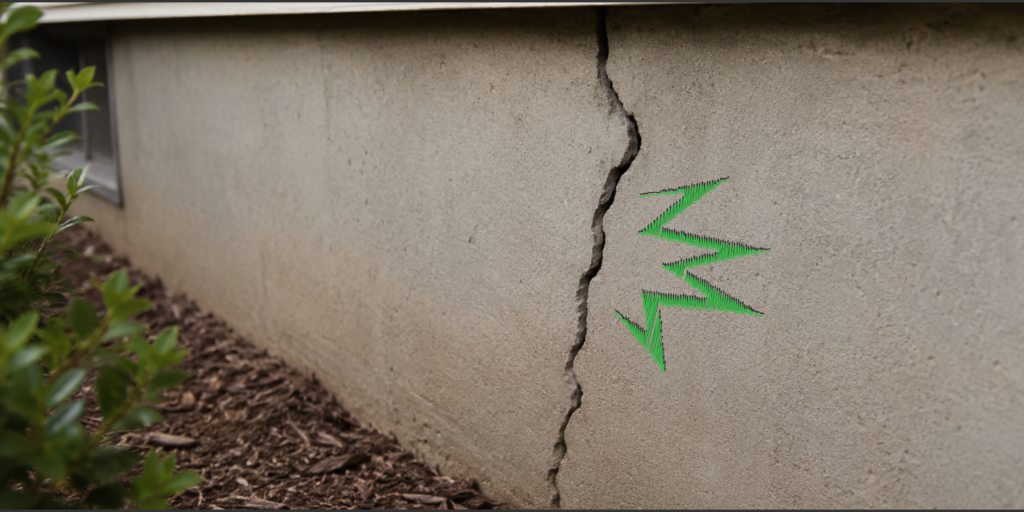
When you notice your foundation walls starting to bow or lean inward, it’s understandably stressful. The immense pressure of the soil outside your home, especially here in Oklahoma where expansive clay soil is common, often causes this issue. This soil expands when wet and shrinks when dry, exerting constant, uneven force on your foundation. The good news is that there’s a reliable and permanent solution. Wall anchors are a proven foundation repair method designed to counteract that external pressure and stabilize your walls for good.
Think of a wall anchor system as a heavy-duty bracing system for your foundation. It works by using the stable soil in your own yard to its advantage. You mount a steel plate on the inside of your bowing wall, and you bury a separate anchor in undisturbed soil a short distance away from your home. You then connect these two components with a high-strength steel rod that runs horizontally through the ground. By tightening this rod, the system holds the wall in place, preventing any further inward movement. Over time, this system can even help straighten the wall back toward its original position, restoring your home’s structural integrity and your peace of mind.
The Root Cause of Bowing Walls
To really appreciate how wall anchors work, it helps to understand what’s causing your walls to bow in the first place. It’s not just random settling; there’s a powerful force at play in the soil surrounding your home that requires a specific and robust solution. This external pressure is the root of the problem, and knowing the “why” behind the issue makes it clear why a targeted approach is so critical. Once you understand what your foundation is up against, you can see why a system designed to counteract that force, like wall anchors, is such an effective and permanent fix for homes in our area.
Understanding Hydrostatic Pressure
The main culprit behind bowing walls is something called hydrostatic pressure. Here in Oklahoma, we have a lot of expansive clay soil. When this soil gets saturated with rain, it expands and exerts an incredible amount of force against your foundation walls. Then, as it dries, it shrinks away. This constant cycle of expansion and contraction weakens the walls over time, causing them to crack, bow, and lean inward. This pressure is relentless and won’t go away on its own, which is why a permanent foundation repair solution is necessary to counteract it and secure your home’s structure for the long term.
The Importance of a Professional Diagnosis
While it’s great to understand the science, diagnosing the extent of the damage and creating a repair plan is not a DIY job. Every home and every foundation is unique, and the pressure on your walls won’t be uniform. A professional evaluation is the only way to get a clear picture of what’s happening. During an inspection, a specialist can determine the severity of the bowing, identify the specific pressure points, and design a customized repair plan. This includes calculating the precise number and placement of wall anchors needed to permanently stabilize your home. Getting an expert inspection ensures the solution is tailored perfectly to your home’s needs.
How Anchors Apply Pressure to Stabilize Your Foundation
The magic of a wall anchor system lies in its simple yet powerful design. It essentially anchors your foundation wall to the stable, hard-packed soil in your yard. The process starts with an interior steel plate placed directly on the bowing section of your wall. Drive a long, galvanized steel rod through the wall and out into your yard, where it connects to an exterior earth anchor buried deep in the ground.
Once connected, the system is tightened. This creates a constant tension that pulls against the outside soil pressure, effectively holding your wall in place. This immediately stops the wall from bowing any further. Many homeowners can gradually tighten the system during dry periods, which can help guide the wall back to a more upright and stable position over time.
Is a Wall Anchor System the Right Fix for You?
Wall anchors are an excellent solution for specific foundation problems, but they aren’t a one-size-fits-all fix. This system is the ideal choice if your basement or foundation walls are bowing, buckling, or tilting inward. If you can see a noticeable curve or lean in a wall, especially if it has moved more than an inch or two, wall anchors are likely the most effective repair method.
However, it’s important to know that wall anchors address lateral (sideways) pressure from the soil. They do not fix issues related to foundation settlement, where your house is sinking. If you see stair-step cracks in your brickwork or have doors and windows that stick, you might be dealing with settlement instead. The best way to know for sure is to have a professional take a look. You can get a clear answer by scheduling a free inspection with an expert.
Foundation Wall Anchors: What Are My Options?
When you discover your foundation walls are bowing or leaning, it’s natural to feel overwhelmed. The good news is that there are proven solutions, and wall anchors are one of the most effective. But not all anchors are created equal. The right type for your home depends on your specific foundation issue, soil conditions, and property layout. Think of them as specialized tools in a foundation expert’s toolkit. Each one is designed to solve a particular problem, from stabilizing a bowing wall to providing reinforcement without major excavation. Understanding the main options will help you have a more informed conversation with your foundation contractor and feel confident in the repair plan for your home.
Plate Anchors vs. Helical Anchors: What’s the Difference?
Two of the most common types of anchors you’ll hear about are helical anchors and plate anchors. Helical anchors, sometimes called helical tiebacks, look like giant steel screws. They are mechanically drilled through the foundation wall into the stable, load-bearing soil outside. This method provides immediate support and requires minimal excavation. Because they are screwed into the earth, helical anchors are also easily removable, making them useful for various shoring projects.
Plate anchors are a more traditional system. This method involves placing a large metal plate in the soil a short distance away from your foundation and connecting it to a plate on the inside of your basement wall with a high-strength steel rod. The tension from this system pulls the wall back and holds it firmly in place.
Breaking Down the Top Wall Anchor Systems
While the basic principles are similar, you’ll find that different companies offer various proprietary wall anchor systems. These special repair products fix basement walls that bow or lean due to pressure from the surrounding soil. For example, some systems use specific designs like the Geo-Lock anchor, which is engineered to permanently stabilize walls against inward movement.
The best system for your home is determined by a professional evaluation. A foundation specialist will assess the extent of the bowing, the type of soil around your home, and any property constraints (like nearby structures or utility lines) to recommend the most effective and long-lasting solution for your unique situation.
When Are Carbon Fiber Straps a Smarter Choice?
Sometimes, digging up your yard isn’t an option. For situations where excavation is impractical, carbon fiber straps offer a powerful, non-invasive alternative. These high-strength straps are applied directly to the interior of your foundation walls using a durable epoxy. They are incredibly strong and effectively counteract the external pressure that causes walls to bow, preventing further movement.
It’s important to know that carbon fiber is ideal for stabilizing walls against inward pressure but isn’t designed to fix foundation settlement or sinking issues. If your foundation problems are limited to bowing or leaning walls, carbon fiber can be an excellent, low-disruption way to support your foundation and restore its integrity.
Other Wall Reinforcement Methods
While wall anchors and carbon fiber straps are fantastic solutions for many homes, they aren’t the only options available for foundation wall repair. Every home is different, and sometimes a unique problem requires a different tool. In some cases, especially with severely bowing walls or specific foundation types, other reinforcement methods can provide the necessary stability. These alternatives provide long-term support by internally bracing the wall or strengthening the structure. Knowing these options can help you prepare for discussions with a foundation specialist.
Steel I-Beams
If you have a wall that is bowing significantly, steel I-beams are a powerful and straightforward solution. These are heavy-duty steel beams installed vertically against the interior of the bowing wall. They are secured tightly to the floor joists above and the concrete floor below, creating a rigid frame that prevents the wall from moving inward any further. Steel I-beams are a robust solution for reinforcing bowing walls because they provide immense structural support, directly counteracting the pressure from the expansive Oklahoma soil. While they don’t pull the wall back, they effectively halt any further movement, providing permanent stabilization for your foundation.
Channel Anchor Systems
A channel anchor system offers a “best of both worlds” approach, combining the strength of a steel beam with the restorative power of a wall anchor. This method is particularly effective for walls that are severely bowing or tilting. Mount a heavy-gauge steel channel vertically against the bowing wall, similar to an I-beam. However, connect this channel to an earth anchor buried deep in the stable soil outside your home. According to industry experts, this system “permanently stops your walls from moving further and can even help straighten them over time.” This dual-action approach provides immediate stability and the potential for gradual correction.
Reinforced Concrete Blocks
For homes with foundation walls built from concrete blocks, there’s a technique that strengthens the wall from the inside out. This method involves opening vertical sections of blocks, inserting rebar, and filling the cavities with high-strength grout to create solid, steel-reinforced columns. This ties the blocks into a stronger unit, enhancing strength and rigidity to resist soil pressure without extensive excavation. Determining if this is the right approach requires a professional eye, so a thorough foundation inspection is always the best first step.
What’s the Cost of Wall Anchor Installation?
When you see a bowing wall, one of your first thoughts is probably about the cost to fix it. It’s a valid concern, as foundation repair is a significant investment in your home’s safety and value. The final price tag for a wall anchor system depends on several factors, but understanding the basics can help you budget and plan. While there’s no one-size-fits-all answer, we can break down the typical costs and what influences them.
Generally, you can expect the cost to be calculated per anchor. According to home service experts at Angi, you can expect to pay $400 to $700 for each wall anchor installed. Since you typically place anchors every five feet along the damaged wall to evenly distribute pressure and provide robust support, the total cost will depend on the wall’s length and the bowing’s severity. A longer wall or more significant structural stress will require more anchors, increasing the overall project cost. The best way to get a precise number for your home is to have a professional assess the damage. A thorough inspection will determine exactly how many anchors are needed to permanently stabilize your foundation. At Vesta Foundation Solutions, we provide a free, no-obligation inspection to give you a clear and accurate estimate tailored to your home’s specific needs. This initial step removes the guesswork and provides a solid foundation for your repair plan.
What Factors Determine Your Final Price?
The price per anchor is a good starting point, but the final quote for your project can be influenced by a few key variables. The unique conditions of your property play a major role. For example, difficult soil conditions or limited access to the foundation wall can add complexity to the installation, which may affect the cost. The specific type of wall anchor system chosen will also be a factor, as different materials and designs come with different price points.
Beyond the physical installation, it’s also helpful to consider the project’s overall value. While it’s an upfront expense, stabilizing your foundation is a crucial investment that protects your property’s long-term worth. A secure foundation is a major selling point, so addressing these issues can positively impact the resale value of your home. An expert evaluation can clarify how these different elements come together to form your final project cost.
How Can I Pay for My Foundation Repair?
We get it, foundation repair is often an unexpected expense. The good news is that you don’t have to handle it all at once. Many foundation repair specialists offer flexible financing options to make the project more manageable for your budget. This allows you to address critical structural issues immediately without having to pay the full amount upfront.
Many companies provide plans with no money down, so you can get the work started right away. You can often choose between different payment plans, such as short-term, same-as-cash options or longer-term monthly payments with a reasonable interest rate. When you schedule a consultation, don’t hesitate to ask about the available financing solutions. We can walk you through the options to find a plan that works for you.
Wall Anchors vs. Other Repairs: A Cost Comparison
Wall anchors are a popular and effective solution, but they aren’t the only option for bowing walls. It’s smart to compare them to other methods, like carbon fiber straps. These straps cost between $350 and $1,000 each, and installers place them every few feet. While they offer a great solution for walls with minor bowing or cracking, they don’t provide the same active stabilization as wall anchors, which installers can tighten over time to help straighten the wall.
Older methods, like plate anchors, often require more extensive excavation, which can increase labor costs and disrupt your landscaping. In contrast, modern helical anchors are installed with minimal disturbance. Choosing the right foundation repair method comes down to your home’s specific issue and your budget. A professional contractor can explain the pros and cons of each, helping you select the most cost-effective and permanent solution.
How Effective Are Wall Anchors for Bowing Walls?
When you see your basement walls starting to bow, it’s natural to feel concerned. You might wonder if this is a sign of a much bigger, more expensive problem. The good news is that for many homes, wall anchors are an incredibly effective and reliable solution. They are designed specifically to counteract the external soil pressure that causes walls to bow, providing a permanent fix that secures your home’s foundation. Let’s look at how they perform over time and what you can expect from the process.
Do Wall Anchors Last? A Look at Long-Term Results
Wall anchors aren’t a temporary patch; they are a permanent solution designed to stabilize your foundation walls for good. Once installed, they anchor the bowing wall to stable, undisturbed soil far away from your foundation. This connection provides constant resistance against external soil pressure, stopping any further inward movement. Think of it as giving your wall the support it needs to stand strong indefinitely. This approach provides a lasting foundation repair that protects your home’s value and gives you genuine peace of mind, knowing the structural integrity of your home is secure.
A Technology with a Proven Track Record
Wall anchors have become a go-to solution for homeowners dealing with bowing or leaning foundation walls, and for good reason. Engineers specifically designed this technology to counteract the immense pressure from the surrounding soil, which is a common issue here in Oklahoma. The system works by using the stable, undisturbed soil deeper in your yard as a point of leverage. Mount a steel plate on the interior of the bowing wall, and bury an exterior anchor in the ground a short distance away from your home. Connect these two points with a high-strength steel rod, and as you tighten the rod, it effectively holds the wall in place and prevents any more inward movement.
The beauty of this system is that it provides a permanent fix that stabilizes your home for the long haul. Once installed, the anchors provide constant resistance against the external soil pressure, ensuring your foundation remains secure for years to come. In many cases, the system can be periodically tightened during dry seasons, which can gradually help straighten the wall back toward its original position. This restores the structural integrity of your home and provides lasting peace of mind. It’s a proven technology that directly addresses the root cause of bowing walls, making it a smart and reliable choice for protecting your property.
Your Top Wall Anchor Concerns Addressed
One of the first questions homeowners ask is, “Will wall anchors actually straighten my bowing wall?” The answer is yes, they often can. While their primary job is to stabilize the wall immediately, the system allows for gradual improvement. Over time, you can periodically tighten the anchors, which can help guide the wall back toward its original, upright position. This process eliminates the need for costly excavation or foundation replacement. It’s a powerful solution that not only stops the problem from getting worse but can also reverse some of the existing damage.
What Causes Wall Anchors to Fail?
A wall anchor system is incredibly robust, but its success depends entirely on a correct diagnosis and expert installation. When an anchor fails, it’s rarely the product’s fault. The issue usually traces back to human error, like improper installation where the anchor doesn’t get a solid grip, or a misjudgment of the surrounding soil conditions. If the soil around the exterior anchor isn’t stable and well-compacted, the entire system loses its leverage. This is especially true in Oklahoma, where our expansive clay soil requires a deep understanding to work with. A professional assessment ensures that the foundation design and soil properly account for the anchor system, providing a solid base to pull against and guaranteeing a permanent fix.
What Specific Damage Can Anchors Repair?
Wall anchors are a targeted solution for a very specific problem: lateral pressure. They repair foundation walls that bow, lean, or buckle inward. The immense pressure from the soil outside your home causes this movement, often resulting in horizontal or stair-step cracks along the wall. An anchor system works by counteracting that external force, immediately stabilizing the wall and preventing any further inward movement. Over time, the system can even help straighten the wall back toward its original position, restoring your home’s structural integrity. They provide the ideal fix for leaning walls, but they do not address foundation settlement or sinking.
Will the Installation Process Wreck My Yard?
The thought of a major foundation project can be daunting, but installing wall anchors is surprisingly straightforward. Unlike more extensive repairs, the process doesn’t require a lot of digging or create a huge mess in your yard. Our team can typically complete the entire installation in just one day. We place an earth anchor in stable soil away from your home, then a steel rod connects this anchor to a wall plate on the inside of your bowing wall. It’s a clean, efficient process that permanently secures your foundation with minimal disruption. The first step is always a professional assessment, so we encourage you to request a free inspection.
How to Choose the Best Foundation Wall Anchors
When you realize your foundation walls are bowing, it’s natural to feel a little overwhelmed. The good news is that wall anchors are a proven, reliable solution. But how do you know which ones are right for your home? You should find a system perfectly tailored to your foundation’s specific needs, not pick one from a catalog.
Making the right choice involves looking at the severity of the bowing, the type of soil around your home, and the materials used in your foundation. A professional assessment is the best first step, as an expert can diagnose the exact cause of the pressure on your walls. They will help you understand why the problem is happening and recommend a solution designed for long-term stability. Think of it as getting a specific prescription for your home’s health instead of just grabbing something off the shelf.
Finding the Right Anchor for Your Foundation Type
The first step in choosing the right wall anchors is getting a clear picture of what your foundation is up against. Is a wall bowing just slightly, or is it leaning in by several inches? Wall anchors are an excellent fix for walls that have bowed more than two inches, but a less severe issue might call for a different approach. A thorough inspection will reveal the extent of the problem and its underlying cause, which is often expansive clay soil, a common issue here in Oklahoma.
A professional will assess your property to determine if you have enough accessible yard space to install the exterior anchor plates. They will also confirm that wall anchors are the correct solution. For example, wall anchors counteract lateral pressure on your walls, but they don’t address issues like foundation settlement. A proper diagnosis ensures you’re investing in a foundation repair method that actually solves your specific problem.
Why Load Capacity and Durability Matter
Once you’ve confirmed that wall anchors are the right solution, the next consideration is strength. The anchors must be able to withstand the immense pressure the soil is exerting on your foundation walls. This isn’t a guessing game. Engineers choose the right system based on principles that account for your wall type, the soil conditions, and the specific load requirements needed to stabilize your home for good.
This is where quality materials and professional expertise really matter. The steel plates and rods used in the system must be durable enough to last for decades without corroding or failing. An experienced contractor will know exactly what type of anchor system has the necessary load capacity to secure your foundation. You can get an expert opinion on your home’s specific needs by scheduling a free inspection with a trusted foundation specialist.
What to Look For in a Quality Wall Anchor System
A great wall anchor system does more than just stop a wall from bowing further; it provides a permanent solution that gives you peace of mind. One of the key features to look for is adjustability. Over time, a high-quality system allows for periodic tightening, which can help straighten the wall back toward its original position. This ensures the system continues to provide optimal support as conditions change.
You should also consider the installation process. Modern wall anchor systems can be installed with minimal disruption to your home and landscaping. And since bowing walls and moisture problems often appear together, it’s wise to think about a holistic solution that may include basement waterproofing. Finally, always look for a system backed by a strong, long-term warranty. This assurance comes from the company standing behind its work and ensuring that your investment is protected.
Engineer-Certified Designs
When you see the term “engineer-certified,” it means more than just a stamp of approval. It signifies that experts rigorously tested and proved the wall anchor system to withstand the specific forces your foundation faces. They analyzed its design, materials, and performance to confirm its strength and effectiveness in real-world conditions. This certification assures you that the system isn’t just a generic product, but a solution specifically engineered to handle the immense pressure from Oklahoma’s expansive soils. It guarantees the system’s design for safety, reliability, and long-term performance, giving you confidence that the repair will last.
Durable, Corrosion-Resistant Materials
A wall anchor system spends its entire life underground, constantly exposing itself to moisture, minerals, and soil chemicals. That’s why the materials used are so important. Manufacturers make high-quality systems from hot-dip galvanized steel, a material they specifically choose for its exceptional resistance to corrosion.. This process creates a protective zinc coating that prevents rust and degradation over time, ensuring the anchor’s structural integrity for decades. Using durable, corrosion-resistant materials is non-negotiable for a permanent foundation repair. It guarantees that the system will continue to support your foundation walls effectively, without weakening or failing due to environmental exposure.
Anchor Plate Sizing for Severe Bowing
Not all bowing walls are the same, so the repair shouldn’t be a one-size-fits-all solution. For walls that are severely bowed or bulging, a standard anchor plate may not distribute the stabilizing force evenly. This is where customized sizing comes in. Reputable systems offer larger anchor plates designed specifically for these situations. A larger plate covers more surface area on the interior wall, spreading the load and reducing stress on the concrete block or poured concrete. This tailored approach ensures that even the most compromised walls receive the proper support needed for effective and safe stabilization, preventing further damage.
The Importance of a Good Warranty
A foundation repair is a significant investment in your home, and a strong warranty is your protection for that investment. Look for a long-term, nationally backed, and transferable warranty, as this is a clear indicator of a company’s confidence in its products and installation quality. A transferable warranty adds significant value and peace of mind if you ever decide to sell your home because you can pass it on to the next owner. It’s more than just a piece of paper; it’s a promise that the solution is permanent and that the company will stand behind its work for years to come.
The Wall Anchor Installation Process, Explained
Knowing what to expect can make the foundation repair process feel much less intimidating. Wall anchor installation is a precise and effective method for stabilizing bowing walls, and a professional team can typically complete the work with minimal disruption to your home and daily life. From the initial assessment to the final tightening, each step restores your foundation’s strength and gives you peace of mind. Let’s walk through what the process looks like from start to finish.
Step 1: The Initial Foundation Assessment
Before any work begins, a thorough assessment of your foundation is the most important first step. A professional will need to evaluate the extent of the bowing, check the surrounding soil conditions, and determine the best placement for the anchors. For homes with significant structural issues, a foundation specialist or structural engineer can provide the necessary expertise to ensure the right solution is chosen. This initial evaluation is key to creating a customized repair plan that addresses your home’s specific needs and prevents future problems. This is why we always start with a free inspection to get a clear picture of what’s going on.
Step 2: What Happens on Installation Day
On installation day, the process is surprisingly straightforward. The crew will start by digging a trench in the soil a short distance away from the affected foundation wall. Then, as American Waterworks explains, “A small hole is drilled through the wall, an anchor is buried outside, and the rod is connected and tightened.” This creates a powerful counterforce against the external pressure that caused the wall to bow in the first place. The interior wall plate and exterior anchor work together, connected by a high-strength steel rod, to secure the wall and halt any further movement. This entire foundation repair method is designed to be efficient and effective.
A Minimally Invasive Approach
Many homeowners worry that foundation repair will mean digging up their entire yard, but installing wall anchors is surprisingly straightforward. Unlike more extensive repairs, the process doesn’t require a lot of digging or create a huge mess in your yard. Our team can typically complete the entire installation in just one day. The process focuses only on the small areas needed to place the exterior anchors, aiming to be as efficient as possible. This targeted approach ensures your landscaping remains largely undisturbed while permanently securing your foundation walls, offering a powerful solution without a major upheaval to your property.
Exterior Space Requirements
For a wall anchor system to work, there needs to be enough room in your yard to install the exterior components. A professional will assess your property to determine if you have enough accessible yard space to install the exterior anchor plates. This is a critical part of the initial evaluation, as obstacles like decks, patios, or even tight property lines can affect the installation plan. The specialist will measure the distance from the foundation and ensure there’s clear ground to place the anchors in stable soil. This step confirms that wall anchors are the correct solution for your home’s specific layout and condition.
The Immediate Straightening Process
Once the interior plate and exterior anchor are in place, the final step is to connect and tighten the system. The system tightens, creating a constant tension that pulls against the outside soil pressure and effectively holds your wall in place. This immediately stops the wall from bowing any further, providing instant stabilization and security for your home. Periodically tighten the system to help encourage the wall to straighten back toward its original position. This powerful bowing wall repair method not only halts damage in its tracks but also offers a path to restoring your foundation’s integrity.
Step 3: Post-Installation Care and Your Warranty
Once the wall anchors are installed, they immediately begin stabilizing the wall. But the work doesn’t stop there. Over time, you may need to make adjustments to continue improving your wall’s condition. According to Safe Basements Inc., “As the soil dries and shrinks, you can tighten anchors to potentially pull the wall back to its original position.” This periodic maintenance is a simple but vital part of the long-term solution. It’s also important to have a clear understanding of your warranty. A reliable warranty protects your investment and ensures that your home remains secure for years to come, giving you confidence in the repair.
What to Do About Existing Wall Anchors
If your home already has wall anchors, it’s easy to assume the problem is solved forever. And for the most part, you’re right. Engineers designed wall anchors to be a permanent solution, providing the constant support needed to withstand Oklahoma’s expansive clay soil. Still, it’s wise to check on them periodically. Soil conditions can shift, so you want to be sure the anchors are still doing their job effectively. If you spot any new cracks or feel the wall is moving again, it’s a clear signal to get a professional opinion. An expert can assess the tension on the existing system and determine if the anchors simply need to be tightened or if additional support is required. A professional foundation repair evaluation will give you a clear picture of their condition and help ensure your home stays secure for the long haul.
How to Choose the Right Foundation Repair Contractor
Choosing a contractor for your foundation repair is a big decision. This isn’t just a cosmetic fix; it’s about protecting the structural integrity and value of your home. The right partner will provide a lasting solution, clear communication, and peace of mind. The wrong one, however, can lead to more problems, bigger headaches, and wasted money down the road. Your goal is to find a company with proven expertise, a solid local reputation, and a commitment to doing the job right the first time. It’s about finding a team you can trust with one of your most significant investments.
Think of this as a hiring process. You’re looking for a specialist who can accurately diagnose the issue and recommend the most effective foundation repair solution for your home’s specific needs. A trustworthy contractor will take the time to walk you through their findings, explain your options without using high-pressure tactics, and stand behind their work with a strong warranty. They should be a resource, not just a salesperson. Taking the time to vet your options carefully and ask the tough questions will ensure your home is in capable hands for years to come.
5 Critical Questions to Ask Before You Hire
Before you sign any contracts, it’s essential to ask the right questions. A reputable contractor will be happy to provide detailed answers. Start with these to get a clear picture of who you’re dealing with:
- What is the root cause of my foundation issue?
- Why are wall anchors the best solution for my home compared to other methods?
- Do I have enough clear space on my property for the anchor installation?
- Can you walk me through the installation process step-by-step and provide a timeline?
- Are your technicians licensed, bonded, and insured?
- Can you provide references from recent jobs in my area?
Getting answers to these questions helps you compare different companies and their proposed solutions. A professional free inspection is the perfect opportunity to have this conversation and gauge a contractor’s expertise.
Contractor Red Flags You Shouldn’t Ignore
Just as important as knowing what to look for is knowing what to avoid. Be wary of any contractor who uses high-pressure sales tactics or demands full payment upfront. A major red flag is a vague diagnosis. One of the most common reasons for unnecessary work is the misdiagnosis of foundation cracks. A good contractor will explain what caused the cracks, not just try to sell you a fix.
Another warning sign is a failure to address potential side effects. For example, wall anchors require drilling through your foundation, which can create a path for moisture. If a contractor doesn’t mention this or offer a solution, they might not be considering the whole picture. This is why comprehensive basement waterproofing is often part of a complete repair plan. Always get at least two or three estimates to compare diagnoses and solutions.
Why a Lifetime Warranty is Non-Negotiable
A warranty is more than just a document; it’s a reflection of a company’s confidence in its products and workmanship. For a significant investment like foundation repair, you need a guarantee that the solution will last. Look for companies that offer long-term, transferable warranties. A transferable warranty can be a valuable asset if you decide to sell your home in the future.
However, not all warranties are created equal. A “lifetime warranty” can have a lot of fine print. Be sure to ask what exactly is covered, if there are any exclusions, and what the process is for filing a claim. A reputable company will be transparent about its warranty terms and make the information easy to understand. It’s your assurance that the company will be there to stand behind its work for years to come.
Related Articles
- Bowing Walls | Foundation Repair & Basement Waterproofing
- Foundation Walls | Foundation Repair & Basement Waterproofing
- EverBrace | Foundation Repair & Basement Waterproofing
- Foundation Wall Repair | Foundation Repair & Basement Waterproofing
- Retaining Wall Repair Methods | Foundation Repair & Basement Waterproofing
Frequently Asked Questions
Will installing wall anchors tear up my entire yard?
No. You need to dig to place the exterior anchors for wall anchor installation, but you typically limit excavation to small, targeted areas. Crews work to minimize disruption to your landscaping.
How long does wall anchor installation take?
You can complete most wall anchor installations in about one day. The process efficiently stabilizes bowing foundation walls with minimal disruption to your home.
Can wall anchors straighten my wall?
Wall anchors immediately stabilize the wall and prevent further inward movement. In some cases, the system can periodically tighten over time to help move the wall closer to its original position.
What happens if I sell my home?
A professional installation of a wall anchor system demonstrates to potential buyers that the foundation issue has been addressed. Vesta also offers transferable warranties, allowing warranty protection to pass to the new homeowner.
Are wall anchors the only solution for bowing walls?
No. Wall anchors are effective for significant bowing, while other solutions, such as carbon fiber straps, may be appropriate for minor bowing or cracking. A professional foundation inspection can determine the best repair method for your home.